Upcycling & Recycling Startups: Business Overview & Strategy ♻️
The upcycling and recycling industry is growing rapidly due to increasing environmental concerns, regulatory changes, and consumer demand for sustainable products. Whether you focus on repurposing waste into new products (upcycling) or refining raw materials for reuse (recycling), there’s a strong market opportunity.
🔹 Business Model Options
1️⃣ Upcycling Business Models
✅ Handmade & Artisanal Products: Turning discarded materials into unique, handcrafted goods (e.g., furniture, home decor, clothing).
✅ Industrial Upcycling: Repurposing industrial waste into raw materials for new products (e.g., rubber from old tires into playground surfaces).
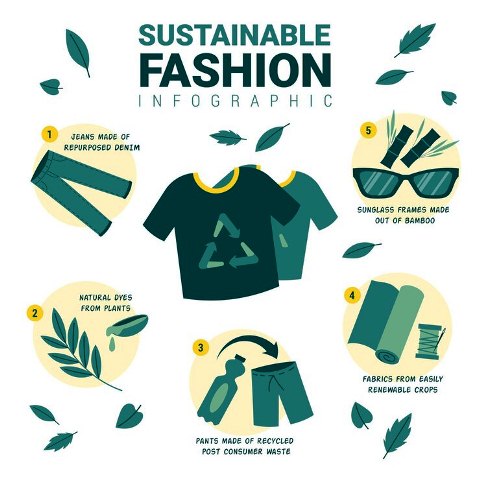
✅ Fashion Upcycling: Revamping old textiles into new clothing (e.g., Levi’s “SecondHand” initiative).
✅ Tech Waste Upcycling: Refurbishing electronic waste into new gadgets or components.
2️⃣ Recycling Business Models
✅ Plastic Recycling: Transforming PET bottles into fabric, new containers, or other plastic goods.
✅ E-Waste Recycling: Extracting valuable materials (gold, silver, copper) from discarded electronics.
✅ Glass Recycling: Turning glass waste into new bottles, insulation materials, or construction aggregates.
✅ Organic Waste Recycling: Composting food scraps and turning them into fertilizers.
🔹 Target Market
🎯 Eco-conscious consumers: People looking for sustainable alternatives to everyday products.
🎯 Businesses & corporations: Companies seeking zero-waste initiatives and sustainable packaging.
🎯 Fashion & retail brands: Sustainable fashion startups and major brands looking for upcycled materials.
🎯 Government & municipalities: Cities investing in recycling infrastructure and waste management solutions.
🔹 Revenue Streams
💰 Direct-to-Consumer (DTC) Sales: Sell upcycled products via e-commerce stores (Shopify, Etsy, Amazon Handmade).
💰 B2B Partnerships: Provide recycled materials or upcycled goods to larger businesses.
💰 Subscription Model: Offer recycling pickup services or eco-friendly product deliveries.
💰 Government Grants & Subsidies: Apply for sustainability-focused grants and incentives.
💰 Licensing & Franchising: License recycling tech or upcycling processes to other businesses.
🔹 Marketing Strategies for Growth
✅ Eco-Friendly Branding & Storytelling: Build a strong mission-driven brand focused on sustainability.
✅ Influencer & Content Marketing: Collaborate with eco-conscious influencers to raise awareness.
✅ SEO & Blog Content: Write about sustainability topics like “How Upcycled Products Reduce Waste” to attract traffic.
✅ Social Media Engagement: Show behind-the-scenes videos on how your products are made.
✅ Email Marketing & Loyalty Programs: Reward repeat customers who recycle with you.
🔹 Website & E-Commerce Setup
1️⃣ Choose a platform: Shopify (for products), WordPress (for content), or Wix (for quick setup).
2️⃣ Design an engaging site: Showcase before-and-after images of upcycled materials.
3️⃣ Integrate payments & subscriptions: Offer flexible payment plans & membership options.
4️⃣ Optimize for SEO: Rank for terms like “best recycled products” or “sustainable fashion brands.”
📢 Marketing Strategies for an Upcycling & Recycling Business ♻️🚀
A strong marketing strategy will help educate consumers, build trust, and drive sales for your upcycling or recycling brand. Below are effective, actionable strategies to grow your business.
1️⃣ Branding & Positioning
✅ Eco-Friendly Storytelling – Showcase your sustainability impact in a compelling way.
✅ Unique Value Proposition (UVP) – Focus on what makes your brand different (e.g., handmade, zero-waste, ethically sourced materials).
✅ Transparency & Authenticity – Share behind-the-scenes videos of production and eco-friendly sourcing.
🎯 Example: If selling upcycled fashion, highlight “How We Save 50,000 lbs of Textile Waste Every Year.”
2️⃣ Website & SEO Optimization
✅ Set up an SEO-friendly website (Shopify, WooCommerce, or WordPress).
✅ Optimize pages for keywords like:
- “Best upcycled products”
- “Sustainable fashion brands”
- “Eco-friendly home decor”
✅ Write blogs & guides: - “10 Ways to Reduce Waste in Your Home”
- “How Upcycling Helps the Planet”
🚀 Pro Tip: Use Google My Business for local recycling services.
3️⃣ Social Media Marketing 🌿📱
Best Platforms: Instagram, TikTok, Pinterest, and Facebook.
✅ Instagram & TikTok Reels: Show transformations of waste into beautiful products.
✅ Hashtag Strategy: #UpcycledFashion #EcoFriendlyLiving #SustainableHome
✅ Pinterest Boards: Showcase eco-friendly lifestyle ideas.
✅ Viral Challenges: Run an “Upcycling Challenge” for user-generated content.
🎯 Example: Share before/after videos of waste items turned into valuable products.
4️⃣ Influencer & Community Marketing
✅ Partner with eco-conscious influencers to showcase your products.
✅ Collaborate with sustainability bloggers for feature articles.
✅ Host giveaways: “Tag a friend who loves sustainable living to win!”
🎯 Example: If selling recycled bags, collaborate with a zero-waste influencer to promote your brand.
5️⃣ Paid Advertising (Facebook & Google Ads) 💰
🔹 Facebook/Instagram Ads – Target eco-conscious shoppers.
🔹 Google Shopping Ads – Rank for sustainable product searches.
🔹 Retargeting Ads – Show ads to people who visited your site but didn’t purchase.
🎯 Example: Run a Facebook ad with the message “Save the Planet with Every Purchase! 🌍♻️”
6️⃣ Partnerships & Retail Expansion
✅ Get featured in sustainable marketplaces (Etsy, EarthHero, Package Free Shop).
✅ Sell via boutique eco-stores & B2B partnerships.
✅ Offer subscription boxes with curated upcycled products.
🎯 Example: Partner with sustainable brands to cross-promote each other’s products.
7️⃣ PR & Media Outreach
✅ Get featured in eco-conscious magazines & blogs.
✅ Pitch your story to sustainability podcasts & YouTube channels.
✅ List your business in “Zero-Waste Directories”.
🎯 Example: Write a guest post on “Why Upcycling is the Future of Fashion” for an eco-blog.
Website Setup for an Upcycling & Recycling Business ♻️🌍
To establish an eco-friendly brand, your website should be visually appealing, SEO-optimized, and conversion-friendly. Here’s a step-by-step guide to building your website.
1️⃣ Choose a Platform
🔹 Shopify – Best for e-commerce (fast & easy setup)
🔹 WooCommerce (WordPress) – Best for flexibility & SEO
🔹 Wix or Squarespace – Best for a simple, stylish website
🔹 BigCommerce – Best for scaling an online store
🎯 Recommendation: If selling upcycled products, go for Shopify or WooCommerce. If offering recycling services, use WordPress + Elementor.
2️⃣ Get a Domain & Hosting
🔹 Use Namecheap, GoDaddy, or Google Domains to buy a domain (Example: GreenUpcycle.com)
🔹 Choose reliable hosting (SiteGround, Bluehost, or Shopify)
🔹 Get SSL (Secure Sockets Layer) for security
🚀 Pro Tip: Pick a .com or .eco domain to reinforce sustainability branding.
3️⃣ Design Your Website
🔹 Homepage (First Impression Matters!)
✅ High-quality eco-friendly visuals
✅ Strong mission statement (Why your brand is sustainable)
✅ Shop Now or Learn More CTA buttons
🎯 Example: “Turning Waste into Value! 🌍 Explore Our Eco-Friendly Creations.”
🔹 About Page (Your Story & Impact)
✅ Why you started the upcycling/recycling business
✅ How your products/services help the environment
✅ Certifications or partnerships with sustainability programs
🎯 Example: “We upcycle 10,000+ pounds of waste every month to create unique, sustainable products.”
🔹 Product/Services Page
✅ High-quality product images
✅ Before & after visuals (show how waste is transformed)
✅ Sustainability details (e.g., “100% recycled materials”)
🔹 Blog (SEO & Content Marketing)
✅ Educational articles like:
- “How to Reduce Waste in Your Daily Life”
- “5 Benefits of Upcycled Products”
✅ SEO Optimization (use keywords like “sustainable fashion,” “zero-waste living”)
🔹 Contact & FAQ Page
✅ Email & phone support for customers
✅ Shipping, return, & sustainability policies
🚀 Pro Tip: Add a Live Chat Feature for quick customer engagement.
4️⃣ Optimize for SEO & Speed 🚀
✅ Mobile-friendly design (Google ranks mobile-first)
✅ Use fast-loading themes (avoid heavy images)
✅ Install SEO plugins (Yoast SEO for WordPress)
✅ Add meta descriptions & alt text for images
🎯 Example: Instead of “Shop Now”, use “Shop Sustainable Upcycled Bags” for better ranking.
5️⃣ Set Up Payment & Shipping
✅ Enable Stripe, PayPal, Apple Pay for payments
✅ Offer eco-friendly shipping (use recyclable packaging)
✅ Provide free shipping on orders over $50 to boost conversions
🚀 Pro Tip: Use Shopify’s Carbon Offset feature to promote sustainability.
6️⃣ Integrate Marketing & Social Media
✅ Email Marketing (Collect emails & send eco-friendly lifestyle tips)
✅ Social Media Links (Instagram, TikTok, Pinterest)
✅ Google Analytics (Track traffic & user behavior)
✅ Facebook Pixel & Google Ads Tracking (For retargeting)
🎯 Example: Add a pop-up offer: “Join our sustainable movement & get 10% off your first order!”
7️⃣ Launch & Promote 🚀
✅ Test all pages & payment methods before launch
✅ Announce your launch on social media & email lists
✅ Run Facebook & Instagram ads targeting eco-conscious buyers
✅ Partner with eco-friendly influencers to spread the word
Step-by-Step Website Setup for an Upcycling & Recycling Startup ♻️🌍
Building a strong online presence is crucial for your Upcycling & Recycling business. Your website should be visually appealing, SEO-optimized, and designed for conversions. Follow this step-by-step guide to set up a professional and high-converting website.
1️⃣ Choose the Right Website Platform
🔹 Shopify – Best for selling upcycled products
🔹 WooCommerce (WordPress) – Best for content-rich sites & SEO
🔹 Wix or Squarespace – Best for simple, stylish websites
🔹 BigCommerce – Best for large-scale e-commerce
🎯 Best Choice: If you’re selling upcycled products, go with Shopify or WooCommerce. If you’re offering recycling services, a WordPress + Elementor setup is ideal.
2️⃣ Secure a Domain & Hosting
🔹 Buy a domain via GoDaddy, Namecheap, or Google Domains
🔹 Get hosting from SiteGround, Bluehost, or Shopify (built-in hosting)
🔹 Use SSL (Secure Sockets Layer) for security
🚀 Pro Tip: Choose a .com or .eco domain for a strong eco-friendly brand identity (e.g., GreenUpcycle.com).
3️⃣ Design Your Website
🔹 Homepage (First Impression Matters!)
✅ High-quality eco-friendly visuals
✅ A clear mission statement (e.g., “Turning Waste into Value! 🌍”)
✅ CTA buttons (e.g., “Shop Now” or “Join the Movement”)
🎯 Example:
“We transform discarded materials into stylish, eco-friendly products. Join us in creating a zero-waste future!”
🔹 About Page (Tell Your Story & Impact)
✅ Explain why you started the business
✅ Showcase your sustainability commitment
✅ Highlight eco-friendly partnerships & certifications
🎯 Example:
“We upcycle 10,000+ pounds of waste monthly, reducing landfill waste & promoting a circular economy.”
🔹 Product/Services Page
✅ High-quality product images & descriptions
✅ Before & after visuals of upcycled items
✅ Details on materials & sustainability impact
🔹 Blog Section (For SEO & Traffic Growth)
✅ Educational content (e.g., “5 Easy Ways to Live a Zero-Waste Lifestyle”)
✅ How-to guides (e.g., “DIY Upcycling Ideas”)
✅ SEO-optimized articles targeting eco-conscious consumers
🔹 Contact & FAQ Page
✅ Email, phone, & social media links
✅ Clear policies on returns, shipping, & sustainability
🚀 Pro Tip: Add a Live Chat Feature for real-time engagement.
4️⃣ Optimize for SEO & Speed 🚀
✅ Ensure a mobile-friendly design (Google ranks mobile-first)
✅ Optimize images for fast loading speeds
✅ Use SEO plugins (e.g., Yoast SEO for WordPress)
✅ Add meta descriptions & alt text for images
🎯 Example: Instead of “Shop Now”, use “Shop Sustainable Upcycled Bags” for better ranking.
5️⃣ Set Up Payment & Shipping
✅ Enable Stripe, PayPal, Apple Pay for secure payments
✅ Offer eco-friendly shipping (use recyclable packaging)
✅ Provide free shipping on orders over $50 to boost sales
🚀 Pro Tip: Shopify has a carbon offset option for sustainable shipping.
6️⃣ Integrate Marketing & Social Media
✅ Email Marketing – Collect emails & send eco-friendly tips
✅ Social Media Links – Instagram, TikTok, Pinterest
✅ Google Analytics – Track visitor behavior
✅ Facebook Pixel & Google Ads Tracking – For retargeting
🎯 Example: Add a pop-up offer: “Join our sustainable movement & get 10% off your first order!”
7️⃣ Launch & Promote 🚀
✅ Test all pages & payment methods before launching
✅ Announce your launch on social media & email lists
✅ Run Facebook & Instagram ads targeting eco-conscious buyers
✅ Partner with eco-friendly influencers for promotion
Still confused or busy to set up your online store/official site ? E-Commerce ,Website operation/ Optimization ? It’s very easy, just contact us/hire a web master/web developer/IT Consultant
