🍽️ Mobile & Pop-Up Restaurants: A Business Overview
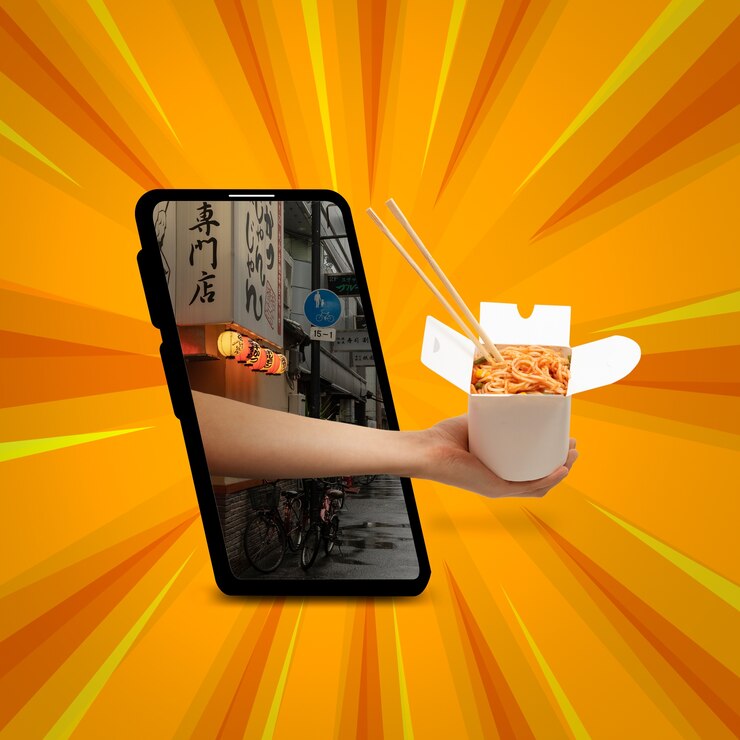
Mobile and pop-up restaurants offer flexibility, lower startup costs, and the ability to test new markets without the high overhead of a traditional restaurant. They are great for food entrepreneurs, chefs, and culinary startups looking to create a unique dining experience.
🛠️ Business Model Options
1️⃣ Food Truck: A fully-equipped mobile kitchen that travels to different locations.
2️⃣ Pop-Up Restaurant: Temporary dining experiences in event spaces, markets, or partnerships with existing restaurants.
3️⃣ Catering-Style Pop-Ups: Hosting exclusive dining events at unique venues.
4️⃣ Ghost Kitchen + Pop-Up Hybrid: Run a delivery/takeout-based kitchen with occasional pop-up events.
📍 Target Market
✅ Urban Professionals & Foodies – Looking for unique, high-quality dining experiences.
✅ Event-Goers – Festivals, markets, concerts, and sports events.
✅ Health-Conscious Consumers – Interested in organic, vegan, or specialty cuisine.
✅ Corporate Clients – Catering for meetings and corporate events.
✅ Local Communities – Neighborhood pop-ups build brand loyalty.
💰 Revenue Streams
✔️ Direct Sales: Food & beverage sales from events, food trucks, or pop-ups.
✔️ Catering Services: Private events, weddings, and corporate functions.
✔️ Online Orders & Delivery: Through platforms like UberEats, DoorDash, or your own app.
✔️ Event Partnerships & Sponsorships: Collaborate with local businesses or influencers.
✔️ Merchandise: Sell branded items like sauces, spices, or meal kits.
🚀 Marketing Strategies
📌 Social Media Hype: TikTok, Instagram, and Facebook to announce locations & promotions.
📌 Influencer Collaborations: Partner with local food bloggers & influencers to create buzz.
📌 Limited-Time Menus: Create urgency with seasonal or exclusive menu items.
📌 Loyalty Programs & Discounts: Offer early bird discounts and referral rewards.
📌 Email & SMS Marketing: Keep customers updated on upcoming events & locations.
📌 Google My Business & Maps: Optimize for local SEO to attract nearby customers.
🌐 Website Setup Guide
🔹 Domain & Hosting: Use platforms like Shopify, Wix, or Squarespace for easy booking.
🔹 Online Ordering: Integrate Toast, Square, or Clover for pre-orders & payments.
🔹 Event Calendar: Display upcoming pop-ups with booking links.
🔹 Photo & Video Gallery: Show off your menu, past events, and food truck setup.
🔹 Newsletter Signup: Collect emails for exclusive deals & event announcements.
🍽️ Mobile & Pop-Up Restaurants: Business Details
Mobile and pop-up restaurants offer flexibility, lower costs, and creative freedom compared to traditional restaurants. They are ideal for chefs and food entrepreneurs looking to test new concepts, reach different locations, and engage with diverse audiences.
🏗️ Business Model Options
1️⃣ Food Truck – A fully-equipped mobile kitchen that serves food at different locations.
2️⃣ Pop-Up Restaurant – A temporary dining experience set up in bars, event spaces, or even rooftops.
3️⃣ Hybrid Model – A food truck combined with occasional pop-up events in high-traffic areas.
4️⃣ Ghost Kitchen + Pop-Up – Operate a delivery/takeout-based kitchen while hosting exclusive pop-ups.
5️⃣ Farmers’ Markets & Festivals – Set up at community events, music festivals, or local farmers’ markets.
🎯 Target Market
- Food Enthusiasts & Urban Professionals – Those seeking unique, high-quality food experiences.
- Health-Conscious Consumers – Demand for organic, vegan, or specialty cuisines is rising.
- Event-Goers – Festivals, music events, art shows, and local markets attract hungry customers.
- Corporate Clients & Private Events – Ideal for catering business meetings, weddings, and parties.
- Local Neighborhoods – Weekly pop-ups help build a loyal customer base.
💰 Revenue Streams
✔️ Direct Food & Beverage Sales – At pop-ups, food trucks, or delivery.
✔️ Pre-Orders & Online Sales – Through platforms like UberEats, DoorDash, or a website.
✔️ Event Catering – Private parties, corporate events, and weddings.
✔️ Brand Collaborations – Partner with local businesses, breweries, or influencers.
✔️ Limited-Edition Merchandise – Sell sauces, cookbooks, and branded apparel.
📌 Key Considerations for Success
🔹 Location Strategy: Find high-traffic areas, seasonal events, and collaboration spots.
🔹 Permits & Licensing: Secure health permits, business licenses, and food handling certifications.
🔹 Supplier & Ingredient Sourcing: Partner with local farms or bulk food suppliers.
🔹 Staffing & Logistics: Ensure reliable chefs, assistants, and food prep staff.
🔹 Scalability: Plan for expanding to multiple locations or launching a full restaurant.
🚀 Growth & Marketing Strategy
📌 Social Media Buzz: Share behind-the-scenes prep, live locations, and engage with foodie communities.
📌 Food Bloggers & Influencers: Offer free tastings in exchange for reviews.
📌 Pop-Up Partnerships: Work with bars, breweries, or local artists for joint events.
📌 Loyalty Programs & Discounts: Incentivize repeat customers with rewards.
📌 Google Maps & Local SEO: Optimize your listing for nearby hungry customers.
📌 Limited-Time Menu Items: Create urgency & exclusivity to drive demand.
🌐 Website Setup Guide
🔹 Domain & Hosting: Use Shopify, Wix, or WordPress.
🔹 Event Booking & Pre-Orders: Allow customers to reserve tables or order online.
🔹 Photo & Video Gallery: Showcase your dishes, setup, and events.
🔹 Newsletter Signup: Collect emails for exclusive event invitations.
🔹 Google Business Profile: Optimize for search visibility & location-based traffic.
🚀 Marketing Strategies for Mobile & Pop-Up Restaurants
A successful mobile or pop-up restaurant needs strong branding, a strategic online presence, and community engagement. Here’s a tailored marketing roadmap to maximize visibility and attract loyal customers.
🎯 1. Define Your Brand & Unique Selling Proposition (USP)
✔ Niche Selection – Vegan, fusion, comfort food, gourmet burgers, organic, etc.
✔ Memorable Branding – A catchy name, eye-catching food truck/pop-up design, and an engaging brand story.
✔ Signature Dish – A must-try item that defines your brand and gets people talking.
💡 Example: A pop-up taco bar featuring organic, locally sourced ingredients with a seasonal menu.
📍 2. Location-Based Marketing & Event Strategy
Your mobile/pop-up restaurant thrives on foot traffic!
📌 Google My Business & Maps – Register and update your location daily.
📌 Food & Farmers’ Markets – Leverage high-traffic local events to introduce your brand.
📌 Breweries, Bars & Cafés – Collaborate for food + drink pairings.
📌 Corporate & Private Events – Offer exclusive catering services.
📌 Local Partnerships – Work with gyms, yoga studios, or co-working spaces for special meal pop-ups.
📲 3. Social Media Strategy for Virality
🎥 Short-Form Videos (Reels/TikTok): Show behind-the-scenes cooking, customer reactions, and trending food challenges.
📸 Instagram-Worthy Presentation: Ensure eye-catching food plating & packaging for shareability.
🗓 Live Location Updates: Post real-time location & pop-up schedules on Instagram & Twitter.
📢 Food Blogger & Influencer Marketing: Offer free tastings in exchange for content & reviews.
🎁 User-Generated Content (UGC): Encourage customers to post & tag your brand for giveaways.
🔥 Hashtag Ideas: #FoodTruckLife #PopUpEats #StreetFood #LocalEats
📧 4. Build a Community with Email & SMS Marketing
📩 Collect emails and phone numbers to send:
✔ Exclusive Event Invites – Notify customers about pop-up locations & limited-time menus.
✔ Loyalty Discounts & Referral Rewards – Incentivize returning customers.
✔ Behind-the-Scenes Stories – Share updates about your brand journey.
💡 Tools: Mailchimp (email), SlickText (SMS)
📈 5. Paid Ads & Local Promotions
🔹 Geo-Targeted Facebook & Instagram Ads – Run ads within a 10-mile radius of your pop-up.
🔹 Google Ads for “Near Me” Searches – Ensure you rank for “best street food near me” searches.
🔹 TikTok & Instagram Food Ads – Promote your best-performing videos.
🔹 Discounts for First-Time Customers – Offer “Try us today & get 10% off!”
💡 Ad Budget Tip: Start with $10–$20/day on local ads to test what works.
🎤 6. Leverage PR & Word-of-Mouth
✔ Get Featured in Local Food Blogs & Magazines – Pitch your story.
✔ Invite Local Celebrities or Influencers – Get social proof.
✔ Street Team Promotion – Use branded merch (stickers, flyers, shirts) for awareness.
✔ Encourage Yelp & Google Reviews – More positive reviews = higher credibility.
💡 Bonus Growth Hacks!
🚀 Host a Secret Menu Event – Invite customers to try an off-menu dish for VIPs.
🍽 “Pay What You Want” Opening Day – Creates buzz & goodwill.
🎟 Limited Edition Tasting Menus – Customers will rush to try exclusive items.
📍 “Where Will We Pop Up Next?” Social Teasers – Create anticipation.
🖥 Website Setup for Your Mobile & Pop-Up Restaurant
A strong website is key to building credibility, attracting customers, and showcasing your food business. Here’s a step-by-step guide to setting up your website:
1️⃣ Choose Your Domain & Hosting
🔹 Domain Name – Pick a short, catchy name (e.g., [YourBrandName].com).
🔹 Hosting – Use Wix, Shopify, Squarespace, or WordPress for easy setup.
💡 Best Choice for Food Businesses: Wix (drag & drop), Shopify (if selling merch), or WordPress (fully customizable).
2️⃣ Essential Website Pages
🛠 Homepage – Showcase your brand story, signature dishes, and pop-up schedule.
📅 Pop-Up Schedule – Real-time updates on where and when you’ll be available.
📸 Menu Page – High-quality images of your best dishes.
📍 Find Us – Google Maps integration for live location tracking.
📢 Events & Catering – Offer private events, collaborations, and catering services.
📞 Contact Page – Easy-to-use contact form + social media links.
🛒 Online Ordering (Optional) – Add pickup, delivery, or pre-order options.
3️⃣ Design & Branding
🔸 Use a Bold, Food-Friendly Color Scheme
🔸 Mobile-Friendly Design – Since most people check websites on their phones.
🔸 High-Quality Photos & Videos – Make your food irresistible!
🔸 Social Proof – Show customer testimonials & Instagram feed.
💡 Tools: Canva (for branding), Unsplash/Pexels (free high-quality food images).
4️⃣ Add Online Booking & Ordering
🍽 Pre-Orders for Events – Accept reservations or pre-orders via your website.
📍 Integrate Google Maps – Help customers find your pop-up faster.
📢 Live Notifications – Use pop-ups for special offers or new locations.
💡 Best Platforms: Square, Toast, or Shopify for food ordering.
5️⃣ SEO & Local Marketing
🔍 Optimize for “Near Me” Searches – Example: “Best street food in [Your City]”
📍 Google My Business Listing – Helps you show up in local search results.
🔗 Backlinks from Food Blogs & Directories – Improves search rankings.
💡 Bonus: Use structured data to help Google show your menu & hours in search results.
6️⃣ Social Media & Ads Integration
📲 Embed Instagram Feed – Automatically show your latest food posts.
📅 Event Calendars – Sync with Google Calendar or Facebook Events.
🚀 Facebook Pixel & Google Analytics – Track visitors & retarget ads to potential customers.
💡 Pro Tip: Run a geo-targeted ad in areas where your pop-up will be!
7️⃣ Launch & Promote Your Website!
✔ Announce on Social Media – Share behind-the-scenes launch content.
✔ Email List Building – Offer an exclusive discount for sign-ups.
✔ QR Code Marketing – Place QR codes on menus & flyers linking to your website.
Still confused or busy to set up your online store? E-Commerce ,Website operation/ Optimization ? It’s very easy, just contact us/hire a web master/web developer/IT Consultant
