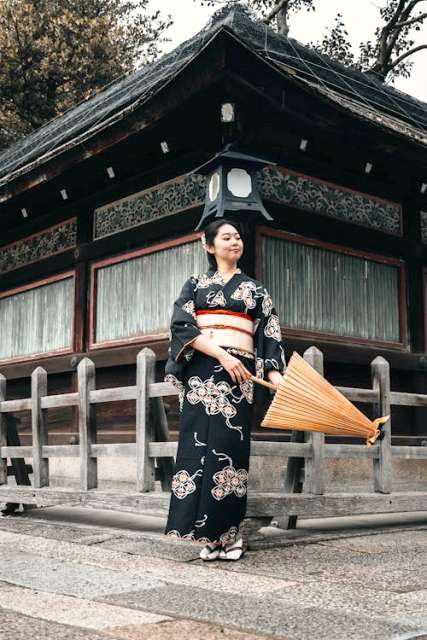
Japan is known for its rich cultural traditions and unique social habits that set it apart from other countries. Here are 10 unique habits commonly practiced in Japan:
1. Bowing as a Greeting
- In Japan, bowing is a traditional form of greeting, showing respect and humility. The depth of the bow varies depending on the social context and level of respect being shown.
2. Removing Shoes Indoors
- It is customary in Japan to remove shoes when entering a home, temples, some traditional hotels (ryokan), and even certain restaurants. This is done to keep the indoor space clean.
3. Gift Giving (Oseibo and Ochugen)
- Gift-giving is a common practice in Japan, especially during certain times of the year like Oseibo (year-end gifts) and Ochugen (mid-year gifts). It’s a way to show appreciation and maintain good relationships.
4. Politeness and Honorifics
- The Japanese language places significant emphasis on politeness, especially through the use of honorifics (like -san, -sama, -sensei). It’s a sign of respect for someone’s position or age.
5. Queueing for Everything
- In Japan, people always stand in line, whether at a train station, a restaurant, or waiting for an elevator. This habit reflects the culture of orderliness and consideration for others.
6. Public Silence on Public Transportation
- On public transport, it’s common for passengers to be quiet. Conversations are generally kept to a minimum, and phones are set to silent mode, showing respect for fellow passengers.
7. Cleaning Up After Yourself
- Japanese people are typically expected to clean up after themselves, whether at home or in public spaces. It’s common to bring trash home if public trash bins are unavailable, reflecting the country’s commitment to cleanliness.
8. Seasonal Traditions
- Japan celebrates the changing seasons with traditions and festivals. Hanami (cherry blossom viewing) in spring, Obon (a festival to honor ancestors), and New Year’s rituals are just a few examples of how the Japanese connect with nature and seasonal changes.
9. Respect for Nature
- Japanese culture emphasizes harmony with nature, seen in habits like shinto rituals that respect natural elements, and practices like Ikebana (flower arranging) and bonsai to reflect the beauty and balance of nature.
10. Onsen Etiquette
- When visiting an onsen (hot spring bath), it’s important to follow specific rules, such as thoroughly washing and rinsing your body before entering the communal bath. Public baths are seen as a form of relaxation and personal reflection.
These customs are part of what makes Japanese culture unique and show the importance of respect, politeness, and order in everyday life.
In Japan, bowing is not just a simple gesture; it’s a deeply rooted cultural practice that signifies respect, humility, and gratitude. It is a key aspect of social interaction, and the way a bow is performed can communicate different levels of formality or emotion.
Types of Bowing:
- Eshaku (会釈)
- Angle: A shallow bow (about 15 degrees).
- Context: This is the most casual form of bowing, often used when passing by someone, as a greeting, or when thanking someone for something small. It’s the bow used in everyday situations.
- Futsū no Keirei (普通の敬礼)
- Angle: A standard bow (about 30 degrees).
- Context: This bow is used in polite but formal interactions, such as when introducing yourself or showing respect to someone in a formal setting, like at work.
- Saikeirei (最敬礼)
- Angle: A deep bow (about 45 degrees or more).
- Context: This is the most formal bow and is often used in situations where deep respect is being shown, such as in apology, or when expressing gratitude or reverence in more formal settings like temples or ceremonies.
- Kneeling Bow (Seiza)
- Angle: A deep, respectful bow done while kneeling.
- Context: This bow is often seen during more traditional ceremonies or formal occasions, like weddings, tea ceremonies, and religious rituals.
When and Why Bowing Happens:
- Greetings: It’s a way to acknowledge someone’s presence with respect.
- Apologies: A bow can communicate deep regret, especially in business or formal contexts.
- Thanking: It can be used to express gratitude, both formally and informally.
- Acknowledging Social Hierarchy: The depth of the bow often correlates with the relative status of the individuals involved—bowing deeper to someone of higher rank or elder age.
Bowing Etiquette:
- When bowing to someone, maintaining eye contact is usually avoided, as it can be seen as confrontational. Instead, the eyes are lowered as a sign of respect.
- The bow should be done slowly and deliberately, signaling the sincerity of the action.
- Business Etiquette: In professional settings, bowing plays a role in maintaining a sense of hierarchy. When addressing someone of higher rank, a deeper bow and more formal speech are used.
Modern Usage:
In today’s Japan, especially in urban areas and younger generations, bowing may be substituted with verbal greetings like “Konnichiwa” (Good afternoon) or “Arigatou gozaimasu” (Thank you). However, bowing remains a powerful symbol of respect in formal situations or ceremonies, and it’s something deeply ingrained in the culture.
In Japan, the practice of removing shoes indoors is a deeply ingrained cultural norm that reflects respect for cleanliness, hygiene, and the sanctity of indoor spaces. This custom is not only limited to homes but also extends to various other environments, including temples, traditional accommodations (ryokan), certain restaurants, and even some schools and offices.
Why Remove Shoes?
- Cleanliness: Japan has a strong cultural value of keeping the inside clean. The outdoor environment, especially in urban areas, can be dirty with dust, mud, or street pollutants. By removing shoes at the door, dirt from the outside world is kept away from living areas.
- Respect for the Space: In traditional Japanese homes, the interior is viewed as a place of comfort and purity. Removing shoes is seen as a way to show respect for the sanctity of the space, especially in private homes or temples.
- Cultural Tradition: This practice is rooted in Japan’s ancient traditions, where the distinction between the “outside” and “inside” world was more rigid. The custom is linked to the Shinto belief in the sanctity of spaces, especially in the home or sacred areas.
- Tatami Mat Floors: In traditional Japanese homes, floors are often made of tatami (straw mats), which are very delicate. Shoes can damage these mats, and keeping them clean is essential to maintaining the aesthetic and practical qualities of the home.
Where Is It Common?
- Homes: The most well-known place where shoes are removed. It is customary to have a designated area (called genkan) where shoes are taken off before entering the main living areas.
- Ryokan (Traditional Hotels): Guests are expected to remove their shoes upon entering their rooms. Some ryokan even provide indoor slippers for guests to wear inside.
- Temples and Shrines: Visitors must remove shoes before entering sacred areas, including some temples and shrines.
- Certain Restaurants: Particularly those with traditional seating, such as tatami rooms or sushi bars, where patrons are seated on the floor or low tables. In these settings, removing shoes is a part of the ritual.
- Some Schools and Offices: In more traditional or rural settings, some schools and offices may require students or employees to change into indoor footwear, such as slippers, to maintain a clean and respectful environment.
How It Works:
- Genkan (Entryway): In homes, the genkan is the designated area near the entrance where people remove their shoes. Here, shoes are often arranged neatly, facing outward, so that they can be put on easily when leaving. This area might have a shoe rack or shoe shelves.
- Indoor Footwear (Uwabaki): Once shoes are removed, people typically switch to indoor slippers or specific footwear for inside use. These slippers are worn in common areas but may be changed again if entering more private or sensitive spaces, like a bathroom or bedroom.
Special Etiquette:
- Slippers for Bathrooms: In some homes or ryokan, indoor slippers are not worn in bathrooms. Special bathroom slippers are provided for use in these areas, and it is considered improper to wear the general indoor slippers into the bathroom.
- Avoiding Sloppy Footwear: Japanese culture places emphasis on neatness, and wearing clean, well-maintained footwear is seen as a reflection of respect for others. Even indoor slippers are typically kept in pristine condition.
Benefits of Removing Shoes Indoors:
- Hygiene: Reduces the spread of dirt and germs inside the house.
- Comfort: Especially when sitting on the floor, as is common in traditional Japanese homes.
- Preservation of Space: Helps preserve the integrity of floors, tatami mats, and carpets by avoiding wear and tear.
Modern Context:
In urban Japan, some younger generations or those in modern-style apartments might not follow the practice as strictly, but it remains common in traditional settings. Foreign visitors are often surprised by this practice, but it’s generally well-received as a mark of respect for local customs.
Gift giving is a deeply rooted tradition in Japan, reflecting respect, gratitude, and the desire to maintain harmonious relationships. Two major occasions for gift-giving in Japan are Oseibo (年末の贈り物, year-end gift) and Ochugen (お中元, mid-year gift). These practices are more formal than typical birthday presents and have cultural significance in both personal and professional contexts.
Oseibo (Year-End Gift)
- Timing: Oseibo is given during the end-of-year period, usually in December, before the New Year holidays. The practice is meant to show appreciation and gratitude to those who have helped or supported you throughout the year, such as family, friends, colleagues, clients, and teachers.
- Purpose: The main purpose of Oseibo is to express gratitude for the kindness and support received during the year. It’s also a way to reinforce relationships, both personal and professional.
- What Is Given?:
- Popular gifts include high-quality food items (such as meats, sweets, alcohol like sake), premium tea, fruit baskets, and luxury items like gourmet sets. Personal care items, home appliances, and even decorative goods like vases or artwork may be offered in some cases.
- The gift should generally be something practical, luxurious, but not too extravagant to avoid making the recipient feel uncomfortable or obligated.
- Presentation: Oseibo gifts are typically wrapped in elegant packaging and are presented with a seasonal greeting card. The card may include a short message expressing appreciation for the relationship and wishes for the upcoming year.
- Business Context: In business, giving Oseibo is a way to strengthen professional relationships and show gratitude for the collaboration over the past year. It’s especially important in Japan’s group-oriented culture, where maintaining strong bonds with colleagues or clients is key.
Ochugen (Mid-Year Gift)
- Timing: Ochugen is given in the middle of the year, typically in July. Like Oseibo, it is a time to show gratitude, but it’s specifically tied to the summer season and often comes before the Obon festival (a major Buddhist holiday that honors the spirits of ancestors).
- Purpose: Ochugen serves a similar purpose to Oseibo, expressing gratitude to those who have supported you. It’s particularly focused on showing appreciation for the relationships that have been formed over time, such as with business associates, family, or close friends.
- What Is Given?:
- The Ochugen gift is typically something practical, like food items (including fresh fruits, sweets, sake, tea), gourmet gifts, and items like towels, personal care products, or high-quality soaps. Gifts are usually light and refreshing for the hot summer months.
- Cash gifts in decorative envelopes are also common in certain regions, especially in more formal or traditional contexts.
- Presentation: Much like Oseibo, Ochugen gifts are often beautifully wrapped in seasonally appropriate packaging, sometimes in bright colors for the summer. A short note or greeting card is typically included, often expressing wishes for health and well-being.
General Gift-Giving Etiquette in Japan:
- Gift Wrapping: In Japan, the presentation of the gift is just as important as the gift itself. Gifts are carefully wrapped, and the packaging is often a work of art. Wrapping is done with care, often using beautiful paper and ribbons, sometimes in seasonal themes.
- Avoiding Too Expensive Gifts: When giving gifts like Oseibo or Ochugen, it’s important that the gift is not too extravagant. Overly expensive gifts can create a sense of obligation on the recipient’s part, which is counterproductive to the goal of showing gratitude.
- Timing of Presentation: Gifts are usually presented in person, but if that’s not possible, they may be sent via postal services. Oseibo and Ochugen should ideally be given early in the respective seasons so that the recipient can appreciate them at the appropriate time.
- Reciprocity: There’s a cultural expectation that the recipient will also give gifts in return, whether it’s during the next gift-giving season or at a later time. This creates a sense of mutual respect and reciprocity in Japanese relationships.
- Gift-Giving on Special Occasions: In addition to Oseibo and Ochugen, Japan has many other occasions for gift-giving, such as birthdays, weddings, and New Year’s celebrations. Gifts are deeply tied to the specific season and event, which highlights their cultural significance.
- Symbolism: The type of gift you choose may hold specific symbolic meanings in Japan. For instance, cherry blossoms symbolize renewal and beauty, while gourmet food might symbolize hospitality and care. Even colors and designs on wrapping paper are chosen with symbolic intent, such as avoiding certain colors (e.g., white, which is associated with funerals).
Differences from Western Gift-Giving:
- Frequency: In Western cultures, gift-giving tends to focus on specific celebrations like birthdays or Christmas. In Japan, Oseibo and Ochugen ensure that gratitude is shown more regularly throughout the year.
- Value of the Gift: In Japan, the act of giving is far more important than the value of the gift itself. The sentiment behind the gift is what matters most, making these occasions more about relationships than materialism.
Modern Adaptations:
In modern Japan, gift-giving practices have evolved. While traditional Oseibo and Ochugen gifts are still common, many people now exchange gifts like gift certificates, online shopping vouchers, or even donations to charity in the recipient’s name as a more contemporary twist on the tradition.
In Japan, politeness and the use of honorifics (respectful titles) are essential aspects of social interaction and communication. These elements reflect the deep cultural value placed on respect, humility, and maintaining harmony in relationships. Politeness is not just about being courteous; it’s also about adhering to social hierarchies and knowing when and how to show respect based on age, status, and relationships.
Politeness in Japanese Culture
Politeness in Japan goes beyond simple manners; it’s an intricate part of daily life that extends to speech, behavior, and even body language. Key principles of politeness include:
- Respect for Others: Japanese people are taught from a young age to respect others, especially those in higher positions, older people, and guests. This respect is shown through behaviors like bowing, proper greetings, and choosing appropriate words and gestures.
- Avoiding Directness: Japanese people tend to avoid direct confrontation or harsh criticism, as this can cause discomfort or loss of face. Politeness often involves indirect speech, such as softening requests or refusals to preserve the feelings of others.
- Group Harmony (Wa): In Japan, the concept of wa (和), or group harmony, is fundamental. Politeness is used to avoid disrupting the social balance. Therefore, individuals often prioritize the needs and feelings of the group over their own, avoiding self-promotion or actions that could be seen as rude.
- Manners and Etiquette: There are numerous social rules and practices surrounding politeness in Japan, from how to behave at the dining table (e.g., using chopsticks properly) to how to address someone in conversation (e.g., using the right level of formality).
Honorifics in Japanese
Honorifics (known as keigo in Japanese) are suffixes added to names or titles to express varying levels of respect. These honorifics reflect the status of the person being addressed, as well as the speaker’s relationship with them. Keigo can be quite complex, as it includes three categories:
- Sonkeigo (Respectful Language): Used to show respect for someone of higher status or older age. This form emphasizes respect for the other person.
- -san (さん): The most common and neutral honorific, similar to “Mr.” or “Ms.” in English. It can be used with both first and last names and is used for strangers, colleagues, or acquaintances.
- Example: Tanaka-san (田中さん).
- -sama (様): A more respectful form than -san, used for customers, guests, or superiors in very formal contexts, or to express great respect.
- Example: Okyaku-sama (お客様) – “honored guest” or “customer.”
- -san (さん): The most common and neutral honorific, similar to “Mr.” or “Ms.” in English. It can be used with both first and last names and is used for strangers, colleagues, or acquaintances.
- Kenjougo (Humble Language): This form of language is used to humble the speaker or their actions, typically when talking about oneself or their group. It’s a way of showing modesty by lowering one’s status.
- Example: Instead of saying “I will give it to you,” one would say, “I will humbly offer it” (差し上げます, sashagemasu).
- Teineigo (Polite Language): A standard level of politeness used in everyday situations, especially with strangers or people one doesn’t know well. It involves using the polite -masu and -desu forms of verbs and polite expressions.
- Example: Instead of “taberu” (eat), use “tabemasu” (食べます), the polite form of the verb.
Common Honorifics and Their Usage
- -san (さん):
- Most versatile honorific, used for people of all ages and statuses, though less formal than -sama. It’s used in most situations to maintain politeness without implying superiority or inferiority.
- Example: Tanaka-san, Yuki-san.
- -sama (様):
- A very respectful honorific, often used in business, for customers (as mentioned), or when addressing royalty, gods, or those in positions of high power.
- Example: Okyaku-sama (for customers in stores or restaurants), Kami-sama (God).
- -sensei (先生):
- Used to show respect for teachers, doctors, lawyers, politicians, and other experts or professionals. It means “teacher” or “master.”
- Example: Tanaka-sensei, Yamamoto-sensei (Doctor).
- -chan (ちゃん):
- A familiar, affectionate honorific typically used for children, close friends, or family members. It conveys warmth and affection but is also used to address cute animals or even products. It’s informal and should be used with care in professional settings.
- Example: Hana-chan, Mimi-chan (for pets).
- -kun (君):
- Often used for young boys or male colleagues of equal or lower rank. It’s less formal than -san but can still convey respect. It’s commonly used in schools or workplaces.
- Example: Yamamoto-kun (for a younger male colleague or classmate).
- -shi (氏):
- A very formal honorific used in writing, particularly in business or news contexts. It’s used for individuals who are not well known to the writer or speaker.
- Example: Tanaka-shi (Mr. Tanaka in formal writing).
Keigo (Respectful Language) in Conversation
Keigo can be divided into several categories:
- Sonkeigo (尊敬語): Respectful language used to elevate the person being spoken to.
- Example: Tabemasu (食べます) instead of the humble tabemasu form (食べさせていただきます).
- Kenjougo (謙譲語): Humble language used to humble oneself.
- Example: Using sashagemasu (差し上げます) instead of ageru (あげる, “to give”).
- Teineigo (丁寧語): Standard polite form, such as desu/masu forms of verbs.
Importance of Honorifics in Social Contexts
- Hierarchy and Social Order: Japanese society places a strong emphasis on social hierarchy and status, and using the right honorific shows awareness of your position relative to others. For example, one would use -sensei for a teacher but would speak to a colleague using -san.
- Cultural Sensitivity: Using the wrong honorific, or no honorific at all, can come across as disrespectful. For example, calling someone older or in a superior position by their first name without an honorific is considered rude.
- Gender and Age: Honorifics also reflect subtle cues about a person’s gender and age. For instance, -chan can be used to express affection for a child, but it would be inappropriate to use it with an older person unless there’s a deep, personal connection.
Modern Use of Honorifics
In contemporary Japan, younger generations may be less strict about using honorifics in informal settings, especially within close friendships or online communication. However, in formal contexts, workplaces, and public spaces, honorifics remain crucial to expressing respect and maintaining good social relationships.
In Japan, queueing (standing in line) is not just a social norm but a deeply ingrained part of the culture, reflecting values of order, patience, and respect for others. The Japanese approach to queueing is considered one of the most organized and polite in the world. Whether it’s for a bus, train, or even at a store, people in Japan will patiently and quietly form orderly lines, even if the wait is long.
Key Aspects of Queueing in Japan
- Respecting Personal Space:
- When waiting in line, people are expected to maintain a certain level of personal space. Everyone stands behind the person ahead of them, with no pushing or jostling, even during busy hours or crowded situations.
- In some cases, you might see people leaving a little extra space to avoid standing too close to someone, out of respect for their personal space.
- Proper Queueing in Various Settings:
- Trains: One of the most well-known places where Japanese queueing culture shines is the train platform. People wait in lines, sometimes neatly marked by painted lines on the platform floor. They stand in an orderly fashion, waiting for their turn to enter the train, and generally let passengers exit first before entering.
- Elevators: In places with elevators, you’ll often see a queue forming in front of the elevator door. Respectful waiting is expected, even in smaller spaces.
- Shops and Restaurants: Whether it’s at a restaurant with a long line or at a store where people are waiting to pay, you will often see people lining up in an orderly fashion, even outside the shop. In restaurants, queueing is expected even in places with no seating arrangement.
- Public Services: For services like banking, post offices, or even government offices, people wait in line without grumbling, no matter how long the wait may be. There’s no pushing ahead or cutting in line.
- Queueing for Trains:
- Train stations are where queueing culture is most visible. Each train line has its own dedicated platforms, and the queueing is extremely disciplined. There are painted lines or markings on the ground, indicating where people should stand to wait for the train.
- Even on crowded trains, passengers typically stand quietly without taking up unnecessary space. Japanese people are also known for avoiding conversation in public transport, creating a more peaceful and respectful atmosphere.
- Line Etiquette:
- No Cutting in Line: In Japan, cutting in line is seen as extremely rude. Whether you’re waiting for a bus, train, or in a store, it’s expected that you’ll wait your turn. Social pressure and the desire to maintain group harmony discourage anyone from skipping the queue.
- Quiet and Calm: Queueing in Japan is typically done in silence. People usually don’t talk to one another or use their phones in the line, creating a calm, orderly environment.
- Joining a Line: If you need to join a line, it’s important to find the end of the queue rather than cutting in. If you’re unsure, you can always ask the people around you to point you in the right direction.
- Why Do People Queue So Rigorously?:
- Cultural Values of Respect and Patience: Queueing reflects deep-rooted Japanese values of respect for others and patience. People understand that everyone is waiting for their turn, and disrupting the line would negatively impact everyone’s experience.
- Maintaining Order and Harmony: In a highly organized society like Japan, queues are a way of maintaining order and preventing chaos. The orderly nature of queueing aligns with the broader principle of maintaining wa (harmony), where no one should disturb the collective peace.
- Politeness: In Japan, politeness is an important cultural trait. Queueing allows everyone to get their turn in a calm, respectful manner without any disruption.
- Queueing During Special Events:
- During special events, festivals, or even sales events at stores, Japanese people will queue with great patience and respect, even in large crowds. People wait calmly, often without expressing frustration, and when the doors open, the line moves smoothly.
- For popular events like concerts, anime merchandise sales, or new product releases, long queues are normal. People respect the queue, even if it stretches for hours.
- Queueing for Convenience:
- Convenience stores: Even at a small convenience store, queueing is observed at the counter. When it’s busy, people wait their turn to pay without complaining, and the cashier will usually acknowledge each customer with polite phrases like “Irasshaimase” (Welcome) or “Arigatou gozaimasu” (Thank you).
- Post Offices: At Japanese post offices, people wait patiently for their turn, even when there are long lines. In some locations, tickets are issued to customers when they arrive, and people wait for their number to be called.
- Queueing for Taxis:
- Taxi lines are another instance of queueing in Japan. People wait in a queue outside taxi stands, and each person gets a taxi in the order they arrived. It’s not common to flag down a taxi off the street unless you’re at a designated taxi stand.
- Special Queueing for “Priority” Groups:
- Japan also has priority queueing for elderly, pregnant women, people with young children, or those with disabilities. These individuals are given special priority in queues for trains, buses, and even in stores or at events.
- In some places, you might see priority lines marked specifically for people with special needs.
Benefits of Queueing in Japan:
- Order and Calm: Queueing ensures a peaceful and orderly atmosphere in public spaces, avoiding confusion or fights.
- Efficiency: With organized queues, services and transportation systems run more efficiently, as there are clear expectations for how people should behave.
- Mutual Respect: Queueing shows respect for fellow citizens and helps maintain a positive atmosphere in public places.
Modern Trends:
In recent years, technology has been implemented in Japan to make queueing even more efficient. For instance, at some large stores or shopping malls, customers can now use digital ticketing systems or apps to get in line for services, which allows them to continue shopping or relaxing until it’s their turn.
In Japan, public silence on public transportation, such as trains, buses, and subways, is not just a common practice but a deeply embedded cultural norm. The expectation of quietness in public spaces reflects the values of respect, consideration, and group harmony (wa). Public transportation in Japan is typically a place where noise is kept to a minimum, and passengers maintain a calm, orderly atmosphere.
Key Aspects of Public Silence on Transportation in Japan
- Quiet Environment:
- Talking in a low voice is acceptable but speaking loudly or engaging in lively conversation on public transport is generally frowned upon. People are expected to speak in soft tones, and even in larger groups, it’s considered polite to keep the volume low.
- The purpose of this silence is to create an environment where everyone can relax, rest, or focus on their own activities without disturbing others. It helps to avoid unnecessary stress and tension in the often crowded and busy public transport systems.
- Respect for Fellow Passengers:
- Japanese people are very attentive to the comfort of others and avoid anything that could disrupt the peaceful environment, such as loud conversations, phone calls, or even noisy eating or drinking.
- This includes noisy ringtones. Many people set their phones to silent mode or vibrate mode when on public transportation, so there is no disturbance from incoming calls or notifications.
- Silence in Train Cars:
- When you board a train or subway, you’ll notice that the atmosphere is often silent, with passengers either looking at their phones, reading books or magazines, or simply staring out the window. It’s a time for personal reflection or relaxation.
- If people do talk, it’s typically in a way that minimizes disruption, such as speaking in a soft voice or using text messaging on their phones rather than speaking on them.
- Use of Mobile Phones:
- The use of mobile phones is generally restricted to texting or using quiet apps, such as reading the news or checking social media. Talking on the phone in a loud voice is discouraged, and it’s considered disrespectful to talk loudly in public spaces.
- In many areas, there are designated phone zones where people are allowed to make calls, but even in these spaces, there’s an understanding of volume control.
- Headphones and Earbuds:
- Listening to music or podcasts is common on public transportation in Japan, but it’s done with headphones or earbuds. People respect the personal space of others by ensuring that their music doesn’t spill over into the shared space.
- Using noise-canceling headphones is also a popular choice among commuters to enhance the experience of peaceful travel.
- The Absence of Public Announcements:
- Japanese public transportation systems prioritize efficiency and comfort, and announcements are often kept to a minimum. When they are made, they’re generally brief and to the point, with the focus on important information such as station names or emergency notifications.
- On most trains, you won’t hear constant background music or excessive chatter over the intercom, unlike in some other countries where music or ads might be playing. The goal is to maintain a calm, peaceful atmosphere.
- No Eating or Drinking:
- Eating and drinking on public transportation is generally avoided. This isn’t just because it might be noisy or messy, but also because it’s seen as a form of disrespect to other passengers.
- In some instances, long-distance trains like the Shinkansen do allow eating, but it’s typically done discreetly and with consideration. There are also designated spaces like train dining cars where eating is more acceptable.
- Why is Silence Expected?
- Respect for Others: Maintaining silence is seen as a way to respect others’ space and time. Since public transportation is used by a wide variety of people, including busy commuters, tourists, and elderly passengers, the expectation of quietness allows everyone to feel comfortable and not intruded upon.
- Consideration and Empathy: The practice reflects an empathetic attitude where people try not to disturb others, even in busy or crowded conditions. This consideration is a key part of Japanese social etiquette.
- Group Harmony (Wa): As with many other social behaviors in Japan, public silence aligns with the concept of wa, or group harmony. Silence in public spaces ensures that no one feels uncomfortable or disrupted, contributing to an overall peaceful, orderly atmosphere.
- Exceptions to the Rule:
- Parents with young children may talk more loudly in order to manage their kids, but even in these cases, the noise is usually kept to a minimum, and parents often try to keep their children entertained quietly.
- In crowded conditions, people may talk briefly to each other to ensure they’re not inconveniencing others, but even in these situations, they will often speak in hushed tones.
- Social Norms Around Quietness:
- The concept of being considerate of others’ space is reinforced from a young age in Japan. Children are taught to be mindful of noise, especially in public spaces like trains, buses, and restaurants. This cultural trait extends far beyond just public transportation and is seen in how people behave in many public settings.
Cultural Influence on Silence
- Self-Control and Discipline: Public silence in Japan reflects a high level of self-discipline. People practice restraint and control, keeping their thoughts, conversations, and even emotions in check when in shared spaces.
- Calm Atmosphere: The overall goal is to create an environment of tranquility, where people can unwind, focus, or simply have some peace in their busy day.
Comparison with Other Countries:
- In countries like the United States or Australia, public transportation is often a more lively environment, with people chatting with friends, making phone calls, or even engaging in social activities on the bus or subway.
- In contrast, in Japan, this would be seen as disruptive and inconsiderate. However, public silence is not just about avoiding noise—it also creates a shared, calm space for everyone, making the environment more comfortable for the majority.
In conclusion, public silence on transportation in Japan is a reflection of the culture’s broader values of respect, group harmony, and consideration for others. It ensures that everyone has a peaceful and comfortable experience when commuting, even in crowded conditions.
In Japan, cleaning up after yourself is a deeply ingrained cultural norm and a reflection of the country’s values of responsibility, respect, and consideration for others. Whether in public spaces, at home, or in the workplace, people are expected to clean up after themselves without relying on others to do the work. This practice fosters a sense of communal responsibility and a clean environment.
Key Aspects of Cleaning Up After Yourself in Japan
- Public Spaces and Train Stations:
- Littering is highly frowned upon in Japan. It’s rare to see people dropping trash in public spaces. Instead, everyone is responsible for their own waste. People are expected to dispose of their trash properly in designated bins, which can sometimes be scarce in public places.
- For this reason, many people carry a small trash bag with them, especially if they are eating or drinking while out. It’s common for people to collect their litter and take it home with them if they can’t find a bin.
- Cleanliness in Trains and Subways:
- When it comes to public transportation, Japanese people take great care to ensure that they don’t leave any garbage behind. Passengers are careful to dispose of wrappers, bottles, and other items before exiting the train or subway.
- Train stations in Japan are famously clean, with staff frequently seen cleaning the platforms and even the trains themselves. However, the responsibility to leave the space clean also lies with the passengers, who are expected to leave the space as they found it.
- Cleaning in Schools:
- In schools, it’s standard for students to clean their own classrooms and common areas every day. No janitors are typically hired for this purpose. Students participate in cleaning activities, wiping down desks, sweeping floors, and cleaning bathrooms.
- This practice is not only about maintaining cleanliness but also about teaching students the values of responsibility, teamwork, and the importance of contributing to a harmonious and clean environment.
- Restaurants and Cafes:
- Fast food chains and cafes in Japan typically have a self-cleaning policy, where customers are encouraged to clear their tables after eating. This might involve wiping down the table or putting trays and dishes into designated bins.
- While it’s not mandatory to completely clean up, it is expected that customers at least gather their trash and dispose of it properly. It’s rare to see trash left on tables in Japanese eateries.
- In traditional settings, like ramen shops or sushi restaurants, customers may be expected to clean up after themselves by stacking used plates and bowls neatly or putting them in designated areas.
- Public Events and Festivals:
- At public events and festivals, people are expected to clean up after themselves and dispose of their trash responsibly. After large events, it’s common to see volunteers or attendees picking up litter to ensure that public spaces are left clean for others.
- It’s considered impolite to leave trash in public areas, and people typically dispose of their waste in bins or take it with them if there are no trash cans available.
- In the Workplace:
- In Japanese workplaces, employees are expected to keep their workspaces clean and organized. It’s not unusual for workers to clean their own desks, the kitchen areas, and common spaces.
- Shared spaces in offices, such as bathrooms and break rooms, are also kept clean and tidy by the people who use them. Cleaning routines are often shared responsibilities, ensuring everyone contributes to maintaining a clean environment.
- Even in larger companies, there’s often a shared responsibility for maintaining cleanliness throughout the office, especially in communal areas like kitchens and restrooms. It is expected that employees will take care of their personal space and maintain the general cleanliness of the workplace.
- Home:
- At home, Japanese people practice diligence in cleaning and tidying up. It’s common to clean the house daily, often including activities like vacuuming, wiping down surfaces, and organizing items.
- The practice of “osan” (cleaning) is passed down through generations, and children are taught from a young age to take responsibility for their own spaces. It’s not uncommon for homes to be kept spotlessly clean, as cleanliness is associated with a sense of personal responsibility and well-being.
- Respect for Shared Spaces:
- In shared living environments, such as apartments or shared offices, the expectation is that individuals will clean up after themselves. For example, in Japanese apartments, residents often have shared duties for cleaning common areas like hallways or shared bathrooms.
- It’s also common for people to be very respectful of their neighbors and to ensure that noise, trash, and other disruptions are minimized.
- “Osoji” (Big Cleaning):
- The tradition of “osoji” refers to the practice of doing a thorough cleaning of the home, school, or workplace at the end of the year (often in December). This tradition is meant to welcome the new year with a clean slate and to show respect for the space and surroundings.
- Osoji is a cultural practice that promotes not just cleanliness but also a sense of renewal and respect for one’s environment.
- Environmental Consciousness:
- Japanese people are known for their environmental consciousness, and this extends to the way they clean up after themselves. The country has a strong culture of recycling and proper waste disposal.
- In addition to the emphasis on keeping public spaces clean, there are clear guidelines on how to sort waste into categories like burnable and non-burnable trash, as well as recyclables. Many people take care to follow these rules, which can sometimes be quite specific.
Why is Cleaning Up After Yourself Important in Japan?
- Respect and Consideration:
- Cleaning up after oneself is a way to show respect for others. It is seen as inconsiderate to leave a mess for someone else to clean, especially in shared spaces.
- Responsibility:
- By cleaning up after oneself, individuals take personal responsibility for their actions. This aligns with Japanese cultural values of self-discipline, accountability, and contribution to the greater good.
- Social Harmony (Wa):
- In Japan, wa (harmony) is an important value. Ensuring that spaces are clean and orderly contributes to a peaceful and harmonious environment, reducing potential conflicts or discomfort.
- Environmental Stewardship:
- Japan’s focus on cleanliness ties into broader environmental principles, where individuals are encouraged to care for and protect their surroundings. Proper waste disposal, recycling, and cleaning all align with Japan’s commitment to sustainability.
Comparison with Other Countries:
- In contrast, in many other countries, cleaning up after yourself in public spaces or in restaurants is not as strongly emphasized, and it may not be as deeply ingrained in the culture. In some places, it might be more common for public workers to handle cleaning tasks, and customers or individuals may feel less responsibility for maintaining the cleanliness of shared spaces.
In Japan, the act of cleaning up after oneself isn’t just about tidiness—it’s about personal responsibility, respect, and ensuring that everyone can enjoy clean and orderly public spaces.
In Japan, seasonal traditions play a significant role in shaping cultural practices, celebrations, and the overall rhythm of life. Each season is marked by unique customs, festivals, and foods, reflecting the country’s deep connection to nature and the changing of the seasons. These traditions are celebrated across all generations and are central to maintaining a sense of community and continuity throughout the year.
Key Seasonal Traditions in Japan
- Spring (March to May) – Cherry Blossom Viewing (Hanami)
- Hanami is perhaps one of the most iconic seasonal traditions in Japan. During spring, people gather in parks and along rivers to view the cherry blossoms (sakura) in full bloom. Hanami typically involves having picnics under the trees with family, friends, or colleagues, enjoying food, drinks, and the ephemeral beauty of the blossoms.
- The cherry blossom season is a time of celebration and reflection. It’s a symbol of renewal and the fleeting nature of life, as the blossoms only last for a short period.
- Seasonal foods like sakura mochi (sweet rice cakes with cherry leaf) and bento (lunch boxes) are often enjoyed during these outings.
- Summer (June to August) – Obon Festival
- The Obon festival, held in August, is a time to honor and remember deceased ancestors. It is believed that the spirits of the deceased return to their families during this time, and people offer prayers and make offerings at graves and family altars.
- Families typically hold Obon dances (bon-odori) in their neighborhoods or at temples. These dances, often performed to folk music, are a joyful part of the festival.
- Lanterns are also a significant part of Obon. People place floating lanterns in rivers or lakes to guide the spirits of the deceased back to the afterlife.
- Summer festivals (matsuri) are common during this time, featuring parades, fireworks, traditional dances, and food stalls. Popular foods include takoyaki (octopus balls), yakisoba (fried noodles), and taiyaki (fish-shaped pastries filled with sweet red bean paste).
- Autumn (September to November) – Moon Viewing (Tsukimi)
- In autumn, the Tsukimi or moon viewing tradition is celebrated to admire the harvest moon, which is believed to be at its fullest and most beautiful in September. People decorate their homes with silver grasses (susuki) and offer mochi (rice cakes) to the moon in hopes of a bountiful harvest.
- Autumn foliage is also celebrated, with many people visiting temples or parks to admire the changing leaves. The vibrant colors of the momiji (Japanese maple trees) are a sight to behold, and autumn is a season of reflection and gratitude.
- Seasonal foods during autumn include sweet potatoes, pumpkin, and matsutake mushrooms, which are considered a delicacy.
- Winter (December to February) – New Year (Shogatsu)
- The New Year is one of the most important holidays in Japan. It is a time for families to gather, reflect, and celebrate the beginning of a new year with various traditional rituals.
- Osechi ryori, a special assortment of foods, is prepared and enjoyed during the New Year. These foods are symbolic, each dish representing a wish for the coming year, such as good health, longevity, and prosperity.
- Hatsumode is the first shrine visit of the year, when many people visit shrines or temples to pray for health and success in the new year. The Meiji Shrine in Tokyo and the Fushimi Inari Shrine in Kyoto are popular destinations for this tradition.
- Kadomatsu, decorative pine arrangements placed at the entrance of homes, are set up to welcome the spirits of the new year. Similarly, shimenawa, a sacred rope, is hung at doorways to ward off evil spirits.
- Seasonal Foods:
- Each season in Japan is associated with unique and special foods, known as shun (旬), which refers to eating foods that are in season. These foods are considered fresher and more flavorful during their peak time.
- Spring brings fresh greens and asparagus, as well as strawberries and sakura-flavored treats.
- Summer features watermelon, edamame (young soybeans), and ice cream or shaved ice (kakigori).
- Autumn is a season for persimmons, chestnuts, and mushrooms, with a focus on heartier, warming dishes.
- Winter highlights hot pot dishes like nabe, crab, and mikan (a type of citrus fruit), as well as oden, a winter comfort food made of various ingredients like eggs, daikon, and fish cakes.
- Seasonal Decorations:
- Seasonal decorations are also a big part of Japanese culture. For instance, New Year’s decorations like shimenawa, kadomatsu, and kagami mochi (a round rice cake decoration) are put up to welcome good luck and spirits.
- Cherry blossoms and fall foliage motifs can also be found in various decorations during the respective seasons, such as in furoshiki (decorative cloths), kimonos, and home décor.
- Festivals and Celebrations:
- Setsubun (February) is a traditional festival marking the end of winter and the beginning of spring. People throw roasted beans to drive away evil spirits and bring good fortune. It is often accompanied by wearing oni (demon) masks.
- Tanabata (July 7) is a festival based on a Chinese legend about the star-crossed lovers Orihime and Hikoboshi. People write wishes on colorful strips of paper and hang them on bamboo trees, hoping their wishes will come true.
- The Sapporo Snow Festival (February) in Hokkaido is another famous winter tradition, where elaborate snow and ice sculptures are created, and people gather to celebrate winter.
- The Japanese Zodiac and Seasonal Symbols:
- Kigo (seasonal words) are used in haiku and other forms of poetry to evoke the essence of a particular time of year. Each season is associated with its own set of symbols, and these are often reflected in art, literature, and other forms of expression.
- The Chinese zodiac also plays a role in seasonal celebrations, particularly the New Year. Each year is associated with one of the 12 animals in the zodiac, and people celebrate by observing various customs that relate to the animal of the year.
- Seasonal Changes in Nature:
- Japan’s strong connection to nature is reflected in how the changing seasons influence cultural traditions. The transition from spring to summer is often marked by the sight of fireflies and the sounds of kōro (cicadas), signaling the warmth of the summer months.
- Autumn brings cool breezes and the vibrant hues of momiji, leading to hikes and outdoor activities, often with a focus on appreciating nature’s beauty.
- Winter brings cold, snowy landscapes, particularly in the northern regions, and people celebrate the cold with hot beverages, warm clothing, and gatherings around indoor heaters.
Why Seasonal Traditions Matter in Japan
- Connection to Nature: Japanese seasonal traditions reflect a deep respect for nature and the cyclical nature of life. They emphasize living in harmony with the environment and acknowledging the changing seasons.
- Cultural Continuity: These traditions maintain a strong sense of cultural continuity and are passed down through generations, keeping communities closely connected through shared practices and celebrations.
- A Sense of Reflection and Renewal: Many seasonal traditions, like New Year’s celebrations, Obon, and Tsukimi, encourage personal reflection and renewal, offering people a time to pause and connect with their cultural roots.
In Japan, respect for nature is a fundamental aspect of both cultural values and everyday life. It is deeply ingrained in the nation’s spiritual beliefs, art, rituals, and lifestyle, reflecting a reverence for the natural world that can be traced back for centuries. This respect is manifest in how the Japanese interact with their environment, celebrate the changing seasons, and integrate nature into their daily practices.
Key Aspects of Respect for Nature in Japan
- Shintoism and Nature Worship:
- Shinto, Japan’s indigenous religion, is deeply connected to nature. Shinto beliefs focus on kami, which are spirits or gods that inhabit all aspects of the natural world—trees, mountains, rivers, rocks, and animals. These natural features are considered sacred, and people show respect for them through rituals and offerings.
- Sacred trees (such as sugi, or cedar trees) and natural landmarks, like mountains and waterfalls, are worshipped in Shinto shrines. Torii gates, which mark the entrance to these sacred places, symbolize the boundary between the human world and the world of the kami.
- Gardens and Nature in Architecture:
- Japan is renowned for its traditional gardens, which are carefully designed to mirror natural landscapes and promote tranquility. The Japanese Zen gardens (like the ones at Kinkaku-ji and Ryoan-ji temples in Kyoto) aim to create a peaceful environment that encourages meditation and contemplation.
- Traditional Japanese architecture integrates nature by incorporating elements like shoji screens (sliding paper doors) that allow light to flow in, and tatami mats, which are made from natural materials like rice straw. This connection to nature is also reflected in roji, the gardens of tea houses, which serve as settings for tea ceremonies (chanoyu).
- Celebrating the Seasons:
- The changing of the seasons plays a central role in Japanese culture, with each season being celebrated through festivals, food, and art. Hanami (cherry blossom viewing) in spring, Tsukimi (moon viewing) in autumn, and koyo (leaf peeping) in fall reflect a deep connection to nature’s cyclical rhythms.
- Seasonal foods are closely tied to nature, with the shun (旬) concept, which encourages eating fresh and seasonal produce. People look forward to specific fruits, vegetables, and fish that are at their peak during each season, ensuring that they enjoy the natural bounty in its best form.
- Environmental Sustainability:
- Waste reduction and recycling are paramount in Japan. The country has one of the highest recycling rates in the world, and people are educated from an early age about how to sort their waste into categories: burnable, non-burnable, and recyclable. This system of waste disposal helps reduce environmental impact.
- In urban areas, green spaces like parks, rivers, and gardens are maintained meticulously. The practice of urban greening is also common, with cities like Tokyo incorporating nature into their designs through rooftop gardens, urban forests, and public green spaces.
- Respect for Animals:
- Animals are highly respected in Japan, especially in the context of nature and spirituality. Sacred animals, such as the deer at Nara Park or the foxes at the Fushimi Inari Shrine in Kyoto, are considered divine and are treated with reverence.
- Japan has various wildlife conservation efforts, including the protection of marine life and forest ecosystems. Many natural parks and reserves in Japan aim to protect endangered species and preserve the nation’s rich biodiversity.
- Minimalism and Simplicity:
- Wabi-sabi, the Japanese aesthetic that emphasizes beauty in imperfection and transience, reflects the cultural respect for nature’s simplicity and natural state. It celebrates the inherent beauty of objects and spaces that show signs of age, wear, and natural deterioration.
- The idea of simplicity (shibui) is often seen in Japanese art, crafts, and interior design, where nature-inspired colors and materials, like wood, stone, and bamboo, are used to create a harmonious environment that blends with the natural world.
- Nature in Art and Literature:
- Nature is a constant theme in Japanese art and literature, from traditional paintings to modern works. For example, ukiyo-e woodblock prints, such as those by Hokusai and Hiroshige, often depict the beauty of nature, including mountains, rivers, and seasonal scenes.
- The haiku form of poetry, which focuses on nature and the seasons, is one of Japan’s most beloved literary traditions. Haiku typically contain references to natural elements and are meant to evoke a sense of place and time, encapsulating the essence of a moment in nature.
- Festivals and Traditions to Honor Nature:
- Tanabata (the Star Festival) is based on a myth about two celestial lovers, Orihime and Hikoboshi, who are separated by the Milky Way but are allowed to meet once a year. The celebration involves writing wishes on colorful paper and hanging them on bamboo trees, symbolizing a connection between humans and the natural world.
- Setsubun, a festival marking the start of spring, involves throwing roasted beans to drive away evil spirits, with the goal of ensuring a good harvest. This ties into the agricultural cycle and reverence for nature’s bounty.
- The Aoi Matsuri in Kyoto honors nature by celebrating the gods of agriculture, and O-bon, the festival to honor ancestors, often includes rituals that connect humans with the spiritual world through nature, such as lighting lanterns to guide spirits.
- Mountains and Pilgrimages:
- Japan has a spiritual relationship with its mountains, which are seen as sacred. For instance, Mount Fuji is not only Japan’s highest peak but also a symbol of national pride and spirituality. Pilgrimages to sacred mountains, such as Koya-san and Mt. Haguro, have been practiced for centuries, with nature itself being a path to spiritual enlightenment.
- Shugendo, an ancient Japanese practice of mountain worship, focuses on the belief that mountains are home to kami and can be a place for spiritual asceticism and purification.
- Eco-Tourism and Sustainable Travel:
- In recent years, Japan has embraced eco-tourism and sustainable travel, encouraging visitors to experience nature in an environmentally responsible way. This includes exploring rural villages, national parks, and remote areas without harming the environment.
- Local communities often emphasize the preservation of natural landscapes and wildlife while allowing tourists to enjoy activities like hiking, hot springs, and nature walks.
Why Respect for Nature is So Important in Japan
- Spiritual Connection: Nature is seen as a manifestation of the divine, and maintaining respect for it is a way of honoring the spiritual forces believed to reside in the natural world.
- Sustainability and Balance: Respect for nature emphasizes living in balance with the environment, ensuring that resources are used responsibly and that future generations can continue to enjoy the same natural beauty.
- Cultural Heritage: The connection to nature is woven into the fabric of Japan’s cultural heritage, influencing everything from festivals to art to the way people live their daily lives. This reverence for nature fosters a deep sense of continuity and tradition.
Japan’s respect for nature goes beyond mere appreciation—it’s a way of life that influences how the country interacts with the world around it. Whether through rituals, design, or environmental practices, this profound connection to nature remains one of Japan’s most defining and cherished aspects.
Onsen etiquette is a critical aspect of the onsen (hot spring) experience in Japan. Onsens are deeply embedded in Japanese culture, offering a chance for relaxation, rejuvenation, and even social interaction. However, there are specific rules and customs that everyone must follow to ensure a respectful and pleasant experience for everyone involved.
Here’s a breakdown of the top 10 onsen etiquette tips to keep in mind when visiting an onsen:
1. Wash and Rinse Before Entering the Bath
- Pre-bath cleansing is essential at any onsen. Before entering the communal hot spring pools, you must thoroughly wash your body at the shower stations provided. These are equipped with stools, handheld showers, and shampoo, body wash, and soap.
- Sit on the stool, wash your hair, scrub your body with soap, and rinse off all soap and shampoo before entering the onsen water. This is to keep the mineral-rich spring water clean for everyone.
2. Keep Your Hair Out of the Water
- If you have long hair, tie it up in a bun or ponytail to prevent it from touching the water. Wet hair in the onsen is considered unhygienic, and keeping it out of the bath water helps maintain cleanliness for other bathers.
- Some onsens provide small towels for drying off or washing, but do not bring the towel into the onsen water. Always leave it on the side of the bath.
3. Avoid Splashing Water
- Onsens are meant for quiet relaxation, so avoid splashing water or making loud noises. The serene atmosphere is a big part of the experience, and respect for others’ peaceful enjoyment is key.
- Try to keep your movements smooth and quiet while in the onsen to maintain a calm environment.
4. Towels in the Onsen Area
- Small towels are often provided to carry with you. These towels are typically used for washing your body before entering the bath. However, they should never be brought into the water.
- Leave the towel outside the bath, or place it on the side of the pool to avoid it touching the water. It’s seen as disrespectful and unsanitary to dip it into the onsen water.
5. Keep Your Voice Low
- Silence or whispering is expected in onsen facilities. Japanese culture places a high value on maintaining a quiet atmosphere in communal spaces. Loud talking or laughing disrupts the peaceful environment and is considered inconsiderate to others.
- If you wish to talk to someone, keep your voice very low and avoid long conversations.
6. Respect Personal Space
- Personal space is important, so when using the onsen, respect others’ privacy. Try to avoid making eye contact with strangers and maintain a respectful distance while in the bath.
- Some onsen have areas with individual tubs, but many offer communal baths. In communal baths, avoid crowding others or invading their space.
7. Rinse Off Again After the Bath
- Once you’re finished with your onsen bath, it’s a good idea to rinse off again with clean water. Some onsens encourage this to help your skin feel refreshed after soaking in the mineral-rich water.
8. Tattoos and Onsen
- Tattoos in Japan used to be taboo in onsens, as they were traditionally associated with the yakuza (Japanese organized crime). However, attitudes have been slowly changing, and many onsens now allow tattoos or have designated tattoo-friendly areas.
- Some onsen may still refuse entry to individuals with tattoos, so it’s best to check the onsen’s policy beforehand. If tattoos are allowed, always be respectful of others and cover your tattoos if needed.
9. Don’t Rush
- Onsen visits are a chance to relax, so don’t rush through your bath. Take time to soak and enjoy the healing properties of the mineral water. In Japan, the onsen is viewed not just as a physical cleanse but also as a spiritual one, offering a meditative experience.
- Visitors often spend a lot of time in the hot spring waters, so it’s not uncommon for people to switch between different baths or relax between sessions. Take your time and soak in the therapeutic benefits.
10. Respect the Facilities
- Respect the onsen facility’s rules and guidelines. Many onsens will have signs in Japanese (and sometimes English) with specific rules, such as no photography, no running, or no bringing in outside food and drink.
- Be mindful of other guests and the cleanliness of the area. If you make a mess or spill something, clean it up immediately. It’s important to leave the area as you found it, for the next person’s enjoyment.
Additional Etiquette Tips:
- Bathers should be fully naked when entering the onsen. It’s considered inappropriate to wear swimsuits or other clothing in the water.
- Don’t dunk your head or face in the water, as the onsen water is meant for soaking your body, not your face.
- If you’re visiting a mixed-gender onsen, be aware of additional rules regarding modesty and how to behave in these environments.
Types of Onsens and Special Etiquette:
- Ryokan (Japanese Inns): Onsen baths at traditional inns may have their own set of rules. Private onsens are available at many ryokan, allowing you to soak in a secluded bath without concern for other guests.
- Foot Baths: Many towns have public foot baths (ashiyu) along streets or near tourist spots. These are a great introduction to onsen culture and often do not require full nudity, but still require the same general respect for cleanliness and personal space.
The Benefits of Onsen Etiquette:
By following these practices, you not only show respect for the Japanese culture but also help maintain the purity and comfort of the onsen experience for everyone. Onsens are a unique cultural tradition in Japan that combines relaxation, rejuvenation, and spirituality, and proper etiquette is crucial to ensuring a pleasant and respectful visit.
Still confused or busy to set up your online store? E-Commerce ,Website operation/ Optimization ? It’s very easy, just contact us/hire a web master/web developer/IT Consultant
