wendy lyn
How Swedes Are Purchasing Directly Inside Social Platforms — and Why Traditional E-Commerce Is Losing Control
Introduction: The End of the Website-Centered Purchase Journey
By 2026, Sweden has quietly become one of Europe’s most advanced social commerce markets.
Not because Swedes love impulse buying — they don’t.
But because they love:
-
Efficiency
-
Trust
-
Seamless payments
-
Minimal friction
In Sweden, the classic journey:
Ad → Website → Product Page → Checkout
…is increasingly replaced by:
Content → Conversation → One-Tap Purchase
Websites still exist — but they are no longer where most purchase decisions happen.
1. Why Sweden Is Perfect for Social Commerce
Sweden’s digital culture makes it uniquely suited for website-free commerce.
Key national factors:
-
Near-universal mobile banking adoption
-
Swish as a cultural default
-
High trust in digital platforms
-
Strong consumer protection laws
-
Low tolerance for clunky UX
Swedes don’t experiment with commerce tech for fun —
they adopt it when it clearly works better.
By 2026, social commerce passes that test.
2. From E-Commerce to “Embedded Commerce”
The shift is not from stores to social —
it is from websites to embedded experiences.
Embedded commerce includes:
-
In-app checkouts
-
Livestream shopping
-
Creator storefronts
-
DM-based purchasing
-
Native product catalogs
-
Platform-managed payments
In Sweden, this model wins because:
-
It reduces cognitive load
-
It minimizes fraud anxiety
-
It aligns with privacy expectations
Less choice. Fewer steps. Higher confidence.
3. Platforms Powering Social Commerce in Sweden (2026)
TikTok Shop
-
Discovery-driven commerce
-
Creator-led product trust
-
Strong in beauty, fashion, tech accessories
-
High conversion on first exposure
Instagram Checkout
-
Relationship-based purchasing
-
Strong for lifestyle & DTC brands
-
Seamless Swish and card integration
YouTube Shopping
-
Long-form persuasion
-
Education-first products
-
High AOV categories
Messaging Apps & DMs
-
Customer service + checkout combined
-
Used heavily in high-consideration purchases
-
Trust > speed
Sweden doesn’t rely on one platform —
it uses each for what it does best.
4. Why Swedes Trust In-App Purchases More Than Websites
This surprises foreign advertisers.
In Sweden:
-
Unknown websites feel risky
-
Established platforms feel safer
Why?
-
Platform-level buyer protection
-
Familiar payment flows
-
Clear dispute resolution
-
Consistent UX
A TikTok or Instagram checkout feels:
“Regulated, protected, and reversible”
A random webshop does not.
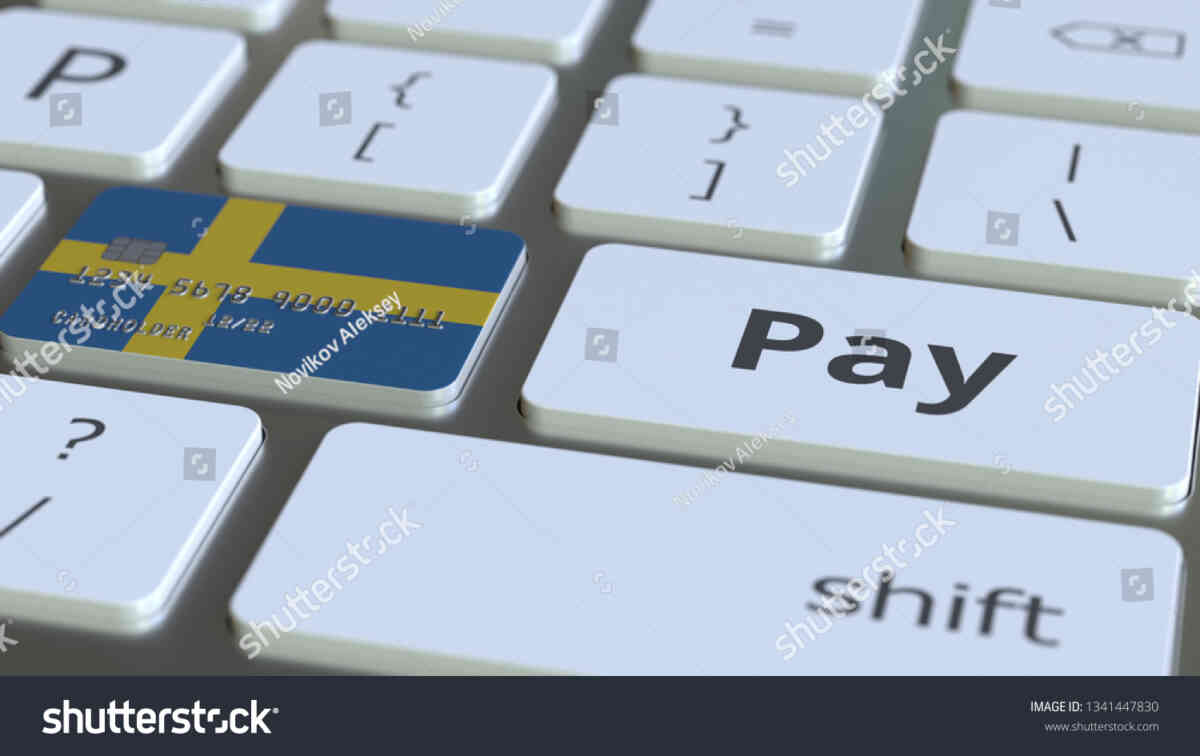
5. Payments: Swish, BNPL & Invisible Checkout
Payments are the backbone of Swedish social commerce.
Dominant payment methods:
-
Swish (still king)
-
Card payments
-
Klarna (BNPL)
-
Platform wallets
In 2026:
-
Payment authentication is invisible
-
Checkout takes seconds
-
Abandonment drops sharply
If payment feels “heavy,” Swedes simply leave.
6. High-Value Categories Winning in Swedish Social Commerce
Not all products work equally well.
Top-performing categories:
-
Beauty & skincare
-
Home & design
-
Sustainable fashion
-
Electronics accessories
-
Fitness & wellness tools
-
Educational products
-
Subscription services
High-ticket items convert when:
-
Explained by creators
-
Demonstrated visually
-
Backed by trust
Sweden’s social commerce is considered, not chaotic.
7. Creators as the New Storefronts
By 2026, Swedish creators outperform traditional product pages.
Why?
-
They contextualize products
-
They filter choices
-
They add social proof
-
They reduce decision anxiety
Creators act as:
-
Curators
-
Educators
-
Brand translators
For brands, this means:
The creator is the conversion funnel.
8. AI-Powered Social Commerce Optimization
AI quietly runs the backend.
AI is used for:
-
Product matching
-
Dynamic pricing
-
Inventory forecasting
-
Fraud detection
-
Content-to-product pairing
-
Conversion modeling without cookies
In Sweden, AI is trusted when invisible and compliant.
9. Privacy, Consent & Regulation in Social Commerce
Sweden’s strict regulation actually accelerates social commerce.
Why?
-
Platforms handle compliance centrally
-
Brands avoid legal complexity
-
Consumers feel protected
In 2026:
-
Consent is platform-managed
-
Tracking is aggregated
-
Personal data exposure is minimal
Ironically, less data = more trust = more sales.
10. What Traditional E-Commerce Loses in 2026
Standalone webshops face growing pressure.
Challenges:
-
Rising ad costs
-
Lower conversion rates
-
Payment friction
-
Trust gaps
-
Mobile UX fatigue
Websites don’t disappear —
but they become:
-
Brand hubs
-
Support centers
-
Logistics backends
Not primary sales engines.
11. How Swedish Brands Win Without Owning the Checkout
Successful brands in 2026:
-
Let platforms handle checkout
-
Focus on storytelling & product quality
-
Invest in creator relationships
-
Use websites for depth, not conversion
Control is traded for:
Speed, trust, and scale
And in Sweden, that trade makes sense.
12. Sweden as Europe’s Social Commerce Blueprint
Sweden shows what happens when:
-
Payments are frictionless
-
Regulation is clear
-
Consumers are educated
-
Platforms are trusted
Other EU markets are catching up —
but Sweden is already operating post-website.
Conclusion: Commerce Moves Where Trust Lives
In 2026, Swedish consumers don’t ask:
“Which website should I trust?”
They ask:
“Who showed me this — and where can I buy it instantly?”
Social platforms answer both.
The future of commerce in Sweden is:
-
Embedded
-
Frictionless
-
Creator-led
-
Platform-native
And the website?
It’s no longer the hero of the story.