erica lauren
In 2026, green energy and climate technology are no longer emerging sectors in Australia — they are foundational economic engines. What was once framed as environmental responsibility has become a strategic, policy-backed profit machine, reshaping how Australian businesses operate, invest, and compete.
The Australian economy is undergoing one of its most profound transformations since the mining boom. But this time, the growth driver is not coal, gas, or iron ore alone — it is renewable energy, climate intelligence, and sustainability infrastructure.
This article explores how green energy and climate tech businesses in Australia are evolving in 2026, why government policy is accelerating profitability rather than restricting it, where the highest-margin opportunities exist, and how businesses are building long-term competitive advantages at the intersection of regulation, capital, and innovation.
1. The Climate Economy Becomes the Real Economy
By 2026, Australia no longer treats climate change as a future risk — it treats it as a present economic variable.
Three irreversible shifts define this moment:
-
Climate risk is financial risk
-
Sustainability is measurable, reportable, and auditable
-
Energy transition is a competitive necessity
These shifts move climate considerations from corporate social responsibility into core business strategy.
From Ideology to Infrastructure
In earlier years, sustainability initiatives lived in marketing departments. In 2026, they live in:
-
Finance
-
Operations
-
Supply chain
-
Risk management
-
Boardrooms
Green energy and climate tech are no longer “nice to have” — they are operational infrastructure.
2. Why Australia Is Uniquely Positioned to Win the Green Economy
Australia enters the climate tech era with structural advantages few nations can match.
2.1 Natural Resource Superiority
Australia has:
-
Some of the world’s highest solar irradiation
-
Vast land suitable for renewable projects
-
World-class wind corridors
-
Critical minerals essential for batteries and energy storage
These natural advantages translate directly into lower production costs and export competitiveness.
2.2 Geographic & Trade Positioning
Australia’s proximity to Asia positions it as a:
-
Renewable energy exporter
-
Hydrogen supplier
-
Climate solution partner
As Asian economies decarbonise, Australia becomes a clean energy supplier of choice.
3. Policy Certainty: The Profit Catalyst
Contrary to popular belief, regulation does not kill innovation in climate markets — uncertainty does.
By 2026, Australia offers:
-
Clear renewable energy targets
-
Mandatory climate disclosures
-
Defined carbon market mechanisms
-
Public-private investment alignment
This policy clarity reduces risk, unlocks capital, and accelerates business formation.
The Regulation Advantage
Policy creates:
-
Guaranteed demand
-
Long-term contracts
-
Predictable revenue streams
-
Lower cost of capital
For businesses, this transforms sustainability from a cost centre into a revenue engine.
4. Renewable Energy Businesses Dominating in 2026
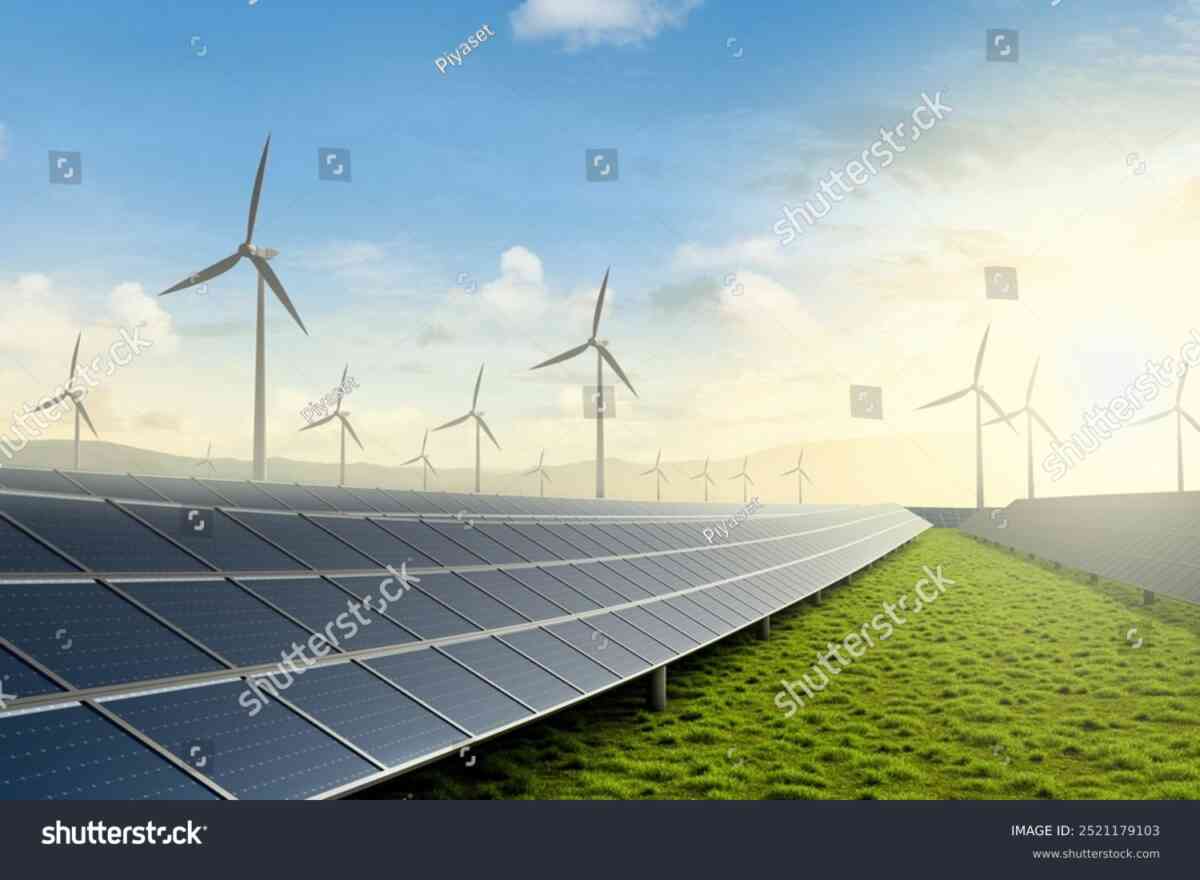
4.1 Solar Energy: Beyond Panels
Solar remains the backbone of Australia’s clean energy transition, but the real profits are no longer in installation alone.
High-Margin Solar Business Models:
-
Commercial solar asset management
-
Solar financing and leasing platforms
-
Performance optimisation software
-
Grid integration services
By 2026, solar businesses that treat energy as a financial asset outperform traditional installers by wide margins.
4.2 Battery Storage & Energy Arbitrage
Energy storage is where renewable economics truly unlock.
As renewable penetration rises, energy markets become volatile. Batteries stabilise the grid — and volatility creates profit opportunities.
Key Growth Areas:
-
Utility-scale battery farms
-
Commercial energy storage
-
Virtual power plants (VPPs)
-
AI-driven energy trading platforms
Battery-backed businesses benefit from:
-
Capacity payments
-
Arbitrage revenue
-
Government incentives
-
Long-term contracts
4.3 Wind, Offshore Energy & Hybrid Systems
Wind energy continues to scale, particularly offshore, where projects are larger, more consistent, and capital-intensive.
Hybrid projects combining:
-
Wind
-
Solar
-
Storage
…deliver reliability and predictable returns.
Climate tech firms providing software, forecasting, maintenance analytics, and grid optimisation capture the highest margins in this ecosystem.
5. Climate Tech Software: Where the Real Money Is Made
Infrastructure grabs headlines.
Software captures profit.
By 2026, climate tech software becomes one of Australia’s most valuable SaaS categories.
5.1 Carbon Accounting & ESG Reporting Platforms
Carbon measurement is no longer optional.
Mandatory climate disclosures force companies to:
-
Measure emissions accurately
-
Track supply chain impact
-
Produce audit-ready ESG reports
Manual spreadsheets collapse under this complexity.
High-Demand Software Solutions:
-
Automated carbon accounting
-
Scope 1, 2, and 3 emissions tracking
-
Supplier emissions mapping
-
ESG compliance dashboards
These platforms enjoy:
-
Recurring subscriptions
-
Regulatory lock-in
-
Extremely high switching costs
5.2 Climate Risk Analytics for Finance & Insurance
Banks, insurers, and investors must model climate exposure.
Climate risk platforms enable:
-
Loan pricing adjustments
-
Asset risk scoring
-
Stress testing portfolios
-
Regulatory compliance
This creates one of the highest-CPC B2B software markets in Australia.
6. Carbon Markets, Credits & Climate Finance
By 2026, carbon markets in Australia mature into a financial ecosystem, not a niche offset mechanism.
Key Business Models
-
Carbon credit verification platforms
-
Digital carbon marketplaces
-
AI-based offset validation
-
Climate-focused asset managers
Carbon becomes:
-
Tradable
-
Auditable
-
Financialised
Businesses operating at the intersection of carbon + finance + compliance enjoy premium valuations and advertiser demand.
7. Hydrogen & Australia’s Export-Led Energy Strategy
Hydrogen emerges as a strategic export, not a speculative technology.
Why Hydrogen Matters
-
Decarbonises heavy industry
-
Enables renewable energy exports
-
Supports national energy security
Climate tech companies enabling hydrogen through:
-
Infrastructure monitoring
-
Supply chain software
-
Safety compliance platforms
…position themselves for decade-long growth cycles.
8. Corporate Sustainability: From Branding to Balance Sheets
Greenwashing dies in 2026.
Investors, regulators, and consumers demand evidence, not promises.
New Corporate Spending Priorities
-
Emissions reduction technologies
-
Supplier decarbonisation platforms
-
Sustainability analytics
-
Climate audit automation
Sustainability performance directly impacts:
-
Valuations
-
Cost of capital
-
Insurance premiums
-
Market access
Climate tech becomes a board-level investment category.
9. Investment, M&A & Valuation Trends
What Investors Want in 2026
-
Policy-aligned business models
-
Infrastructure compatibility
-
Measurable impact
-
Long-term demand certainty
Superannuation funds, private equity, and sovereign investors aggressively allocate capital to climate-aligned assets.
Valuation Premiums
Climate tech businesses enjoy:
-
Lower perceived risk
-
Higher EBITDA multiples
-
Longer investment horizons
Sustainability is no longer a trade-off — it is a valuation multiplier.
10. Where Climate Tech Businesses Fail
Despite tailwinds, not all businesses succeed.
Common Mistakes
-
Overdependence on subsidies
-
Weak unit economics
-
Ignoring grid and regulatory complexity
-
Treating ESG as marketing instead of infrastructure
The most resilient companies build policy-aware but commercially independent models.
11. The 2026 Climate Tech Business Playbook
Step 1: Solve a Mandatory Problem
If regulation forces action, budgets follow.
Step 2: Monetise Measurement
What must be measured must be bought.
Step 3: Build Recurring Revenue
Subscriptions beat project-based income.
Step 4: Design for Export
Climate challenges are global — build scalable solutions.
12. The Decade Ahead: Beyond 2026
Looking forward:
-
Energy markets become software-driven
-
Climate disclosure becomes standardised
-
Sustainability integrates into every financial decision
Australia transitions from resource exporter to climate solution superpower.
Conclusion
In 2026, green energy and climate tech businesses in Australia represent the rare alignment of policy certainty, investor appetite, and long-term demand.
These businesses benefit from:
-
Structural regulatory tailwinds
-
Massive capital inflows
-
Enterprise-grade demand
-
Global export opportunities
The biggest winners are not the loudest brands — they are the quiet infrastructure providers, data platforms, and compliance systems powering the clean economy behind the scenes.
For Australian businesses, climate alignment is no longer about ethics.
It is about profitability, resilience, and survival.