Kelly stewart
Introduction: Why Classic Vespas Are Quietly Becoming a Macro-Driven Investment Asset
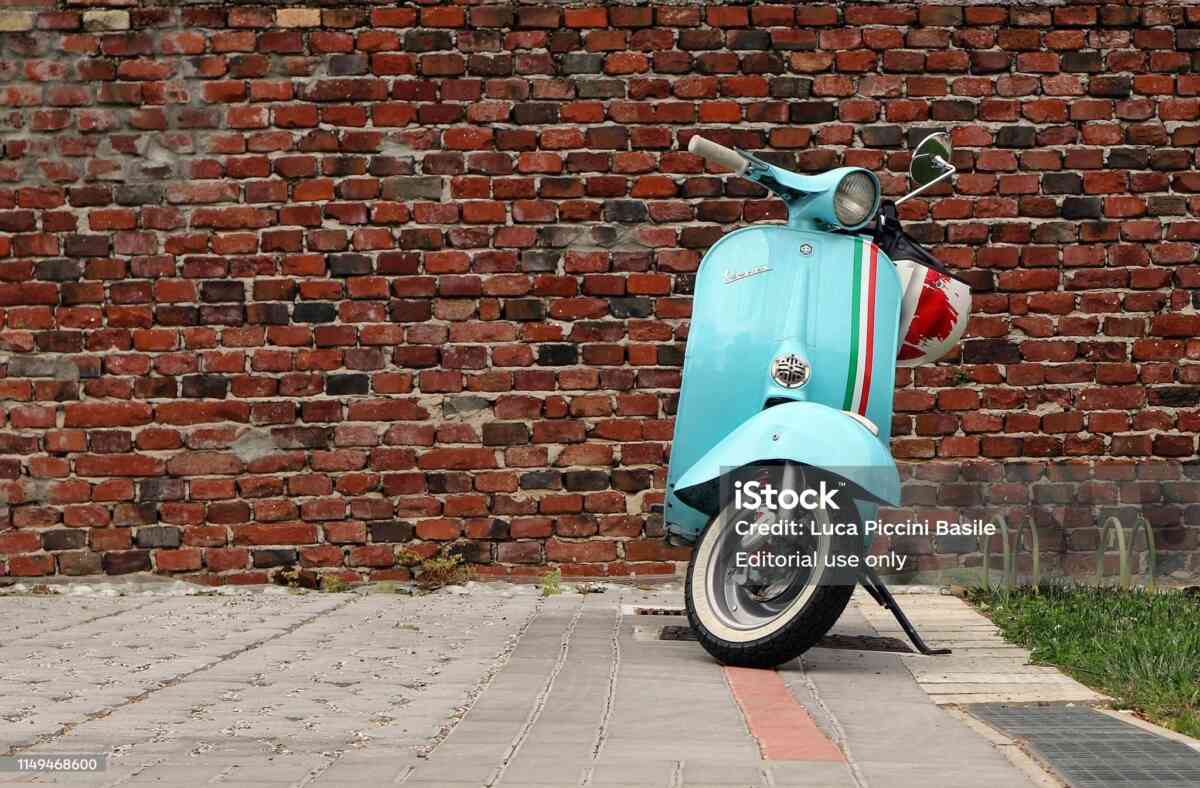
In 2026, classic Vespa scooters are no longer sitting on the fringe of the collectible vehicle market. What was once dismissed as a nostalgic European curiosity has evolved into a macro-sensitive alternative asset benefiting from inflation pressure, urban mobility shifts, and the unintended consequences of electric vehicle (EV) policy.
Across the United States, investors are reassessing what “real value” means in a world of volatile equities, elevated interest rates, expensive housing, and rapidly changing transportation rules. In this environment, small, tangible, culturally iconic assets are gaining renewed attention — and classic Vespas sit squarely in that category.
This article explains why inflation, urban mobility trends, and EV adoption are structurally bullish for classic Vespa values in 2026, how these forces interact, and why U.S. investors are increasingly treating vintage Italian scooters as portable stores of value with lifestyle upside.
Part I: Inflation Is Rewriting the Rules of Collectible Investing
Inflation Changes What Investors Trust
Inflation does more than raise prices — it erodes confidence in purely financial abstractions. By 2026, American investors have experienced multiple cycles of:
-
Rising consumer prices
-
Higher borrowing costs
-
Insurance inflation
-
Increased taxes and regulatory costs
As a result, capital is slowly migrating toward hard assets with intrinsic scarcity, especially those that do not require leverage or ongoing income to justify ownership.
Classic Vespas thrive in this environment because they are:
-
Finite in supply
-
Mechanically simple
-
Globally recognizable
-
Affordable relative to classic cars
Unlike speculative assets, they do not rely on future innovation or cash flows. Their value is rooted in design, history, and cultural permanence.
Why “Micro-Assets” Are Outperforming Large Collectibles
One of the defining trends of the 2020s is the rise of micro-collectibles — assets that retain the characteristics of classic investments without the burdens.
Compared to classic cars, yachts, or real estate, Vespas offer:
-
Low storage costs
-
Minimal insurance expenses
-
Easy transportation
-
Faster liquidity
Inflation amplifies these advantages. When costs rise everywhere, assets with low carrying friction outperform.
Part II: Urban Mobility Is Creating a New Class of Vehicle Demand
American Cities Are No Longer Car-First by Default
While the U.S. remains car-centric, 2026 marks a meaningful shift in urban behavior:
-
Congestion pricing
-
Reduced parking availability
-
Expansion of bike and scooter lanes
-
Increased urban density
Cities like New York, Los Angeles, San Francisco, Miami, Austin, and Chicago are gradually becoming less compatible with large vehicles and more supportive of compact mobility.
Classic Vespas are perfectly aligned with this trend:
-
Narrow footprint
-
Easy parking
-
Low-speed urban usability
They are not highway machines — they are city instruments.
The Rise of “Lifestyle Mobility”
Urban mobility is no longer just about transportation. It is about:
-
Identity
-
Sustainability signaling
-
Design expression
A classic Vespa communicates:
-
Taste
-
Cultural literacy
-
Independence from mass consumerism
This signaling effect matters. Assets tied to identity hold value longer because demand is emotional as well as functional.
Part III: EV Adoption Is Increasing Scarcity, Not Reducing Value
Why EV Growth Benefits Classic Internal Combustion Vehicles
At first glance, EV policy appears hostile to gasoline vehicles. In practice, it has created a two-tier market:
-
Regulated, disposable daily transportation
-
Exempt, cherished mechanical icons
Classic Vespas fall squarely into the second category.
As EVs dominate:
-
Sound disappears
-
Mechanical feedback vanishes
-
Vehicles become software products
This makes analog machines feel rarer, more authentic, and more desirable.
Internal Combustion as a Luxury Experience
By 2026, internal combustion is no longer “normal” — it is special.
Classic Vespas:
-
Are rarely daily drivers
-
Operate under historic exemptions
-
Are preserved rather than consumed
They increasingly resemble:
-
Mechanical watches
-
Vintage cameras
-
Analog audio equipment
Scarcity plus sensory experience equals premium valuation.
Part IV: Regulation in the U.S. Actually Protects Classic Vespas
Antique and Historic Vehicle Protections
Most U.S. jurisdictions:
-
Exempt antique vehicles from emissions testing
-
Allow special registration categories
-
Protect historically significant machines
These protections create a regulatory moat around classic Vespas.
They are not competing with EVs — they exist in a parallel legal universe.
Urban Restrictions Can Increase Demand
Congestion charges and emissions zones:
-
Penalize large, modern vehicles
-
Increase ownership costs
-
Reduce casual car use
Ironically, this increases the relative appeal of:
-
Small vehicles
-
Weekend classics
-
Lightweight mobility icons
In cities, size becomes value.
Part V: Supply Constraints Are Permanent, Not Cyclical
The Fixed Supply Problem
No new classic Vespas will ever be made.
Each year:
-
Accidents reduce supply
-
Poor restorations erase originality
-
Parts scarcity limits resurrection
At the same time:
-
Global demand is rising
-
Younger collectors are entering the market
This is structural scarcity — not a trend, but a permanent condition.
Restoration Inflation Raises Price Floors
Inflation has sharply increased:
-
Skilled labor costs
-
Original parts pricing
-
International shipping fees
As restoration becomes more expensive, already-correct examples gain value faster, because replacement becomes uneconomical.
Part VI: Who Is Driving Demand in 2026?
The Modern Vespa Investor Profile
The 2026 Vespa buyer is typically:
-
30–55 years old
-
Urban or suburban
-
Design-literate
-
Financially diversified
They may not ride daily, but they value:
-
Capital preservation
-
Lifestyle utility
-
Tangible ownership
Classic Vespas sit comfortably between investment and enjoyment.
Generational Collecting Shifts
Younger investors prefer:
-
Objects under $50,000
-
Assets that fit urban living
-
Shareable, story-driven collectibles
Classic Vespas outperform large vehicles on all counts.
Part VII: Vespa Performance vs Other Alternative Assets
Vespa vs Classic Cars
Classic Vespas offer:
-
Lower entry cost
-
Faster liquidity
-
Lower downside risk
While classic cars dominate auction headlines, Vespas dominate private, lifestyle-driven transactions.
Vespa vs Watches, Art, and Wine
Unlike passive collectibles, Vespas:
-
Can be used
-
Can be displayed publicly
-
Combine function and form
They occupy a rare hybrid asset class.
Part VIII: Investment Risks to Understand
Classic Vespa investing is not risk-free.
Key risks include:
-
Overpaying for poor restorations
-
Buying late-production models
-
Assuming uniform appreciation
In 2026, selectivity matters more than ever.
Strategic Investor Guidance for 2026
What Tends to Appreciate Best
-
Early production models
-
Original paint and parts
-
Documented provenance
-
Period-correct configurations
What to Avoid
-
Over-modified scooters
-
Reproduction frames
-
Mass-market late models
Long-Term Outlook: 2026–2035
Macro trends suggest:
-
Continued urban densification
-
Persistent inflation sensitivity
-
Increased nostalgia for mechanical mobility
-
Strong global demand for Italian design
Classic Vespas are positioned to benefit from all four.
Conclusion: Why Classic Vespas Are Macro Winners in 2026
Inflation is changing how Americans store value.
Urban mobility is redefining transportation.
EV adoption is elevating mechanical history.
Classic Vespas sit at the intersection of all three.
They are scarce, beautiful, usable, and emotionally powerful — exactly the traits investors seek in uncertain times.
In 2026, classic Vespas are no longer just symbols of the past.
They are quietly becoming assets of the future.