Kelly stewart
Introduction: The Single Most Important Question in Classic Vespa Investing
In 2026, no question divides classic Vespa investors more sharply than this:
Should you buy a fully restored Vespa — or an original, unrestored example?
For beginners, the answer feels obvious. Restored Vespas are shiny, reliable, and ready to ride. Original Vespas often look worn, imperfect, and mechanically fragile. Yet in the investment world, appearances can be dangerously misleading.
This article explains how restored and original Vespas actually perform as investments in 2026, why originality is increasingly rewarded in the U.S. market, when restoration makes financial sense, and how investors can avoid the most expensive mistake in the classic scooter world.
Part I: Why This Question Matters More in 2026 Than Ever Before
The Market Has Matured
Ten years ago, most buyers simply wanted a usable scooter. Today, the market is far more sophisticated.
By 2026:
-
Collectors care deeply about provenance
-
Investors track originality premiums
-
Buyers distinguish between cosmetic and structural restoration
This maturity has created clear pricing tiers, and understanding them is critical.
Restoration Inflation Is Changing the Math
Restoration costs have surged due to:
-
Skilled labor shortages
-
Rising parts prices
-
Increased shipping and compliance costs
As restoration becomes more expensive, mistakes are punished more harshly. A bad restoration is no longer just unfortunate — it can permanently cap an asset’s value.
Part II: What “Original” Really Means in Vespa Investing
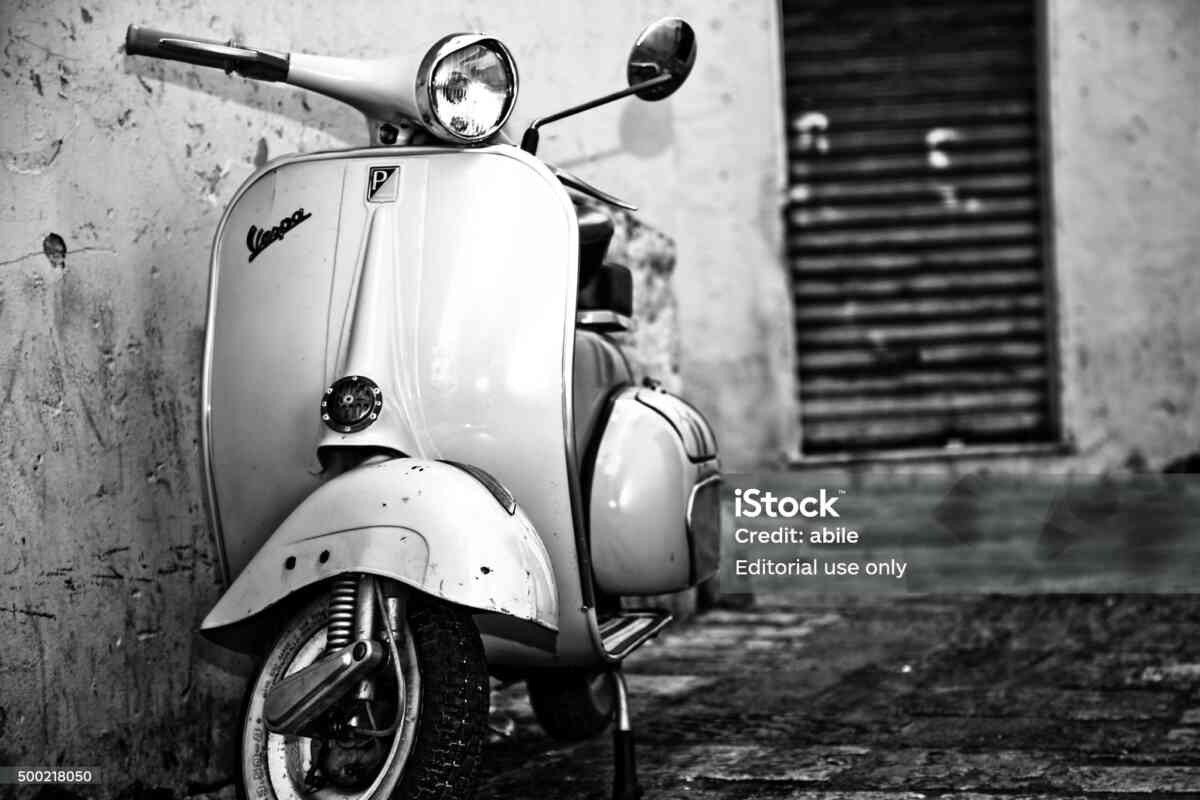
Original Does Not Mean Perfect
An original Vespa typically shows:
-
Patina
-
Wear marks
-
Minor mechanical updates
But it retains:
-
Factory paint or finishes
-
Matching engine and frame numbers
-
Period-correct components
In 2026, patina is increasingly viewed as evidence of authenticity, not neglect.
Why Originality Is So Highly Valued
Original Vespas:
-
Provide historical certainty
-
Are impossible to replicate
-
Attract high-end collectors
Once originality is lost, it can never be fully restored.
Part III: The Reality of Fully Restored Vespas
What Restoration Usually Includes
A full restoration often involves:
-
Frame stripping and repainting
-
Engine rebuilds
-
Replacement of rubber, cables, and wiring
-
Reproduction parts
While this improves usability, it also resets historical context.
The Illusion of Value in Cosmetic Restoration
Glossy paint can hide:
-
Rust
-
Frame damage
-
Non-original modifications
In 2026, sophisticated buyers look past shine.
Part IV: Performance Comparison — Original vs Restored
Appreciation Trends
Original Vespas:
-
Appreciate steadily
-
Outperform during market corrections
-
Attract global demand
Restored Vespas:
-
Often plateau after restoration
-
Compete with newer restorations
-
Are sensitive to restoration quality
Liquidity Differences
Original examples:
-
Sell faster to collectors
-
Command stronger negotiation positions
Restored scooters:
-
Appeal to riders
-
Face more price resistance
Part V: When Restoration Actually Makes Financial Sense
Rescue Cases
Restoration is justified when:
-
A Vespa would otherwise be scrapped
-
Structural integrity is compromised
-
Rare models are involved
In these cases, restoration creates value that did not exist.
Period-Correct, Documented Restorations
High-quality restorations can perform well when:
-
Original specs are preserved
-
Period-correct materials are used
-
Documentation is complete
These restorations behave more like conserved originals.
Part VI: The Hidden Risks of Restored Vespas
Over-Restoration
Common mistakes include:
-
Modern color choices
-
Non-period accessories
-
Excessive polishing
These changes may look attractive but reduce collector appeal.
Parts Authenticity Issues
Reproduction parts vary widely in quality and correctness. Incorrect components quietly erode value.
Part VII: What U.S. Buyers Prefer in 2026
Investor Demand vs Rider Demand
Investors prioritize:
-
Original paint
-
Matching numbers
-
Provenance
Riders prioritize:
-
Reliability
-
Safety upgrades
-
Visual appeal
Understanding which buyer you are targeting is crucial.
Regional Preferences
Urban U.S. markets increasingly favor originality, while suburban buyers often accept tasteful restorations.
Part VIII: Price Premiums Explained
Originality Premium
Original Vespas often command:
-
20–50% premiums
-
Faster sales
-
Better long-term appreciation
Restoration Discount
Poor restorations can:
-
Cap resale value
-
Reduce buyer pools
-
Increase time-on-market
Part IX: How Beginners Should Decide
Decision Framework
Ask yourself:
-
Is this a ride-first or investment-first asset?
-
Is originality verifiable?
-
Will restoration costs be recoverable?
If unsure, buy originality.
Hybrid Strategy for Beginners
Some investors buy:
-
Original scooters
-
Perform only mechanical preservation
-
Avoid cosmetic restoration
This protects both usability and value.
Long-Term Outlook: 2026–2035
Trends suggest:
-
Increasing originality premiums
-
Higher penalties for incorrect restorations
-
Strong global demand for unrestored examples
The market is moving toward conservation over transformation.
Conclusion: The Investment Answer Is Clear
In 2026, the data is increasingly clear:
-
Original Vespas outperform restored ones as investments
-
Restoration only adds value when done with extreme care
-
Shiny does not equal valuable
For investors, originality is not a preference — it is a financial strategy.
The best Vespa investments are not the prettiest ones.
They are the most honest.