cindy adams
Introduction
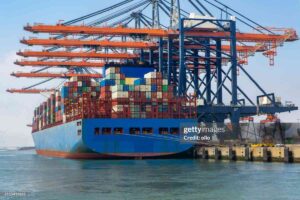
The global trade and shipping industry is undergoing a profound transformation driven by geopolitical instability, particularly the ongoing tensions involving Iran, the United States, and Israel. While immediate disruptions—such as delayed shipments, rising freight costs, and maritime security risks—have already shaken the industry, the long-term consequences are far more significant and enduring.
Global shipping, which facilitates over 80% of international trade, is highly sensitive to geopolitical risks. When major trade routes are threatened, the ripple effects extend beyond logistics, impacting global supply chains, economic growth, and business strategies.
This article explores the long-term impact of geopolitical conflict on global trade and shipping, analyzing structural changes, economic consequences, and the future of international logistics.
1. Transformation of Global Trade Routes
1.1 Decline of Traditional Shipping Corridors
Historically, global trade has relied heavily on strategic maritime routes such as:
- The Strait of Hormuz
- The Suez Canal
- The Bab el-Mandeb Strait
These routes are critical for connecting Asia, Europe, and the Middle East. However, prolonged geopolitical instability has reduced their reliability.
Over time, shipping companies may permanently shift away from these high-risk corridors, reducing their dominance in global trade.
1.2 Emergence of Alternative Routes
As traditional routes become volatile, alternative shipping paths are gaining importance:
- Routes around the Cape of Good Hope (Africa)
- Expansion of Arctic shipping routes (seasonal)
- Increased reliance on transcontinental rail networks
These alternatives, while longer or more complex, offer greater security and predictability.
1.3 Regional Trade Corridors
Regional trade is becoming more prominent:
- Asia-to-Asia trade routes expanding
- Europe focusing on intra-regional logistics
- Middle East diversifying trade partnerships
This shift signals a move away from a fully globalized trade model.
2. Rise of Regionalization and De-Globalization
2.1 From Globalization to Regionalization
For decades, globalization has driven supply chains across continents. However, rising geopolitical risks are pushing businesses toward regionalization.
Companies are:
- Sourcing materials closer to production sites
- Reducing dependency on long-distance shipping
- Building regional supply hubs
2.2 Nearshoring and Reshoring
Businesses are increasingly adopting:
- Nearshoring: relocating production closer to target markets
- Reshoring: bringing manufacturing back to home countries
These strategies reduce exposure to global shipping disruptions but may increase production costs.
2.3 Impact on Emerging Economies
Countries that rely heavily on export-driven growth may face challenges:
- Reduced global demand
- Shifts in manufacturing hubs
- Increased competition for regional dominance
3. Structural Changes in the Shipping Industry
3.1 Fleet and Capacity Adjustments
Shipping companies are adapting their fleets:
- Investing in smaller, flexible vessels
- Reducing reliance on mega-ships
- Enhancing route adaptability
3.2 Strategic Alliances and Partnerships
To manage risks, companies are forming alliances:
- Shared shipping routes
- Joint logistics operations
- Risk-sharing agreements
These collaborations improve resilience but may reduce competition.
3.3 Consolidation in the Industry
Smaller shipping companies may struggle to survive rising costs and risks, leading to:
- Mergers and acquisitions
- Industry consolidation
- Increased dominance of large players
4. Technological Transformation in Shipping
4.1 Digital Supply Chains
Technology is becoming essential for managing complex logistics:
- Real-time tracking systems
- AI-driven route optimization
- Predictive risk analytics
4.2 Automation and Smart Shipping
Automation is transforming operations:
- Autonomous vessels (in development)
- Automated ports
- Digital documentation systems
4.3 Cybersecurity Challenges
As shipping becomes more digital, cybersecurity risks increase:
- Potential cyberattacks on logistics systems
- Data breaches
- Operational disruptions
5. Economic Impact on Global Trade
5.1 Rising Cost of Goods
Higher shipping costs translate into:
- Increased product prices
- Reduced consumer purchasing power
- Inflationary pressure
5.2 Slower Trade Growth
Global trade growth may slow due to:
- Reduced efficiency
- Higher costs
- Increased uncertainty
5.3 Impact on Global GDP
Trade disruptions can affect economic growth:
- Reduced export revenues
- Lower industrial output
- Decreased investment
6. Supply Chain Resilience and Adaptation
6.1 Diversification Strategies
Companies are diversifying supply chains:
- Multiple suppliers
- Alternative logistics routes
- Inventory buffering
6.2 Inventory Management Changes
The “just-in-time” model is evolving into:
- “Just-in-case” inventory systems
- Increased stock levels
- Higher warehousing costs
6.3 Risk Management Integration
Risk management is becoming central to supply chain strategy:
- Scenario planning
- Crisis response frameworks
- Continuous monitoring
7. Environmental and Sustainability Implications
7.1 Increased Carbon Emissions
Rerouting ships leads to:
- Longer travel distances
- Higher fuel consumption
- Increased greenhouse gas emissions
7.2 Pressure on Green Shipping Initiatives
The crisis may delay sustainability goals:
- Reduced investment in green technologies
- Focus on cost-saving over environmental impact
7.3 Regulatory Responses
Governments may introduce:
- Stricter emissions regulations
- Incentives for sustainable shipping
- International environmental agreements
8. Geopolitical Influence on Trade Policies
8.1 Trade Restrictions and Sanctions
Geopolitical conflicts often lead to:
- Sanctions on specific countries
- Trade restrictions
- Tariff increases
8.2 Strategic Trade Alliances
Countries are forming new alliances:
- Regional trade agreements
- Bilateral partnerships
- Economic blocs
8.3 Shift in Global Power Dynamics
Control over trade routes influences global power:
- Emerging powers gaining influence
- Traditional powers facing challenges
- Increased geopolitical competition
9. Impact on Key Industries
9.1 Energy Sector
- Disrupted oil and gas shipments
- Increased energy prices
- Supply instability
9.2 Manufacturing
- Delayed raw materials
- Production inefficiencies
- Increased costs
9.3 Retail and E-commerce
- Longer delivery times
- Higher shipping costs
- Inventory challenges
9.4 Agriculture
- Fertilizer and food supply disruptions
- Price volatility
- Food security concerns
10. Future Outlook for Global Shipping
10.1 Increased Resilience
The industry will likely become more resilient:
- Diversified routes
- Advanced technology
- Stronger risk management
10.2 Continued Uncertainty
Geopolitical risks will remain a constant factor:
- Ongoing conflicts
- Trade tensions
- Economic volatility
10.3 Innovation and Transformation
The crisis may drive innovation:
- New shipping technologies
- Improved logistics systems
- Sustainable practices
Conclusion
The long-term impact of geopolitical conflict on global trade and shipping is profound and far-reaching. What began as a regional crisis has evolved into a catalyst for structural change across the global economy.
Shipping routes are being redefined, supply chains are becoming more localized, and businesses are rethinking their strategies to adapt to a more uncertain world. While challenges remain significant, the industry also has an opportunity to evolve, innovate, and build greater resilience.
The future of global trade will not simply return to its previous state—it will emerge transformed, shaped by the lessons and disruptions of this critical period.

