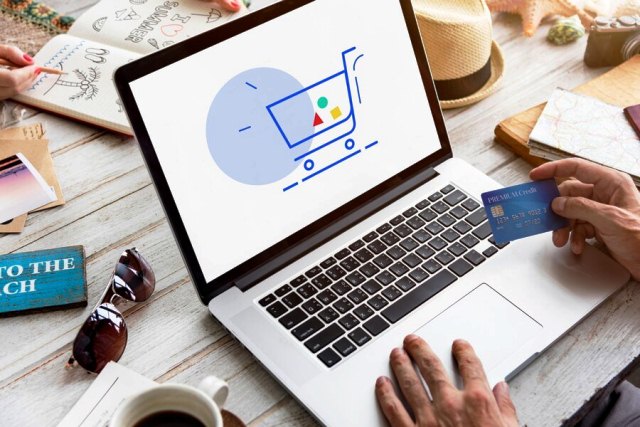
Marketplace Platform: Everything You Need to Know 🛍️🚀
A Marketplace Platform is an e-commerce website or app where multiple sellers list their products, and customers can browse, compare, and purchase from different vendors in one place. Think Amazon, eBay, Etsy, and Alibaba.
If you’re considering starting a marketplace platform, here’s everything you need to know:
1. Types of Marketplace Platforms 🏪
🔹 B2C (Business-to-Consumer)
- Example: Amazon, eBay, Walmart Marketplace
- Businesses sell directly to consumers.
🔹 B2B (Business-to-Business)
- Example: Alibaba, ThomasNet
- Businesses sell bulk products to other businesses.
🔹 C2C (Consumer-to-Consumer)
- Example: eBay, Facebook Marketplace, Poshmark
- Individuals sell to other individuals.
💡 Choosing your niche is critical! Will you focus on fashion, beauty, handmade products, or digital goods?
2. Key Features of a Successful Marketplace
✅ Multi-Vendor System – Allow multiple sellers to list products.
✅ Secure Payment Gateway – Stripe, PayPal, or custom checkout.
✅ User-Friendly Interface – Simple navigation & mobile-friendly design.
✅ Review & Rating System – Builds trust for buyers.
✅ Order Tracking & Logistics – Integrate shipping solutions.
✅ Marketing & SEO Tools – Help vendors attract more customers.
💡 Want a ready-made marketplace solution? Use Shopify Plus, Magento, or Sharetribe.
3. Business Model: How to Make Money 💰
📌 How will you generate revenue from your marketplace?
1️⃣ Commission Model – Take a percentage from each sale (e.g., Etsy 5% per sale).
2️⃣ Subscription Model – Charge sellers a monthly fee to list products.
3️⃣ Listing Fees – Charge a fee per product listing (e.g., eBay).
4️⃣ Featured Listings & Ads – Let sellers pay for premium placement.
5️⃣ Transaction Fees – Charge a payment processing fee.
💡 Amazon & Etsy use a mix of commission + listing fees to maximize revenue!
4. Steps to Build a Marketplace Platform 🏗️
Step 1: Choose Your Business Model & Niche
- Will you sell beauty products, electronics, handmade goods, or digital services?
- B2B, B2C, or C2C?
Step 2: Choose a Marketplace Development Platform
✅ No-Code Solutions: Shopify Plus, WooCommerce, CS-Cart, Sharetribe
✅ Custom Development: Build from scratch using Laravel, React, Node.js
✅ SaaS Platforms: Mirakl, Marketplacer (For enterprise-level marketplaces)
💡 Want a cost-effective start? Use Shopify or Sharetribe for MVP development.
Step 3: Onboard Sellers & Add Products
- Recruit vendors in your niche.
- Offer free listing promotions to attract sellers.
Step 4: Set Up Payments & Logistics
- Use Stripe Connect or PayPal for Marketplaces for easy transactions.
- Integrate DHL, UPS, or ShipStation for automated shipping.
Step 5: Launch & Market Your Marketplace 🚀
- Use Paid Ads (Google, Facebook, Instagram, TikTok) to drive traffic.
- SEO Optimization – Rank for keywords like “best handmade beauty marketplace.”
- Referral & Loyalty Programs – Reward users for bringing more buyers & sellers.
5. Scaling & Growing Your Marketplace 📈
✅ Expand to International Markets 🌍 – Offer multi-currency & language support.
✅ Introduce Mobile App 📱 – Increase user retention & engagement.
✅ Add AI-Powered Recommendations 🤖 – Personalize product suggestions.
✅ Partner with Influencers & Brands 👩🎤 – Attract high-quality vendors.
💡 Amazon started as a bookstore before expanding—find your niche and scale gradually!
Best Marketplace Platforms & Software for Your Business 🛍️💻
Choosing the right marketplace platform depends on your business needs, budget, and scalability goals. Here’s a breakdown of the best platforms based on different use cases:
1. No-Code & Low-Code Marketplace Platforms (Fast & Easy to Launch) 🚀
✅ Best for: Startups, entrepreneurs, and small businesses who want a quick setup without coding.
🔹 Shopify Plus (Best for E-Commerce Marketplaces)
✔ Easy to use with multi-vendor apps (e.g., Webkul, Multi-Vendor Marketplace)
✔ Built-in payment gateway (Shopify Payments, Stripe, PayPal)
✔ Scalable with custom branding & marketing tools
💰 Pricing: Starts at $2,000/month for Shopify Plus
🔹 Sharetribe (Best for Service-Based Marketplaces)
✔ Ideal for renting, booking, or service-based marketplaces
✔ No coding required – fully customizable
✔ Supports subscription models, commission-based pricing
💰 Pricing: Starts at $99/month
🔹 CS-Cart Multi-Vendor (Best for Multi-Vendor E-Commerce Stores)
✔ One-time purchase option (Lifetime License)
✔ Built-in vendor management & order tracking
✔ SEO-friendly for organic growth
💰 Pricing: Starts at $1,450 (one-time)
💡 Best choice for a quick launch? Shopify Plus or Sharetribe
2. Open-Source & Customizable Platforms (For Full Control & Scalability) 🛠️
✅ Best for: Businesses that want to customize features & grow long-term.
🔹 Magento (Adobe Commerce) – Best for Large-Scale Marketplaces
✔ Fully customizable (requires developers)
✔ Strong SEO & marketing tools
✔ Handles large product catalogs & high traffic
💰 Pricing: Enterprise pricing starts at ~$22,000/year
🔹 WooCommerce + Dokan (Best for WordPress-Based Marketplaces)
✔ Ideal for businesses already using WordPress
✔ Low-cost & flexible
✔ Tons of plugins & extensions available
💰 Pricing: Starts at ~$500 for setup
🔹 OpenCart (Best Free Open-Source Option)
✔ Free to use with marketplace add-ons
✔ Lightweight & easy to manage
✔ Works well for small & medium businesses
💰 Pricing: Free (but add-ons cost extra)
💡 Best for custom development? Magento or WooCommerce
3. Enterprise Marketplace Platforms (For Large-Scale Businesses) 🏢
✅ Best for: Corporations, high-growth startups, and large brands.
🔹 Mirakl (Best for B2B & Enterprise Marketplaces)
✔ Used by big brands like Walmart, Best Buy, and Carrefour
✔ Handles complex logistics, supplier onboarding, and international sales
✔ AI-powered analytics & automation tools
💰 Pricing: Custom (Enterprise-level pricing)
🔹 Marketplacer (Best for Retail & Large-Scale Marketplaces)
✔ Enterprise-ready, used by Macy’s & MyDeal
✔ Supports B2B, B2C, and C2C marketplace models
✔ API integrations with ERP & CRM systems
💰 Pricing: Custom
💡 Best for corporate marketplaces? Mirakl or Marketplacer
4. SaaS Marketplace Platforms (For Quick Setup & Scaling) ☁️
✅ Best for: Businesses that want a cloud-based solution with minimal maintenance.
🔹 Arcadier (Best for Niche Marketplaces & Startups)
✔ Ready-to-launch with various templates (Retail, B2B, Services, Rentals)
✔ Multi-language & multi-currency support
✔ No coding needed
💰 Pricing: Starts at $79/month
🔹 Yo!Kart (Best for Multi-Vendor E-Commerce Marketplaces)
✔ Scalable for both startups & enterprises
✔ One-time payment model (Lifetime license available)
✔ Advanced vendor management system
💰 Pricing: Starts at $1,299 (one-time)
💡 Best for SaaS marketplaces? Arcadier or Yo!Kart
🔥 Best Picks Based on Your Needs
| Use Case | Best Platform | Pricing |
|---|---|---|
| Beginner-Friendly E-Commerce Marketplace | Shopify Plus + Webkul | $2,000/month |
| Service-Based Marketplace | Sharetribe | $99/month |
| Best Open-Source for Full Customization | Magento | $22,000+/year |
| Best for WordPress Users | WooCommerce + Dokan | ~$500 setup |
| Enterprise-Level Marketplace | Mirakl | Custom |
| Fastest SaaS Marketplace Setup | Arcadier | $79/month |
Custom Marketing & Scaling Strategy for Your Marketplace Business 🚀
If you want to launch, market, and scale your online marketplace successfully, you need a solid strategy that combines brand awareness, customer acquisition, and long-term growth tactics. Here’s a step-by-step guide to help you attract buyers & sellers, increase sales, and scale to 6-7 figures.
📌 Phase 1: Pre-Launch Strategy – Build Hype & Attract Vendors
Before launching, your main goal is to attract sellers to list their products/services on your marketplace. No products = no customers.
1️⃣ Find & Onboard the Right Sellers
🔹 Identify your target niche (Beauty, Fashion, Handmade Goods, Services, B2B, etc.)
🔹 Contact vendors on Instagram, TikTok, LinkedIn, Etsy, Amazon, Alibaba
🔹 Offer early access perks (0% commission for the first 3 months, free listing, exclusive exposure)
🔹 Use cold email outreach & DM strategy to onboard sellers
💡 Pro Tip: Create a “Founding Seller Program” – Give early vendors premium visibility on your site!
2️⃣ Build an Email List & Community Before Launch
✔ Create a landing page with a waitlist (Use ConvertKit, Mailchimp, or Carrd)
✔ Offer exclusive launch discounts or giveaways for early sign-ups
✔ Use Instagram & TikTok content to build excitement (Behind-the-scenes, Sneak peeks, Vendor showcases)
✔ Join Facebook Groups & Reddit Communities in your niche to connect with potential buyers & sellers
💡 Pro Tip: Launch a private Facebook group or Discord where early adopters engage with your brand!
📌 Phase 2: Launch & Customer Acquisition Strategy 🚀
Now that your marketplace is live, your focus is to drive traffic and convert visitors into buyers.
3️⃣ Paid Advertising Strategy (Facebook, Instagram, TikTok, Google Ads)
To get instant traffic & conversions, you need a smart paid ads strategy:
✔ Facebook & Instagram Ads (Target beauty, fashion, tech, or niche audiences)
✔ TikTok Ads (Showcase viral trends & how-to videos)
✔ Google Shopping Ads (Capture high-intent buyers searching for your products)
✔ Retargeting Ads (Bring back visitors who didn’t complete purchases)
💡 Best Ad Targeting Trick: Target audiences of competitor brands (Amazon, Etsy, Poshmark) using interest-based Facebook Ads!
4️⃣ Influencer & UGC Marketing (Low-Cost High-Impact Strategy)
Customers trust real people, so leverage User-Generated Content (UGC) & Influencers.
✔ Partner with micro-influencers (5K-50K followers) in your niche for authentic reviews
✔ Offer free products in exchange for video content & testimonials
✔ Use affiliate marketing – Give influencers a commission per sale
✔ Encourage customers to tag your brand in their social media posts
💡 Pro Tip: Use TikTok’s Creator Marketplace to find trending influencers easily!
5️⃣ SEO & Organic Traffic Strategy (Long-Term Growth)
SEO helps you rank on Google and get free traffic consistently.
✔ Optimize product pages & blog posts with SEO keywords
✔ Create how-to guides & tutorials (e.g., “Best Nail Care Kits 2024” or “Organic Perfume for Sensitive Skin”)
✔ List products on Google Shopping & Pinterest for extra traffic
✔ Partner with beauty & fashion bloggers to get backlinks
💡 Best Free SEO Tool? Use Ubersuggest or Google Keyword Planner to find trending keywords in your niche!
📌 Phase 3: Scaling to 6-7 Figures 📈🔥
Once you have steady sales, it’s time to scale your marketplace & expand globally.
6️⃣ Increase Customer Lifetime Value (LTV) with Email & SMS Marketing
✔ Automate emails for abandoned carts, welcome sequences, and product recommendations
✔ Use SMS marketing for flash sales & limited-time offers
✔ Launch a loyalty rewards program (Points for purchases, referrals, and reviews)
💡 Best Tools? Use Klaviyo for email & Postscript for SMS marketing!
7️⃣ Expand to New Markets & Sales Channels
✔ Sell on Amazon, Walmart, or Etsy (for multi-channel exposure)
✔ Introduce a mobile app (Increase retention & engagement)
✔ Offer international shipping & multi-currency checkout
✔ Run limited-time collabs with trending brands & influencers
💡 Pro Tip: Partner with local micro-influencers in new regions to enter international markets!
8️⃣ Automate & Optimize for Growth
✔ Use AI chatbots & virtual assistants to handle customer inquiries
✔ Automate inventory & order management (Use Zapier or ShipStation)
✔ Run A/B tests on ads & landing pages to improve conversion rates
💡 Best Analytics Tool? Use Google Analytics + Hotjar to track user behavior & optimize your marketplace!
🔥 Final Growth Plan: Your Roadmap to Success 🚀
| Growth Phase | Strategy | Key Action Steps |
|---|---|---|
| Pre-Launch | Build seller base & audience | Seller outreach, email list, community-building |
| Launch Phase | Paid ads & influencer marketing | Facebook, TikTok ads, UGC content |
| Growth Phase | SEO & Retention Marketing | Blog content, email automation, loyalty rewards |
| Scaling Phase | Expand internationally & automate | Multi-channel selling, mobile app, AI tools |
Custom Marketing & Scaling Strategy for Your Marketplace Business 🚀
To successfully market and scale your e-commerce marketplace, you need a combination of paid advertising, influencer marketing, organic growth, and automation. Here’s a tailored step-by-step strategy to help you acquire sellers and buyers, boost revenue, and scale to 6-7 figures.
📌 Phase 1: Pre-Launch – Build Demand & Attract Sellers
Before launching, you need sellers to list products on your marketplace. Here’s how to get them:
1️⃣ Identify & Onboard High-Quality Sellers
✅ Find vendors in your niche on Instagram, Etsy, Amazon, Alibaba
✅ Offer 0% commission for the first 3 months to attract them
✅ Run a “Founding Seller Program” (VIP perks for early adopters)
✅ Use LinkedIn & cold email outreach to approach suppliers
💡 Pro Tip: Offer sellers free promotions (e.g., featured listings) to get their products on your platform.
2️⃣ Create Hype & Build an Audience Before Launch
✅ Set up a landing page with a waitlist & exclusive discounts (Use ConvertKit, Mailchimp)
✅ Build an Instagram, TikTok, and YouTube channel around your niche
✅ Engage in Facebook Groups & Reddit forums to connect with early adopters
✅ Offer giveaways & referral rewards for pre-launch sign-ups
💡 Example: “Sign up now for early access & get 20% off your first order!”
📌 Phase 2: Launch & Customer Acquisition 🚀
Once you go live, driving traffic & converting visitors into buyers is your #1 priority.
3️⃣ Paid Advertising Strategy (Facebook, Instagram, TikTok, Google Ads)
To generate instant traffic & sales, invest in paid ads:
✔ Facebook & Instagram Ads – Target beauty, fashion, or tech shoppers
✔ TikTok Ads – Showcase viral trends & how-to videos
✔ Google Shopping Ads – Capture high-intent buyers
✔ Retargeting Ads – Bring back abandoned visitors
💡 Best Targeting Trick? Target people who follow competitor brands like Amazon, Etsy, or niche boutiques.
4️⃣ Influencer & User-Generated Content (UGC) Marketing
✔ Partner with micro-influencers (5K-50K followers) for authentic reviews
✔ Offer free products for content creation (Video testimonials, unboxings)
✔ Set up an affiliate program to pay influencers per sale
✔ Encourage customers to tag your brand for organic exposure
💡 Pro Tip: Use TikTok Creator Marketplace to find trending influencers!
5️⃣ SEO & Organic Traffic Growth Strategy
SEO helps drive free traffic from Google. Here’s how:
✔ Optimize product pages with high-ranking keywords
✔ Publish blog content (e.g., “Best Organic Beauty Brands in 2024”)
✔ List products on Google Shopping & Pinterest
✔ Get backlinks from beauty & fashion blogs
💡 Best Free SEO Tool? Use Ubersuggest or Google Keyword Planner to find trending search terms.
📌 Phase 3: Scaling to 6-7 Figures 📈🔥
Once you have steady sales, it’s time to scale & expand internationally.
6️⃣ Increase Customer Retention with Email & SMS Marketing
✔ Automate abandoned cart recovery emails
✔ Use SMS marketing for flash sales & exclusive offers
✔ Set up a loyalty rewards program (Earn points for referrals, purchases)
💡 Best Tools? Use Klaviyo for email & Postscript for SMS marketing!
7️⃣ Expand to New Markets & Sales Channels
✔ Sell on Amazon, Walmart, or Etsy for more visibility
✔ Introduce a mobile app to improve retention
✔ Offer international shipping & multi-currency checkout
💡 Pro Tip: Partner with local micro-influencers to break into new regions!
8️⃣ Automate & Optimize for Growth
✔ Use AI chatbots for 24/7 customer support
✔ Automate inventory & order management (Use Zapier or ShipStation)
✔ Run A/B tests on ads & landing pages to improve conversion rates
💡 Best Analytics Tool? Use Google Analytics + Hotjar to track user behavior.
🔥 Final Growth Plan: Your Roadmap to Success 🚀
| Growth Phase | Strategy | Key Action Steps |
|---|---|---|
| Pre-Launch | Build seller base & audience | Seller outreach, email list, social media hype |
| Launch Phase | Paid ads & influencer marketing | Facebook, TikTok ads, UGC content |
| Growth Phase | SEO & Retention Marketing | Blog content, email automation, loyalty programs |
| Scaling Phase | Expand globally & automate | Multi-channel selling, mobile app, AI tools |
Finding Investors & Funding Options for Your Marketplace Business 💰🚀
To launch, scale, or expand your e-commerce marketplace, you’ll likely need funding. Here’s a breakdown of funding options, investor types, and how to pitch successfully.
📌 Step 1: Define Your Funding Needs
Before seeking investors, determine:
✅ How much funding do you need? (Seed capital vs. growth funding)
✅ What will the funds be used for? (Marketing, product development, hiring)
✅ What stage is your business in?
- Idea/Pre-launch
- Early-stage with first sales
- Scaling & expansion
📌 Step 2: Explore Funding Options
1️⃣ Bootstrapping (Self-Funding) 💰
✔ Use personal savings or reinvest profits
✔ Retain 100% control of your business
✔ Best for early-stage startups
💡 Pro Tip: Start lean, generate revenue, and reinvest profits to avoid giving up equity early.
2️⃣ Angel Investors 👼
✔ Wealthy individuals investing in early-stage startups
✔ Provide $10K – $500K in exchange for equity
✔ Can offer mentorship & industry connections
💡 Where to Find Them?
- LinkedIn networking
- Local startup incubators & pitch events
3️⃣ Venture Capital (VC) Firms 📈
✔ Invest $500K – $10M+ in high-growth startups
✔ Expect high returns & equity ownership
✔ Best for marketplaces with rapid scaling potential
💡 Top VC Firms for Marketplaces:
- Sequoia Capital
- Andreessen Horowitz (a16z)
- Benchmark
- Lightspeed Venture Partners
4️⃣ Crowdfunding (Kickstarter, Indiegogo, Equity Crowdfunding) 🚀
✔ Raise capital from hundreds of small investors
✔ No need to give up equity (if rewards-based)
✔ Ideal for product-based e-commerce
💡 Platforms to Use:
- Kickstarter (Product pre-orders)
- Indiegogo (Flexible funding)
- WeFunder, SeedInvest (Equity crowdfunding)
5️⃣ Government Grants & Loans 🎯
✔ Free funding (grants) or low-interest loans
✔ Available for small businesses & innovation-focused startups
✔ No equity dilution
💡 Where to Apply?
- SBA (Small Business Administration) Loans
- Local economic development programs
- Grants.gov (For U.S.-based businesses)
6️⃣ Business Loans & Revenue-Based Financing 💳
✔ Fast cash without giving up equity
✔ Loan repayments based on revenue growth
✔ Best for businesses with steady cash flow
💡 Top Lenders:
- Shopify Capital (For Shopify stores)
- PayPal Working Capital (For PayPal users)
- Stripe Capital (For Stripe-powered businesses)
📌 Step 3: How to Pitch Investors Successfully 🎤
✔ Create a Strong Pitch Deck (10-12 slides max)
✔ Cover these key areas:
- Problem – What issue does your marketplace solve?
- Solution – How does your platform provide value?
- Market Opportunity – Size & growth potential
- Business Model – How you make money
- Traction – Sales, users, growth metrics
- Competitive Advantage – Why you’ll win
- Funding Needs & Use of Funds
💡 Best Free Pitch Deck Template? Use Canva, Pitch.com, or Slidebean to create stunning decks!
📌 Step 4: Connect with Investors & Secure Funding
✅ Attend Pitch Events & Startup Competitions (TechCrunch Disrupt, Y Combinator, Startup Grind)
✅ Join Startup Incubators & Accelerators (YC, 500 Startups, Techstars)
✅ Network on LinkedIn & AngelList
💡 Pro Tip: Investors invest in people first, business second—show confidence & vision!
🔥 Final Takeaway: Which Funding Option is Best for You?
| Funding Option | Amount ($) | Equity Given? | Best For |
|---|---|---|---|
| Bootstrapping | Self-funded | ❌ No | Small startups, low-budget launches |
| Angel Investors | $10K – $500K | ✅ Yes | Early-stage growth |
| VC Funding | $500K – $10M+ | ✅ Yes | High-growth startups |
| Crowdfunding | $5K – $500K | ❌ No (rewards) / ✅ Yes (equity) | Consumer-focused e-commerce |
| Gov. Grants & Loans | Varies | ❌ No | Small businesses, startups |
| Revenue-Based Financing | $50K – $2M | ❌ No | Established businesses with revenue |
Still confused or busy to set up your online store?E-Commerce ,Website operation/ Optimization ? It’s very easy, just contact us/hire a web master/web developer/IT Consultant
