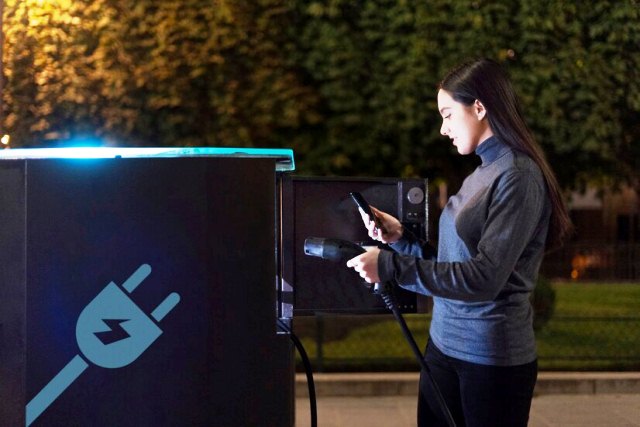
🚗 Electric Vehicle (EV) Charging Infrastructure Business Details ⚡
The EV charging industry is a high-growth sector driven by global sustainability initiatives, government incentives, and increasing EV adoption. Businesses in this space can profit by selling, installing, operating, or managing EV charging stations, as well as providing software solutions.
🔹 Key Business Models in EV Charging
1️⃣ Public EV Charging Stations
- Business Model: Install and operate Level 2 or DC fast chargers at public locations like malls, highways, offices, and parking lots.
- Revenue Streams:
✅ Pay-per-use charging fees
✅ Membership & subscription plans
✅ Advertisements on charging station screens
✅ Partnerships with businesses (e.g., shopping malls paying for customer convenience) - Key Costs: Equipment, installation, grid connection, and maintenance.
- Examples: ChargePoint, Tesla Superchargers, EVgo
2️⃣ Home EV Charging Solutions
- Business Model: Sell and install home charging stations for individual EV owners.
- Revenue Streams:
✅ One-time sale of chargers
✅ Installation & maintenance services
✅ Subscription-based remote monitoring & support - Key Costs: Charger manufacturing, software development, marketing.
- Examples: Wallbox, Blink Home Chargers
3️⃣ Fleet & Workplace Charging
- Business Model: Provide EV charging solutions for delivery companies, taxi services, and corporate fleets.
- Revenue Streams:
✅ Monthly service contracts
✅ Energy usage fees
✅ SaaS-based fleet management software - Key Costs: Charging infrastructure, energy management software, grid upgrades.
- Examples: ABB E-mobility, Shell Recharge Solutions
4️⃣ Smart Charging Software & Energy Management (SaaS Model)
- Business Model: Develop software that manages EV charging networks, pricing, and energy use.
- Revenue Streams:
✅ Licensing fees for businesses using your software
✅ Subscription-based software model for EV fleet management
✅ API integrations with smart grids & renewable energy sources - Key Costs: Software development, cloud hosting, cybersecurity.
- Examples: ChargeLab, Ampcontrol
5️⃣ Destination Charging (Hotels, Restaurants, Shopping Malls)
- Business Model: Install EV chargers at hospitality and retail locations to attract customers.
- Revenue Streams:
✅ Charging fees paid by customers
✅ Partnership fees from businesses that want to offer EV charging
✅ Ad placements on charging stations - Key Costs: Site selection, hardware, installation, partnerships.
- Examples: Tesla Destination Charging
🔹 Market & Growth Opportunities 🌍
The EV charging market is projected to grow at a CAGR of 25%+ over the next decade, driven by:
✅ Government incentives & policies (tax credits, grants for EV charging infrastructure)
✅ Rising EV adoption worldwide (Tesla, Rivian, BMW, Volkswagen expanding EV lineups)
✅ Smart grid & renewable energy integration (solar-powered EV charging stations)
✅ Increased demand for fast-charging solutions (DC fast charging networks)
Target Markets:
🔹 Urban cities & highways – High commuter traffic, strong demand for fast chargers
🔹 Apartment complexes & offices – Growing need for residential & workplace chargers
🔹 Retail & hospitality sectors – Hotels, malls, restaurants want to attract EV customers
🔹 Fleet operators & logistics companies – Need cost-effective EV fleet charging solutions
🔹 Marketing Strategies 🚀
✅ B2B Partnerships – Work with real estate developers, hotels, and businesses to install charging stations.
✅ SEO & Google Ads – Target “EV charging near me” keywords for high search visibility.
✅ Social Media & Influencers – Collaborate with EV YouTubers & bloggers to promote your brand.
✅ Government Grants & Incentives – Leverage tax credits & funding programs to reduce costs.
✅ Corporate & Fleet Outreach – Partner with logistics companies, Uber, and delivery services for bulk contracts.
🔹 Financial Considerations & Investment Needs 💰
Startup Costs
- EV Chargers & Installation – $5,000–$100,000 per charger (depending on level & location)
- Land Acquisition & Lease Costs – If setting up standalone stations
- Software Development – If launching a smart charging platform
- Marketing & Branding – SEO, social media ads, and partnerships
Revenue Streams
✔️ Charging fees (per kWh or per minute)
✔️ Subscription-based charging plans
✔️ Advertisements & sponsorships on charging screens
✔️ Government grants & carbon credit incentives
🔹 Website Setup for an EV Charging Business 💻
A professional website should include:
🔹 Home Page – Highlight key benefits (e.g., “Fast & Affordable EV Charging”)
🔹 Find a Charger – Interactive map of locations (if operating public chargers)
🔹 Solutions & Pricing – Plans for home, fleet, or business customers
🔹 Blog & Resources – Articles on EV adoption, sustainability, and FAQs
🔹 Contact & Partnerships – Let businesses request installations or partnerships
Recommended Website Platforms:
- WordPress + Elementor – Best for SEO & customization
- Shopify – If selling hardware (e.g., home EV chargers)
- Webflow – If offering SaaS solutions for EV charging
🔹 Scaling & Expansion Strategies 🚀
🔹 Expand to high-demand urban centers & highways 🚗
🔹 Offer subscription-based charging plans for regular users
🔹 Integrate solar-powered & renewable energy solutions ☀️
🔹 Develop an EV charging app for easy location & payments 📲
🚀 Marketing Strategies for an EV Charging Business ⚡
The EV charging industry is competitive but growing rapidly. Your marketing strategy should focus on visibility, partnerships, and technology-driven engagement. Here’s a step-by-step approach to maximize your reach and revenue.
1️⃣ B2B Partnerships & Strategic Alliances 🤝
- Partner with businesses (hotels, malls, parking lots, offices) to install EV chargers at prime locations.
- Collaborate with real estate developers to integrate chargers into new residential & commercial projects.
- Offer fleet charging solutions for logistics companies, Uber, and ride-share fleets.
- Work with municipalities & local governments for city-wide EV infrastructure projects.
✅ Example: Tesla’s Destination Charging program partners with hotels & restaurants to offer chargers to EV travelers.
2️⃣ Local SEO & Google My Business 📍
- Optimize your Google My Business listing with your charging station locations, pricing, and real-time availability.
- Use location-based SEO targeting phrases like:
✅ “EV charging station near me”
✅ “Fast EV chargers [city name]”
✅ “Home EV charger installation [city name]” - Get customer reviews & ratings on Google to improve credibility.
✅ Example: ChargePoint & Blink Charging rank high on Google Maps & local searches for EV charging locations.
3️⃣ Paid Ads (Google & Social Media) 📢
- Google Ads: Run targeted campaigns for “EV charger installation,” “EV fast charging,” or “home EV chargers.”
- Facebook & Instagram Ads: Target EV owners, Tesla drivers, sustainability enthusiasts.
- LinkedIn Ads: Ideal for B2B partnerships with hotels, malls, parking lot operators, and businesses.
- YouTube Ads: Short 15-30 second video ads explaining your charging service benefits.
✅ Example: EVgo & Electrify America use Google Ads for high-intent searches like “fast EV charging near me.”
4️⃣ Social Media & Influencer Marketing 📱
- Instagram & TikTok: Post time-lapse videos of EV charging, customer testimonials, and EV sustainability content.
- YouTube Reviews: Collaborate with EV influencers & YouTubers to review your charging stations or home chargers.
- Twitter & LinkedIn: Engage with the EV & sustainability community by sharing industry news and product updates.
✅ Example: Tesla uses Twitter & Instagram to engage with EV enthusiasts and showcase its Supercharger network.
5️⃣ Referral & Loyalty Programs 🎁
- Offer discounted charging rates or cash incentives for customers who refer new users.
- Set up subscription plans for frequent EV drivers with discounted pricing & loyalty perks.
- Partner with businesses & hotels to offer exclusive charging discounts to their customers.
✅ Example: Blink Charging offers a membership program with lower charging fees for repeat users.
6️⃣ EV Charging Mobile App 📲
- Develop an EV charging app with:
✅ Find nearby charging stations with real-time availability
✅ Pre-book charging slots
✅ Loyalty rewards & discounts
✅ Mobile payments & subscription management
✅ Example: ChargePoint & PlugShare apps allow users to find, book, and pay for charging on the go.
7️⃣ Government Incentives & Sustainability Marketing 🌱
- Promote government EV grants & tax credits available for installing EV chargers.
- Partner with sustainability initiatives & green energy companies to boost eco-friendly branding.
- Offer carbon-neutral charging by sourcing energy from renewables (solar, wind, hydro).
✅ Example: Tesla Superchargers run on renewable energy, making them more attractive to eco-conscious drivers.
8️⃣ Event Sponsorship & Community Engagement 🎟️
- Sponsor EV expos, auto shows, and sustainability events.
- Host test drive events with local EV dealerships to attract potential customers.
- Partner with EV clubs & communities for special charging discounts & promotions.
✅ Example: Electrify America sponsors EV education programs to promote charging infrastructure adoption.
📌 Final Thoughts: A Winning EV Charging Marketing Plan
🔹 Optimize Google My Business & SEO for local EV drivers 📍
🔹 Run Google, Facebook & LinkedIn Ads to attract customers 💰
🔹 Partner with businesses & fleets to expand B2B services 🚘
🔹 Use influencer marketing & social media for brand awareness 🎥
🔹 Launch a mobile app for seamless charging & payments 📲
🔹 Leverage sustainability & government incentives 🌱
Step-by-Step Guide to Setting Up an EV Charging Business Website ⚡🌍
Your website should educate users, generate leads, and drive bookings for your EV charging services. Here’s a step-by-step guide to build a high-converting website.
1️⃣ Choose Your Website Platform & Hosting
✅ Best Platforms:
- Shopify (if selling home EV chargers or subscription plans)
- WordPress + Elementor (for maximum customization)
- Webflow (for premium design & animations)
✅ Best Hosting Providers:
- Bluehost (affordable for small businesses)
- SiteGround (fast & secure for WordPress)
- Hostinger (budget-friendly & scalable)
2️⃣ Essential Pages & Features
🔹 Home Page (First Impression Counts!)
- Hero Section: A clean design with an image of an EV charging station + CTA (e.g., “Find a Charging Station Near You” / “Book Installation Now”).
- Value Proposition: Highlight key benefits (fast charging, eco-friendly, cost-saving, etc.).
- Quick Navigation: Direct links to Find Chargers, Services, Pricing, and Contact pages.
✅ Example: Tesla Supercharger page has a minimalist, high-tech feel with easy navigation.
🔹 Find a Charger / Locator Page
- Interactive Google Maps API integration to display all available charging stations.
- Search & Filter: Allow users to filter by fast-charging, availability, and pricing.
- Pre-booking System: Let customers reserve a charger via the website.
✅ Example: ChargePoint & PlugShare use real-time location tracking for EV chargers.
🔹 Services Page (What You Offer)
- EV Charger Installation for homes & businesses.
- Fleet & Corporate Solutions for ride-share and delivery companies.
- Subscription & Membership Plans for regular EV drivers.
- Sustainability Initiatives (solar charging, carbon offset programs).
✅ Tip: Add customer testimonials & case studies to boost credibility.
🔹 Pricing Page (Transparent & Simple)
- Charging Rates (per kWh, per session, or membership plans).
- Installation Costs (home chargers, fast chargers, business solutions).
- Incentives & Rebates (government tax credits & EV grants).
✅ Example: Electrify America clearly shows pricing & membership perks.
🔹 Contact & Support Page 📞
- Live Chat Integration for quick support.
- FAQ Section covering common questions about EV charging & installation.
- Lead Capture Form for business partnerships.
✅ Tools: Use HubSpot, Drift, or Tidio for live chat support.
3️⃣ Design & Branding Tips 🎨
- Colors: Green, blue, and white (eco-friendly & tech vibes).
- Typography: Clean, modern fonts (e.g., Montserrat, Lato, Poppins).
- Images & Videos: Use real charging station images & animated product demos.
✅ Example: Tesla’s website has high-quality visuals & simple layouts.
4️⃣ SEO Optimization for EV Charging 🌍
- Keywords to Target:
✅ “EV charging station near me”
✅ “Fast EV charger installation”
✅ “Best home EV charger 2025”
✅ “Electric car charging solutions for businesses” - Local SEO: Optimize Google My Business listing for each charger location.
- Content Strategy: Write blog posts about EV benefits, charger comparisons, and government incentives.
✅ Tools: Use Yoast SEO (WordPress) or Rank Math for on-page SEO.
5️⃣ Lead Generation & Booking System 📆
- Appointment Booking: Let users schedule home charger installations.
- Lead Magnets: Offer a free EV charging guide in exchange for emails.
- CRM Integration: Use HubSpot, Zoho, or Salesforce to manage leads & customers.
✅ Example: Blink Charging & EVgo allow customers to book charging sessions online.
6️⃣ Payment Gateway for Charging Sessions 💳
- Use Stripe, PayPal, or Square for secure payments.
- Offer subscription & membership billing (monthly unlimited charging plans).
- Cryptocurrency Payments (optional but great for future-proofing).
✅ Example: ChargePoint has a mobile app with in-app payments & auto-billing.
7️⃣ Marketing & Conversion Strategy 📢
- Run Google Ads & Facebook Ads targeting EV owners.
- Launch referral & loyalty programs (discounts for frequent users).
- Leverage influencer marketing (EV YouTubers, car bloggers, and Instagram pages).
✅ Example: Electrify America runs paid search & display ads for charger visibility.
8️⃣ Mobile Optimization & App Integration 📲
- Ensure your website is mobile-friendly (most users will visit on mobile).
- Develop an EV charging mobile app (if applicable) for better user experience.
✅ Tools: Use Google PageSpeed Insights to check & improve website speed.
Still confused or busy to set up your online store/official site ? E-Commerce ,Website operation/ Optimization ? It’s very easy, just contact us/hire a web master/web developer/IT Consultant
