
“Rich Dad Poor Dad” is a personal finance and self-help book written by Robert T. Kiyosaki. It was first published in 1997 and has since become a highly influential book in the world of personal finance, entrepreneurship, and financial education. The book contrasts the financial mindsets and approaches of two father figures in Kiyosaki’s life, which he refers to as “Rich Dad” and “Poor Dad.”
Main Concepts and Themes of the Book:
- The Importance of Financial Education:
- One of the central themes of Rich Dad Poor Dad is that traditional schooling doesn’t teach people how to manage money or build wealth. Kiyosaki emphasizes the need for financial education outside the classroom, arguing that understanding how money works, how investments function, and how businesses are built is crucial to achieving financial success.
- The Difference Between Assets and Liabilities:
- Kiyosaki explains that assets are things that put money in your pocket (such as investments, real estate, or businesses), while liabilities are things that take money out of your pocket (like debt or personal expenses).
- His advice is to focus on acquiring assets and minimizing liabilities to build wealth, which contrasts with the conventional advice of saving money or investing in depreciating assets.
- The Rat Race and the 9-to-5 Mindset:
- Kiyosaki critiques the traditional mindset that encourages working hard for a paycheck, climbing the corporate ladder, and saving money. He refers to this as the “rat race,” where people work for money, but they often find themselves stuck in a cycle of working harder to maintain their lifestyle and pay off debts.
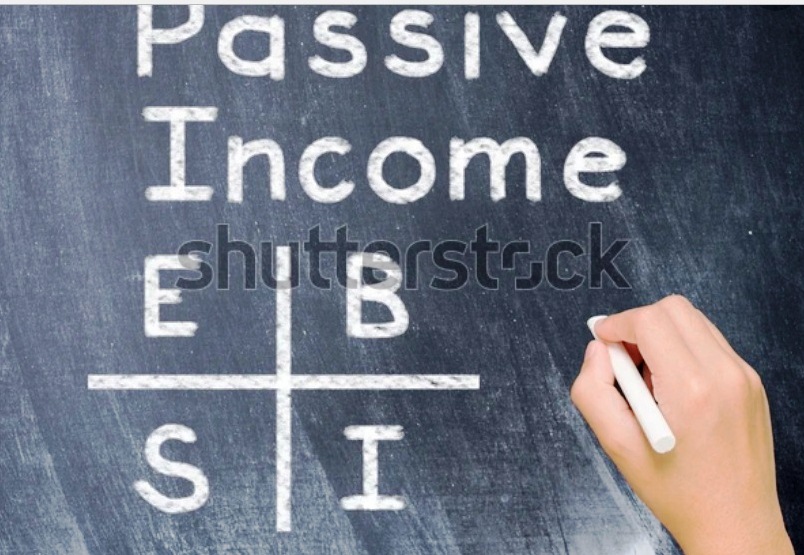
- He advocates for creating passive income streams, such as real estate investments, starting a business, or investing in stocks, to free oneself from this cycle.
- The Importance of Entrepreneurship:
- Rich Dad (Kiyosaki’s mentor) encourages entrepreneurial thinking, risk-taking, and the ability to leverage opportunities. According to Kiyosaki, working for others limits your financial potential. He urges readers to build their own businesses or invest in income-generating assets.
- Kiyosaki stresses that businesses and investments can provide much greater financial rewards than simply working a salary job.
- Mindset and Beliefs About Money:
- The book highlights how the mindset and beliefs about money differ between the “Rich Dad” and “Poor Dad.” Poor Dad, who represents Kiyosaki’s biological father, believes in working hard for a paycheck, saving money, and seeking job security. In contrast, Rich Dad encourages thinking like an investor, seeking opportunities to generate passive income, and focusing on financial independence.
- Kiyosaki argues that those who have a “rich” mindset are open to learning about money, taking risks, and making smart financial decisions, whereas those with a “poor” mindset focus on security and avoid financial risk.
- The Power of Entrepreneurship, Investing, and Leveraging Debt:
- Kiyosaki introduces the idea of using other people’s money (OPM), like leveraging debt, to invest in real estate, stocks, or other ventures that can generate income. This strategy, if done wisely, can help build wealth faster than saving alone.
- He also talks about using debt strategically, not as a means of acquiring liabilities but as a way to acquire assets that will provide long-term financial returns.
Key Lessons and Takeaways:
- Financial Education is Crucial: Traditional schooling doesn’t teach you how to handle money, so take it upon yourself to learn about investments, assets, and liabilities.
- Work to Learn, Not to Earn: Kiyosaki emphasizes that it’s more important to learn skills, such as sales, marketing, and investing, rather than focusing purely on earning a salary.
- Start Early, Invest Wisely: Whether through real estate, businesses, or stocks, Kiyosaki urges readers to start building wealth as early as possible.
- Avoid Bad Debt: It’s important to avoid taking on debt for consumption. However, using good debt (debt that helps you acquire income-producing assets) can be beneficial for building wealth.
Criticism of the Book:
While Rich Dad Poor Dad is widely popular, it has also faced criticism over the years. Some critics argue that:
- Lack of Specific Guidance: The book focuses more on principles and philosophy rather than offering concrete, actionable steps for financial success. Some readers find this approach too vague and feel that it lacks specific instructions on how to execute Kiyosaki’s ideas.
- Risk of Over-Leveraging: Some argue that Kiyosaki’s advice to use debt to invest can be dangerous, especially for those who don’t fully understand how to manage risk or who may not have the resources to recover from financial setbacks.
- Over-Simplification: Critics also contend that the book oversimplifies the path to financial success, making it seem like anyone can easily follow the advice and achieve financial freedom without accounting for the complexities and challenges of the real world.
Impact of the Book:
Despite the criticisms, Rich Dad Poor Dad has had a significant influence on personal finance and has inspired many people to rethink their approach to money. It has motivated individuals to explore alternative ways to build wealth, from real estate investments to entrepreneurship, and has sparked a broader conversation about the importance of financial literacy.
In addition to the book, Robert Kiyosaki has developed a series of Rich Dad products, including books, games, and a training program aimed at teaching financial literacy and entrepreneurial skills.
Rich Dad Poor Dad is often recommended for anyone who wants to break free from conventional financial thinking and explore new ways to build wealth and achieve financial independence.
Still confused or busy to set up your online store? E-Commerce ,Website operation/ Optimization ? It’s very easy, just contact us/hire a web master/web developer/IT Consultant
