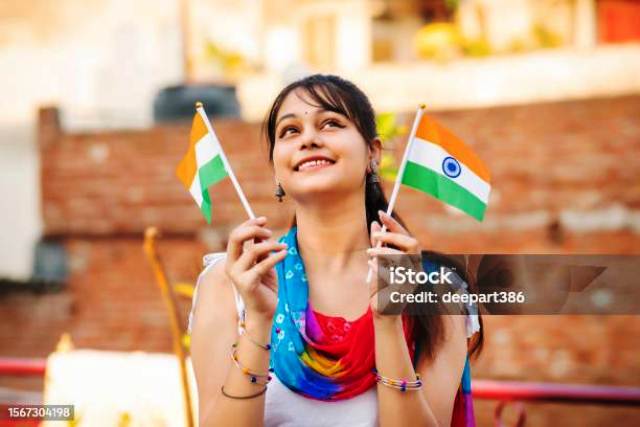
Here are 10 unique habits or cultural practices that are commonly observed in India, reflecting the country’s rich traditions, values, and way of life:
1. Namaste – A Traditional Greeting
In India, the greeting “Namaste” (or “Namaskar”) involves pressing the palms together in a prayer position and bowing the head slightly. It’s a sign of respect and is used both for hello and goodbye.
2. Eating with Hands
While using utensils is common, many Indians prefer eating with their hands, especially when eating traditional foods like roti, rice, and dal. It’s considered a way to connect with the food and enjoy the full sensory experience.
3. Wearing Traditional Clothing for Festivals
For many, festivals such as Diwali, Holi, or Navratri are opportunities to wear traditional attire like saris, kurta-pajamas, or lehenga cholis. These clothes are a symbol of celebration, cultural pride, and respect for the occasion.
4. Respect for Elders
In India, respect for elders is deeply ingrained in society. Touching the feet of elders as a sign of reverence, especially before leaving home or during important occasions, is a common practice. Elders often have the final say in family matters.
5. Spiritual Practices – Meditation & Yoga
India is the birthplace of yoga and meditation. Many people incorporate these practices into their daily routines to achieve mental peace, spiritual growth, and physical well-being. Yoga centers and meditation retreats are widespread across the country.
6. Taking Afternoon Naps (Siesta)
It’s common for people in India, especially in the hotter regions, to take a short nap during the afternoon. A mid-day rest helps to beat the heat and re-energize for the rest of the day.
7. Religious Rituals and Puja (Prayer)
Many Indians start their day with a puja (prayer) in the morning. Offering prayers at home temples, visiting temples, or performing rituals is a significant part of daily life for many, depending on their religious beliefs.
8. Use of Spices in Cooking
Indian cuisine is known for its bold use of spices, with dishes often containing cumin, turmeric, cardamom, coriander, and garam masala. The balance of flavors is an art, and many Indian families have their own unique spice blends.
9. Festivals and Community Celebrations
Festivals like Diwali, Holi, Durga Puja, and Onam bring together family and community for large-scale celebrations that include feasts, music, dancing, rituals, and colorful decorations. These celebrations can last several days and are a way of maintaining close social bonds.
10. Bargaining in Markets
Bargaining, or haggling, is a common practice in many Indian markets. Whether it’s for clothing, spices, or souvenirs, negotiating prices is an integral part of the shopping experience. It’s not seen as impolite; rather, it’s a social interaction and a way to get the best deal.
1. Namaste – A Traditional Greeting
What is it?
Namaste (or Namaskar) is a traditional Indian greeting and gesture of respect. It involves pressing the palms together in front of the chest, bowing the head slightly, and saying “Namaste” or “Namaskar,” which means “I bow to you” or “I honor the divine within you.”
Why it’s special:
- Symbol of Respect: It is a deep cultural symbol that signifies respect not only for the individual but also for the divine energy in each person.
- No physical contact: Unlike handshakes, which often involve physical contact, namaste avoids touching and promotes respecting personal space. This is particularly valued in Indian culture.
- Spiritual meaning: It reflects a belief in the spiritual connection between people, acknowledging the divine presence in everyone.
- Universal greeting: While it’s mostly used in India, it has also gained recognition worldwide and is used by people from various cultures, especially during yoga or meditation.
How it works in daily life:
- Meeting someone: Whether in a formal or informal context, namaste is used to greet people when you meet them.
- Parting ways: It’s also a way to say goodbye, as it acknowledges a respectful and positive connection.
- Used in prayers and rituals: Many Hindus begin and end their prayers with namaste as a form of salutation to the divine.
Fun Fact:
Namaste is so widely known that it’s not only used in India but is also a common greeting in Nepal and other parts of South Asia. It’s often associated with the practice of yoga worldwide.
2. Eating with Hands – A Sensory Tradition in India
What is it?
In India, eating with hands is a common practice, especially for traditional meals like roti, rice, dal, curries, and sambhar. While using utensils is not uncommon, eating with your hands is seen as more than just a practical choice — it’s part of the cultural and sensory experience of enjoying food.
Why do Indians eat with hands?
- Cultural Tradition:
Eating with hands is a centuries-old practice in many cultures across India. It’s a tradition that connects people with their food, nature, and the earth. - Sensory Experience:
Using your hands to eat is believed to engage all the senses — taste, touch, smell, and even the visual appeal of the food. The tactile sensation of feeling the textures of food adds to the enjoyment. - Digestive Health:
In Ayurvedic practices, eating with hands is thought to activate certain acupressure points in the fingers that aid digestion. It encourages a mindful eating experience, which is believed to improve digestion. - Connection to Food:
Eating with hands creates a closer connection to the food, allowing one to appreciate its temperature, texture, and ingredients before it reaches the mouth. This practice helps enhance the awareness and mindfulness of the meal. - Social Custom:
Sharing food in this way fosters community bonds and makes meals a more intimate experience. It’s common for families or friends to share large platters of food, all eating from the same dish.
How it’s done:
- Right Hand Only: In India, food is typically eaten using the right hand (the left hand is considered impolite for eating). The left hand is reserved for other tasks.
- Techniques:
- Breaking bread: Roti or naan is torn with the fingers, used to scoop up curries or dal.
- Mixing food: People often mix rice, curry, and dal together in a way that enhances flavors and makes it easier to eat.
- Finger tips: When eating with rice or other dishes, the thumb and first two fingers are primarily used to grab and scoop.
Fun Fact:
In traditional Indian households, eating together as a family is a cherished ritual. It’s not just about filling the stomach, but sharing time, conversation, and culture.
3. Wearing Traditional Clothing for Festivals – Celebrating with Culture and Pride
What is it?
In India, wearing traditional clothing during festivals is a significant cultural practice. Festivals such as Diwali, Holi, Navratri, Durga Puja, and others are occasions for people to dress in their finest traditional attire to celebrate with family, friends, and the community.
Types of Traditional Clothing Worn During Festivals:
- Sari (Saree)
- Women typically wear a sari, a long piece of fabric (usually 5–9 yards) wrapped elegantly around the body. It is often paired with a blouse and a petticoat underneath.
- Colors: During festivals, saris come in vibrant colors like gold, red, green, or royal blue, often adorned with embroidery, sequins, or rich fabrics.
- Occasions: Worn during Diwali, weddings, religious events, and family gatherings.
- Lehenga-Choli
- A lehenga is a long skirt, usually worn with a choli (blouse) and dupatta (a long scarf or shawl).
- Women wear this attire during festivals, especially for weddings and celebrations like Navratri, where dancing (Garba) is a central activity.
- Details: These outfits are often heavily embroidered or embellished with mirror work or sequins, especially for grand celebrations.
- Kurta-Pajama (or Kurti-Leggings)
- For men, a kurta-pajama is a traditional outfit consisting of a loose tunic (kurta) and loose pants (pajama). It is simple but elegant and can be worn for almost any festive occasion.
- For women, a kurti (a shorter version of the kurta) paired with leggings or churidars is common for a more casual yet festive look.
- Occasions: Kurta-pajama sets are worn for Diwali, Eid, and family gatherings.
- Sherwani
- The sherwani is a formal coat-like garment for men, often worn over a kurta and paired with churidar (tight-fitting pants).
- It’s typically worn by the groom at weddings or during large religious ceremonies or festivals.
- Details: Sherwanis are often richly embroidered with zari work (gold or silver thread), making them a favorite choice for grand celebrations.
- Dupatta & Shawls
- Both men and women often wear a dupattas (long scarf) with their outfits for added elegance and as a cultural marker. During festivals, it is common to wear elaborate shawls or stoles with intricate designs or fabric.
Why is wearing traditional clothing important?
- Cultural Significance:
Wearing traditional attire during festivals connects people with their heritage and reflects the cultural identity of India’s diverse regions. - Festive Spirit:
It adds to the celebratory atmosphere, making festivals more vibrant and visually appealing. The rich colors, intricate embroidery, and fine fabrics create a sense of joy and unity. - Religious Respect:
Many festivals have a spiritual aspect, and wearing traditional clothes is often seen as a way to honor the occasion and show respect for the rituals and ceremonies being observed. - Community Bonding:
Festivals are times when families, friends, and communities come together. Dressing in traditional attire helps strengthen the social bonds and fosters a sense of shared identity.
Fun Fact:
During Diwali, one of the biggest festivals in India, families often buy new clothes as a symbol of new beginnings and to bring in good fortune for the year ahead.
4. Respect for Elders – A Core Value in Indian Culture
What is it?
In India, respect for elders is deeply ingrained in the culture and is considered one of the most important values. Elders are highly revered and are seen as the custodians of wisdom and family traditions. The younger generation is taught from an early age to show deference, reverence, and care for their elders.
Ways Respect is Shown:
- Touching Feet (Pranam or Charan Sparsh):
- One of the most symbolic gestures of respect in Indian culture is touching the feet of elders, especially parents, grandparents, teachers, or spiritual leaders. It’s called “pranam” or charan sparsh.
- This act symbolizes the younger generation’s humility and desire to receive blessings and wisdom from the elders.
- The gesture is not just physical but deeply symbolic, signifying a spiritual connection and acknowledging the elder’s experience and blessings.
- Verbal Respect:
- Addressing Elders: Elders are addressed with honorifics and terms like ji, baba, dadi (grandfather), nani (grandmother), uncle/aunt, or formal titles based on their relationship.
- Polite Language: Younger people use polite and respectful language when speaking to elders, often using more formal, deferential terms. For example, in Hindi, the use of “aap” (you, formal) instead of “tu” (you, informal) is common.
- Serving Elders First:
- During meals, it is customary for the younger members of the family to serve food to the elders first. After the elders have eaten, others may start their meals. This tradition underscores the value placed on elders.
- Seeking Guidance and Blessings:
- The younger generation is encouraged to seek advice, wisdom, and blessings from elders, particularly during important life decisions such as education, career choices, or marriage.
- Elders, especially grandparents, are often seen as the pillars of the family, offering guidance and helping maintain the family’s cultural values.
- Celebrating Special Occasions:
- Elders are given special attention during family gatherings and celebrations, such as birthdays, anniversaries, and festivals. It’s common for younger family members to show extra respect through gestures like gifting or preparing special meals for elders.
- Assisting in Daily Needs:
- The younger generation often assists elders with their daily needs. This includes helping with physical tasks, providing emotional support, and ensuring they have everything they need for comfort and well-being.
Why It’s Important:
- Cultural and Spiritual Significance:
Respecting elders is seen as a way of preserving family traditions and maintaining the moral fabric of society. It’s considered a duty to honor those who have contributed to the family or community. - Family Bonding:
The bond between generations is strengthened by mutual respect. Elders are seen as the foundation of the family, passing down stories, values, and wisdom to the younger members, ensuring that traditions continue. - Moral Education:
Showing respect to elders is often viewed as an essential part of a person’s moral education. It teaches qualities such as humility, patience, and gratitude for those who have lived through experiences and struggles. - Elder Care:
In many Indian families, it’s common for elders to live with their children even in old age. The respect shown towards them is reflected in the way the family takes care of them, ensuring they are provided for physically, emotionally, and spiritually.
Fun Fact:
In many Indian cultures, elders are not just respected for their age but also for their knowledge of traditions, customs, and spiritual practices. They are often consulted for advice on everything from marriage to business decisions.
5. Spiritual Practices – Meditation & Yoga
What is it?
In India, meditation and yoga are ancient spiritual practices deeply rooted in the country’s cultural, philosophical, and religious traditions. These practices are used to promote mental clarity, physical well-being, and spiritual growth. They are an essential part of daily life for many people, with the aim of fostering a deeper connection to the self, nature, and the divine.
Yoga: A Path to Balance
What is Yoga?
Yoga is a spiritual, physical, and mental practice that originated in India thousands of years ago. It involves a series of postures (asanas), breathing exercises (pranayama), and meditative practices designed to harmonize the body and mind.
- Asanas (Postures): These are physical poses that improve flexibility, strength, and balance. Common asanas like Downward Dog, Tree Pose, and Lotus Pose are practiced to help connect the body with the mind.
- Pranayama (Breath Control): This involves controlled breathing techniques that calm the nervous system and increase energy flow throughout the body.
- Meditation (Dhyana): Practicing mindfulness and meditation is a central aspect of yoga. It helps improve focus, reduce stress, and achieve mental clarity.
Types of Yoga:
- Hatha Yoga: Focuses on physical postures and breathing exercises.
- Vinyasa Yoga: A flowing style of yoga where postures are connected to breath in a dynamic movement.
- Kundalini Yoga: Combines physical postures with breathwork, chanting, and meditation to awaken spiritual energy.
- Ashtanga Yoga: A structured form of yoga with a set sequence of postures.
Meditation: The Art of Stillness
What is Meditation?
Meditation is a practice that involves sitting in stillness to focus the mind, calm the emotions, and achieve a sense of inner peace. It is often combined with breathing techniques and a mantra (a repetitive sound or phrase) to deepen concentration and awareness.
Types of Meditation:
- Mindfulness Meditation (Vipassana): Focuses on being aware of thoughts and sensations in the present moment without judgment.
- Mantra Meditation: Involves repeating a word, sound, or phrase (like “Om” or “So Hum”) to help concentrate the mind and bring about inner peace.
- Transcendental Meditation (TM): A specific form of mantra meditation where practitioners repeat a sound or mantra to transcend thought and achieve deep relaxation.
- Guided Meditation: A trained teacher or audio guides you through visualizations and affirmations to achieve mental clarity and relaxation.
Why Meditation & Yoga are Important:
- Mind-Body Connection:
Both yoga and meditation help strengthen the connection between the mind and body. They encourage awareness of one’s thoughts, emotions, and physical sensations, allowing individuals to live more intentionally and with greater balance. - Spiritual Growth:
Yoga and meditation are used as paths to spiritual awakening in India. They are seen as tools to connect with a higher self or divine presence, helping practitioners achieve a sense of oneness with the universe. - Health Benefits:
These practices are renowned for their health benefits. Yoga improves flexibility, posture, and strength, while meditation helps reduce stress, lower blood pressure, and improve concentration. Both can lead to improved mental health and emotional resilience. - Inner Peace & Balance:
In a world full of distractions and stress, meditation and yoga offer an opportunity to find peace within oneself. The calming effect of these practices helps individuals center themselves, find clarity, and deal with the challenges of everyday life.
The Role of Yoga and Meditation in Daily Life:
- Morning Rituals: Many people begin their day with a morning yoga session followed by meditation to set a peaceful tone for the rest of the day. This is common in homes across India and is often part of the daily routine.
- Spiritual Practice: Meditation and yoga are integral to spiritual rituals in temples, ashrams, and homes. In Hinduism, Buddhism, and Jainism, they are seen as paths to enlightenment and self-realization.
- Social and Cultural Integration: Yoga is not only practiced at home but also in community settings, such as yoga retreats, workshops, and fitness centers, where people gather to deepen their practice together.
Fun Fact:
India is the birthplace of yoga, and it is now practiced by millions of people worldwide. International Yoga Day is celebrated on June 21st, and it has been recognized by the United Nations to promote the importance of yoga and its benefits for health and well-being.
6. Taking Afternoon Naps (Siesta) – A Common Practice in India
What is it?
In many parts of India, taking an afternoon nap, or siesta, is a widespread practice. It’s a tradition that helps people recharge in the middle of the day, especially after the typically heavy lunch. This practice is most common in the hotter months, but can be seen throughout the year, particularly in regions where the climate is warm or tropical.
Why Do People Take Afternoon Naps in India?
- Cultural Tradition:
- Napping after lunch has been a part of Indian culture for centuries. The practice is particularly prevalent in South India, where afternoon heat and humidity can make it difficult to stay active during the hottest part of the day.
- In some regions, this practice is also linked to the Ayurvedic principle of balancing one’s energies. According to Ayurveda, a short nap after eating can help with digestion and ensure better health.
- Heat and Climate:
- India’s hot climate plays a significant role in the nap culture. During the middle of the day, particularly between 1 PM and 3 PM, the sun is at its peak, and the temperature can be draining. A nap during this time helps people escape the afternoon heat, preventing fatigue and boosting energy for the rest of the day.
- In rural areas or small towns, the lack of air conditioning or cooling systems makes it common for people to take refuge indoors during the hottest hours of the day.
- Rest and Rejuvenation:
- Much like the Mediterranean siesta culture, an afternoon nap is seen as a restorative practice. It offers an opportunity to refresh the mind and body, especially after a large, hearty lunch, which often consists of rice, curries, and other heavy dishes.
- A brief nap is thought to improve alertness and productivity in the later parts of the day, especially for those who engage in hard physical labor or long hours of work.
Benefits of Afternoon Naps:
- Improved Productivity:
A short nap can lead to better focus, increased productivity, and enhanced cognitive function. In many workplaces, people who take an afternoon nap report feeling more energized and mentally sharper for the rest of the day. - Boosts Mood and Energy Levels:
Napping provides a much-needed break and can elevate mood. It helps lower feelings of stress and irritability, particularly in busy or chaotic environments. - Supports Digestion:
As per Ayurvedic traditions, taking a nap after a meal allows the digestive system to process food more effectively. It is believed to aid in the digestion of food and prevent sluggishness or discomfort. - Improves Heart Health:
Research suggests that taking a short nap during the day can help lower blood pressure, reduce stress, and improve heart health, making it a healthy habit, especially for those with a stressful lifestyle.
When and How Do People Take Naps in India?
- Typical Nap Time:
- The most common time for a nap is after lunch—usually between 1:00 PM and 3:00 PM. This is when the body tends to feel the most lethargic due to the high-energy food consumed at lunch and the afternoon heat.
- Duration:
- Naps are usually short and last anywhere from 15 minutes to an hour. This is long enough to rest and recharge without making people feel sluggish for the rest of the day.
- Setting:
- People often nap on cots, beds, or floor mats, in the comfort of their homes. In some regions, workers may take a short nap in their workspaces or offices (especially in rural areas or smaller businesses).
- In larger cities, a more structured approach to rest may be seen in businesses or offices, where employees may take a power nap to get through the afternoon slump.
- Social Tradition:
- In family settings, napping after lunch is a communal activity where families may rest together after a meal, especially during festivals or after large family gatherings.
Fun Fact:
In some parts of India, it is common for shops and small businesses, especially in small towns, to close in the afternoon for siesta. This break allows shopkeepers and workers to take a rest before resuming their work in the evening when the weather cools down.
7. Religious Rituals and Puja (Prayer) – A Deeply Ingrained Practice in India
What is it?
Religious rituals and puja (prayer) form an integral part of daily life in India. India is home to multiple religions, including Hinduism, Islam, Sikhism, Christianity, Buddhism, and Jainism, each with its unique customs, prayers, and spiritual practices. Puja is the Hindu term for the act of worship and involves offerings to gods, goddesses, or spirits.
Religious rituals in India are often highly symbolic, deeply spiritual, and rooted in tradition, with the aim of seeking divine blessings, protection, guidance, or prosperity.
Types of Religious Rituals in India:
- Puja (Prayer Rituals):
- Puja is the act of worship or prayer, often conducted at home or in temples. It can range from small, personal ceremonies to grand, community-wide events.
- Home Puja: People often perform daily pujas at home, especially in the morning. This can involve offerings of flowers, fruits, incense, and lights (diya) to deities like Lakshmi (goddess of wealth), Ganesh (god of beginnings), and Shiva.
- Temple Puja: Visiting temples to conduct puja is common, especially during festivals or special religious occasions. Priests perform elaborate rituals, and devotees can make offerings such as milk, honey, sweets, and clothes.
- Aarti (Devotional Singing):
- A part of many pujas is the aarti, a devotional song sung in praise of a deity. The aarti often involves the waving of a lamp or diya in a circular motion in front of the deity’s image or idol.
- Aarti is done in temples, homes, or during community events, and is typically accompanied by chants or recitations of religious texts.
- Yajna (Fire Rituals):
- The yajna (or havan) is a sacred fire ritual performed in Hinduism. The ritual involves offering items like ghee, grain, and herbs into the fire, symbolizing offerings to the gods.
- This ritual is often done during religious ceremonies, festivals, and special family or community occasions to seek divine blessings and purification.
- Fasting (Vrata):
- Fasting is an important part of religious practices, especially for Hindus, where individuals may fast during specific festivals like Navratri or Ekadashi. Fasting can be partial (e.g., not eating certain foods) or complete (no food or water).
- Vrata is the observance of a vow or promise to abstain from food or certain habits as a sign of devotion.
- Homa (Sacrificial Offerings):
- Homa is another form of fire worship where offerings are made into a sacred fire to invoke blessings and prosperity. It is often performed in marriages, birthdays, and housewarming ceremonies.
Why Are Religious Rituals Important in India?
- Connection to the Divine:
- Religious rituals, especially puja, help individuals establish a connection with the divine, whether it’s through prayers, offerings, or meditative practices. It’s a way to express devotion, seek guidance, or ask for blessings.
- Preserving Traditions:
- Rituals and prayers in India are often passed down through generations. They are deeply embedded in cultural identity and are seen as a way to honor ancestors, continue family traditions, and uphold religious values.
- Spiritual Fulfillment:
- Through rituals, people feel a sense of spiritual fulfillment, inner peace, and balance. The repetitive nature of pujas or prayer rituals helps individuals focus their thoughts, calm their mind, and cultivate positive energy.
- Community and Family Bonding:
- Many religious rituals are not just individual acts but are communal. Temples are places where families and communities gather to perform puja, and major festivals like Diwali, Holi, Eid, and Christmas bring people together for collective prayer and celebration.
- Purification and Gratitude:
- Many rituals are believed to help purify the mind, body, and soul. They serve as an act of gratitude for the blessings received, and as a way to seek forgiveness for past wrongdoings, ensuring spiritual cleanliness.
Common Rituals by Religion:
- Hinduism:
- Morning Puja: A typical day starts with a small ritual of prayer in front of the family deity.
- Ganesh Chaturthi: Devotees celebrate the birth of Lord Ganesh with elaborate pujas, processions, and the immersion of Ganesh idols in water bodies.
- Diwali: The festival of lights includes family puja, where families pray to Lakshmi for prosperity and wealth.
- Islam:
- Namaz (Salah): Muslims pray five times a day at designated times. Wudu (ablution) is performed before the prayer, and prayers are recited in Arabic.
- Ramadan: The month of fasting involves special prayers like Taraweeh after Isha prayer. Fasting during Ramadan is accompanied by increased devotion and community prayers.
- Sikhism:
- Ardas: Sikhs perform the Ardas prayer for the well-being of individuals and the community.
- Gurpurabs: Celebrating the birth and martyrdom of Sikh Gurus with prayers at the Gurdwara and community langar (meal).
- Christianity:
- Christians in India follow prayers in churches, especially on Sundays and during special days like Christmas and Easter. Family prayers are also common before meals.
Fun Fact:
In India, temples are not just places of worship but also centers for social gatherings and community events. Many temples offer free meals (prasad) to all visitors as an act of charity and a sign of divine generosity.
8. Use of Spices in Cooking – A Defining Feature of Indian Cuisine
What is it?
Indian cuisine is rich in spices, and the use of spices is an integral part of the flavor profile of the country’s food. Spices are not just used for taste, but also for their health benefits, aromatic qualities, and cultural significance. Indian cooking uses a variety of spices, both whole and ground, to create complex and layered flavors that are often bold, vibrant, and aromatic.
Common Spices Used in Indian Cooking:
- Cumin (Jeera):
- Flavor: Earthy, warm, and slightly nutty.
- Usage: Cumin is used in many curries, stews, rice dishes, and soups. It is often toasted to enhance its flavor and can be used in both whole and ground forms.
- Coriander (Dhania):
- Flavor: Citrusy, fresh, and slightly sweet.
- Usage: Both the seeds and the leaves (called cilantro) of the coriander plant are used in Indian cooking. Ground coriander is used in spice blends, curries, and sauces, while fresh coriander leaves are sprinkled as a garnish on dishes like dal, curries, and salads.
- Turmeric (Haldi):
- Flavor: Warm, earthy, and slightly bitter.
- Usage: Turmeric is a key ingredient in Indian cuisine and gives many dishes a bright yellow color. It is known for its anti-inflammatory properties and is used in curries, stews, and rice dishes. It’s also used as a natural dye in some traditional dishes.
- Cardamom (Elaichi):
- Flavor: Sweet, spicy, and aromatic.
- Usage: Cardamom is used in both sweet and savory dishes. It is a crucial part of spice blends like garam masala and is added to chai tea, desserts, pilafs, and curries. It can be used whole or ground.
- Cloves (Laung):
- Flavor: Strong, warm, and slightly sweet.
- Usage: Cloves are used in spice blends, biryani, rice dishes, and meat stews. They add a warm, aromatic flavor and are often added whole and removed before serving.
- Mustard Seeds (Sarson):
- Flavor: Pungent and slightly bitter.
- Usage: Mustard seeds are typically tempered in hot oil at the beginning of cooking to release their flavors. They are used in curries, pickles, and sauces, especially in North India and Bengali cuisine.
- Fenugreek (Methi):
- Flavor: Bitter and slightly nutty.
- Usage: Fenugreek seeds are often used in pickles, curries, and vegetable dishes. The leaves are also used in cooking, such as in methi thepla (a flatbread) and methi paratha (a stuffed bread).
- Ginger and Garlic:
- Flavor: Ginger has a sharp, zesty heat, while garlic is pungent and savory.
- Usage: Fresh ginger and garlic are often ground into a paste and used as a base for curries, stews, and marinades. They add depth and complexity to many dishes.
- Chili Powder (Lal Mirch):
- Flavor: Hot and pungent.
- Usage: Chili powder is used to add heat to dishes, and the level of spiciness can vary depending on the type of chili used. It is commonly used in curries, gravy-based dishes, and dry spice mixes like garam masala.
- Asafoetida (Hing):
- Flavor: Strong, pungent, and onion-like.
- Usage: Asafoetida is used in small quantities in vegetable dishes, particularly in lentils and dal, to enhance the flavors. It’s especially common in vegetarian and Jain cuisine, where onions and garlic are avoided.
Popular Spice Blends:
- Garam Masala:
- A fragrant and aromatic blend of ground spices, usually including cumin, coriander, cloves, cardamom, cinnamon, and nutmeg. It is often sprinkled over dishes like curries, soups, and rice for added warmth and depth.
- Curry Powder:
- A ready-made spice blend often used in Western interpretations of Indian curries. It usually includes turmeric, coriander, cumin, chili powder, and ginger.
- Tandoori Masala:
- A spice blend used in the preparation of dishes cooked in a tandoor (clay oven). It typically includes paprika, cumin, garam masala, chili powder, ginger, garlic, and lemon juice. It’s used to marinate meats, like chicken tandoori, and add a smoky flavor.
Why Spices Are Important in Indian Cooking:
- Flavor Complexity:
- Spices create a unique balance of flavors in each dish. Indian food is known for its use of sweet, sour, salty, bitter, and umami tastes, all of which come from the combination of spices.
- Health Benefits:
- Many spices in Indian cooking, such as turmeric, ginger, garlic, and cumin, are valued for their medicinal properties. For example, turmeric is known for its anti-inflammatory and antioxidant qualities, while cumin aids in digestion.
- Cultural Identity:
- The use of spices is deeply cultural and tied to India’s identity. Different regions of India have their unique spice blends and cooking methods, reflecting the diverse cultures, histories, and climates.
- Aromatic Qualities:
- Spices infuse food with fragrance, making it more appealing and appetizing. The smell of freshly ground spices is a signature of Indian kitchens, enhancing the sensory experience of eating.
Fun Fact:
In India, spice markets are an essential part of the culture, where locals and tourists alike can browse vibrant stalls filled with a variety of dried spices, herbs, and blended masalas. Popular markets like Delhi’s Khari Baoli or Mumbai’s Zaveri Bazaar are known for their colorful spice offerings.
9. Festivals and Community Celebrations – A Vibrant Aspect of Indian Culture
What is it?
India is known for its rich diversity, and this is especially evident in its festivals and community celebrations. These festivals, celebrated throughout the year, reflect the country’s religious, cultural, and regional diversity. They bring people together, fostering a sense of community, family bonds, and tradition. Whether it’s a religious celebration, a seasonal harvest festival, or a cultural event, every festival in India is marked by rituals, music, dance, food, and joyous gatherings.
Popular Festivals in India:
- Diwali (Festival of Lights):
- When: October-November
- Significance: Diwali is the most widely celebrated festival in India and marks the victory of light over darkness and good over evil. It is associated with the return of Lord Rama to his kingdom after defeating the demon king Ravana.
- Celebrations: People decorate their homes with oil lamps (diyas), candles, and fairy lights. They burst fireworks, perform pujas (worship), and exchange sweets and gifts with family and friends. Diwali also marks the beginning of the Hindu new year.
- Holi (Festival of Colors):
- When: March
- Significance: Holi celebrates the arrival of spring, the triumph of good over evil (especially the story of Prahlad and Holika), and the joy of togetherness.
- Celebrations: People throw colored powder (gulal) on each other, sing and dance to traditional music, and enjoy festive foods like gujiya (a sweet pastry) and thandai (a spiced milk drink). The festival is a celebration of love, unity, and happiness.
- Eid al-Fitr:
- When: April-May (date varies based on the lunar calendar)
- Significance: Eid marks the end of Ramadan, the Islamic holy month of fasting, and is a celebration of self-discipline, charity, and community.
- Celebrations: The day begins with the Eid prayers at mosques, followed by family gatherings, the giving of Eid al-Fitr zakat (charity), and sharing of special dishes like biryani, sewai (sweet vermicelli), and kebabs. People also exchange gifts and visit relatives.
- Durga Puja:
- When: September-October (during Navratri)
- Significance: Durga Puja honors Goddess Durga, the warrior goddess who defeated the demon Mahishasura. It is celebrated with grandeur, especially in West Bengal.
- Celebrations: Massive pandals (temporary temples) are set up, and intricately designed idols of Durga are worshiped with devotion, music, dance (especially dandia), and traditional performances like aarti. The festival culminates in immersion ceremonies where the idols are immersed in rivers.
- Christmas:
- When: December 25th
- Significance: Christmas celebrates the birth of Jesus Christ and is widely celebrated by Christians in India.
- Celebrations: Christmas in India involves church services, carol singing, and the decoration of Christmas trees. People exchange gifts and sweets, and enjoy traditional foods like plum cake, biryani, and roast meats.
- Ganesh Chaturthi:
- When: August-September
- Significance: Ganesh Chaturthi celebrates the birth of Lord Ganesha, the elephant-headed god of wisdom and prosperity.
- Celebrations: Huge idol processions take place, particularly in Maharashtra. Families bring home Ganesha idols, offer prayers, and after several days of worship, the idols are immersed in water during the Visarjan ceremony.
- Onam:
- When: August-September
- Significance: Onam is the most important festival in Kerala, celebrating the mythical return of King Mahabali to his people and the harvest season.
- Celebrations: The festival is marked by grand feasts (Onam Sadhya), cultural events like Vallam Kali (boat races), Pookalam (flower carpet-making), and Pulikali (tiger dances).
- Raksha Bandhan:
- When: August
- Significance: Raksha Bandhan celebrates the bond between brothers and sisters. Sisters tie a rakhi (a sacred thread) around their brothers’ wrists, symbolizing love and protection.
- Celebrations: Sisters pray for their brothers’ well-being, and brothers give gifts in return. Families come together for meals and festive activities.
- Navratri:
- When: September-October (nine days before Dussehra)
- Significance: Navratri is a nine-night festival dedicated to the worship of the nine forms of Goddess Durga.
- Celebrations: Devotees fast, worship the goddess, and participate in dandiya and garba dances. The festival culminates in Dussehra, symbolizing the victory of good over evil.
- Makar Sankranti:
- When: January 14th
- Significance: Makar Sankranti marks the beginning of the harvest season and the transition of the sun into the zodiac sign of Capricorn.
- Celebrations: People fly kites, cook traditional foods like tilgul (sesame and jaggery sweets), and enjoy community feasts. The festival is celebrated in different ways in various parts of India (e.g., Lohri in Punjab, Pongal in Tamil Nadu).
Why Festivals are Important in India:
- Cultural Significance:
- Festivals are an expression of India’s rich cultural diversity. Each region has its unique ways of celebrating, adding to the vast tapestry of rituals, traditions, and customs that define Indian culture.
- Religious and Spiritual Practices:
- Many festivals are rooted in religious beliefs and are seen as opportunities for devotees to connect with the divine, seek blessings, and strengthen their faith.
- Community Bonding:
- Festivals provide an opportunity for families, neighbors, and communities to come together, share meals, and celebrate. It strengthens social ties and builds a sense of belonging.
- Symbol of Prosperity and Hope:
- Festivals like Diwali, Onam, and Baisakhi signify hope, prosperity, and new beginnings. They represent the cycle of life, growth, and renewal.
- Tradition and Continuity:
- Celebrating festivals helps preserve and pass down cultural and religious traditions to the next generation. It keeps ancient customs alive and instills a sense of heritage and identity.
Fun Fact:
In some parts of India, particularly in Rajasthan, Jaipur, and Udaipur, the Elephant Festival is celebrated around Holi time, where beautifully decorated elephants are paraded through the streets, and traditional competitions like elephant races and tug-of-war are held.
10. Bargaining in Markets – A Traditional Indian Practice
What is it?
Bargaining or haggling in Indian markets is not just about getting a good price—it’s an essential part of the shopping experience. While it may seem daunting to outsiders, it is a time-honored tradition that holds deep cultural significance. In many parts of India, negotiating prices is expected, and it is often seen as a social activity, where both the buyer and seller engage in friendly conversation to reach an agreeable price.
Why Bargaining is Common in Indian Markets:
- Cultural Norm:
- Bargaining is an integral part of shopping in local markets (bazaars) across India. It’s expected in many types of markets, from street markets and flea markets to traditional bazaars. This practice goes beyond just buying goods; it is often about the relationship between the seller and buyer.
- Understanding the Value:
- For many sellers, especially in local and rural markets, prices are often flexible, and bargaining allows both parties to find a price they feel comfortable with. Sellers usually mark up prices with the understanding that a buyer will negotiate down.
- Building Rapport:
- Bargaining isn’t just about haggling over numbers. It’s also a way for buyers to connect with the seller. Often, negotiations involve friendly banter, jokes, and light-hearted conversation, making the experience more of a social interaction rather than just a transactional one.
- Affordability:
- Many buyers use bargaining as a way to lower prices and make products more affordable. This is particularly common in places where consumers may not have the financial resources to pay the full asking price.
- Encourages Skill Development:
- Bargaining allows both parties to sharpen their negotiation skills. It requires good communication, confidence, and an understanding of the market value of goods. Over time, both buyers and sellers become adept at negotiating.
Common Practices When Bargaining in Indian Markets:
- Starting Low:
- As a buyer, it’s common to start with a price much lower than the asking price. This gives room for negotiation, as sellers expect you to make a counteroffer. It’s often seen as part of the game, where the first price is just a starting point for negotiation.
- Polite Negotiation:
- While bargaining may seem aggressive, it’s important to remain polite and respectful. Shouting, raising your voice, or being rude is frowned upon, and it’s not effective in securing a better deal. A smiling demeanor and friendly tone can go a long way in securing a better price.
- Body Language:
- In India, body language plays a crucial role in bargaining. Shaking your head, expressing doubt, or showing disinterest can signal to the seller that you’re not willing to accept the price. However, showing genuine interest or admiring the item can encourage the seller to bring down the price.
- Group Bargaining:
- In many places, especially in larger markets, you might find multiple buyers negotiating for similar goods. It’s common for people to compare prices and try to outdo each other in getting the best deal. Sellers often offer group discounts if more people are interested in buying from them.
- Not Always Expected for High-End Goods:
- Bargaining is often not expected for branded goods or items sold in large stores and shopping malls. It’s more common in street markets, local bazaars, and places selling handicrafts or artisanal goods.
Where is Bargaining Common in India?
- Street Markets (Bazaars):
- In bustling city markets, like Delhi’s Chandni Chowk, Mumbai’s Colaba Causeway, or Jaipur’s Johari Bazaar, bargaining is almost a ritual. Sellers expect customers to negotiate, and it’s a standard part of shopping for clothing, jewelry, art, antiques, and food.
- Handicraft Markets:
- Rajasthan, Uttar Pradesh, and Kashmir are famous for their handicraft bazaars, where tourists flock to buy traditional items like pashmina shawls, wooden carvings, hand-painted pottery, and brassware. Bargaining is essential to getting the best deal on these goods.
- Food Markets:
- Local vegetable markets, spice bazaars, and fruit stalls are places where bargaining can happen, especially when buying in bulk. While prices are generally set, smaller sellers may adjust their prices based on the quantity or the customer’s negotiating skills.
- Flea Markets:
- Temporary flea markets or local fairs often feature secondhand goods like clothing, toys, and books. These markets encourage haggling, and prices are generally flexible.
- Rural Markets:
- In smaller towns and villages, where prices are less regulated, bargaining is more prevalent. Many people selling everyday goods, including produce and handmade products, will expect some form of negotiation.
Tips for Bargaining in Indian Markets:
- Know the Product’s Worth:
- Do some research and have an idea of the market price of the item you’re looking to buy. This helps in fair negotiations and avoids being overcharged.
- Be Ready to Walk Away:
- If the price isn’t coming down to something reasonable, feel free to walk away. Sellers may call you back with a better price.
- Be Friendly and Patient:
- Bargaining can take time. Be patient, as rushing the process can lead to a higher price. A friendly smile and a sense of humor will help you get along better with the seller.
- Don’t Show Too Much Interest:
- If you show too much interest in an item, the seller will feel less inclined to lower the price. Try to show that you’re interested but not desperate for the item.
- Shop During Off-Peak Times:
- You’re likely to have better success bargaining when the market is not overly crowded. Going during weekdays or early mornings might give you more room for negotiation.
Fun Fact:
In Kerala, one of the most famous spice markets is Thekkady, where bargaining plays a key role in purchasing items like cardamom, black pepper, and cloves. Travelers often exchange stories with local traders during negotiations, turning shopping into a cultural experience!