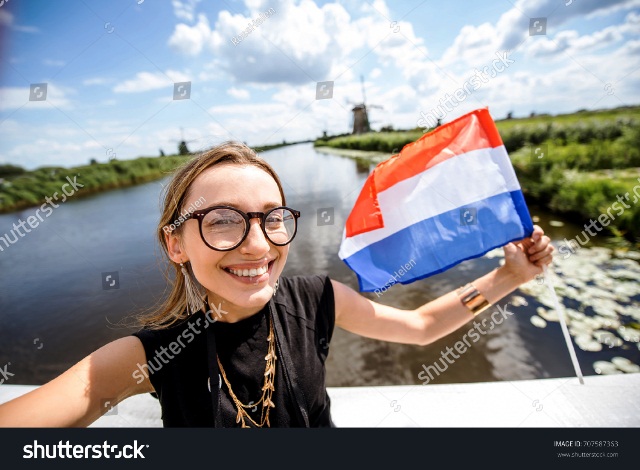
🇳🇱 Top 10 Unique Habits People in the Netherlands Often Do
The Dutch are known for their practicality, directness, and distinctive cultural quirks. Here are 10 unique habits that people in the Netherlands often do — some might surprise you!
1. Riding Bicycles Everywhere 🚲
- The Dutch bike to work, school, grocery stores — even weddings!
- There are more bikes than people in the Netherlands.
- Cycling is a lifestyle, not just a mode of transport.
2. Being Extremely Direct 🗣️
- Dutch people say what they mean, without sugarcoating.
- It’s not considered rude — just honest.
- Even in business or feedback, they keep it straightforward.
3. Celebrating King’s Day in Orange 👑🧡
- On April 27th, the entire country dresses in orange.
- Street markets, parties, and canal parades flood the cities.
- It’s a loud, proud, and festive celebration of Dutch royalty.
4. Having Bread for Lunch 🍞
- A typical Dutch lunch is simple: bread with cheese (broodje kaas), ham, or chocolate sprinkles (hagelslag).
- No hot meals — just practical, efficient, and tasty.
5. Splitting the Bill (Going Dutch) 💳
- Even on dates or birthdays, it’s common to split the bill.
- Financial independence is valued and expected.
6. Using Agendas to Schedule Everything 📅
- Want to meet a Dutch friend? Better schedule weeks ahead!
- Even social catch-ups are often planned in advance.
7. Keeping Curtains Open 🪟
- Many Dutch homes leave their curtains open, even at night.
- It reflects their value of transparency and having “nothing to hide.”
8. Loving Drop (Licorice) 🖤
- The Dutch eat more licorice per person than any other country.
- Comes in sweet, salty, chewy, or super strong varieties — and is an acquired taste!
9. Bringing Their Own Birthday Cake 🎂
- On your birthday, you bring cake or treats to work or school.
- People congratulate you on your birthday — and also your family members!
10. Obsessing Over the Weather 🌦️
- Small talk often starts with: “Lekker weer hè?” (Nice weather, huh?)
- Apps are constantly checked for rain predictions — biking in the rain is a national sport!
🇳🇱 Unique Dutch Habit: Riding Bicycles Everywhere 🚲
In the Netherlands, cycling isn’t just transportation — it’s a way of life. Whether you’re a student, a businessperson, a parent with kids, or even dressed for a formal event, you’ll see people on bikes in all seasons and for all reasons.
🚴 What This Looks Like:
- Dedicated bike lanes everywhere, even in tiny villages
- Parents cycling with multiple children and groceries on cargo bikes (bakfiets)
- People biking to work, school, bars — sometimes even in a suit or high heels
- Bikes parked in massive, multi-level garages — like at Amsterdam Central Station
🧠 Why It’s So Dutch:
- The country is flat and compact, perfect for biking
- Dutch cities are designed for cyclists first, not cars
- Biking is eco-friendly, cheap, and fast — no traffic jams or parking stress
- Kids are taught road cycling rules early, often before they can drive
💡 Fun Fact:
There are over 23 million bicycles in the Netherlands — more than the entire population!
🇳🇱 Unique Dutch Habit: Being Extremely Direct 🗣️
The Dutch are famously blunt and brutally honest — and they wear it like a badge of honor. Whether in the workplace, at dinner, or even with strangers, saying exactly what you mean is not just accepted — it’s expected.
🗨️ What This Sounds Like:
- “You look tired.” (Just an observation, not an insult!)
- “No, I don’t like that idea.” (Said calmly and sincerely.)
- “That’s not true.” (Even if you’re the boss!)
🧠 Why It’s So Dutch:
- Honesty is seen as a form of respect and transparency
- Sugarcoating is considered unnecessary or even insincere
- People value clarity and efficiency — no beating around the bush
- Children are raised to speak up and express their opinions from a young age
💡 Cultural Tip:
If you’re new to Dutch culture, don’t take it personally — their directness is not meant to offend. It’s simply a practical way of communicating.
🇳🇱 Unique Dutch Habit: Celebrating King’s Day in Orange 👑🧡
King’s Day (Koningsdag), held every year on April 27th, is one of the most festive and iconic days in the Netherlands. It celebrates the birthday of King Willem-Alexander, and the entire country turns into a sea of bright orange — the color of the Dutch royal family, the House of Orange-Nassau.
🎉 What You’ll See:
- Everyone dressed head-to-toe in orange: wigs, hats, sunglasses, even face paint
- Giant street parties, live music, and DJ sets across cities
- “Vrijmarkt” (Free Market): a national flea market where anyone can sell stuff
- Boat parades packed with orange-clad revelers in Amsterdam’s canals
- Orange drinks, orange food… even orange beer!
🧠 Why It’s So Dutch:
- Shows the Dutch love of unity, fun, and national pride — without formality
- The flea market tradition reflects their thriftiness and love of reusing things
- It’s one of the rare times when Dutch modesty gives way to full-blown celebration
💡 Fun Fact:
If the weather’s good, over a million people can be out partying in Amsterdam alone. Trains even run on special schedules to handle the crowds!
🇳🇱 Unique Dutch Habit: Having Bread for Lunch 🍞
In the Netherlands, lunch is simple, practical, and often cold — typically consisting of slices of bread (boterhammen) with a variety of toppings. It’s not laziness; it’s efficient, no-fuss, and deeply Dutch.
🍽️ What You’ll See:
- Brown or white bread with butter and:
- Cheese (Gouda is a favorite)
- Ham or other deli meats
- Peanut butter (pindakaas)
- Sweet sprinkles like hagelslag (yes, chocolate sprinkles on bread!)
- Served with a glass of milk, juice, or coffee
- Eaten at work, school, or even picnics — sometimes carried in bread boxes
🧠 Why It’s So Dutch:
- Reflects the Dutch values of efficiency and frugality
- Seen as a balanced, no-frills meal that gets the job done
- Hot meals are saved for dinner — lunch is more about refueling quickly
💡 Fun Fact:
In schools, kids often bring bread-based lunches from home, and eating something “too fancy” for lunch might even get you odd looks!
🇳🇱 Unique Dutch Habit: Splitting the Bill (Going Dutch) 💳
The phrase “Going Dutch” literally comes from the Netherlands — and it’s a real cultural norm. Whether it’s a dinner date, drinks with friends, or even a birthday celebration, everyone pays their own fair share.
💸 What You’ll See:
- A group at a restaurant calculating down to the cent who owes what
- Couples splitting the bill even on romantic dates
- Using payment apps like Tikkie to send quick “pay me back” requests
- No awkwardness — it’s just the expected way to do things
🧠 Why It’s So Dutch:
- The Dutch value equality, fairness, and independence
- It’s not stingy — it’s seen as respectful and practical
- There’s no embarrassment in paying separately — it avoids debt or obligation
💡 Fun Fact:
The app Tikkie became wildly popular in the Netherlands because it fits perfectly with this habit — people use it casually even for small amounts like €2.
🇳🇱 Unique Dutch Habit: Using Agendas to Schedule Everything 📅
In the Netherlands, spontaneity often takes a back seat to planning. Whether it’s a casual coffee or a dinner with close friends, Dutch people are famous for booking social time in their agendas — sometimes weeks in advance.
🗓️ What You’ll See:
- “Let’s check our agendas” is a common phrase, even among family members
- Playdates for kids are planned like business meetings
- A simple get-together might be scheduled a month ahead
- Birthday parties often come with formal printed or digital invitations
🧠 Why It’s So Dutch:
- Reflects values of time management, structure, and respect for others’ time
- Dutch people value work-life balance — scheduling helps maintain it
- Being well-organized is seen as thoughtful, not rigid
- Even leisure is something to be efficient and fair about
💡 Fun Fact:
You might hear the phrase “Agenda’s erbij pakken” (let’s grab our agendas) before making any plans — it’s not rude, it’s just how things are done.
🇳🇱 Unique Dutch Habit: Keeping Curtains Open 🪟
Walk down a residential street in the Netherlands and you’ll notice something curious: many Dutch homes have their curtains wide open — even in the evening. You can often see cozy living rooms, tidy interiors, and sometimes even dinner in progress.
👀 What You’ll See:
- Neatly decorated windows with plants, candles, or knick-knacks
- No blinds or heavy curtains — just open views into everyday life
- People inside not bothered at all by being seen from the street
🧠 Why It’s So Dutch:
- Rooted in a cultural value of openness, honesty, and “nothing to hide”
- Reflects Calvinist influence: privacy exists, but secrecy is frowned upon
- A tidy home is a point of pride, not something to hide away
- Also linked to a love of natural light in a climate that’s often grey
💡 Fun Fact:
In Dutch culture, peeking into someone’s window isn’t considered rude — but don’t stare, and definitely don’t comment on what you see!
🇳🇱 Unique Dutch Habit: Loving Drop (Licorice) 🖤
The Dutch have an intense and unique love affair with drop — a type of black licorice that comes in countless flavors, shapes, and salt levels. For many visitors, it’s an acquired taste… but for the Dutch, it’s a national obsession.
🍬 What You’ll See:
- Whole aisles of drop in supermarkets — from mild and sweet to salty and strong
- Shapes like coins, diamonds, animals — even medicated varieties
- Locals casually snacking on it at work, at home, or while driving
- Some drop is so salty or intense, it leaves foreigners shocked!
🧠 Why It’s So Dutch:
- Deep-rooted tradition going back centuries
- Reflects Dutch taste for bold, intense, no-nonsense flavors
- A mix of nostalgia, habit, and national identity
- Many Dutch grow up with it — it’s practically a rite of passage
💡 Fun Fact:
The Netherlands eats more licorice per capita than any country in the world — nearly 2 kg per person per year!
🇳🇱 Unique Dutch Habit: Bringing Their Own Birthday Cake 🎂
In the Netherlands, the birthday person (de jarige) is the one who treats everyone else. Instead of expecting gifts or surprises at the office, Dutch colleagues show up with homemade or bakery‐bought taart (cake), vlaai, or pastries for co‑workers, classmates, and even their sports team.
🎁 What You’ll See
- The jarige arrives at work carrying one or two big cakes or boxes of gebak.
- They make a quick round of the office saying “Ik trakteer!” (“My treat!”).
- Everyone lines up for a slice and offers congratulations: “Gefeliciteerd!”.
- Family and close friends may also congratulate other family members: “Gefeliciteerd met je dochter!” (Congrats on your daughter’s birthday!).
🧠 Why It’s So Dutch
- Modesty & equality: You don’t burden others; you share your joy.
- Practicality: A simple way to mark the day without elaborate parties.
- Reciprocity: Today you treat; next month it’s a colleague’s turn.
- The same principle applies in bars—on your birthday you buy the first round.
💡 Fun Fact
Forget birthday punches; Dutch kids bring trays of treats to school called “traktaties.” Teachers often keep a special birthday chair decked out with balloons for the jarige.
🇳🇱 Unique Dutch Habit: Obsessing Over the Weather 🌦️
If there’s one topic that never gets old in the Netherlands, it’s the weather. With its unpredictable skies, rain that appears out of nowhere, and four seasons in a single day, the Dutch have developed a kind of national hobby: talking (and worrying) about the weather.
☁️ What You’ll Hear:
- “Het is droog… voor nu.” (It’s dry… for now.)
- “Heb je buienradar al gecheckt?” (Did you check the rain radar?)
- “Lekker weertje, hè?” (Nice weather, huh?) – said even when it’s barely tolerable.
- “Eindelijk zon!” (Finally, sun!) – cue mass migration to outdoor cafés.
🧠 Why It’s So Dutch:
- The weather changes constantly, often several times a day
- It affects commutes (especially by bike), clothing, and moods
- Small talk starter? Always the weather
- Apps like Buienradar are checked religiously — multiple times a day
💡 Fun Fact:
The moment the sun comes out, parks fill up instantly, terraces overflow, and everyone seems to disappear from indoors. It’s like a national emergency — but in a happy way