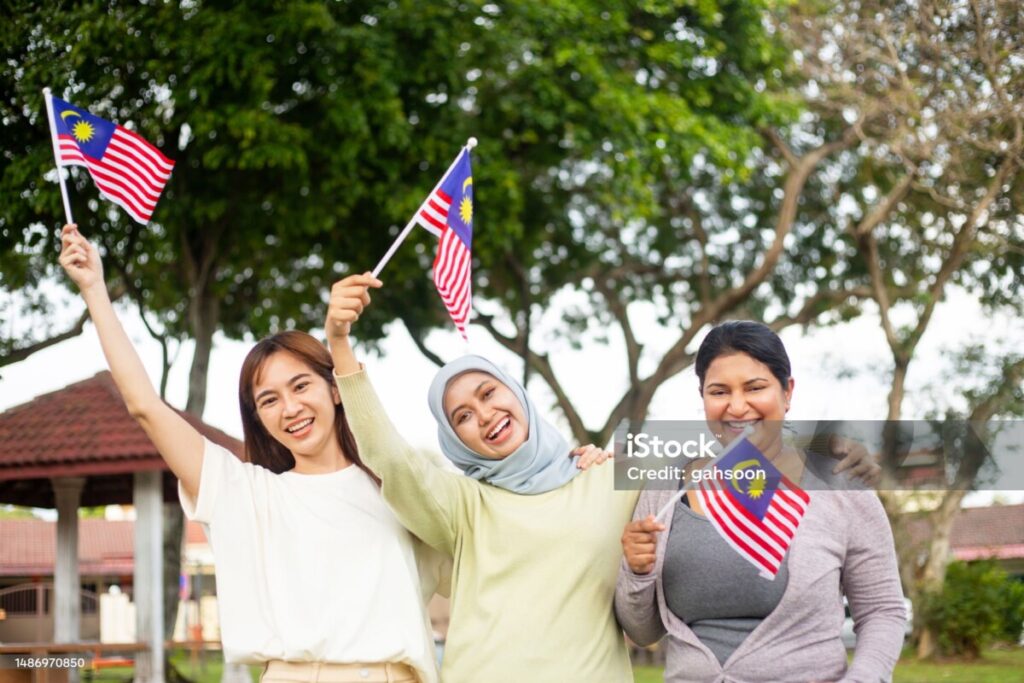
Absolutely! 🇲🇾 Malaysia is a beautiful multicultural nation with rich traditions shaped by Malay, Chinese, Indian, and Indigenous influences. Here’s a look at the Top 10 Unique Habits Malaysian People Often Do:
🇲🇾 1. Eating with Hands (Especially for Malay and Indian Meals) ✋🍛
It’s common for Malaysians to eat rice-based meals with their right hand, especially in traditional Malay or Indian households. It’s seen as more connected and flavorful — but etiquette and hygiene matter!
🇲🇾 2. Taking Off Shoes Before Entering Homes and Mosques 👟🚪
Removing shoes is a sign of respect and cleanliness. It’s mandatory in homes, mosques, and some traditional places like certain restaurants and temples.
🇲🇾 3. Mixing Languages in One Sentence (Manglish) 🗣️🇲🇾
Malaysians often mix Malay, English, Chinese dialects, and Tamil into casual speech.
Example: “Can lah,” “Don’t like that meh?” — It’s playful, expressive, and totally Malaysian!
🇲🇾 4. Using “Lah,” “Meh,” and “Lor” in Speech
These sentence-ending particles add tone, meaning, or emotion.
- Lah = emphasis or friendliness
- Meh? = surprise or question
- Lor = resignation or casualness
They make conversations feel uniquely Malaysian.
🇲🇾 5. Calling Elders “Uncle” and “Aunty” (Even If Not Related) 👴👵
Out of respect, Malaysians often call older strangers Uncle or Aunty, regardless of race. It’s a warm, respectful way to address elders in public or community spaces.
🇲🇾 6. Obsessing Over Food — All Day Long! 🍲🧁
Food is national pride in Malaysia. From nasi lemak to roti canai, laksa to char kway teow, Malaysians talk about food, plan around food, and travel for food.
🇲🇾 7. Celebrating All Major Religious Holidays Together 🎉
Thanks to its diversity, Malaysians happily join each other’s festivals:
- Hari Raya Aidilfitri (Muslim)
- Chinese New Year
- Deepavali (Hindu)
- Christmas
It’s common to say “Selamat Hari Raya!”, “Gong Xi Fa Cai!”, or “Happy Deepavali!” regardless of your own faith.
🇲🇾 8. Using Both Hands or the Right Hand for Giving and Receiving 🙏
It’s polite to pass items with your right hand, or both hands for more formality. Using your left hand alone is considered impolite, especially when giving food or money.
🇲🇾 9. Drinking Teh Tarik and Kopi at Mamak Stalls ☕🍽️
Mamak stalls (Indian Muslim eateries) are a beloved hangout spot — open late, super casual, and famous for teh tarik (pulled milk tea), roti, and deep discussions about politics or football.
🇲🇾 10. Using “Can or Not?” for Almost Everything ✔️❌
“Can or not?” is a go-to phrase that means “Is that okay?” or “Is it possible?”. It’s casual, clear, and very Malaysian — reflecting their friendly but practical communication style.
🇲🇾 1. Eating with Hands (Especially for Malay and Indian Meals) ✋🍛
In Malaysia, eating with your hands is more than just a habit — it’s a cultural expression of connection, tradition, and flavor. Common among the Malay and Indian communities, this practice is done with grace and etiquette.
✋ Why Malaysians Eat with Hands:
- It’s traditional and practical — especially when eating rice dishes like nasi lemak, biryani, or banana leaf meals.
- Using your fingers allows you to mix flavors and textures as you eat.
- Many believe it enhances the taste and experience of the meal.
🍽️ The Right Way:
- Use only your right hand — the left is considered unclean in many cultural contexts.
- Take small portions, use your fingertips, and form a little scoop to push food into your mouth.
- Wash hands before and after — most traditional restaurants provide hand-washing stations.
🍛 Common Dishes Eaten by Hand:
- Nasi lemak
- Banana leaf rice
- Roti canai with curry
- Kampung-style meals
🇲🇾 Cultural Insight:
- While eating with cutlery is common too, many Malaysians switch easily between both methods.
- In formal events or when dining with elders, it’s important to show respect and neatness when eating by hand.
💡 Social Tip:
If you’re unsure whether it’s appropriate, just look around the table — and if you give it a try, Malaysians will appreciate your effort to embrace their culture.
🇲🇾 2. Taking Off Shoes Before Entering Homes and Mosques 👟🚪
In Malaysia, removing your shoes before entering someone’s home, a mosque, or even some traditional shops and establishments is a sign of respect, cleanliness, and cultural awareness.
👟 Why This Habit Exists:
- Islamic tradition and Malay customs emphasize purity and hygiene, especially in places of worship and living spaces.
- Shoes carry dirt from the outside world — and it’s considered disrespectful to bring that into clean spaces.
- Homes and mosques often have carpeted or prayer areas, which must be kept clean.
🕌 In Mosques:
- Everyone, regardless of religion, must remove their footwear before stepping into the mosque compound.
- Shoe racks are provided, and barefoot walking or socks are the norm inside.
- Visitors are also expected to dress modestly and act respectfully.
🏡 In Homes:
- Whether Malay, Chinese, or Indian households, it’s almost always expected that you remove your shoes at the door.
- Hosts often provide indoor slippers or simply allow barefoot walking.
- It’s a universal Malaysian courtesy — skipping it may be seen as inconsiderate.
🇲🇾 Cultural Insight:
- This habit reflects the Malaysian value of respecting others’ space and maintaining cleanliness — and it’s one of the first signs of good manners when visiting someone.
💡 Social Tip:
If you’re unsure, look for a shoe rack or pile of shoes near the entrance — it’s your cue to follow suit!
🇲🇾 3. Mixing Languages in One Sentence (Manglish) 🗣️🇲🇾
Manglish — short for Malaysian English — is a fun, expressive mix of English, Malay, Chinese dialects (like Hokkien or Cantonese), and Tamil used in everyday conversation across Malaysia. It’s not formal English — it’s casual, local, and full of personality!
🗣️ What Makes Manglish Unique?
- Words and phrases are often borrowed and blended across languages in one sentence.
- It’s commonly used among friends, at food stalls, in markets, and on social media.
- Manglish isn’t about grammar — it’s about being real and relatable.
💬 Common Manglish Examples:
- “You eat already or not?” (Direct, casual way of asking if someone’s had a meal)
- “Don’t like that lah, so sensitive for what?”
- “Can or not?”
- “Wait here a bit can ah?”
- “Today very hot, want go kopi or not?”
🔄 Common Features:
- “Lah, leh, lor, meh” — sentence-ending particles that change tone and emotion.
- Code-switching — mixing Malay (boleh, makan), Chinese (aiyo, tapao), or Tamil words into English phrases.
- Direct and simplified grammar — reflecting local speech patterns, not textbook rules.
🇲🇾 Cultural Insight:
Manglish reflects Malaysia’s linguistic diversity and informal friendliness. It’s not used in formal writing, but it’s loved for its charm and identity.
💡 Fun Fact:
Even Malaysians abroad tend to revert to Manglish when speaking with fellow countrymen — it’s an instant connection to home.
🇲🇾 4. Using “Lah,” “Meh,” and “Lor” in Speech 😄
One of the most iconic features of Malaysian everyday speech is the use of sentence-ending particles like “lah,” “meh,” “lor,” “mah,” and “ah” — a signature of Manglish (Malaysian English) and local dialects. These little words don’t have direct English translations, but they add tone, emotion, and attitude to a sentence.
🗣️ What They Mean (Roughly):
| Particle | Meaning or Use Case | Example |
|---|---|---|
| Lah | Emphasis, friendliness, persuasion | “Don’t worry lah!” / “Can do lah!” |
| Meh | Surprise or disbelief | “So cheap meh?” / “He can do meh?” |
| Lor | Resignation or casualness | “Up to you lor.” / “Like that lor.” |
| Mah | Obviousness or reasoning | “Of course lah, it’s like that mah!” |
| Ah? | Question or soft prompt | “You want to go eat, ah?” |
😆 Why Malaysians Use Them:
- To make speech less direct and more expressive.
- To reflect emotions or attitudes without changing the whole sentence.
- To create a sense of local identity and informality in conversations.
🇲🇾 Cultural Insight:
These words come from the influence of Cantonese, Hokkien, Malay, and Tamil, and are widely used regardless of ethnic background. Even in English sentences, you’ll hear them sprinkled throughout — they’re a true marker of Malaysian casual speech.
💡 Fun Tip:
If you’re learning to use them, start with “lah” — it’s the most versatile and accepted in nearly every context. Try saying, “Okay lah, I follow you,” and you’ll sound halfway
🇲🇾 5. Calling Elders “Uncle” and “Aunty” (Even If Not Related) 👴👵
In Malaysia, calling older people “Uncle” or “Aunty” — even when they’re not related to you — is a deeply rooted cultural norm that reflects respect, warmth, and community values.
🧓 Why Malaysians Do This:
- It’s a way to show respect to elders without needing to know their names.
- It creates a sense of familiarity and friendliness, even among strangers.
- It’s influenced by Malay, Chinese, and Indian customs, where age hierarchy is important.
👂 Common Situations:
- Calling your neighbor: “Morning, Aunty!”
- Asking a street vendor: “Uncle, how much is this?”
- Talking to your friend’s parents: “Thank you, Uncle and Aunty!”
🧭 Age Guidelines (Loosely):
- Uncle/Aunty = Anyone around your parents’ age
- Abang/Kakak (Malay) = Older brother/sister (used for slightly older people)
- Boss = Casual term for male vendors/drivers if you don’t know their name
- Bro/Sis = For young adults, especially in informal settings
🇲🇾 Cultural Insight:
- Malaysians avoid addressing older people by first names unless invited to.
- Even service staff may greet customers this way: “Hi Uncle, makan sini or bungkus?” (Eat here or takeaway?)
- It reflects Malaysia’s strong community culture — everyone’s kind of “family.”
💡 Social Tip:
When in doubt, using Uncle or Aunty is almost always safer than asking someone’s name — and people appreciate the politeness.
🇲🇾 6. Obsessing Over Food — All Day Long! 🍲🧁
In Malaysia, food isn’t just a meal — it’s a lifestyle. From early-morning roti canai to late-night mamak runs, Malaysians love to talk about food, plan around food, and travel for food. It’s a national obsession that unites all races, religions, and regions.
🍛 What Makes Malaysian Food Culture Unique?
- Incredible Diversity: A fusion of Malay, Chinese, Indian, Peranakan, and Indigenous cuisines.
- Non-stop Eating: Malaysians often eat 5–6 times a day, with smaller meals or snacks (makan-makan) in between.
- Food is a Love Language: “Sudah makan?” (Have you eaten?) is a common greeting.
- No Celebration Without Food: Festivals, birthdays, even work meetings revolve around meals.
🌍 Must-Try Malaysian Dishes:
- Nasi lemak – Coconut rice with sambal, egg, anchovies, and peanuts
- Char kway teow – Smoky stir-fried flat noodles
- Roti canai – Flaky flatbread with dhal or curry
- Satay – Grilled skewers served with peanut sauce
- Laksa – Spicy noodle soup (varies by region)
- Cendol & kuih – Colorful sweet treats
🏪 Where Malaysians Eat:
- Hawker stalls
- Mamak restaurants (Indian Muslim eateries)
- Coffee shops (kopitiams)
- Night markets (pasar malam)
- And of course… at any friend or relative’s house (expect to be fed!)
🇲🇾 Cultural Insight:
Food is how Malaysians bond, express hospitality, and celebrate identity. A “foodie” here isn’t a niche thing — it’s basically everyone.
💡 Fun Tip:
If you ask a Malaysian where to eat, they’ll give you at least five suggestions — and probably offer to take you there!
🇲🇾 7. Celebrating All Major Religious Holidays Together 🎉
In Malaysia, multiculturalism isn’t just a policy — it’s a way of life. Malaysians of different religions and ethnicities celebrate each other’s festivals, creating a vibrant calendar of shared joy, food, and open houses. This spirit of mutual respect and harmony is a defining feature of Malaysian society.
✨ Major Religious Holidays Everyone Joins In:
- Hari Raya Aidilfitri (Eid al-Fitr) – Celebrated by Muslims after Ramadan with open houses, new clothes, and feasting.
- Chinese New Year – Marked with lion dances, red packets (ang pow), and yee sang tossing for prosperity.
- Deepavali (Diwali) – The Hindu festival of lights, with colorful decorations (kolam), oil lamps, and sweets.
- Christmas – Celebrated with shopping, caroling, and festive meals, especially in cities and malls.
- Wesak Day – Buddhist celebration of Buddha’s birth, enlightenment, and death, with temple offerings and lanterns.
- Thaipusam – A Hindu Tamil festival known for colorful processions and acts of devotion at Batu Caves.
🏠 What Is “Open House”?
- A Malaysian tradition where people open their homes to friends, neighbors, and even strangers during festive seasons.
- Guests are served food (always lots of it!), and everyone is welcome, regardless of background.
🤝 Why It Matters:
- These celebrations foster unity, understanding, and friendship among Malaysia’s diverse ethnic groups: Malay, Chinese, Indian, and Indigenous peoples.
- Schools, offices, and government departments decorate and take part in all major festivals.
🇲🇾 Cultural Insight:
- It’s not unusual to hear a Chinese Malaysian say “Selamat Hari Raya,” or a Malay friend say “Gong Xi Fa Cai.”
- Public holidays reflect respect for all communities, with at least one major celebration nearly every month!
💡 Fun Tip:
If you’re visiting during any festive season, don’t be shy to join an open house — you’ll likely leave with a full belly, a goodie bag, and a few new friends
🇲🇾 8. Using Both Hands or the Right Hand for Giving and Receiving 🤲
In Malaysia, how you give or receive something is just as important as what you’re giving. It’s customary — and respectful — to use your right hand, or both hands when offering or accepting items, especially in formal or traditional settings.
🤲 Why It’s Important:
- In Malay and many Asian cultures, the left hand is considered unclean, historically used for hygiene.
- Using your right hand alone or both hands together shows politeness, humility, and good manners.
- It reflects respect for the recipient’s status, especially elders, religious figures, or during ceremonial acts.
✅ Common Situations:
- Giving or receiving gifts
- Handing over money or documents
- Exchanging business cards
- Offering food or drinks
- Greeting royalty or elders with gifts during festivals like Hari Raya
🤝 How to Do It:
- Right hand only – standard and polite in most daily exchanges.
- Both hands – used in formal settings or when offering something meaningful.
- You may also touch your left hand to your right elbow to show added respect (common in Malay customs).
🇲🇾 Cultural Insight:
- This habit reflects Malaysia’s values of modesty, respect, and harmony, especially across its diverse ethnic groups.
- In traditional ceremonies (e.g., Malay weddings, Chinese tea ceremonies, or Deepavali visits), hand etiquette is taken seriously.
💡 Social Tip:
When unsure, just use both hands — it’s always seen as thoughtful and polite.
🇲🇾 9. Drinking Teh Tarik and Kopi at Mamak Stalls ☕🍽️
In Malaysia, mamak stalls are more than just eateries — they’re community hubs, social hangouts, and national treasures. Whether it’s day or night (especially night!), people gather at mamaks to drink teh tarik, eat, chat, watch football, or just chill.
☕ What’s Teh Tarik?
- Teh Tarik literally means “pulled tea” — a strong black tea mixed with condensed milk, poured back and forth between two cups to create a frothy top and smooth flavor.
- It’s considered Malaysia’s national drink and is loved by all ethnic groups.
- Served hot or iced (teh ais), it’s a must-try.
☕ What About Kopi?
- Kopi = Malaysian-style coffee, usually brewed strong and sweetened with condensed or evaporated milk.
- Variants include:
- Kopi O (black, with sugar)
- Kopi C (with evaporated milk)
- Kopi Peng (iced coffee)
🍽️ What Are Mamak Stalls?
- Casual eateries run mostly by Indian-Muslim (Mamak) owners.
- Open late into the night or 24/7, and serve affordable, comforting food.
- Popular for dishes like roti canai, nasi kandar, maggi goreng, and mee mamak.
🧑🤝🧑 Why Malaysians Love Mamaks:
- Perfect for post-dinner hangouts or late-night snacks.
- A space where people from all walks of life gather — students, uncles, families, couples, taxi drivers, everyone.
- Football matches, gossip, politics, and endless cups of teh tarik flow here.
🇲🇾 Cultural Insight:
Mamak culture captures Malaysia’s laid-back, social, multicultural spirit. You don’t need a reservation, a plan, or even a reason — just say, “Lepak at mamak?” (“Wanna hang out?”) and you’re good to go.
💡 Fun Tip:
Want to sound local? Order like this:
“Boss, teh tarik kurang manis, satu!” (One less-sweet teh tarik, please!)
🇲🇾 10. Using “Can or Not?” for Almost Everything ✔️❌
In Malaysia, the phrase “Can or not?” is an everyday expression that’s short, sweet, and incredibly versatile. It captures the practical, no-fuss communication style of Malaysians — and you’ll hear it everywhere, from food stalls to offices to casual chats.
🗣️ What Does It Mean?
“Can or not?” simply means:
👉 Is that okay?
👉 Is that possible?
👉 Can we do this?
👉 Are you okay with that?
It’s direct, but with a casual, friendly tone.
💬 Common Examples:
- “We meet at 8pm, can or not?”
- “This price can or not?”
- “You help me do this, can or not?”
- “Try eat spicy food lah — can or not?”
- “Boss, park here can or not?”
🔄 Related Phrases:
- “Can lah” – Yes, sure!
- “Cannot lah” – Nope, not possible.
- “Can meh?” – Really? Are you sure?
- “Try first, see how lah.” – Let’s give it a go.
🇲🇾 Cultural Insight:
This phrase reflects Malaysia’s multilingual, informal, and efficient way of speaking. It combines English structure with local rhythm and attitude, making communication simple but expressive.
It’s also a great example of how Malaysians use language to soften requests — not too pushy, but clear.
💡 Fun Tip:
Using “Can or not?” makes you sound more Malaysian instantly. Try it with a smile and you’ll blend right in!