amber rose


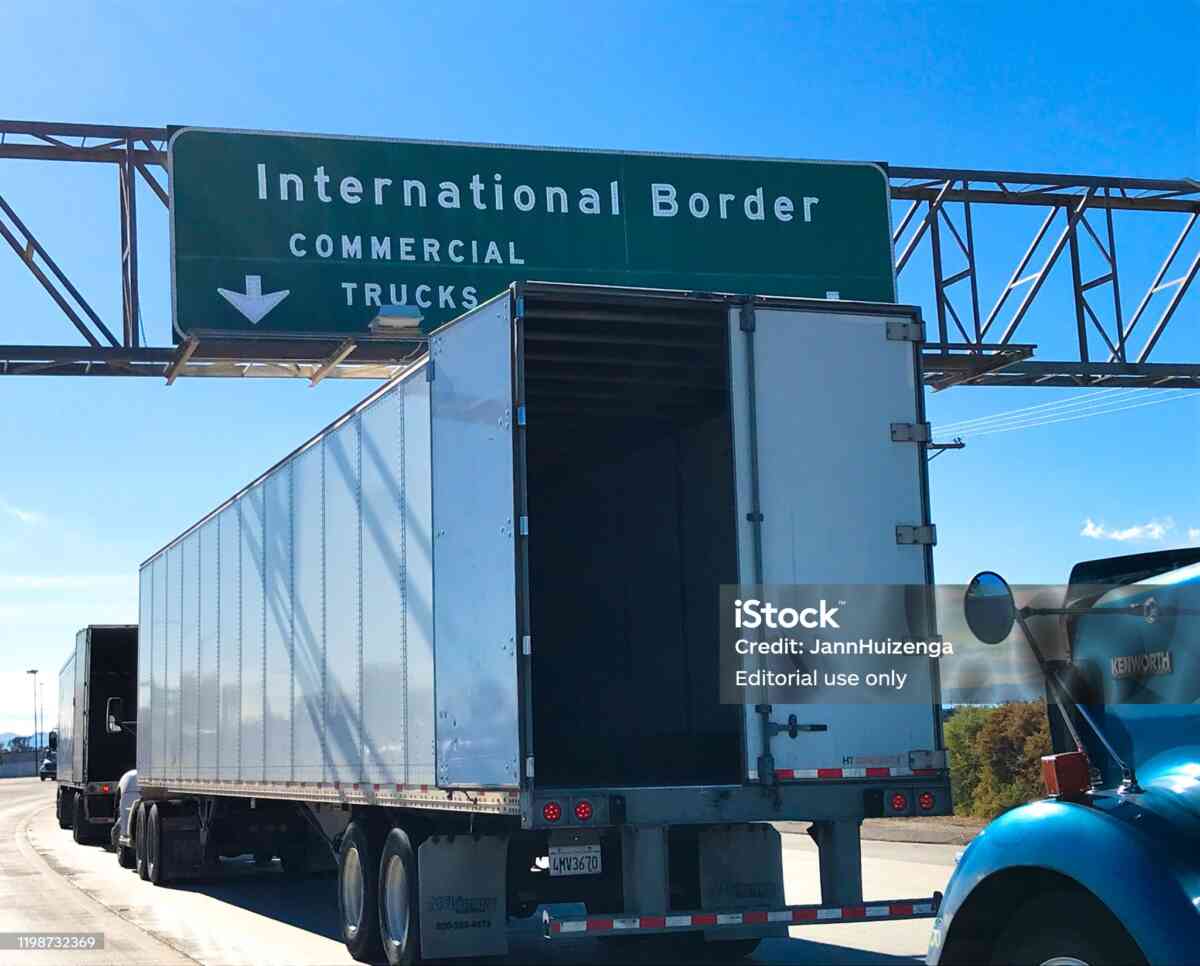

Introduction: Why Cross-Border Commerce Becomes Canada’s Biggest Growth Engine
By 2026, cross-border e-commerce is no longer a niche opportunity for Canadian businesses — it is a strategic necessity. Domestic growth alone can no longer sustain aggressive revenue targets. At the same time, global consumers increasingly trust Canadian brands for quality, safety, sustainability, and transparency.
Cross-border commerce unlocks:
-
New customer bases
-
Higher average order values
-
Premium CPC traffic
-
Stronger brand positioning
For advertisers, this category attracts finance, payments, logistics, enterprise SaaS, and compliance brands — all of which drive exceptionally high CPC, CPM, and RPM.
This article explores why cross-border commerce explodes between Canada and global markets by 2026, the challenges involved, and how businesses and publishers can monetize this shift.
1. Understanding Cross-Border E-Commerce in 2026
Cross-border e-commerce refers to buying and selling goods and services across national borders through digital platforms.
By 2026, cross-border commerce is:
-
Mobile-first
-
AI-assisted
-
Logistics-optimized
-
Payment-localized
-
Regulation-aware
It is no longer about “shipping internationally” — it is about operating globally by default.
2. Why Canada Is Perfectly Positioned for Global E-Commerce
Canada holds a unique strategic position.
A. Trusted Country of Origin
Globally, “Made in Canada” signals:
-
Safety
-
Quality
-
Ethical production
-
Regulatory compliance
This trust increases conversion rates internationally.
B. Proximity to the United States
The Canada–US corridor is the largest cross-border e-commerce flow in the world:
-
Fast shipping
-
Familiar payment methods
-
Shared language and culture
C. Strong Trade Agreements
Agreements with:
-
United States
-
European Union
-
Asia-Pacific markets
…reduce friction and increase scalability.
3. Why Cross-Border Traffic Delivers Higher CPC and RPM
Cross-border shoppers are high-intent and high-value.
Advertisers That Bid Aggressively
-
Payment processors
-
Foreign exchange platforms
-
Logistics providers
-
Tax compliance software
-
Enterprise e-commerce platforms
These sectors consistently produce top-tier CPCs.
User Behavior Benefits
Cross-border users:
-
Research deeply
-
Compare prices
-
Buy in higher volumes
This boosts engagement metrics — increasing CPM and RPM.
4. The Canadian Consumer as a Global Buyer
Canadian consumers actively shop abroad.
Why Canadians Buy Internationally
-
Price advantages
-
Product exclusivity
-
Brand diversity
Top Source Markets
-
United States
-
Europe
-
Japan
-
South Korea
Retailers who simplify cross-border buying capture strong loyalty.
5. The Canadian Merchant as a Global Seller
Canadian sellers expand internationally to:
-
Escape domestic saturation
-
Increase AOV
-
Hedge currency risk
Top Export Categories
-
Apparel & lifestyle
-
Health & wellness
-
Beauty & skincare
-
Supplements
-
Outdoor & winter gear
These categories attract premium international search traffic.
6. Currency, Payments, and the Conversion Barrier
Payment friction is the biggest cross-border killer.
High-Conversion Payment Strategies
-
Local currency pricing
-
Transparent FX rates
-
Multiple payment methods
-
Local digital wallets
When payment friction drops, conversion rates spike.
7. Customs, Duties, and Tax Transparency
Unexpected fees destroy trust.
Winning Strategies
-
Landed cost calculators
-
Duty-paid delivery (DDP)
-
Clear tax explanations
Transparency increases:
-
Checkout completion
-
Repeat purchases
-
Ad trust scores
8. International Shipping and Fulfillment Optimization
Shipping speed determines success.
2026 Shipping Standards
-
Real-time tracking
-
Local fulfillment hubs
-
Smart routing algorithms
Canadian brands that invest in logistics infrastructure outperform competitors globally.
9. International SEO: Capturing Global Demand
Global SEO is critical.
International SEO Essentials
-
Country-specific domains or subfolders
-
Localized keywords
-
Multilingual content
-
Regional backlinks
International search traffic often delivers higher CPC than domestic traffic.
10. Localization Beyond Language
True localization includes:
-
Currency
-
Sizing standards
-
Measurement units
-
Cultural messaging
Localized experiences convert better — and monetize higher.
11. Cross-Border Marketplaces vs Direct-to-Consumer
Marketplaces
-
Fast access
-
Built-in trust
-
Lower margins
DTC Expansion
-
Higher margins
-
Full data ownership
-
Better RPM for publishers
Many Canadian brands use hybrid models.
12. Fraud, Risk, and AI Protection
Cross-border fraud risks are real.
AI-Powered Protection
-
Behavior analysis
-
Geo-risk scoring
-
Transaction monitoring
Security builds trust and protects margins.
13. Subscription Commerce Across Borders
Subscriptions amplify cross-border value.
Why Subscriptions Work
-
Predictable revenue
-
Customer stickiness
-
Simplified repeat shipping
Cross-border subscriptions are growing fast in wellness and consumables.
14. Cross-Border Commerce and Sustainability
Global trade must be responsible.
Sustainable Practices
-
Carbon-neutral shipping
-
Consolidated deliveries
-
Ethical sourcing
Sustainability improves international brand perception and engagement.
15. The Future of Cross-Border Commerce Beyond 2026
Next-phase innovations:
-
AI-driven market entry decisions
-
Automated compliance
-
Instant global checkout
-
Borderless digital wallets
Cross-border becomes invisible.
Conclusion: Cross-Border Commerce Is Canada’s Ultimate Growth Multiplier
By 2026, cross-border e-commerce is the highest-leverage growth strategy for Canadian brands and publishers.
It delivers:
-
Higher CPC
-
Stronger CTR
-
Premium CPM
-
Long-term RPM growth
Those who build global-ready systems today will dominate tomorrow’s digital trade.