amber rose
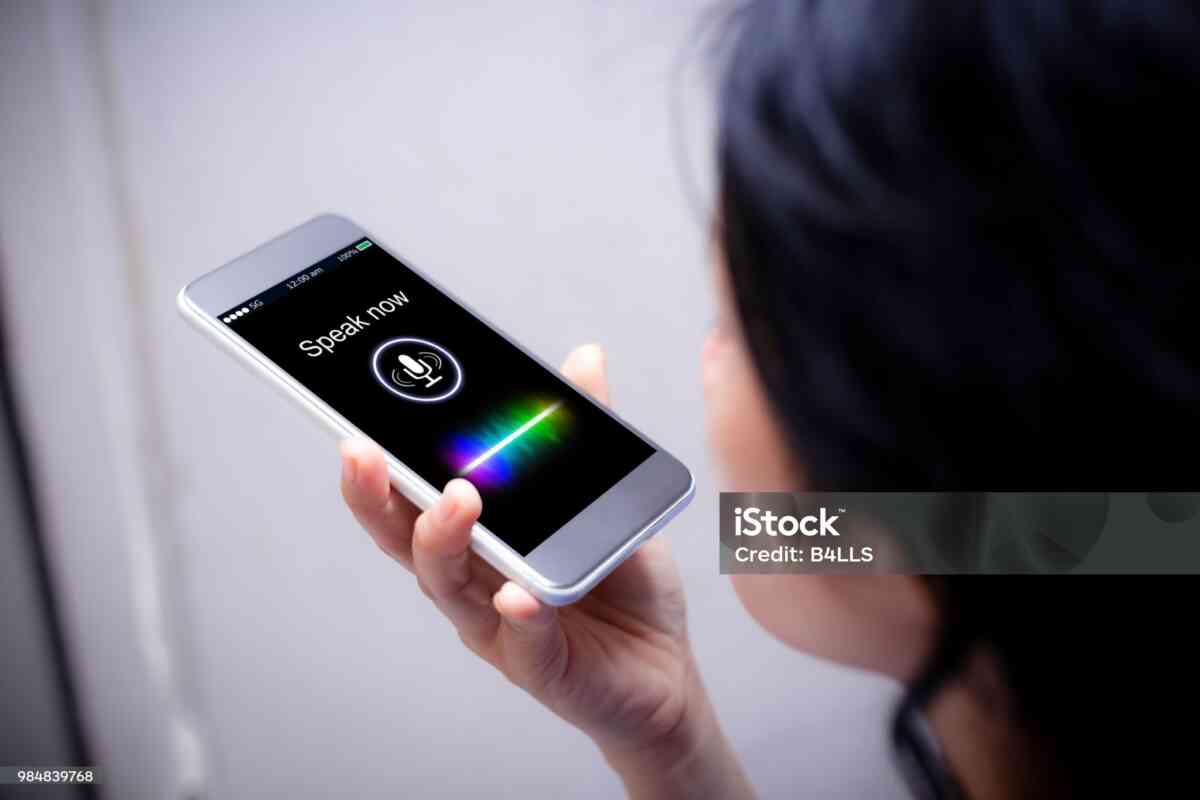
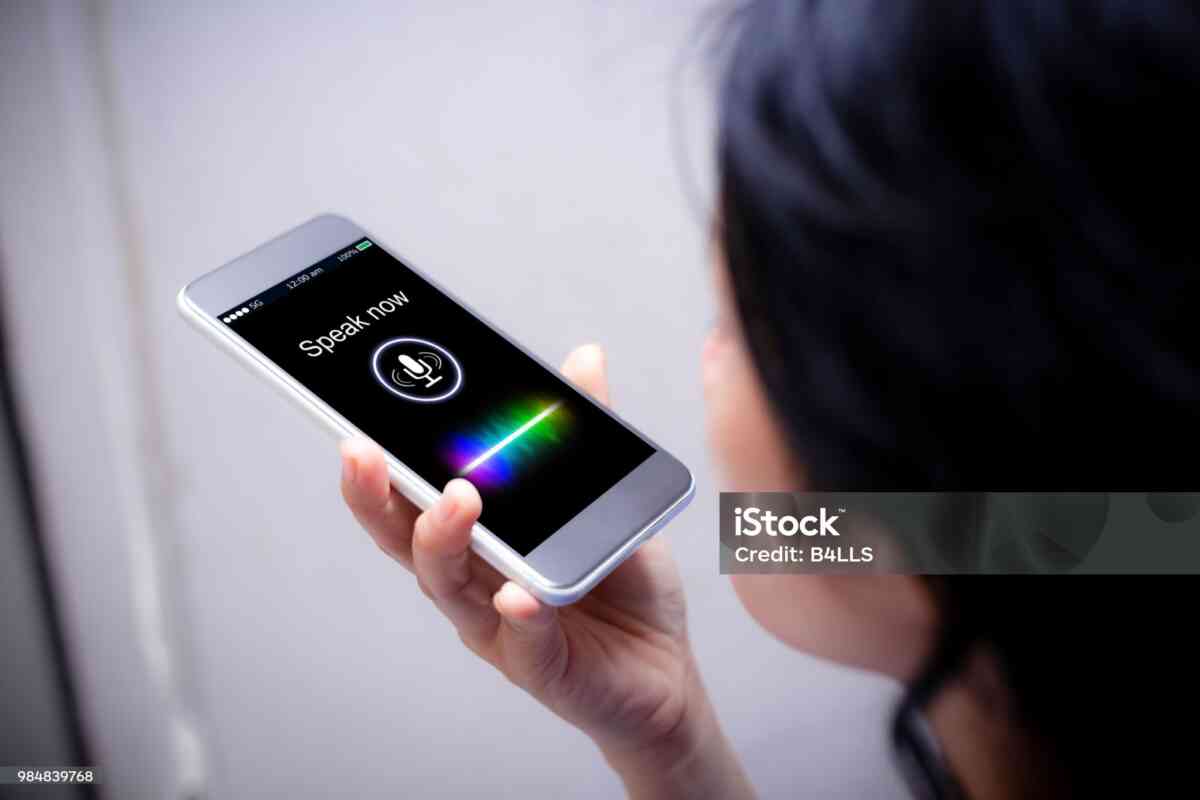
Introduction: Why Voice Commerce Becomes a Breakthrough Channel in 2026
By 2026, voice search and conversational commerce will fundamentally change how Canadians discover, evaluate, and purchase products online. What started as a convenience feature for weather updates and reminders has evolved into a powerful commercial interface — one that removes friction, shortens decision cycles, and dramatically increases conversion intent.
Canadian consumers increasingly expect:
-
Hands-free interactions
-
Natural language responses
-
Instant answers without scrolling
-
Shopping that feels human, not transactional
Voice commerce satisfies all of these demands — and for advertisers, publishers, and e-commerce brands, it unlocks premium CPC, higher CTR, and stronger RPM due to its high-intent nature.
This article explores why voice search explodes in Canadian e-commerce by 2026, how conversational interfaces reshape SEO and advertising, and how businesses can capitalize on this shift for maximum monetization.
1. Understanding Voice Search and Conversational Commerce
What Is Voice Search?
Voice search allows users to speak queries instead of typing them. These queries are:
-
Longer
-
More specific
-
More intent-driven
-
More conversational
Example:
-
Typed: “wireless headphones Canada”
-
Voice: “What are the best noise-canceling wireless headphones under $300 in Canada?”
What Is Conversational Commerce?
Conversational commerce uses AI-powered dialogue (voice or chat) to guide users through:
-
Product discovery
-
Comparison
-
Purchase
-
Post-sale support
By 2026, voice assistants act as shopping concierges, not just search tools.
2. Why Canada Is a Prime Market for Voice Commerce
Canada’s unique characteristics accelerate voice adoption.
A. High Smart Device Penetration
-
Smartphones dominate daily browsing
-
Smart speakers widely adopted in urban households
-
Voice assistants embedded in cars, TVs, and appliances
B. Multitasking Lifestyle
Canadian consumers frequently:
-
Search while driving
-
Shop while cooking
-
Research products while working remotely
Voice removes friction in these moments.
C. Linguistic Diversity
-
English and French queries
-
Regional accents
-
Local phrasing differences
AI voice systems now handle this complexity — making Canada an ideal testbed.
3. Why Voice Search Produces Higher CPC and CTR
High Intent by Default
Voice queries are rarely casual. Users asking aloud are usually:
-
Ready to buy
-
Comparing options
-
Looking for recommendations
This leads to:
-
Higher advertiser bids (CPC)
-
Better click relevance (CTR)
Fewer Results, Higher Value
Voice assistants typically return:
-
One primary answer
-
One product suggestion
-
One recommended brand
This winner-takes-most model drives competition — and premium ad pricing.
4. How Voice Search Changes SEO Forever
Traditional SEO focuses on keywords. Voice SEO focuses on intent, context, and questions.
Characteristics of Voice SEO
-
Long-tail phrases
-
Question-based queries
-
Natural sentence structure
-
Conversational tone
High-Value Voice Query Examples
-
“Best mortgage rate comparison in Canada right now”
-
“Which laptop is best for remote work in Canada?”
-
“Where can I buy eco-friendly winter boots near me?”
These queries attract finance, tech, insurance, and retail advertisers — all high CPC niches.
5. Conversational AI as a Sales Engine
By 2026, conversational AI does more than answer questions.
AI Shopping Assistants Can:
-
Ask clarifying questions
-
Filter products by preferences
-
Compare prices and features
-
Recommend bundles
-
Handle objections in real time
This mirrors in-store sales psychology — but at scale.
Revenue Impact
-
Higher conversion rates
-
Larger average order values
-
Lower bounce rates
-
Stronger ad performance metrics
6. Voice Commerce Across the Buyer Journey
Discovery Phase
Users ask:
-
“What’s trending in home fitness in Canada?”
-
“Best winter jackets for Toronto weather”
AI provides curated answers — not lists.
Consideration Phase
-
Side-by-side comparisons
-
Pros and cons summaries
-
Personalized recommendations
Purchase Phase
-
Voice-enabled checkout
-
Saved payment preferences
-
One-command reordering
Each phase creates monetizable intent signals.
7. Local Voice Search and Hyperlocal Commerce
Voice search heavily favors local intent.
Examples
-
“Order groceries near me”
-
“Same-day electronics delivery in Vancouver”
-
“Best pharmacy open now in Montreal”
Local voice traffic delivers:
-
Extremely high CTR
-
Strong conversion rates
-
Premium CPM for geo-targeted ads
8. Voice Search + Mobile Commerce Synergy
Mobile and voice are inseparable.
Why Mobile Voice Converts Better
-
Always available
-
Context-aware
-
Location-enabled
-
Time-sensitive
Voice-enabled mobile shopping increases:
-
Engagement duration
-
Session value
-
Ad interaction rates
9. Voice Advertising: A New High-Value Ad Format
By 2026, voice advertising evolves beyond basic prompts.
Types of Voice Ads
-
Sponsored answers
-
Brand-recommended products
-
Conversational promotions
-
Voice-activated coupons
Because voice ads feel personal and contextual, they outperform traditional display ads in:
-
Recall
-
Trust
-
Conversion likelihood
10. Conversational Commerce for Content Publishers
Publishers benefit massively from voice optimization.
Monetization Benefits
-
Featured answer placement
-
Voice-driven traffic spikes
-
Higher RPM due to intent-rich visitors
Content Types That Win
-
FAQ pages
-
How-to guides
-
Comparison articles
-
Buying advice content
11. AI Chat + Voice Hybrid Experiences
Most commerce experiences blend:
-
Voice input
-
Chat interfaces
-
Visual confirmation
This hybrid approach:
-
Improves accessibility
-
Increases comfort
-
Boosts completion rates
12. Privacy, Trust, and Voice Data in Canada
Canadian users are privacy-aware — but willing to trade data for value.
Best Practices
-
Transparent voice permissions
-
Clear data usage explanations
-
Opt-in personalization
Trust increases engagement — and engagement increases RPM.
13. Industries in Canada That Benefit Most from Voice Commerce
High-CPC Winners
-
Finance & insurance
-
Telecom & internet providers
-
Electronics & gadgets
-
Home services
-
Healthcare & wellness
-
Travel & local services
Voice search accelerates decision-making in all these sectors.
14. Challenges and Limitations of Voice Commerce
Despite growth, challenges remain:
-
Limited screen visibility
-
Brand competition for top answer
-
Measurement complexity
-
Accent recognition edge cases
Winning brands invest early in voice-first strategy, not retrofits.
15. The Future of Voice Commerce Beyond 2026
Coming innovations include:
-
Emotion-aware voice AI
-
Personalized voice personas
-
Predictive voice recommendations
-
Seamless cross-device conversations
Voice becomes the default interface, not an alternative.
Conclusion: Voice Is the Most Valuable Traffic Source of 2026
Voice search and conversational commerce are not just trends — they are structural shifts in how Canadians interact with e-commerce.
For advertisers and publishers, voice traffic delivers:
-
Higher CPC
-
Stronger CTR
-
Premium CPM
-
Exceptional RPM
Those who optimize early will dominate visibility, trust, and revenue in Canada’s 2026 digital economy.