amber rose
Introduction: Why 2026 Is the Breakout Year for Social Commerce in Norway
Social commerce in Norway is no longer experimental — 2026 marks its transition into a core retail channel. What began as shoppable Instagram posts and influencer discount codes has evolved into a fully integrated commerce ecosystem, where discovery, trust, purchase, and loyalty all happen inside social platforms.
Norwegian consumers are uniquely positioned to lead this shift. With one of the world’s highest smartphone penetration rates, near-universal broadband access, and a population that deeply values convenience, transparency, and sustainability, Norway has become a prime market for social-first retail models.
In 2026, Norwegian consumers are increasingly asking:
-
Why leave Instagram, TikTok, or Snapchat to shop?
-
Why browse websites when creators already curate trusted products?
-
Why search when algorithms know what I want next?
This article explores how social commerce is accelerating in Norway, the platforms driving growth, the technologies reshaping buying behavior, and how brands and advertisers can profit in one of Europe’s highest-value digital markets.
1. Defining Social Commerce in 2026 (Beyond “Buy Buttons”)
In 2026, social commerce in Norway means far more than clickable product tags.
Modern Social Commerce Includes:
-
In-app checkout with Vipps, Apple Pay, and Klarna
-
Creator-led storefronts inside social platforms
-
Live shopping events with real-time inventory
-
AI-driven product discovery based on behavior, not search
-
Community-driven validation via comments, reactions, and UGC
-
Post-purchase engagement (returns, loyalty, support) within social apps
Norwegian shoppers increasingly never visit the brand’s website. The entire customer journey happens inside:
-
TikTok
-
Instagram
-
Snapchat
-
Facebook Groups
-
Emerging Nordic social platforms
This shift dramatically changes how brands allocate ad budgets, how SEO works, and how trust is built online.
2. Why Social Commerce Thrives in Norway Specifically
a) High Trust in Digital Systems
Norwegians trust:
-
Digital payments (Vipps adoption is near-universal)
-
Platform moderation
-
Verified creators and institutions
This trust lowers friction in social purchases compared to markets where fraud concerns remain high.
b) Small Market, High Purchasing Power
Norway’s relatively small population means:
-
Influencer communities feel personal and authentic
-
Niche creators thrive
-
CPMs are high, but conversion rates are higher
For advertisers, this equals premium traffic with strong intent.
c) Sustainability-Driven Buying Decisions
Social platforms are where:
-
Ethical sourcing stories are told
-
Circular economy brands gain traction
-
Second-hand and recommerce go mainstream
Sustainable brands see outsized success in Norwegian social commerce.
3. Platform-by-Platform Breakdown: Who Wins in 2026
TikTok: Norway’s Fastest-Growing Commerce Engine
By 2026, TikTok is Norway’s top product discovery platform for:
-
Fashion
-
Beauty
-
Home products
-
Fitness
-
Electronics accessories
Why TikTok dominates:
-
Algorithm-led discovery replaces search
-
Short-form video builds trust faster than ads
-
TikTok Shop–style integrations spread across Europe
Norwegian consumers don’t “shop on TikTok” — they discover products while being entertained, making conversion feel natural, not forced.
Instagram: The Premium Social Mall
Instagram in Norway evolves into a high-end digital shopping district.
Key strengths:
-
Strong appeal for fashion, lifestyle, design, and travel
-
Visual-first product validation
-
Seamless integration with Meta’s ad ecosystem
In 2026, Instagram favors:
-
Creator collaborations over brand-owned content
-
Story-based commerce over feed posts
-
AI-curated product suggestions
For luxury and design-driven brands, Instagram delivers exceptionally high RPM.
Snapchat: Norway’s Silent Commerce Powerhouse
Snapchat remains massively popular in Norway, especially among:
-
Gen Z
-
Young millennials
-
Urban consumers
In 2026:
-
AR try-ons drive conversion
-
Limited-time drops create urgency
-
Private messaging replaces public comments for sales
Snapchat commerce performs exceptionally well for:
-
Beauty
-
Fashion
-
Events
-
Youth-focused brands
Facebook Groups: Community-Driven Sales
While public Facebook usage declines, private groups thrive.
Norwegian buyers trust:
-
Local community groups
-
Parenting groups
-
Sustainability groups
-
Hobby-specific groups
In 2026, Facebook Groups function as:
-
Recommendation engines
-
Peer-reviewed marketplaces
-
Loyalty communities
This drives organic conversions with minimal ad spend.
4. Influencer Marketing Evolves Into Creator Commerce
In 2026, influencers are no longer just promoters — they are retailers.
Key Shifts:
-
Creators launch their own product lines
-
Revenue sharing replaces flat sponsorship fees
-
Long-term partnerships outperform one-off posts
Norwegian consumers prefer:
-
Micro-creators (5k–50k followers)
-
Authentic expertise over celebrity fame
-
Transparent disclosures
Brands that treat creators as business partners, not media placements, see:
-
Higher trust
-
Higher lifetime value
-
Lower acquisition costs
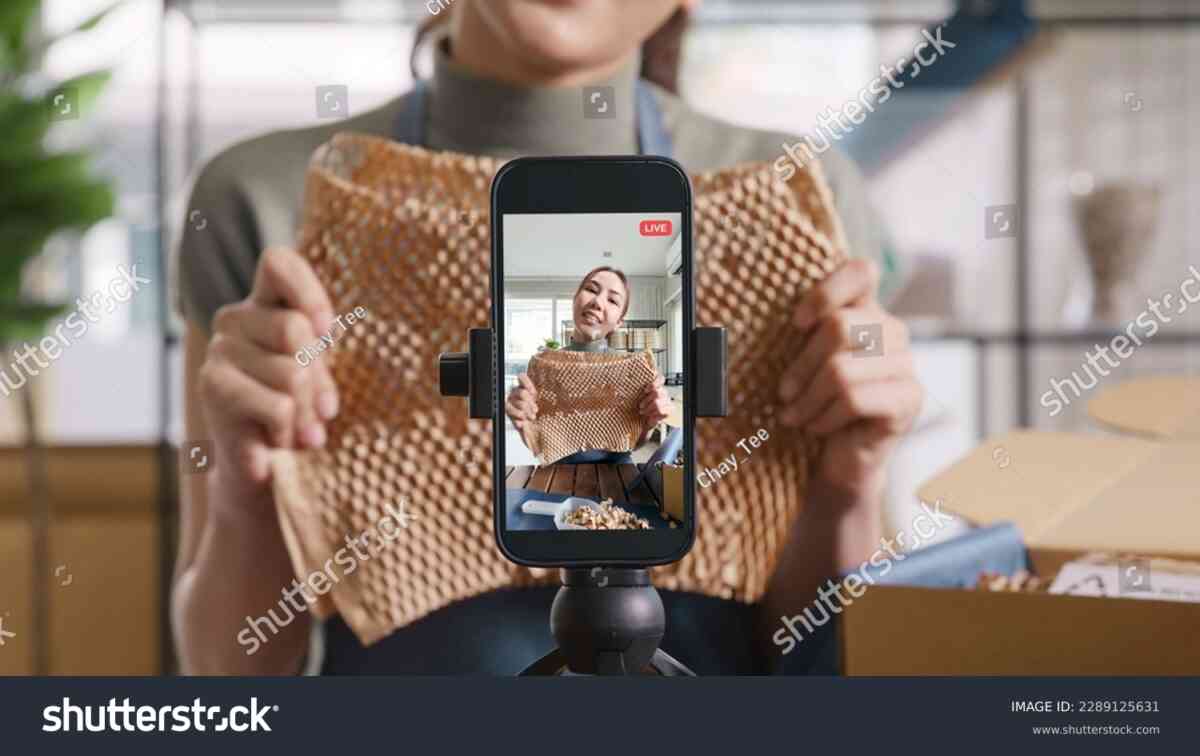
5. Live Shopping Takes Off in Norway
Live shopping — already massive in Asia — becomes mainstream in Norway by 2026.
Why It Works:
-
Combines entertainment and urgency
-
Enables real-time Q&A
-
Reduces return rates through better product understanding
Popular live shopping categories:
-
Skincare and beauty
-
Outdoor gear
-
Fashion drops
-
Electronics demos
Live commerce is especially effective during:
-
Product launches
-
Seasonal sales
-
Influencer-hosted events
For advertisers, live shopping delivers exceptional engagement metrics.
6. AI Personalisation Inside Social Platforms
In 2026, Norwegian consumers are shown:
-
Products before they search
-
Content tailored to mood and context
-
Dynamic pricing based on loyalty and demand
AI-driven social commerce includes:
-
Predictive product recommendations
-
Automated creator matching
-
Real-time ad optimization
This shifts advertising from targeting demographics to predicting intent.
7. Payments, Trust, and Frictionless Checkout
Social commerce success in Norway relies heavily on frictionless payments.
Top methods in 2026:
-
Vipps
-
Klarna
-
Apple Pay
-
Buy Now, Pay Later (BNPL)
Key trust factors:
-
Platform-hosted refunds
-
Transparent shipping updates
-
Verified seller badges
When checkout friction disappears, impulse purchases rise sharply.
8. Data Privacy and Regulation: A Competitive Advantage
Norway’s strict alignment with GDPR and Nordic privacy standards makes:
-
Trust a selling point
-
First-party data extremely valuable
-
Transparent brands more competitive
In 2026:
-
Platforms restrict third-party tracking further
-
Creator-owned audiences become gold
-
Ethical data use boosts conversion
Brands that respect privacy outperform aggressive data harvesters.
9. High-CPC Niches in Norwegian Social Commerce
For publishers and advertisers, the highest-value verticals include:
-
Sustainable fashion
-
Financial products via social discovery
-
Travel and experiences
-
Home improvement
-
Outdoor and sports equipment
-
Health and wellness (non-medical)
These niches deliver:
-
High CPM
-
Strong affiliate commissions
-
Premium brand partnerships
10. How Brands Win Social Commerce in Norway (2026 Playbook)
Winning brands follow these principles:
-
Go platform-native — stop forcing website journeys
-
Invest in creators, not just ads
-
Tell sustainability stories visually
-
Optimize for mobile-first checkout
-
Use AI for personalization, not manipulation
-
Build communities, not audiences
Social commerce winners act like media companies, tech companies, and community leaders at once.
Conclusion: Social Commerce Is Norway’s Most Profitable Growth Channel in 2026
By 2026, social commerce in Norway is no longer optional — it is where demand is created, trust is built, and revenue is captured.
Brands that still treat social platforms as “top-of-funnel awareness tools” will lose ground to competitors who:
-
Sell directly in-feed
-
Partner deeply with creators
-
Use AI-driven personalization ethically
-
Build long-term communities
For advertisers, publishers, and e-commerce brands alike, Norwegian social commerce offers some of Europe’s highest-quality digital revenue opportunities.
The future of Norwegian online shopping isn’t a website.
It’s a feed.