amber rose
Introduction: Sweden Enters the Era of Predictable Commerce
By 2026, Swedish e-commerce will no longer be driven primarily by one-time transactions. Instead, subscription-based business models will dominate revenue growth, customer retention, and valuation.
What began with razor blades and streaming services has evolved into a sophisticated ecosystem of digital, hybrid, and service-based subscriptions that go far beyond physical product delivery.
Swedish consumers — pragmatic, digitally mature, and value-oriented — are ideal candidates for subscription commerce. They appreciate convenience, transparency, and long-term value over impulsive purchases.
In 2026, subscriptions will not be a niche strategy. They will be a core operating model for e-commerce businesses in Sweden.
1. What Subscription E-Commerce Means in 2026
Subscription e-commerce is no longer limited to:
Monthly boxes
Consumable refills
Streaming platforms
By 2026, subscription commerce in Sweden includes:
Digital products and services
Hybrid physical-digital offerings
Usage-based pricing models
Membership-driven commerce
AI-personalized recurring plans
Subscriptions now monetize relationships, not just inventory.
2. Why Sweden Is a Perfect Market for Subscription Commerce
2.1 Cultural Preference for Stability and Transparency
Swedish consumers value:
Predictable costs
Clear terms
Ethical pricing
Long-term relationships
Subscriptions align naturally with these values.
2.2 High Digital Payment Adoption
Recurring billing is frictionless thanks to:
Strong card penetration
Digital wallets
BNPL evolution into subscriptions
Trust in automated payments
2.3 Subscription Fatigue — Managed, Not Rejected
Unlike other markets, Sweden shows selective subscription behavior, not rejection. Consumers are willing to subscribe — if the value is clear.
3. Subscription Models Expanding Beyond Physical Goods
3.1 Digital Services and SaaS Subscriptions
The fastest-growing segment in Sweden includes:
Productivity tools
AI services
Design platforms
Education and skill-based services
These offer:
High margins
Minimal logistics
Global scalability
3.2 Hybrid Subscriptions (Physical + Digital)
Examples:
Fitness gear + digital coaching
Beauty products + AI skin analysis
Home devices + monitoring services
Hybrid models dramatically increase customer lifetime value (LTV).
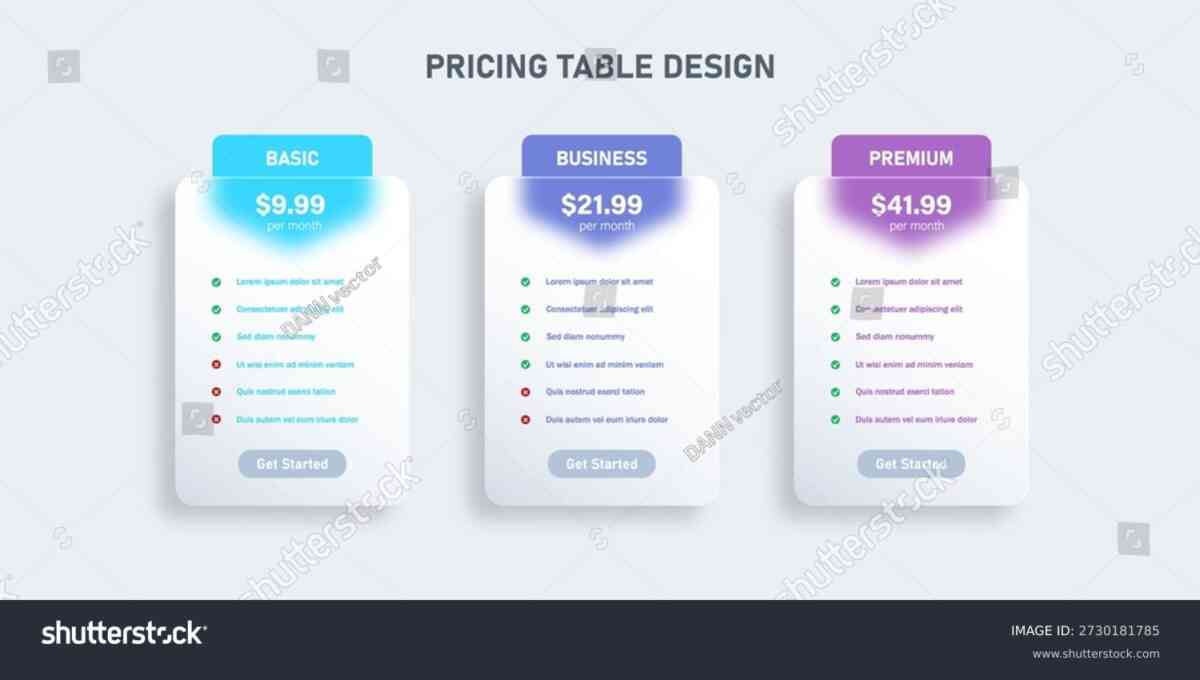
3.3 Usage-Based and Tiered Subscriptions
Consumers pay based on:
Frequency
Usage volume
Feature access
This aligns cost with perceived fairness — critical in Sweden.
3.4 Membership-Driven Commerce
Paid memberships unlock:
Exclusive pricing
Early access
Sustainability benefits
Community features
Memberships monetize belonging, not consumption.
4. AI and Personalization Fuel Subscription Growth
4.1 Predictive Churn Prevention
AI identifies:
Cancellation signals
Engagement drops
Price sensitivity
Brands intervene before churn happens.
4.2 Dynamic Subscription Customization
AI adapts:
Delivery frequency
Product selection
Content access
Pricing tiers
Subscriptions feel personal, not rigid.
4.3 Smart Upselling and Cross-Subscription Bundles
AI predicts which add-ons increase value without overwhelming users.
5. High-Revenue Categories for Subscriptions in Sweden
5.1 Software, AI Tools, and Digital Platforms
Highest CPC and advertiser demand due to:
High margins
B2B budgets
Long retention cycles
5.2 Health, Wellness, and Fitness
Includes:
Digital coaching
Nutrition planning
Mental wellness apps
High trust and recurring engagement drive long LTV.
5.3 Education and Skill Development
Subscriptions replace traditional courses with:
Ongoing learning
Micro-credentials
AI-guided progress tracking
5.4 Sustainability-Focused Subscriptions
Eco-friendly refills, carbon offset plans, and ethical memberships resonate strongly with Swedish values.
6. Subscription Payments and Revenue Predictability
6.1 Why Predictable Revenue Changes Everything
Subscriptions provide:
Forecastable cash flow
Easier inventory planning
Higher company valuations
Investors favor subscription-heavy models.
6.2 Payment Innovation in 2026
Subscription success depends on:
Flexible billing cycles
Pause and skip options
Transparent pricing
One-click upgrades
7. Marketing Subscriptions in Sweden
7.1 Retention Beats Acquisition
By 2026, Swedish brands will spend more on:
Retention marketing
Lifecycle communication
Community building
Retention costs less than acquisition — and pays longer.
7.2 Content-Driven Subscription Funnels
Educational content converts better than aggressive sales tactics in Sweden.
7.3 Affiliate and Influencer Subscriptions
Recurring commissions attract high-quality partners, boosting long-term traffic value.
8. Advertising, CPC, and Monetization Power
Subscription commerce attracts:
SaaS advertisers
Fintech platforms
Health and wellness brands
AI service providers
These advertisers pay premium CPCs and CPMs, driving high RPM for publishers.
9. GDPR, Trust, and Ethical Subscription Design
9.1 Transparent Cancellation
Hidden cancellation kills trust instantly.
9.2 Data Minimization
AI subscriptions succeed by collecting less data, more intelligently.
9.3 Consent-Driven Personalization
Opt-in personalization builds loyalty.
10. Challenges Facing Subscription E-Commerce
Subscription overload
Churn management
Pricing sensitivity
Regulatory scrutiny
Brands that focus on value over volume win.
11. Subscription E-Commerce Predictions for Sweden 2026
By 2026:
Subscriptions outperform one-time sales in LTV
Hybrid subscriptions dominate growth
AI manages pricing and retention
Memberships replace discounts
Subscription-heavy brands command higher valuations
Conclusion: The Subscription Economy Is Sweden’s Future
Subscription e-commerce in Sweden is no longer about shipping boxes every month. It is about ongoing value delivery, trust, and personalization.
Brands that master subscriptions will enjoy:
Stable revenue
Loyal customers
Lower marketing costs
Stronger brand equity
In 2026, Swedish e-commerce will be defined not by transactions —
but by relationships that renew themselves