lindsay rose
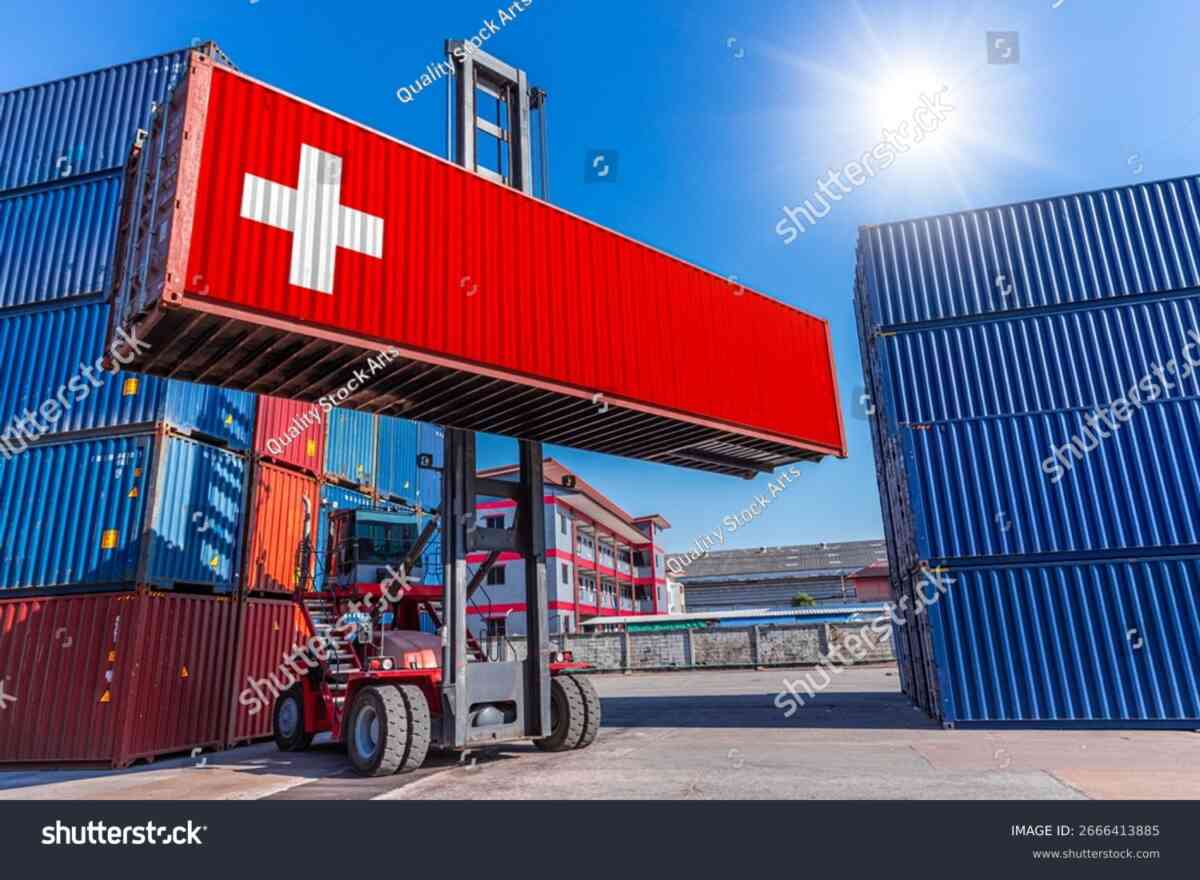
Introduction: Why Swiss Exports Matter in 2026
Switzerland is one of the most export-oriented advanced economies in the world. With a relatively small domestic market, Swiss prosperity depends on global trade performance, technological leadership, and the ability to adapt to shifting global demand.
In 2026, Swiss exports face a uniquely complex set of forces:
-
Post-pandemic recovery patterns
-
Rising geopolitical fragmentation
-
Technology-driven supply-chain shifts
-
Sustainability and carbon-related trade policies
-
Digital and intangible trade expansion
This article provides a robust trade forecast for 2026, covering:
-
Sector-level export projections
-
Geographic trade patterns
-
Trade policy and barriers
-
Supply-chain resilience and logistics
-
Currency and pricing effects
-
Risks, opportunities, and strategic insights
Whether you are an exporter, investor, logistics provider, or policy analyst, understanding how Swiss trade will evolve in 2026 is essential for planning, capital allocation, and competitive positioning.
1. Swiss Exports: A Pillar of Economic Strength
Swiss export performance is central to:
-
GDP growth
-
Employment in manufacturing and services
-
Trade balance stability
-
Currency strength
In 2026, exports are not just an economic output—they are strategic assets in global competitiveness.
Export-driven growth allows Switzerland to:
-
Sustain high wage levels
-
Fund social systems
-
Maintain strong currency reserves
-
Attract global investment
Switzerland’s export success stems from specialization in high-value goods and services rather than volume or low cost.
2. Export Forecast: What 2026 Looks Like
Total Export Growth
Swiss exports in 2026 are expected to grow modestly but consistently, with continued diversification of destination markets. Growth will be supported by:
-
Technology adoption
-
Services trade expansion
-
Select regional demand rebounds
Key growth areas:
-
Pharmaceuticals and life sciences
-
Precision instruments and machinery
-
Financial and professional services
-
Technology and software services
-
High-end consumer goods
Exporters that couple quality with agility stand to benefit most.
3. Sector-Level Export Predictions
A. Pharmaceuticals & Life Sciences
Swiss pharmaceutical giants have long driven trade surpluses. In 2026:
-
Continued demand for innovative therapies
-
Aging global populations increase healthcare spending
-
Regulatory harmonization reduces barriers
Biotech exports from Swiss SMEs are also scaling through:
-
Niche specialty drugs
-
Platform technologies
-
Contract manufacturing
Switzerland remains a global leader in life sciences exports.
B. Precision Engineering & Machinery
Swiss precision engineering — clocks, robotics components, medical devices — continues to command premium pricing globally.
In 2026:
-
Automation demand supports strong machinery exports
-
Digital integration (IoT, AI) enhances product value
-
After-sales and services grow as a trade category
These exports remain less sensitive to short-term economic cycles due to embedded specialization.
C. Financial & Professional Services
Services exports now rival goods in trade importance.
Growth drivers:
-
Swiss banking advisory and wealth management
-
Fintech and regulatory consulting
-
Insurance and risk management services
-
Digital services tied to Swiss legal and compliance expertise
In 2026, services exports become an increasingly stable source of foreign exchange.
D. Consumer and Luxury Goods
Swiss luxury products — watches, fashion, premium foods — remain symbols of quality.
Export drivers:
-
Brand heritage
-
Emerging market demand (Asia-Pacific, Middle East)
-
Global tourism recovery
Luxury exports tend to weather economic volatility, as affluent consumers remain resilient.
E. Technology & Software Exports
Swiss software and digital solutions are expanding. Key subsectors:
-
Enterprise software
-
Cybersecurity
-
AI-enabled solutions
-
Blockchain and fintech infrastructure
While smaller than traditional sectors, digital services exports grow at high rates and add diversification to Swiss trade.
4. Geographic Patterns: Where Swiss Trade Is Headed
A. Europe
Europe remains Switzerland’s largest trading partner due to:
-
Proximity
-
Supply-chain integration
-
Shared regulatory frameworks
Exports to the EU recover steadily in 2026, especially in:
-
Healthcare solutions
-
Machinery and equipment
-
Financial services
However, divergent monetary policy and regulatory differences create pockets of complexity.
B. North America
Strong demand in the United States and Canada continues, particularly in:
-
Pharmaceuticals and life sciences
-
Precision machinery
-
Financial services
Tech collaboration and ongoing investment make North America one of Switzerland’s most attractive export destinations in 2026.
C. Asia-Pacific
Growth in Asia is less uniform but promising:
-
China remains a major buyer of luxury and high-value goods
-
Southeast Asian economies expand middle markets
-
India shows rising demand for premium industrial and healthcare goods
Asia’s diversity requires targeted strategies rather than one-size-fits-all.
D. Middle East and Africa
These regions show increased Swiss engagement due to:
-
Infrastructure investment
-
Energy sector collaboration
-
Wealth management demand
Services exports — especially financial advisory and project management — increase in relevance.
5. Trade Policy, Agreements, and Barriers
A. Free Trade Agreements (FTAs)
Switzerland maintains a robust network of FTAs that:
-
Lower tariffs
-
Simplify customs procedures
-
Enhance market access
In 2026, targeted FTAs deepen trade with dynamic markets.
B. Non-Tariff Barriers
Non-tariff barriers — regulatory standards, localization requirements — are becoming more influential.
Swiss exporters adapt through:
-
Compliance and certification initiatives
-
Local partnerships
-
Value-added services to meet local norms
Trade policy now balances open access with high standards.
6. Logistics and Supply-Chain Resilience
Supply Chain Shocks: Lessons from the 2020s
Swiss exporters have reconfigured supply chains to:
-
Reduce dependencies
-
Increase redundancy
-
Prioritize resilience
Strategic shifts include:
-
Regional production nodes
-
AI-driven logistics planning
-
Real-time risk monitoring
Switzerland’s logistical infrastructure — airports, rail, customs facilities — supports efficient trade flows.
7. Currency Dynamics and Pricing Strategy
Swiss Franc Strength
The Swiss franc remains a safe-haven currency, which:
-
Protects against imported inflation
-
Raises challenges for price competitiveness
Swiss exporters mitigate this by:
-
Local pricing strategies
-
Hedging
-
Value-differentiated offerings
Pricing sophistication becomes a competitive advantage.
8. Sustainability: Carbon Border Adjustments and Green Trade
Sustainability policies — especially carbon border adjustments — influence trade decisions.
Swiss exporters prepare by:
-
Reducing carbon footprints
-
Certifying green supply chains
-
Packaging and logistics optimization
Sustainable exports increasingly carry price premiums in some markets.
9. Digital Trade, Services, and Intangibles
Digital services — including software, cloud solutions, and digital platforms — expand Switzerland’s trade profile.
Key trends:
-
Cross-border data flows
-
Digital delivery of consulting and finance
-
Platform-based export models
Digital exports can scale rapidly with limited physical footprints.
10. Small and Medium Enterprise (SME) Exporting Trends
Swiss SMEs are critical to national trade success. In 2026:
-
SMEs diversify destinations
-
Use trade finance tools
-
Partner with global integrators
SMEs leverage digital tools for market research, compliance, and customer acquisition.
11. Trade Finance, Risk Management, and Capital Flows
Export growth depends on:
-
Trade insurance
-
Letters of credit
-
Working capital solutions
Swiss banks and insurers provide services that protect exporters from volatility while facilitating capital flows.
12. Workforce and Talent for Export Competitiveness
Competitive exports require skilled workforces, including:
-
Export managers
-
Logistics planners
-
Compliance specialists
-
Digital transformation leaders
Talent development programs align education and industry needs.
13. Risks & Headwinds in 2026
Key risks that Swiss exporters face:
-
Geopolitical tensions
-
Trade fragmentation
-
Regulatory mismatches
-
Protectionism in certain markets
-
Rapid technological disruptions
Proactive risk mitigation — especially through diversification — is essential.
14. Opportunities & Strategic Insights
A. Niche Export Specialization
Switzerland excels in niche high-value segments that are less price elastic.
B. Services and Intangibles Growth
Services trade — particularly finance, consulting, and digital services — is a durable growth engine.
C. Innovation-Led Export Expansion
R&D-intensive industries capture higher margins and sustain long-term demand.
15. Policy Imperatives for Sustaining Export Growth
Swiss policymakers focus on:
-
Export credit facilities
-
FTA expansion
-
Digital trade standards
-
Workforce development
-
Infrastructure upgrades
Clear, forward-looking policy enhances trade confidence.
16. The Future of Swiss Trade: Vision 2030 and Beyond
Swiss trade in 2026 sets the foundation for:
-
Broader digital integration
-
Deepened sustainability commitments
-
Greater resilience to global volatility
-
Enhanced export diversification
Trade not only drives growth — it defines economic identity.
Conclusion: Switzerland’s 2026 Export Reality
Swiss export and trade performance in 2026 will be characterized by:
-
Moderate, sustainable growth
-
Diversification of partners and sectors
-
Increased services and digital trade
-
Supply-chain resilience
-
Strategic pricing and sustainability integration
Exporters who invest in innovation, compliance, and global strategy will thrive; those who cling to legacy models risk losing ground.
Switzerland’s export future is neither automatic nor static — it must be actively shaped by strategy, skills, and adaptability.