Kelly stewart
Introduction: The Great Automotive Paradox of the 2020s
The future of transportation is electric.
By 2026, electric vehicles dominate headlines, government incentives, and corporate strategy. Major automakers are aggressively shifting production away from internal combustion engines, cities are redesigning infrastructure around EVs, and consumers are being nudged—sometimes pushed—toward electrification.
Yet something unexpected is happening at the same time.
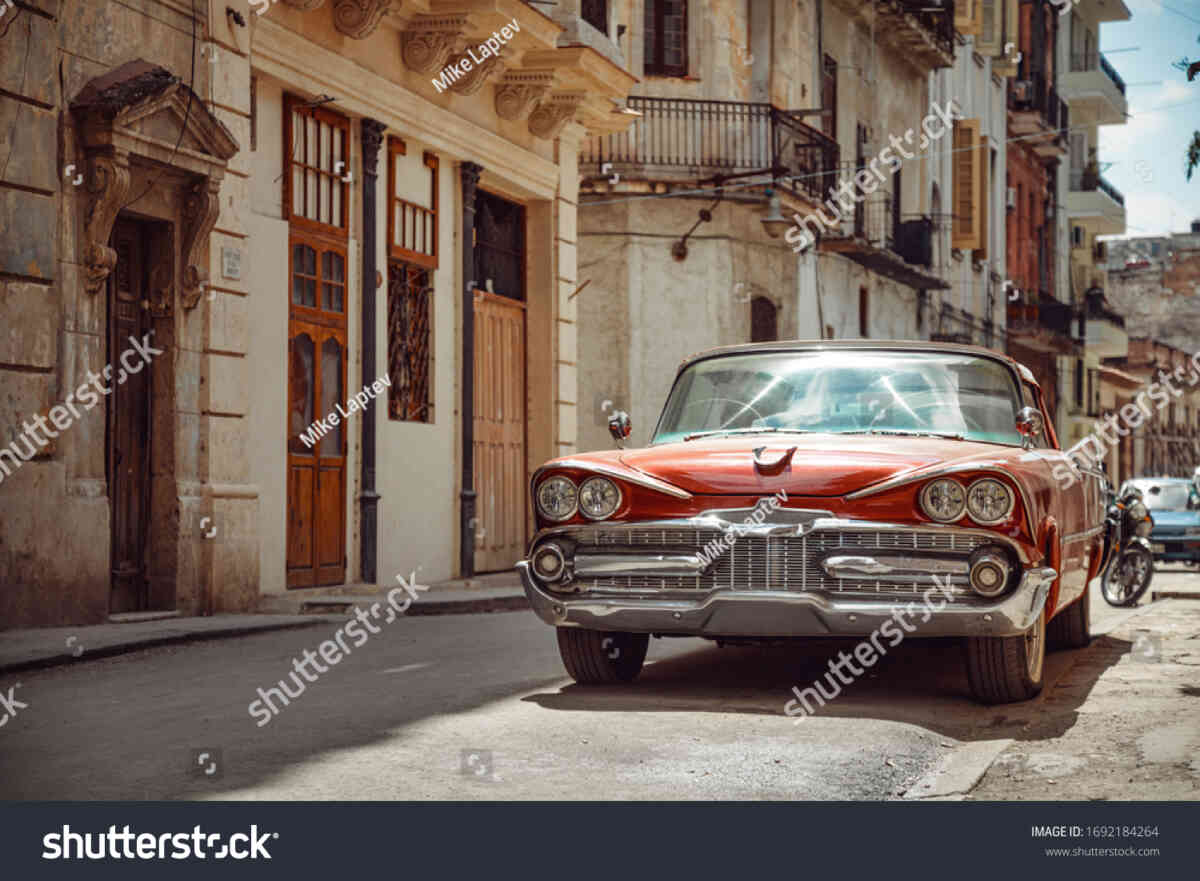
As electric cars rise, gas-powered antique and classic cars are becoming more valuable than ever.
Prices for historically significant gasoline vehicles are climbing, demand is broadening, and investors—particularly in the United States—are increasingly viewing classic cars not as obsolete machines, but as cultural artifacts and alternative investment assets.
This article explains why the EV revolution is a structural tailwind for antique cars, not a threat—and why the 2026–2030 period may prove to be one of the strongest value-creation eras in classic car history.
1. The EV Transition: What’s Actually Changing in 2026
The shift to electric vehicles is no longer speculative.
Key Realities of the EV Era
-
Automakers are phasing out internal combustion platforms
-
Regulations increasingly favor zero-emission vehicles
-
Younger drivers grow up without mechanical exposure
-
Car ownership becomes more appliance-like
Cars are becoming quieter, simpler to operate, and increasingly similar in driving experience.
This uniformity matters.
2. Why Gasoline Cars Are Becoming Scarce by Design
Scarcity is the core driver of collectible value.
Structural Scarcity Factors
-
No new gasoline cars after phase-out deadlines
-
Parts and skilled labor become rarer
-
Regulations reduce daily usage
-
Museums and permanent collections absorb supply
In economic terms, gasoline classics face a shrinking supply curve with stable—or rising—demand.
That is the ideal condition for price appreciation.
3. The Loss of Mechanical Experience
Electric vehicles remove:
-
Engine sound
-
Gear shifting
-
Mechanical vibration
-
Driver involvement
For everyday transportation, this is progress.
For enthusiasts and collectors, it’s a loss of sensory richness.
Classic gas cars preserve:
-
Mechanical feedback
-
Analog control
-
Human-machine interaction
In the EV era, mechanical complexity becomes luxury.
4. Cultural Nostalgia as an Investment Force
Nostalgia is not irrational.
It is predictable, generational, and economically powerful.
How Nostalgia Drives Demand
-
Millennials buy cars from their childhood
-
Gen X buys aspirational vehicles they couldn’t afford earlier
-
Boomers preserve legacy models
As EVs dominate the roads, gasoline classics become time capsules, anchoring emotional value in a rapidly changing world.
5. Why Regulation Increases Collectibility
Regulation often increases scarcity—and value.
Historical Pattern
-
Prohibition-era artifacts gained value
-
Mechanical watches surged after quartz dominance
-
Vinyl records rebounded after digital music
Similarly, emission restrictions make gasoline classics:
-
Less common in daily life
-
More special when seen
-
More culturally significant
In 2026, regulation acts as a value multiplier, not a value destroyer.
6. Classic Cars as “Analog Luxury”
Luxury is shifting.
In a world dominated by software, algorithms, and automation, analog experiences become premium.
Classic gas cars represent:
-
Hand-built craftsmanship
-
Mechanical artistry
-
Human-scale engineering
They contrast sharply with modern EVs, which are:
-
Software-driven
-
Highly standardized
-
Rapidly obsolete technologically
Antique cars do not become obsolete — they become historic.
7. The Investment Case: Why EVs Help Classic Car ROI
EVs Lower Replacement Risk
-
No new comparable gas cars are coming
-
Modern cars cannot substitute the experience
EVs Expand the Buyer Base
-
Enthusiasts seek contrast
-
Collectors seek preservation
-
Investors seek scarcity
As EV adoption accelerates, the classic car market becomes less cyclical and more structural.
8. Which Gas Classics Benefit Most from the EV Era
Top Beneficiaries
-
Loud, visceral American muscle cars
-
High-revving European sports cars
-
Manual transmission vehicles
-
Pre-electronics-era classics
These vehicles deliver experiences EVs cannot replicate.
9. The Role of Younger Buyers in the EV Era
Millennials and Gen Z are often misunderstood.
They are:
-
Comfortable with EVs for daily use
-
Highly nostalgic about analog experiences
-
Willing to spend on passion assets
For them, classic cars are:
-
Weekend experiences
-
Identity symbols
-
Cultural artifacts
This generational demand underpins long-term value.
10. EV Infrastructure vs Classic Car Usage
Classic cars do not compete with EVs.
They:
-
Are driven infrequently
-
Are used recreationally
-
Consume minimal fuel annually
This makes them politically and environmentally defensible.
Regulators increasingly recognize this distinction.
11. Fuel Availability: A Non-Issue for Collectors
Concerns about gasoline availability are overstated.
-
Fuel demand declines slowly
-
Specialty fuels emerge
-
Synthetic fuels gain attention
-
Usage volumes are low
In 2026, fuel access is not a limiting factor for classic car ownership.
12. Case Studies: Value Surges in the EV Era
Air-Cooled Porsche 911
-
Values surged alongside EV expansion
-
Demand increased as new cars lost mechanical feel
Japanese Performance Cars
-
Supra, Skyline, RX-7
-
Benefited from analog purity
American Muscle
-
Sound and presence unmatched by EVs
Each segment gained as EVs proliferated.
13. Why Electric Conversions Don’t Threaten Value
Some worry about EV-converted classics.
In reality:
-
Converted cars lose originality
-
Purist buyers avoid them
-
They create two-tier markets
Original gas-powered examples become more valuable by contrast.
14. Risks in the EV-Era Classic Market
-
Overpaying during hype cycles
-
Misjudging regulatory changes
-
Ignoring maintenance costs
However, these are execution risks, not structural threats.
15. Why 2026–2035 Could Be a Golden Era for Classic Cars
Looking ahead:
-
EV dominance accelerates
-
Mechanical skills fade
-
Original gas cars become rarer
-
Cultural nostalgia deepens
Classic cars transition from “old vehicles” to industrial heritage assets.
Conclusion: The More Electric the Future Gets, the More Valuable the Past Becomes
The EV revolution is real — and irreversible.
But instead of erasing the value of antique gas-powered cars, it is enshrining them.
In 2026, classic cars represent:
-
Tangibility in a digital world
-
Craftsmanship in an automated era
-
Scarcity in a mass-produced future
For investors, collectors, and high-net-worth Americans alike, the message is clear:
As electric cars rise, gas classics don’t fade — they soar.