cindy adams
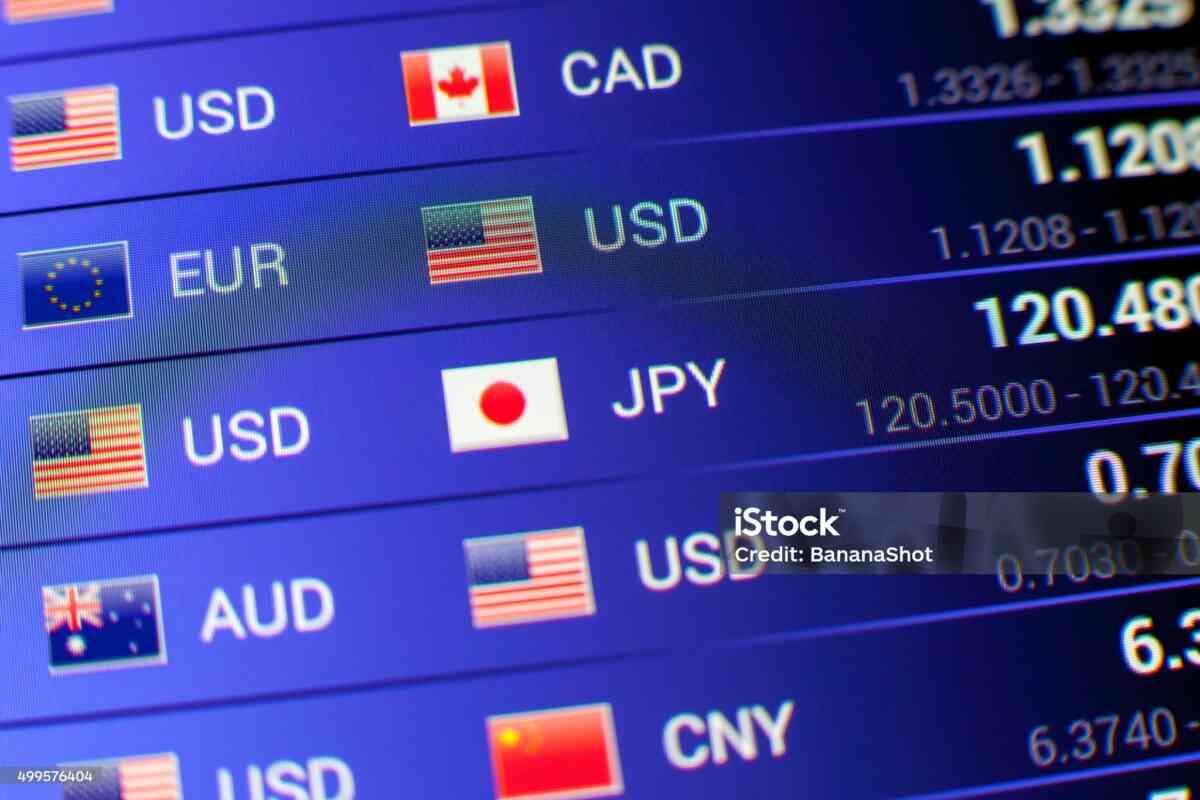
Currency trading has evolved into one of the most technologically advanced financial industries in the world. Traders now rely on sophisticated digital tools capable of delivering live market data within milliseconds. Among these innovations, Forex Cross Rates Monitor Real Time platforms stand out as essential resources for traders, investors, financial institutions, and international businesses.
These platforms provide instant access to cross-currency exchange rates, allowing users to monitor currency relationships beyond traditional USD-based trading pairs.
What Are Forex Cross Rates
Forex cross rates are currency pairs that exclude the US dollar. Instead of calculating through USD, traders can directly compare two international currencies.
Examples include:
- EUR/CHF
- GBP/AUD
- AUD/JPY
- CAD/CHF
- NZD/CAD
These cross pairs offer valuable insights into regional economies and international trade dynamics.
Why Real-Time Monitoring Is Essential
The forex market operates continuously across global financial centers.
Important market hubs include:
- London
- New York
- Tokyo
- Singapore
- Sydney
- Hong Kong
Because market conditions change rapidly, traders need instant data access.
Real-time monitoring helps traders:
- Identify opportunities quickly
- React to breaking news
- Reduce execution delays
- Improve trading accuracy
Features of Advanced Forex Monitoring Platforms
Live Tick Data
Professional-grade systems update prices in real time.
Technical Analysis Tools
Platforms often include advanced charting systems.
Currency Correlation Analysis
Correlation tools help traders avoid overexposure.
Customizable Dashboards
Users can personalize watchlists and chart layouts.
AI-Powered Insights
Artificial intelligence increasingly assists with market forecasting.
Cross Rates and Global Economics
Cross-rate movements often reflect broader economic conditions.
For example:
- EUR/GBP reflects European and British economic performance.
- AUD/JPY often measures market risk sentiment.
- CAD/JPY can indicate oil market strength.
Professional traders use these relationships to identify macroeconomic trends.
High-Frequency Trading and Forex Monitoring
Institutional traders use extremely fast systems capable of processing thousands of transactions per second.
These systems rely on:
- Ultra-low latency networks
- Real-time data feeds
- AI execution algorithms
- Advanced cloud infrastructure
Milliseconds can determine profitability in high-frequency trading environments.
The Psychology of Forex Trading
Real-time monitoring also affects trader psychology.
Benefits include:
- Greater confidence
- Faster decision-making
- Reduced uncertainty
- Better emotional control
However, excessive monitoring can sometimes encourage emotional overtrading.
Forex Cross Rates and Cryptocurrency Markets
Many modern trading platforms now integrate both forex and cryptocurrency monitoring.
Traders can compare:
- Traditional fiat currencies
- Stablecoins
- Bitcoin-related pairs
- Crypto volatility trends
This integration reflects the growing convergence of digital and traditional finance.
Educational Benefits of Forex Monitoring Tools
Beginners can learn market behavior more effectively through live monitoring systems.
Educational features often include:
- Demo trading
- Interactive tutorials
- Strategy testing
- Historical playback
- Economic explanations
This helps new traders build confidence gradually.
Cybersecurity in Forex Platforms
Security is critical in online trading systems.
Reliable platforms implement:
- Two-factor authentication
- Encryption protocols
- Fraud detection systems
- Secure cloud infrastructure
Users should always choose trusted providers.
Forex Monitoring for Global Businesses
International corporations use forex monitoring tools for treasury management.
Benefits include:
- Hedging currency risk
- Forecasting international expenses
- Managing overseas payments
- Optimizing profit margins
Global trade depends heavily on accurate currency forecasting.
Mobile Apps and Cloud Integration
Cloud-based platforms allow traders to access markets from virtually anywhere.
Modern apps support:
- Real-time push notifications
- Cloud synchronization
- Mobile chart analysis
- Instant trade execution
This mobility has transformed retail forex participation.
Artificial Intelligence and Predictive Analytics
AI technology is reshaping forex analysis.
Modern systems now offer:
- Pattern recognition
- Sentiment analysis
- Market prediction models
- Automated trading signals
AI-driven monitoring may become standard across the industry.
Challenges in Real-Time Forex Monitoring
Despite technological advances, several challenges remain.
Data Accuracy
Incorrect pricing can lead to major financial losses.
Connectivity Issues
Internet delays can disrupt trading execution.
Market Manipulation
Large institutions can sometimes influence short-term volatility.
Information Overload
Too much data can overwhelm inexperienced traders.
The Future of Forex Cross Rate Platforms
The future may include:
- Quantum computing analysis
- AI trading bots
- Decentralized forex exchanges
- Blockchain transaction settlement
- Advanced augmented reality interfaces
Forex technology continues evolving rapidly.
Conclusion
Forex Cross Rates Monitor Real Time platforms have become vital components of the global financial ecosystem. From individual traders to multinational corporations, users rely on accurate live currency data to navigate increasingly complex international markets.
As forex trading technology advances further, real-time monitoring systems will continue shaping the future of currency exchange, investment strategy, and global commerce.