Tanya olsen
Introduction
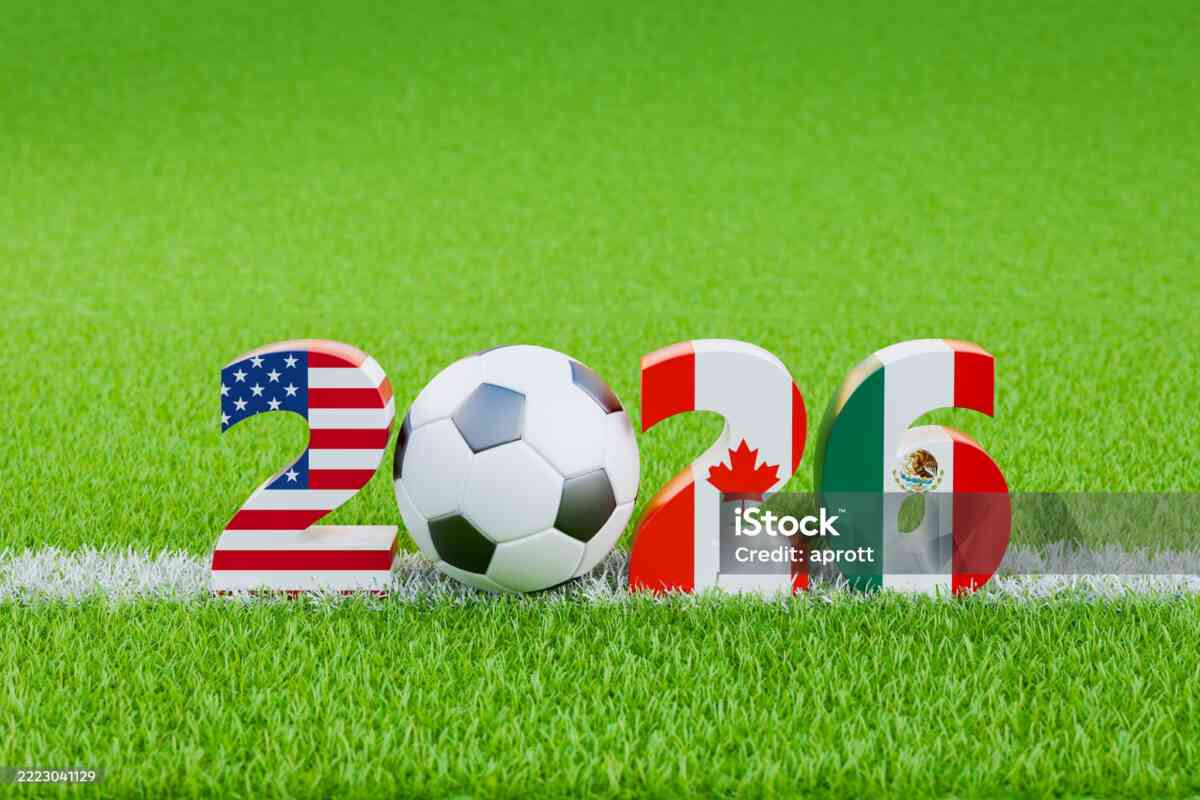
The FIFA World Cup 2026 is expected to be remembered not only for unforgettable matches and football legends but also for its potential long-term impact on the global economy. As the largest World Cup ever organized, featuring 48 teams and hosted across the United States, Canada, and Mexico, the tournament represents far more than a month-long sporting spectacle.
Mega-events often create a surge of short-term economic activity through tourism, broadcasting, sponsorships, and consumer spending. However, economists, policymakers, investors, and business leaders increasingly focus on a more important question: What happens after the final whistle?
The true measure of success for World Cup 2026 will not be determined solely by ticket sales or television ratings. Instead, it will be judged by the tournament’s lasting legacy. Will it strengthen tourism industries? Will infrastructure investments continue generating economic value decades later? Will businesses expand into new markets because of relationships formed during the event? Will host cities become more competitive in the global economy?
These questions define the long-term economic legacy of World Cup 2026.
This article explores how the tournament may reshape tourism, infrastructure, investment, employment, international trade, technology adoption, urban development, and global business opportunities for years to come.
Understanding Economic Legacy
Economic legacy refers to the lasting benefits and structural changes created by a major event after it concludes.
Short-term impacts include:
- Visitor spending
- Hotel bookings
- Merchandise sales
- Temporary employment
- Sponsorship revenue
Long-term impacts include:
- Improved infrastructure
- Increased tourism demand
- Enhanced global reputation
- Stronger investment flows
- Workforce development
- Technology advancement
The distinction is important because many economists argue that the greatest value of hosting a World Cup comes from long-term transformation rather than immediate financial gains.
A New Model for Hosting Mega Events
The Three-Nation Approach
World Cup 2026 introduces a hosting model that may influence future global sporting events.
The tournament is jointly hosted by:
- United States
- Canada
- Mexico
This approach offers several advantages:
- Shared costs
- Reduced infrastructure burden
- Broader economic participation
- Lower financial risk
- Greater geographic reach
Future sporting organizations may increasingly adopt multi-country hosting arrangements because they allow economic benefits to be distributed across larger regions while reducing pressure on individual nations.
Maximizing Existing Assets
Unlike previous World Cups that required extensive stadium construction, North America already possesses world-class sports infrastructure.
This strategy reduces the risk of creating “white elephant” facilities—venues that become underused after the event.
As a result, more resources can be allocated toward transportation, technology, tourism promotion, and urban development projects that provide long-term economic value.
Transforming Global Tourism
Worldwide Destination Exposure
Billions of viewers will watch World Cup matches.
Every broadcast serves as a global advertisement for host cities and regions.
Viewers will be exposed to:
- Tourist attractions
- Cultural landmarks
- Local cuisine
- Entertainment districts
- Natural destinations
The visibility generated by the tournament may influence travel decisions for years.
Repeat Tourism Effect
Many visitors who attend major sporting events return later as leisure travelers.
World Cup visitors often:
- Extend vacations
- Explore additional destinations
- Recommend locations to friends
- Share experiences online
This creates a multiplier effect that continues long after the event concludes.
Expansion of Tourism Infrastructure
Tourism-related investments may include:
- Hotels
- Airports
- Transportation systems
- Entertainment districts
- Digital tourism platforms
These assets remain available for future visitors, strengthening tourism competitiveness.
Infrastructure as a Long-Term Economic Asset
Transportation Networks
One of the most significant legacies of major sporting events is improved transportation infrastructure.
Potential benefits include:
- Faster travel times
- Greater mobility
- Increased productivity
- Lower logistics costs
Infrastructure upgrades may support economic growth for decades.
Airport Modernization
International airports often receive upgrades before major events.
Improvements may include:
- Expanded terminals
- Enhanced security systems
- Digital passenger services
- Increased capacity
These investments continue serving travelers long after the tournament ends.
Public Transit Improvements
Host cities frequently invest in:
- Rail systems
- Bus networks
- Smart mobility solutions
- Transit connectivity
Improved public transportation supports both economic efficiency and environmental sustainability.
Strengthening International Business Connections
Global Networking Opportunities
The World Cup brings together:
- Government officials
- Investors
- Corporate executives
- Entrepreneurs
- Trade organizations
Business relationships established during the tournament can generate long-term commercial opportunities.
International Trade Expansion
Companies often use major events to enter new markets.
Benefits may include:
- Export growth
- New partnerships
- Distribution agreements
- Cross-border investments
The World Cup effectively becomes a global business platform.
Increased Foreign Direct Investment
Investors frequently reassess countries after witnessing successful event execution.
Positive outcomes may encourage:
- Manufacturing investments
- Technology investments
- Real estate development
- Infrastructure financing
Strong international visibility can improve investor confidence.
Urban Development and Regeneration
Revitalization Projects
Host cities often use major events as catalysts for urban renewal.
Projects may include:
- Downtown redevelopment
- Public spaces
- Waterfront improvements
- Commercial districts
These initiatives can improve quality of life while attracting future investment.
Increased Property Values
Infrastructure improvements and enhanced city branding can influence property markets.
Potential benefits include:
- Higher commercial demand
- Increased residential interest
- Greater business activity
While outcomes vary, strategic urban planning can create lasting economic advantages.
Smart City Development
Many host cities integrate modern technologies such as:
- Intelligent traffic systems
- Digital infrastructure
- Environmental monitoring
- Public safety technologies
These innovations contribute to long-term urban competitiveness.
Technology and Innovation Legacy
Accelerated Digital Transformation
World Cup 2026 requires advanced technology systems.
Areas of investment include:
- Artificial intelligence
- Data analytics
- Cybersecurity
- Telecommunications
- Cloud computing
Businesses involved in these projects may continue benefiting from increased adoption.
5G Expansion
High-capacity communication networks are essential for modern sporting events.
Infrastructure improvements may accelerate:
- Mobile connectivity
- Smart city applications
- Digital services
Enhanced connectivity supports economic growth across industries.
Sports Technology Industry Growth
The tournament may stimulate innovation in:
- Performance analytics
- Fan engagement
- Broadcast technology
- Virtual experiences
These industries continue expanding beyond football.
Employment and Workforce Development
Skill Acquisition
Major events provide valuable professional experience.
Workers gain expertise in:
- Project management
- Hospitality
- Security operations
- Technology systems
- Customer service
These skills remain valuable throughout their careers.
Future Career Opportunities
The event creates a talent pool with experience managing large-scale operations.
This workforce can support future:
- Conferences
- Sporting events
- Tourism projects
- Infrastructure initiatives
The knowledge gained becomes part of the host economy’s human capital.
Entrepreneurial Development
Small businesses often learn to:
- Serve international customers
- Implement digital marketing
- Scale operations
- Manage large demand fluctuations
These capabilities contribute to long-term business growth.
Brand Value and International Reputation
Nation Branding
World Cup 2026 provides unprecedented international exposure.
Countries can showcase:
- Economic strength
- Innovation
- Cultural diversity
- Tourism assets
Positive perceptions influence future business decisions.
City Branding
Host cities gain global recognition.
Benefits may include:
- Increased tourism
- Business relocation interest
- Event hosting opportunities
- Talent attraction
Cities with strong international brands often experience greater economic dynamism.
Soft Power Advantages
Sport functions as a powerful diplomatic tool.
Improved international relationships can support:
- Trade agreements
- Investment partnerships
- Cultural exchanges
Soft power contributes indirectly to economic growth.
Impact on North American Economic Integration
Enhanced Cross-Border Cooperation
Joint hosting strengthens cooperation among:
- Governments
- Businesses
- Transportation providers
- Tourism organizations
Collaboration may continue after the tournament.
Regional Economic Opportunities
The World Cup encourages integrated regional marketing.
This may support:
- Cross-border tourism
- Trade growth
- Infrastructure coordination
- Investment partnerships
The tournament could strengthen North America’s position within the global economy.
The Future of Sports Economics
New Revenue Models
World Cup 2026 may influence future approaches to:
- Sponsorship
- Broadcasting
- Digital engagement
- Fan experiences
The event serves as a testing ground for innovative commercial strategies.
Digital Fan Economy
Emerging opportunities include:
- Streaming platforms
- Interactive content
- Virtual experiences
- Global fan communities
These sectors may continue expanding after the tournament.
Expansion of Football Markets
The tournament could accelerate football’s growth across North America.
Potential outcomes include:
- Higher participation rates
- Increased merchandise sales
- Stronger domestic leagues
- Greater youth development investment
This creates economic opportunities within the sports industry itself.
Challenges to Long-Term Success
Not every World Cup generates a positive legacy.
Potential risks include:
Underutilized Investments
Infrastructure projects must remain useful after the event.
Poor planning can reduce long-term returns.
Temporary Tourism Boosts
Some tourism gains may prove short-lived.
Destinations must convert visitors into repeat travelers.
Economic Displacement
Resources devoted to the event could potentially be used elsewhere.
Policymakers must ensure investments deliver lasting value.
Uneven Benefits
Economic gains may be concentrated in certain regions or industries.
Inclusive planning is necessary to maximize social and economic outcomes.
Lessons from Previous World Cups
Historical experience suggests that successful legacies depend on:
- Strategic planning
- Sustainable investments
- Community engagement
- Effective governance
Countries that align event spending with long-term development goals generally achieve stronger outcomes.
World Cup 2026 benefits from these lessons and has an opportunity to establish a new benchmark for mega-event management.
Looking Toward 2030 and Beyond
The influence of World Cup 2026 may extend far beyond the tournament itself.
Potential long-term effects include:
- Stronger tourism industries
- Enhanced transportation networks
- Increased foreign investment
- Expanded business opportunities
- Greater technological innovation
- Improved international cooperation
The event may become a model for future sporting competitions and international economic collaboration.
Conclusion
The FIFA World Cup 2026 represents more than a global football championship. It is a transformational economic event with the potential to leave a lasting legacy across tourism, infrastructure, technology, trade, investment, employment, and urban development.
While short-term spending will generate billions of dollars in economic activity, the true value of the tournament lies in its ability to create sustainable growth long after the final match. Improved transportation systems, stronger international business relationships, expanded tourism markets, and enhanced global visibility may continue producing benefits for decades.
For governments, businesses, investors, and communities, the challenge is clear: convert the excitement of World Cup 2026 into long-term economic opportunity. If achieved successfully, the tournament will be remembered not only as the largest World Cup in history but also as one of the most influential economic catalysts of the 21st century.
The final whistle may end the competition, but the economic legacy of FIFA World Cup 2026 could shape North America and the global economy for generations.