broke lauren
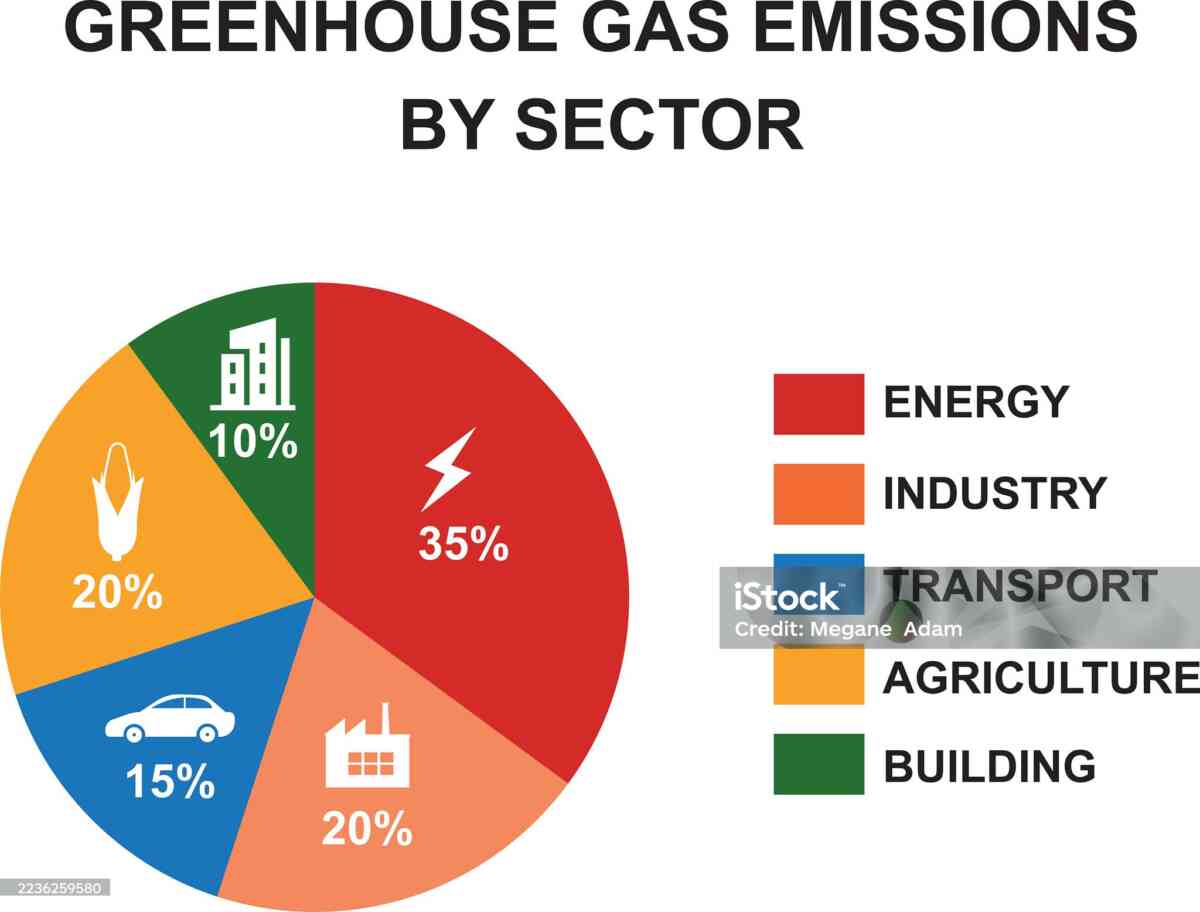
Electricity powers nearly every aspect of modern life. Homes, industries, transportation systems, hospitals, schools, and digital infrastructure all depend on stable electrical energy. However, not all electricity is produced equally. Different power generation sources create different levels of environmental impact, efficiency, and long-term sustainability. This is why Electricity Sources and Emissions Data has become one of the most important topics in the global energy sector.
Electricity Sources and Emissions Data refers to the collection, analysis, and reporting of information related to how electricity is generated and the amount of greenhouse gases or pollutants released during production. Governments, researchers, businesses, utility providers, investors, and consumers rely on this data to understand environmental impacts, improve efficiency, and support clean energy transitions.
What Are Electricity Sources?
Electricity sources are the methods or fuels used to generate electrical power. Each source has unique characteristics related to cost, reliability, emissions, scalability, and environmental impact.
The primary electricity generation sources include:
- Coal
- Natural gas
- Nuclear energy
- Hydropower
- Solar energy
- Wind energy
- Biomass
- Geothermal energy
- Oil-based generation
- Tidal and marine energy
The global energy mix differs significantly between countries depending on natural resources, infrastructure, economic priorities, and government policies.
Why Electricity Emissions Data Matters
Electricity generation is one of the largest contributors to global greenhouse gas emissions. Fossil fuel-based power plants release carbon dioxide, methane, sulfur dioxide, nitrogen oxides, and particulate matter into the atmosphere.
Emissions data helps organizations:
- Measure environmental impact
- Track carbon reduction goals
- Improve energy planning
- Compare energy sources
- Support sustainability reporting
- Meet government regulations
- Encourage renewable energy adoption
Without accurate emissions data, governments and businesses cannot effectively monitor climate progress.
Coal Power and High Emissions
Coal remains one of the highest-emission electricity sources globally.
Coal power plants generate emissions including:
- Carbon dioxide
- Sulfur dioxide
- Mercury pollution
- Nitrogen oxides
- Fine particulate matter
Although coal provides stable base-load electricity, environmental concerns have led many countries to reduce coal dependency.
Natural Gas and Transitional Energy
Natural gas is often considered a transitional fuel because it generally produces lower emissions than coal.
Advantages include:
- Higher efficiency
- Lower carbon emissions
- Flexible generation
- Faster plant startup times
However, methane leakage remains a major environmental concern.
Nuclear Energy and Low Carbon Electricity
Nuclear power produces large amounts of electricity with minimal operational carbon emissions.
Benefits include:
- Stable base-load generation
- High energy density
- Low greenhouse gas emissions
- Reliable grid support
Challenges involve:
- Radioactive waste management
- High construction costs
- Public safety concerns
Despite controversy, nuclear energy remains important in many low-carbon electricity strategies.
Renewable Energy Sources and Emission Reduction
Renewable energy sources are central to global sustainability efforts.
Solar Energy
Solar power converts sunlight into electricity using photovoltaic systems or concentrated solar technologies.
Advantages:
- Zero operational emissions
- Scalable deployment
- Declining installation costs
Challenges:
- Weather dependency
- Land requirements
- Battery storage needs
Wind Energy
Wind turbines generate electricity using wind motion.
Benefits include:
- No fuel consumption
- Very low operational emissions
- Rapid scalability
Limitations include:
- Intermittent generation
- Grid balancing requirements
- Visual and environmental concerns
Hydropower
Hydropower generates electricity using flowing water.
Advantages:
- Reliable renewable generation
- Long operational lifespan
- Grid stability support
Potential drawbacks:
- Ecosystem disruption
- Reservoir emissions
- Community displacement
Measuring Electricity Emissions
Electricity emissions are typically measured using:
- Carbon dioxide equivalent (CO2e)
- Kilograms per megawatt-hour
- Grams per kilowatt-hour
- Total annual emissions
Measurement systems allow analysts to compare environmental impacts across different energy sources.
Grid Emissions Intensity
Grid emissions intensity refers to the amount of greenhouse gas emissions produced per unit of electricity consumed.
Factors affecting grid intensity include:
- Fuel mix
- Renewable penetration
- Grid efficiency
- Electricity demand
- Seasonal generation patterns
Countries with larger renewable energy shares usually have lower grid emissions intensity.
Real-Time Electricity Emissions Tracking
Modern technology enables real-time monitoring of electricity generation and emissions.
Real-time data systems help:
- Utility operators balance supply
- Consumers optimize energy usage
- Businesses track sustainability metrics
- Policymakers monitor grid performance
Real-time emissions visibility improves energy efficiency decisions.
Corporate Sustainability and Scope 2 Emissions
Businesses increasingly monitor electricity emissions as part of sustainability reporting.
Scope 2 emissions refer to indirect emissions generated from purchased electricity.
Companies use electricity emissions data to:
- Reduce carbon footprints
- Purchase renewable energy
- Meet ESG goals
- Improve investor transparency
Corporate sustainability strategies depend heavily on reliable energy data.
Electricity Data and Smart Grids
Smart grid technologies improve electricity monitoring and distribution efficiency.
Features include:
- Automated energy balancing
- Demand-response systems
- Real-time usage analytics
- Renewable integration support
- Advanced metering infrastructure
Smart grids enhance both sustainability and grid reliability.
Government Policies and Emissions Regulations
Governments worldwide use emissions data to design environmental policies.
Common regulations include:
- Carbon taxes
- Renewable portfolio standards
- Emission caps
- Energy efficiency mandates
- Clean electricity targets
Reliable data is essential for effective regulation enforcement.
Electricity Sources and Energy Security
Diversified electricity generation improves energy security.
Countries relying heavily on imported fossil fuels may face:
- Price volatility
- Supply disruptions
- Geopolitical risks
Renewable energy expansion often strengthens domestic energy independence.
Consumer Awareness and Green Electricity Choices
Consumers increasingly care about where electricity comes from.
Many utility providers now offer:
- Renewable electricity plans
- Carbon-neutral energy options
- Emissions transparency reports
Public awareness influences energy market trends.
Artificial Intelligence and Energy Analytics
AI technologies are transforming electricity emissions analysis.
Artificial intelligence helps with:
- Demand forecasting
- Renewable integration
- Emission prediction
- Grid optimization
- Energy efficiency planning
Advanced analytics improve operational performance.
Challenges in Emissions Data Collection
Collecting accurate emissions data remains challenging because of:
- Inconsistent reporting standards
- Complex supply chains
- International differences
- Real-time monitoring limitations
Global standardization efforts continue improving data quality.
Future Trends in Electricity and Emissions Monitoring
Future developments may include:
- Blockchain energy tracking
- AI-driven grid automation
- Ultra-accurate emissions sensors
- Decentralized renewable systems
- Carbon-negative electricity technologies
Energy systems are rapidly evolving toward lower-emission models.
Conclusion
Electricity Sources and Emissions Data plays a critical role in shaping the future of global energy systems. By understanding how electricity is generated and the environmental impact associated with different power sources, governments, businesses, and consumers can make more informed decisions.
As renewable energy adoption accelerates and climate goals become increasingly urgent, accurate emissions data will remain essential for sustainability, policy development, investment planning, and environmental protection.
USA