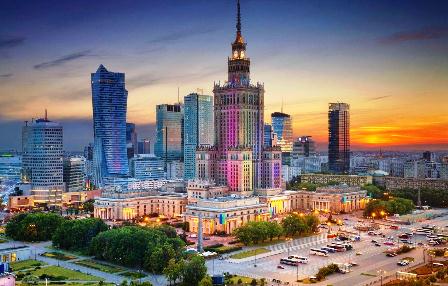
Warsaw, the capital and largest city of Poland, is a vibrant metropolis known for its remarkable resilience, rich history, and dynamic cultural scene. Rebuilt almost entirely after World War II, Warsaw blends historic charm with modern innovation. Here’s an in-depth look at Warsaw:
Geography and Layout
- Location: Situated on the Vistula River in central-eastern Poland.
- Cityscape:
- A mix of restored historical areas, Soviet-era architecture, and contemporary skyscrapers.
- Divided by the Vistula River into two main parts: the historic left bank and the more modern right bank.
- Climate: A humid continental climate with cold winters and warm summers.
History
- Early Days:
- Founded in the 13th century as a small fishing village, Warsaw grew into a key trade and political center.
- Capital Status:
- Became the capital of Poland in 1596 under King Sigismund III Vasa.
- World War II:
- Devastated during the war, with over 85% of the city destroyed.
- The Warsaw Ghetto Uprising (1943) and the Warsaw Uprising (1944) are testaments to the city’s bravery.
- Reconstruction:
- After the war, Warsaw was meticulously rebuilt, particularly the Old Town, which is now a UNESCO World Heritage Site.
- Modern Era:
- Post-1989, Warsaw emerged as a dynamic economic and cultural hub in Central Europe.
Key Attractions
- Old Town (Stare Miasto):
- Reconstructed after WWII, featuring colorful buildings, cobblestone streets, and landmarks like the Royal Castle and Sigismund’s Column.
- Royal Route (Trakt Królewski):
- A scenic path connecting the Royal Castle to Wilanów Palace, lined with historic buildings and churches.
- Łazienki Park:
- A stunning park with the Palace on the Isle, open-air Chopin concerts, and beautiful gardens.
- Palace of Culture and Science:
- A controversial Soviet-era skyscraper and the tallest building in Poland, housing theaters, museums, and an observation deck.
- Warsaw Uprising Museum:
- An immersive museum dedicated to the 1944 uprising against Nazi occupation.
- POLIN Museum of the History of Polish Jews:
- Chronicles the 1,000-year history of Jewish life in Poland, including the tragic events of the Holocaust.
- Wilanów Palace:
- A baroque royal residence often called the “Polish Versailles.”
- Copernicus Science Centre:
- A modern interactive museum dedicated to science and technology.
- Praga District:
- Known for its artistic vibe, hip cafes, and the Warsaw Zoo.
- Vistula River Boulevards:
- A lively area for walking, cycling, and riverside dining, especially popular in summer.
Culture and Lifestyle
- Music:
- Warsaw has a deep connection to classical music, being the birthplace of Frédéric Chopin.
- The annual Chopin Competition and free Chopin concerts in Łazienki Park are highlights.
- Art and Theater:
- Home to world-class institutions like the National Theatre and the Zachęta National Gallery of Art.
- Nightlife:
- From cozy jazz clubs to vibrant rooftop bars, Warsaw offers a diverse and energetic nightlife.
- Multicultural Heritage:
- A blend of Polish, Jewish, and international influences is evident in the city’s culture, food, and festivals.
Culinary Scene
- Traditional Polish Dishes:
- Pierogi (dumplings), Żurek (sour rye soup), Bigos (hunter’s stew), and Placki Ziemniaczane (potato pancakes).
- Modern Dining:
- Warsaw’s restaurant scene is thriving, with Michelin-starred spots like Atelier Amaro and innovative bistros showcasing Polish and global cuisine.
- Milk Bars (Bar Mleczny):
- Affordable, cafeteria-style eateries offering traditional home-cooked meals.
- Desserts:
- Try Pączki (Polish doughnuts) and Sernik (Polish cheesecake).
- Coffee Culture:
- A growing trend with artisanal cafes and roasteries popping up across the city.
Transportation
- Public Transport:
- A well-developed system of trams, buses, and a two-line metro network.
- Cycling:
- Bike-friendly with rental systems like Veturilo and designated cycling paths.
- Warsaw Chopin Airport:
- Located just 10 km from the city center, offering international and domestic flights.
- Central Station (Warszawa Centralna):
- A major railway hub connecting Warsaw to other Polish cities and European capitals.
Festivals and Events
- Chopin Competition:
- A prestigious piano competition held every five years.
- Warsaw Film Festival:
- Celebrates international and Polish cinema.
- Warsaw Summer Jazz Days:
- A popular event for jazz enthusiasts.
- Night of Museums:
- Museums and galleries open their doors for free, often with special events.
- Independence Day (November 11):
- Marked by parades and cultural activities.
Nature and Parks
- Łazienki Park:
- A central green space with palaces, lakes, and peacocks.
- Mokotów Field (Pole Mokotowskie):
- A vast park perfect for picnics and relaxation.
- Kampinos National Park:
- Located on the outskirts, it’s ideal for hiking and wildlife spotting.
- Saxon Garden:
- One of Warsaw’s oldest public parks, offering peaceful walks.
Economy and Innovation
- Economic Center:
- A hub for finance, technology, and innovation in Central Europe.
- Business District:
- Modern skyscrapers in areas like Wola and Śródmieście reflect the city’s growth.
- Education:
- Home to prestigious institutions like the University of Warsaw and the Warsaw University of Technology.
Unique Features
- Rebuilt Heritage:
- The meticulous reconstruction of the Old Town after WWII is a symbol of resilience and pride.
- Jewish Heritage:
- A significant part of Warsaw’s history, remembered in sites like the Ghetto Memorial and the POLIN Museum.
- Dynamic Contrast:
- Historic charm coexists with modern architecture, creating a unique urban landscape.
Warsaw’s blend of history, resilience, and modernity makes it a compelling destination. Whether you’re exploring its historical landmarks, enjoying its vibrant culture, or savoring its cuisine, Warsaw offers something for everyone.
Share To