Here are Top 10 Unique Habits Venezuelan People Often Do 🇻🇪:
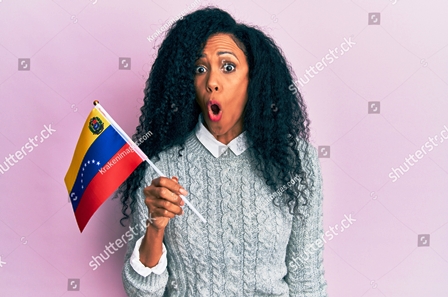
1. Greet with a Kiss on the Cheek 💋
Whether you’re meeting someone for the first time or seeing a friend, it’s common to greet with one kiss on the cheek—even in professional settings. Warm and expressive!
2. Eat Arepas Every Day 🫓
Arepas (cornmeal patties) are a staple and can be eaten for breakfast, lunch, or dinner—with endless fillings like cheese, meat, or avocado.
3. Use “¿Qué más?” as a Casual Greeting 👋
Instead of “How are you?”, Venezuelans often say “¿Qué más?”, meaning “What else?” or “What’s up?”
4. Queue Patiently for Everything 🧍🧍♀️🧍
Due to shortages in the past, standing in line for food, medicine, or gas became a common part of daily life—many have developed extreme patience and resilience.
5. Celebrate Christmas with Hallacas and Gaitas 🎄🎶
Their Christmas traditions include hallacas (similar to tamales), pan de jamón, and lively gaita music.
6. Call Everyone “Mi Amor” or “Mi Vida” 💖
Using sweet names like “mi amor” (my love) or “mi vida” (my life) with friends, family, and even strangers is completely normal and affectionate.
7. Have Loud, Lively Conversations 🔊😄
Venezuelans tend to speak loudly, gesture a lot, and laugh heartily—conversations often feel like small celebrations.
8. Obsess Over Beauty Pageants 👑
Venezuela has a huge beauty culture and has produced many Miss Universe winners. Pageants are national events, with intense grooming and training.
9. Drink Coffee Constantly (Small, Strong Shots) ☕
Called “tetero” or “guayoyo”, Venezuelans drink strong, black coffee several times a day—in tiny cups, often shared among friends and coworkers.
10. Dance Salsa, Merengue, and Reggaeton Everywhere 💃🕺
Music is life! You’ll often see spontaneous dancing at home, parties, or even in the streets—rhythm is deeply embedded in the culture.
Here’s an expanded version of Habit #1: Greet with a Kiss on the Cheek 💋 — the Venezuelan way:
1. Greet with a Kiss on the Cheek 💋
In Venezuela, greetings are warm, personal, and full of affection. A single kiss on the right cheek is the standard greeting between friends, family, and even acquaintances—especially between women or between men and women. This is true regardless of age or occasion, and it’s often paired with a warm smile and perhaps a hug.
🧍♀️🤝🧍♂️
- Between men, handshakes or a half-hug with a pat on the back is more typical unless they’re close friends or relatives.
- Between women or a man and a woman, the cheek kiss is almost automatic, even if you’re just being introduced.
💬 It often accompanies a friendly “Hola, ¿cómo estás?” (Hi, how are you?) or “¡Qué gusto verte!” (Nice to see you!)
This habit reflects the friendly, emotional, and expressive nature of Venezuelan culture—personal space is much smaller than in more reserved cultures, and emotional connection is shown from the very first interaction.
Absolutely! Here’s an expanded version of:
2. Eat Arepas Every Day 🫓
In Venezuela, arepas are life. These round, flat cornmeal patties are the national staple food, eaten at any time of day—breakfast, lunch, dinner, or even as a snack.
🌽 Made from precooked corn flour (Harina PAN), water, and salt, arepas are grilled, baked, fried, or steamed depending on preference. Once cooked, they’re sliced open and stuffed with just about anything.
🥑 Popular fillings include:
- Queso blanco (white cheese)
- Perico (scrambled eggs with tomato and onion)
- Reina Pepiada (shredded chicken with avocado and mayo)
- Carne Mechada (shredded beef)
- Jamon y queso (ham and cheese)
Each region and household may have its own twist on how they prepare or stuff them. Some arepas are thick and soft; others are thin and crispy. The variety is endless.
🫱 Venezuelans often say:
“Sin arepa, no hay desayuno” — “Without arepas, there’s no breakfast.”
It’s not just a food—it’s a symbol of home and culture, a comfort food that carries emotional weight, especially for Venezuelans living abroad. Many will go out of their way to find a Latin store just to get their beloved Harina PAN.
Here’s the expanded version of:
3. Use “¿Qué más?” as a Casual Greeting 👋
In Venezuela, instead of the typical “Hola” or “¿Cómo estás?”, people often greet each other with the phrase:
“¿Qué más?” — literally: “What else?”
But don’t be fooled by the literal translation—this expression is simply a friendly, casual way of saying “How are you?” or “What’s up?”
🗣️ Common responses might include:
- “Bien, ¿y tú?” – I’m good, and you?
- “Aquí, en lo mismo.” – Same old, same old.
- “Todo fino.” – Everything’s cool.
It’s used everywhere—with friends, family, coworkers, or even casual acquaintances. It reflects the relaxed and sociable nature of Venezuelan communication. Conversations often start with a warm tone, and this phrase sets the vibe right away.
🧠 Quick Tip:
“¿Qué más?” isn’t asking for actual updates—it’s a social connector, not a literal question.
You might also hear other casual greetings like:
- “Epa, chamo(a)!” – Hey dude/girl!
- “¿Cómo va la vaina?” – How’s it going? (very informal)
Here’s the expanded version of:
4. Queue Patiently for Everything 🧍🧍♀️🧍
In Venezuela, queuing (standing in line) has become a deeply ingrained part of everyday life—especially over the past decade. Due to economic instability, shortages of basic goods, and fuel crises, many Venezuelans have learned to wait in long lines calmly and patiently.
🛒 You might see queues for:
- Food (flour, rice, cooking oil, milk)
- Gasoline ⛽
- Medicine and medical supplies 💊
- Government services or ID cards 📄
What’s truly unique is how orderly and respectful most people are while waiting—even in the heat, under stress, or for hours. Some even arrive before sunrise to secure a good spot in line.
💬 People often chat with strangers, share information, or even joke while queuing. These lines have become unexpected social spaces where Venezuelans connect and vent, turning frustration into community.
Sometimes people write their names on a list to “hold” their place, or take turns coming back throughout the day. The habit has fostered:
- Patience
- Resilience
- Creativity in problem-solving
In short, queuing is no longer just a task—it’s a symbol of adaptation and quiet strength in Venezuelan daily life.
Here’s the expanded version of:
5. Celebrate Christmas with Hallacas and Gaitas 🎄🎶
In Venezuela, Christmas is one of the most vibrant and heartfelt celebrations of the year, filled with family, food, faith, and music. Two things that define a Venezuelan Christmas are:
🫔 Hallacas
A beloved traditional dish, hallacas are often described as Venezuela’s version of tamales, but they’re much more elaborate.
They’re made of:
- Corn dough (masa)
- Filled with a stew of beef, pork, and chicken
- Garnished with olives, capers, raisins, and sometimes bacon or bell peppers
Then wrapped in plantain leaves, tied with string, and boiled.
👨👩👧👦 Making hallacas is a family event. Generations gather in an “hallacada” (hallaca-making party), often with Christmas music playing in the background.
🎶 Gaitas
Gaitas are a traditional Venezuelan Christmas music style from the state of Zulia. It’s joyful, rhythmic, and played with instruments like:
- Cuatro (small guitar)
- Tambora (drum)
- Maracas
- Furro (a friction drum)
The lyrics of gaitas can be fun, political, or deeply sentimental, and they’re played nonstop throughout December—on the radio, at parties, and during street parades.
🎉 Venezuelan Christmas also includes:
- Parrandas (like caroling with instruments)
- Midnight Mass (Misa de Gallo) on Christmas Eve
- Fireworks, nativity scenes, and plenty of dancing!
Venezuelan Christmas traditions blend Catholic, Indigenous, African, and Spanish influences, making it rich, emotional, and full of flavor and sound.
Here’s the expanded version of:
6. Call Everyone “Mi Amor” or “Mi Vida” 💖
In Venezuelan culture, affectionate nicknames are part of everyday language—not just in romantic relationships, but with friends, coworkers, family members, and even strangers!
You’ll often hear people casually say:
- “Mi amor” – My love
- “Mi vida” – My life
- “Corazón” – Sweetheart / Heart
- “Mi cielo” – My heaven
- “Mi reina” / “Mi rey” – My queen / My king
💬 For example:
- A cashier might say, “¿Algo más, mi amor?” (Anything else, my love?)
- A friend might greet you with, “¡Hola, mi vida! ¿Cómo estás?” (Hi, my life! How are you?)
- A stranger helping you might say, “Tranquilo, mi cielo.” (Relax, sweetheart.)
These terms are used to create warmth and familiarity, and they reflect the emotional expressiveness of Venezuelan communication. It’s not considered flirtatious or inappropriate—it’s just how people show kindness and connection.
🧠 Note: While this level of endearment might feel surprising in more reserved cultures, in Venezuela it’s completely normal and culturally accepted, even between people who just met.
Here’s the expanded version of:
7. Have Loud, Lively Conversations 🔊😄
In Venezuela, conversations aren’t just about exchanging words—they’re about energy, emotion, and expression. It’s common for Venezuelans to speak:
- Loudly 📣
- With big gestures 🤌
- And lots of laughter, interruptions, and storytelling 😄
Whether at a family gathering, in a street café, or waiting in line, people speak with passion and enthusiasm. A conversation might sound like an argument to outsiders—but it’s usually just animated discussion or friendly banter.
💬 Common features include:
- Overlapping speech – it’s okay to talk while others are still speaking.
- Exaggerated expressions – wide eyes, raised eyebrows, hand gestures.
- Spontaneous jokes and slang – humor is a big part of daily talk.
- Nicknames and playful teasing – often done with love.
Venezuelans aren’t afraid to show emotion in conversation—whether it’s joy, frustration, or excitement. Talking is a social activity, not just communication. People enjoy being present, involved, and connected.
📍 This expressiveness reflects the broader Latin and Caribbean cultural influences, where community, music, emotion, and spontaneity shape everyday life.
Here’s the expanded version of:
8. Obsess Over Beauty Pageants 👑
Venezuela is world-famous for its beauty queens, and the national obsession with beauty pageants is unlike anywhere else.
👑 The country has produced:
- 7 Miss Universe winners
- 6 Miss World winners
- Multiple Miss International and Miss Earth titles
Pageants like Miss Venezuela are not just entertainment—they’re a national event, watched live by millions. Young girls grow up dreaming of wearing the crown, and many train in special pageant schools that teach:
- Poise and etiquette
- Catwalk skills
- Interview techniques
- Public speaking
- Fitness and beauty routines
🪞Beauty is seen as a form of personal pride and discipline. Cosmetic surgery, makeup, and fashion are normalized—even in low-income communities, families may save money to support a daughter’s pageant dreams.
💬 During Miss Venezuela season, it’s common to hear:
- “¿Ya viste a las candidatas?” – Have you seen the contestants?
- “Esa va a ganar, seguro.” – That one is definitely going to win.
Pageants are also a source of national pride and unity, especially during hard times. Seeing a Venezuelan win on the global stage is a reminder of the country’s resilience, talent, and spirit.
🧠 Fun fact: Osmel Sousa, known as “The Tsar of Beauty,” was the legendary figure behind Venezuela’s pageant success for decades—personally shaping future queens.
Here’s the expanded version of:
9. Drink Coffee Constantly (Small, Strong Shots) ☕
In Venezuela, coffee isn’t just a drink—it’s a ritual, a social glue, and a daily rhythm. Venezuelans are known for drinking strong, black coffee in small portions, several times a day.
☕ The most common styles include:
- “Marroncito” – small coffee with a little milk (like a mini latte)
- “Negro” – straight black espresso-like coffee
- “Guayoyo” – a milder, filtered black coffee (less concentrated)
Coffee is served in tiny cups, often referred to as a “tetero” (baby bottle) playfully, due to how frequently it’s consumed. It’s common to be offered coffee:
- At someone’s home (always a sign of hospitality)
- In an office, even during a quick meeting
- At gas stations, barber shops, and street corners
🗣️ You might hear:
- “¿Un cafecito?” – Want a little coffee?
- “Vamos por un negrito.” – Let’s grab a quick black coffee.
But it’s more than caffeine—coffee is conversation. It creates moments to connect, unwind, or share gossip. Even during times of scarcity, many Venezuelans find creative ways to brew or stretch their coffee supply.
⚙️ Bonus: Many use cloth filters (coladores) or metal stovetop espresso pots (grecas)—instant coffee is less loved unless there’s no other option.
In short, coffee in Venezuela is small, strong, and deeply meaningful, woven into the fabric of daily life, just like family and laughter.
—
Here’s the final expanded version:
10. Dance Salsa, Merengue, and Reggaeton Everywhere 💃🕺
In Venezuela, music and dance are essential parts of life—you’ll find rhythm and movement everywhere, from living rooms and bus stops to weddings and casual get-togethers.
🎶 The most popular dance styles include:
- Salsa – fast, energetic, and often improvised
- Merengue – joyful and bouncy, danced in close pairs
- Reggaeton – modern, urban, and full of bass and swag
Whether it’s a family BBQ, a beach party, or a corner store playing music too loud, someone is likely dancing—and they’ll often try to pull others in.
🧒👵 From kids to grandparents, everyone knows how to move, and dancing is seen as a natural way to express joy, flirt, or simply enjoy the moment.
🗣️ You might hear:
- “¡Vamos a echar un pie!” – Let’s hit the dance floor!
- “No sabes bailar salsa? Te enseño.” – Don’t know how to dance salsa? I’ll teach you.
Even during difficult times, Venezuelans turn to music and dance to lift their spirits. It’s a way of saying:
“We’re still here. We still have rhythm. We still have joy.”
💃 Dance isn’t just a habit—it’s a mindset.
✅ That wraps up the Top 10 Unique Venezuelan Habits!