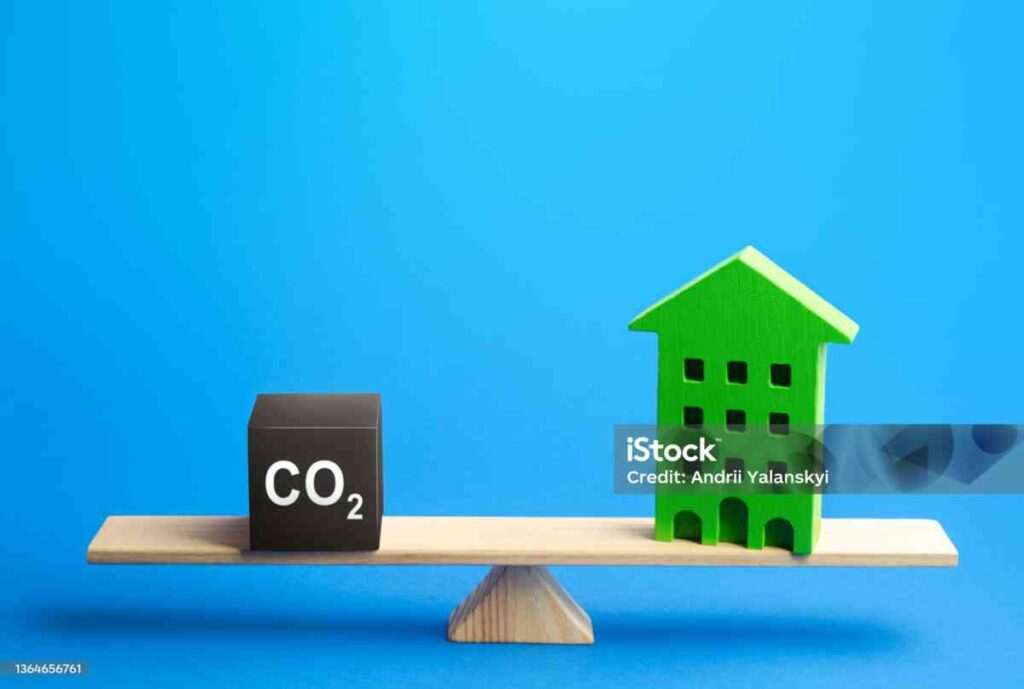
What is a Carbon Cost Calculator?
A carbon cost calculator measures how much carbon dioxide (CO₂) or other greenhouse gases you produce—and then converts that into a monetary cost.
It connects two key ideas:
- Carbon footprint → how much pollution you create
- Carbon pricing → how much that pollution “costs” financially
💡 How It Works
A carbon cost calculator typically follows these steps:
- Input Data
- Energy usage (electricity, fuel)
- Transportation (cars, flights)
- Industrial activities
- Calculate Emissions
- Converts usage into CO₂ emissions (tons or kg)
- Apply Carbon Price
- Multiplies emissions by a carbon price (e.g., $30–$100 per ton)
- Output Cost
- Shows the total carbon cost in money
📊 Simple Example
If:
- You emit 2 tons of CO₂
- Carbon price = $50 per ton
Then:
- Carbon cost = $100
🏭 Who Uses Carbon Cost Calculators?
🌱 Businesses
Companies use them to track emissions and plan sustainability strategies.
🏛️ Governments
Used to design policies like carbon taxes or emissions trading systems.
👤 Individuals
People can calculate their personal carbon footprint (travel, electricity, etc.).
📦 Industries
Manufacturers calculate the carbon cost of products and supply chains.
🔥 Why It Matters
1. Encourages Sustainability
By putting a price on pollution, it motivates cleaner choices.
2. Supports ESG Goals
Companies use it for Environmental, Social, and Governance (ESG) reporting.
3. Helps Reduce Costs Long-Term
Lower emissions = lower carbon costs.
4. Prepares for Regulations
Many countries are introducing carbon taxes and emissions limits.
⚙️ Key Features
- Emission tracking (CO₂, CH₄, etc.)
- Cost estimation based on global carbon pricing
- Scenario analysis (reduce emissions → see savings)
- Reporting dashboards
- Integration with energy or business systems
🌐 Real-World Use Case
A logistics company uses a carbon cost calculator to:
- Measure fuel emissions from trucks
- Calculate total carbon cost
- Switch to electric vehicles to reduce expenses
🚀 Conclusion
A carbon cost calculator is a powerful tool that turns environmental impact into financial insight. It helps businesses and individuals understand the real cost of emissions—and take action to reduce them.