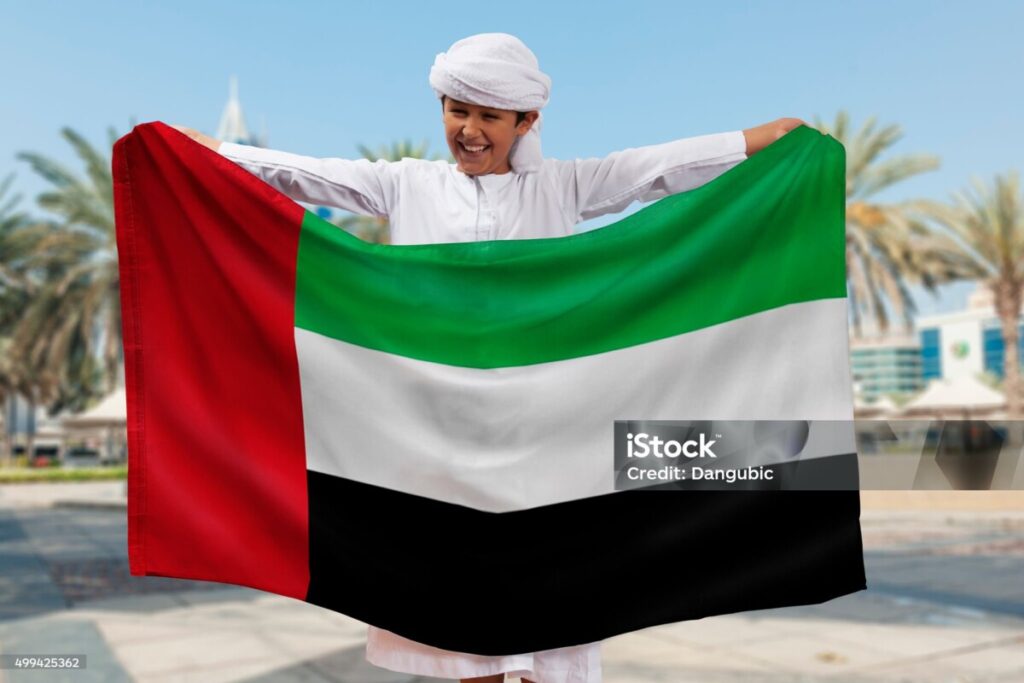
Absolutely! 🇦🇪 The United Arab Emirates (UAE) is a fascinating blend of deep-rooted Bedouin traditions and ultra-modern lifestyles. Here are the Top 10 Unique Habits Emirati People Often Do:
🇦🇪 1. Wearing Traditional Clothing Daily
- Men wear the kandura (white robe) and women wear the abaya (black cloak) — even in malls or luxury cars.
- It shows pride in national identity, modesty, and comfort in the hot climate.
🇦🇪 2. Greeting with Nose Kisses or Hand Touches
- Some Emirati men greet close male relatives or friends with nose-to-nose touches (called Khashm-makh).
- Handshakes and placing your hand on the heart after a greeting are also respectful signs.
🇦🇪 3. Drinking Arabic Coffee with Dates as a Welcome Ritual
- Guests are traditionally served Gahwa (Arabic coffee) in small cups and dates.
- It’s a symbol of hospitality and generosity, often done with a formal pouring ritual.
🇦🇪 4. Driving Big, Customized 4x4s
- Many Emiratis love luxury SUVs — often customized, tinted, and tricked out with personal style.
- Popular for desert driving and cruising along city roads alike.
🇦🇪 5. Heading to the Desert on Weekends
- Families often go “dune bashing”, camping, or relaxing in desert majlis tents.
- It’s a way to connect with their Bedouin heritage and enjoy nature.
🇦🇪 6. Using Incense (Bukhoor) Daily
- Homes, clothing, and even cars are scented with oud or bukhoor (fragrant wood smoke).
- It’s a symbol of cleanliness, elegance, and hospitality.
🇦🇪 7. Maintaining Gender Separation in Some Settings
- While modern UAE is diverse, some families still prefer separate sections at events or gatherings, respecting traditional values of modesty.
🇦🇪 8. Speaking in a Mix of Arabic and English
- Many young Emiratis code-switch fluently between Arabic and English, especially in cities like Dubai or Abu Dhabi.
- Common to hear phrases like: “Yalla, let’s go to the mall!” or “Insha’Allah tomorrow, ok?”
🇦🇪 9. Loving Perfumes and Oud Scents
- Fragrance is a daily ritual — men and women often wear luxurious perfumes layered with oud, musk, and amber.
- Scent is considered part of personal presentation and dignity.
🇦🇪 10. Celebrating National Day with Pride
- On December 2, the UAE is filled with flags, fireworks, parades, and decorated cars.
- Emiratis take great pride in their country’s rapid progress and unity, and show it loudly and proudly.
🇦🇪 1. Wearing Traditional Clothing Daily 👳♂️🖤
In the UAE, traditional clothing isn’t reserved for special occasions — it’s a daily symbol of cultural pride, elegance, and comfort, worn confidently in both modern and traditional settings.
👨⚖️ For Men:
- Kandura (or Dishdasha): A long white robe, typically made of cotton or lightweight fabric — perfect for the desert heat.
- Ghutra (headscarf): Usually white or red-and-white checked, held in place by a black cord called the Agal.
👩🖤 For Women:
- Abaya: A flowing black cloak, often beautifully decorated with embroidery or jewels.
- Shayla or Hijab: A headscarf worn to cover the hair.
🕌 Cultural Significance:
- Worn with pride to preserve heritage while blending into the modern world.
- Reflects modesty, cleanliness, and status — often tailored and immaculately kept.
- At work, malls, mosques, or luxury hotels, Emiratis wear these outfits confidently and stylishly.
💡 Fun Fact:
- The color of the kandura sometimes varies by season — white for summer, beige or grey for cooler months.
- Many men carry a misbaha (prayer beads) and wear designer watches or sunglasses with the outfit, blending tradition with fashion.
🇦🇪 2. Greeting with Nose Kisses or Hand Touches 🤝👃
In Emirati culture, greetings go beyond words — they’re deeply rooted in tradition, showing respect, familiarity, and brotherhood. One of the most unique forms? The nose-to-nose greeting, known as “Khashm-makh.”
👃 What Is Khashm-makh?
- A traditional greeting between Emirati men, especially among close relatives or tribal members.
- Involves gently touching noses once or twice, without kissing.
- Symbolizes trust, equality, and kinship — a gesture of mutual respect.
🤲 Other Common Greetings:
- Placing a hand on the heart after shaking hands = a sign of sincerity and warmth.
- Shaking hands lightly with the right hand — but only if you’re the same gender. Cross-gender greetings are often avoided unless initiated.
- Saying “As-salamu alaikum” (Peace be upon you) and replying “Wa alaikum as-salam” (And peace be upon you, too).
🇦🇪 Cultural Meaning:
- Emphasizes honor, hospitality, and tradition — the foundation of Emirati identity.
- Even in a modern setting, such greetings preserve tribal values and social bonds.
- Among youth today, Khashm-makh may be seen less often but still appears during family gatherings, weddings, and national celebrations.
💡 Fun Fact:
Guests are often greeted multiple times if passing by a majlis or tent — and always offered coffee or dates as part of the welcome.
Would you like to move on to 🇦🇪 3: Drinking Arabic coffee with dates? ☕🌴
🇦🇪 3. Drinking Arabic Coffee with Dates as a Welcome Ritual ☕🌴
In Emirati culture, serving Arabic coffee (Gahwa) with dates is more than hospitality — it’s a time-honored symbol of generosity, warmth, and respect. This gesture is central to social life in the UAE.
☕ What Is Gahwa?
- A lightly roasted, spiced coffee made with green coffee beans, often infused with cardamom, saffron, and cloves.
- Served in small, handle-less cups called finjan.
- Always accompanied by fresh dates to balance the bitterness of the coffee.
🧉 The Ritual:
- The host stands and pours the coffee from a dallah (traditional pot) into the guest’s cup.
- The right hand is always used to serve and receive.
- Guests typically drink one to three cups, and when finished, gently shake the cup side to side to signal “no more.”
🤝 Cultural Significance:
- It’s the first thing offered to guests at homes, weddings, majlis gatherings, or even business meetings.
- Drinking Gahwa reflects trust, respect, and good intentions between host and guest.
- The process is often slow and ceremonial, encouraging conversation and connection.
🇦🇪 What It Says About Emiratis:
- Hospitality is sacred. Offering coffee shows you are honored by your guest’s presence.
- Emiratis take pride in this ritual — it connects modern life with Bedouin heritage.
- It also reinforces community bonds and a shared sense of tradition.
💡 Fun Fact:
The practice is so important, Arabic coffee and majlis culture are listed as UNESCO Intangible Cultural Heritage across the Gulf region.
🇦🇪 4. Driving Big, Customized 4x4s 🚙🔥
In the UAE, big, powerful 4×4 vehicles aren’t just for show — they’re a symbol of status, adventure, and national pride. Whether cruising city highways or conquering desert dunes, Emiratis love their SUVs bold, fast, and often heavily customized.
🚘 What You’ll See:
- Popular models: Nissan Patrol, Toyota Land Cruiser, Mercedes G-Class, Range Rover.
- Custom features include:
- Chrome finishes
- Personalized license plates
- Dark tints (for privacy and heat protection)
- Lift kits, LED lights, or modified grills
- Many are equipped with desert driving features, like sand tires and reinforced suspension.
🏜️ Why It’s a Thing:
- Desert culture: These vehicles are ideal for dune bashing, off-roading, and weekend desert trips.
- Climate: Large cars handle heat and long distances better.
- Prestige: A stylish SUV is often a status symbol, especially among younger Emiratis.
- Family life: With large families, roomy interiors are practical too.
🇦🇪 Cultural Vibe:
- Driving isn’t just about transport — it’s part of identity, masculinity, and leisure.
- Many locals form car clubs, go on convoys into the desert, or attend auto shows and street events.
- Even in urban centers like Dubai and Abu Dhabi, these vehicles are everywhere — polished and roaring.
💡 Fun Fact:
Personalized license plates with low numbers (e.g., “1” or “10”) can auction for millions of dirhams, becoming collectible luxury items!
🇦🇪 5. Heading to the Desert on Weekends 🏜️🌅🚙
For many Emiratis, the desert isn’t just landscape — it’s home. On weekends, families and friends often escape the city to relax, reconnect with nature, and celebrate Bedouin roots in the golden sands.
🏕️ What They Do in the Desert:
- Dune bashing in 4x4s — thrilling rides over massive sand dunes.
- Setting up traditional majlis tents for tea, food, and socializing.
- Barbecues, bonfires, and storytelling under the stars.
- Falconry, camel riding, and sometimes sandboarding.
- Just enjoying the peace and silence of nature away from city noise.
🏜️ Why It’s So Meaningful:
- Connects Emiratis to their Bedouin ancestry, who once lived and traveled through the desert.
- A way to relax, reflect, and reset — free from the fast pace of modern urban life.
- Strengthens family and tribal bonds through shared time and tradition.
🇦🇪 Cultural Significance:
- The desert reflects core Emirati values: resilience, simplicity, generosity, and heritage.
- Many locals decorate their cars and homes with desert themes as a symbol of pride.
- The practice remains strong even among young generations, mixing tradition with modern fun.
💡 Fun Fact:
During the cooler months (October to March), it’s common to see full camps set up — some luxurious with generators and Wi-Fi, others more rustic and traditional.
🇦🇪 6. Using Incense (Bukhoor) Daily 🌫️🕌🌸
In the UAE, scent is part of daily life, and one of the most cherished traditions is burning Bukhoor — aromatic woodchips soaked in fragrant oils. The rich, smoky scent isn’t just for special events; it’s used every day to perfume homes, clothes, and even hair.
🌿 What Is Bukhoor?
- Woodchips (often agarwood or sandalwood) infused with fragrant oils such as oud, rose, musk, amber, or saffron.
- Placed on hot charcoal or electric burners, releasing thick, luxurious smoke that lingers for hours.
🏠 How It’s Used:
- Before guests arrive — to bless and scent the home.
- After showering, people waft clothes over the burner to absorb the scent.
- In public spaces like malls and majlis — you’ll often smell it floating through the air.
- Even cars and hair are sometimes perfumed with bukhoor.
🇦🇪 Cultural Meaning:
- Symbol of hospitality, cleanliness, and luxury.
- Burning bukhoor is seen as soothing, spiritual, and dignified — it creates a sacred, welcoming atmosphere.
- Often associated with Friday prayers, Eid, and weddings, but equally important in daily life.
💡 Fun Fact:
Emiratis often layer scents — wearing perfume first, then walking through bukhoor smoke for a lasting, multi-dimensional aroma. Oud and bukhoor are so beloved, they are now part of luxury fashion houses and royal rituals worldwide.
🇦🇪 7. Maintaining Gender Separation in Some Settings 🚻🕌🧕👳♂️
In the UAE, gender separation in certain public and private settings is a cultural practice rooted in Islamic values and Emirati traditions. While the country is modern and globalized, many locals still observe respectful boundaries between men and women, especially in family or religious contexts.
🚻 Where Gender Separation Is Common:
- Weddings: Traditional Emirati weddings often have separate halls for men and women.
- Majlis (guest rooms): Men and women gather separately in homes and formal settings.
- Mosques: Worship areas are divided to allow each gender to pray in privacy.
- Schools & universities: Some are gender-segregated, particularly for Emirati nationals.
- Public transport: Some areas in buses and metro cars are reserved just for women.
🕌 Why It’s Practiced:
- Based on Islamic etiquette (adab), which emphasizes modesty and respect.
- Helps maintain cultural privacy and family honor, especially in close-knit communities.
- Seen as a way to preserve tradition while engaging with modern life.
🇦🇪 Modern Adaptation:
- In cities like Dubai and Abu Dhabi, mixed settings are common in malls, workplaces, and restaurants.
- Gender separation is typically optional or traditional — not always legally required.
- Emiratis balance modern values with cultural customs, allowing for flexible interaction in global contexts.
💡 Fun Fact:
At Emirati weddings, the women’s section is often where the real party happens — with glamorous fashion, dancing, and music in a private space free from male guests.
🇦🇪 8. Speaking in a Mix of Arabic and English 🗣️🇦🇪🇬🇧
In the UAE, especially among younger Emiratis, it’s incredibly common to switch between Arabic and English in a single sentence — a form of code-switching that reflects the country’s multicultural, bilingual reality.
🗣️ What It Sounds Like:
- “Yalla, let’s go to the mall.”
- “Khalas, I finished it already. No need la.”
- “Wallah, the meeting was intense today!”
This hybrid of languages is casual, fluid, and highly expressive — often including Gulf Arabic, English, and even a little Hindi, Urdu, or Tagalog.
🏙️ Why It Happens:
- English is widely used in schools, workplaces, and media, making it second nature.
- Emiratis are regularly exposed to expat communities and international influences — 80–90% of the UAE’s population is non-Emirati.
- Mixing languages allows people to express ideas more precisely or casually, depending on context and mood.
🇦🇪 Cultural Meaning:
- Reflects openness, adaptability, and global-mindedness of Emirati society.
- Shows how traditional identity coexists with a fast-paced, modern world.
- For youth, it’s a way of staying culturally grounded while being part of a global generation.
💡 Fun Fact:
The phenomenon has even influenced local media and ads — you’ll often see bilingual slogans on billboards, and hear code-switching in TV shows or social media content.
🇦🇪 9. Loving Perfumes and Oud Scents 🌸🖤🌫️
In the UAE, perfume is a personal signature, and oud (a deep, woody resin scent) is king. Emiratis have a deep passion for fragrance layering, often wearing multiple scents at once and treating perfume as an essential daily ritual, not a luxury.
🌿 What Is Oud?
- Oud (also known as agarwood) is a rare, resinous wood from Southeast Asia.
- When burned or distilled into oil, it gives off a rich, smoky, slightly sweet scent — powerful and long-lasting.
- Often blended with rose, musk, amber, or saffron in both men’s and women’s perfumes.
🧴 How It’s Used:
- Everyday wear — before work, prayer, or social events.
- Layered with Bukhoor smoke for maximum effect.
- In hair, on clothes, even in homes or cars.
- Special perfume oils called “attar” are applied directly to the skin.
🕌 Cultural Importance:
- Wearing fragrance is encouraged in Islamic tradition, especially for Friday prayers.
- Smelling good is a sign of cleanliness, dignity, and respect for others.
- Gifting perfume is a popular practice during Eid, weddings, or as a gesture of honor.
🇦🇪 What It Reflects:
- Emiratis value elegance, refinement, and sensory experience.
- The use of scent shows attention to detail and personal pride.
- Perfume shops are as common as cafés, and high-end niche brands thrive across the UAE.
💡 Fun Fact:
Some Emiratis have signature blends made just for them — they visit perfume houses to craft a custom scent profile no one else wears.
🇦🇪 10. Celebrating National Day with Pride 🎉🇦🇪🕊️
Every year on December 2, the United Arab Emirates bursts into vibrant celebration for National Day — marking the union of the seven emirates in 1971. For Emiratis, it’s not just a holiday — it’s a proud display of heritage, unity, and deep national love.
🇦🇪 How Emiratis Celebrate:
- Homes, cars, schools, and buildings are decorated with UAE flags, red-green-white-black ribbons, and fairy lights.
- People wear traditional clothing in national colors, with kids often in mini kanduras and abayas.
- Fireworks, concerts, cultural parades, and air shows (featuring the UAE’s national aerobatics team) light up the country.
- Students participate in heritage-themed events, and majlis tents serve traditional food and drinks.
- Custom-decorated cars with flag decals, lights, and patriotic slogans cruise the streets proudly.
🏜️ Cultural Significance:
- National Day honors the vision of Sheikh Zayed, the UAE’s founding father.
- It reflects Emirati pride in their rapid development, peaceful society, and cultural preservation.
- It’s a time for Emiratis and expats alike to come together in celebration.
💡 Fun Fact:
In cities like Abu Dhabi and Dubai, massive events are held at public parks, Corniches, and stadiums — drawing thousands of people from all backgrounds to enjoy music, fireworks, and traditional performances like Ayala (stick dancing).