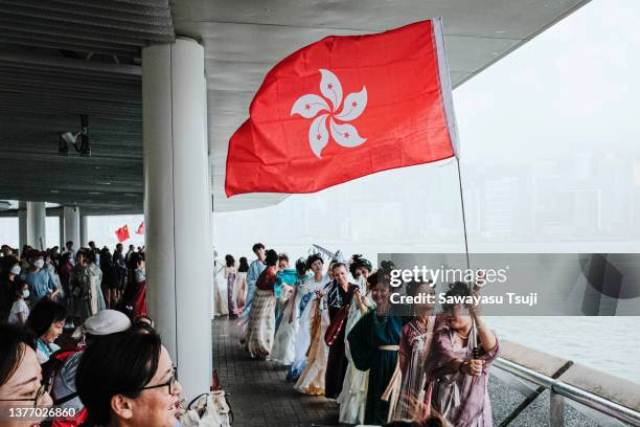
Here are 10 unique habits often associated with people in Hong Kong that reflect their culture, daily life, and social quirks:
1. Queueing Religiously
Hongkongers are famously patient and orderly when it comes to lining up—whether it’s for the MTR (subway), food stalls, or even escalators (stand on the right, walk on the left).
2. Using Octopus Card for Everything
The Octopus card is a contactless payment staple, used for transit, convenience stores, vending machines, and even some restaurants and parking lots.
3. Eating Dim Sum with Friends and Family
Dim sum isn’t just food; it’s a social ritual. Sharing baskets of dumplings and tea over lively conversation is a weekend tradition.
4. Complaining About the Weather (Especially the Humidity)
Hong Kong’s hot, humid climate is a favorite topic of conversation and grumbling, especially during the summer months.
5. Taking Public Transport Like a Pro
Most people use the MTR or buses to get around—cars are less common. The public transit system is efficient, fast, and heavily relied upon.
6. Respecting Elders with a Slight Bow or Nod
Showing respect to older people through subtle gestures like a nod or a slight bow is common, especially in more traditional families.
7. Using Cantonese Slang and English Mix (Code-Switching)
Many locals effortlessly switch between Cantonese and English mid-sentence—a unique linguistic blend known as “code-switching.”
8. Drinking Milk Tea (Cha) Everywhere
Hong Kong-style milk tea is a beloved daily ritual, whether at street vendors or trendy cafes. It’s strong, smooth, and often enjoyed with breakfast or snacks.
9. Buying Food in Small Portions at Street Stalls
Street food culture is big, and many people buy small, quick bites like fish balls, egg waffles, or skewers while on the go.
10. Being Super Polite but Direct
Hongkongers are usually polite and respectful but also very direct and efficient in communication, especially in business and daily interactions.
🇭🇰 Unique Hong Kong Habit: Queueing Religiously
One thing you’ll quickly notice in Hong Kong is how patient and disciplined people are when it comes to lining up—no cutting, no pushing, just orderly queues everywhere.
🚶♂️ Where This Happens:
- At MTR (subway) entrances and platforms
- Bus stops and ferry piers
- Popular food stalls and dim sum restaurants
- Even at escalators—stand right, walk left!
🧠 Why Do They Do It?
- It’s a cultural norm rooted in respect for others and social order.
- With millions crammed into a small space, efficiency and fairness in queues help keep daily life running smoothly.
- The queue is almost sacred—cutting in line is a serious no-no.
😄 Fun Fact:
If you ever try to jump the queue, you might get stern looks or polite but firm reminders to get to the back!
🇭🇰 Unique Hong Kong Habit: Using the Octopus Card for Everything
In Hong Kong, the Octopus Card isn’t just a transit pass—it’s basically your everyday wallet!
🎫 What’s the Octopus Card?
A rechargeable, contactless smart card originally made for paying fares on the MTR, buses, and ferries—but now accepted almost everywhere.
🛍️ Where Can You Use It?
- Public transportation (MTR, buses, trams, ferries)
- Convenience stores and supermarkets
- Fast food joints and cafes
- Parking meters and vending machines
- Some taxis and even certain retail stores
🧠 Why Do They Use It So Much?
- It’s super fast and convenient—just tap and go, no need for cash or cards.
- Helps speed up transactions in busy urban life.
- It’s widely accepted, making it almost essential for locals and tourists alike.
😎 Fun Fact:
Some people personalize their Octopus cards with stickers or custom designs, turning them into little style statements!
🇭🇰 Unique Hong Kong Habit: Eating Dim Sum with Friends and Family
In Hong Kong, dim sum isn’t just a meal—it’s a cherished social tradition and a way to connect with loved ones.
🍽️ What Is Dim Sum?
A variety of bite-sized dishes like dumplings, buns, and rolls, usually served with tea in a shared setting.
🥢 When and Where?
- Typically enjoyed during weekend brunches or lunch
- At bustling dim sum restaurants or traditional teahouses
- Gatherings often include multiple generations, from grandparents to kids
🧠 Why Is It So Important?
- Sharing many small dishes encourages conversation and bonding
- It’s a way to celebrate family and friendship over food
- The experience is as much about company as cuisine
😋 Fun Fact:
Dim sum is sometimes called “yum cha” (飲茶), which means “drink tea,” highlighting how tea and food go hand-in-hand.
🇭🇰 Unique Hong Kong Habit: Complaining About the Weather (Especially the Humidity)
If you spend any time in Hong Kong, you’ll quickly realize that talking about the weather—especially the humidity—is a national pastime.
🌡️ Why the Weather Complaints?
- Hong Kong’s summers are hot, sticky, and unbearably humid, often feeling like a sauna.
- Sudden rainstorms and typhoons add to the unpredictable weather drama.
- Winters are mild but can feel damp and chilly indoors.
🗣️ Common Complaints You’ll Hear:
- “It’s so humid, my clothes won’t dry!”
- “Another typhoon coming—here we go again.”
- “Feels like a sauna outside.”
- “The aircon can’t keep up with this weather!”
☘️ Cultural Insight:
Complaining about the weather is a shared experience that helps people bond. It’s also a light, easy way to make small talk in a city where personal space and privacy are valued.
🇭🇰 Unique Hong Kong Habit: Taking Public Transport Like a Pro
In Hong Kong, public transport isn’t just a way to get around—it’s a way of life, and locals navigate it with impressive speed and skill.
🚇 What Makes Them Pros?
- Mastering the MTR (subway) system with seamless transfers and route planning.
- Using buses, trams, ferries, and minibuses to beat traffic jams.
- Knowing exact boarding spots, exit gates, and peak/off-peak times to save time.
- Standing politely on the right side of escalators, letting others pass on the left.
🧠 Why So Efficient?
- Hong Kong is densely populated—millions rely on public transit daily.
- Owning a car is expensive and inconvenient; public transit is often faster.
- The system is designed for efficiency, and locals are used to its rhythm.
😎 Fun Fact:
During rush hour, the MTR can feel like a sardine tin, but Hongkongers stay calm and organized, proving they’re pros at navigating crowds.
🇭🇰 Unique Hong Kong Habit: Respecting Elders with a Slight Bow or Nod
In Hong Kong, showing respect to elders is an important cultural norm, often expressed through small, subtle gestures like a bow or nod.
🙇 What It Looks Like:
- A slight bow or nod when greeting or thanking elders
- Offering seats to older people on public transport
- Using polite language and tone when speaking to seniors
🧠 Why Is It Important?
- Deeply rooted in Confucian values emphasizing filial piety and respect
- A way to show gratitude and honor without needing words
- Reflects the value placed on community and family harmony
❤️ Cultural Insight:
These subtle signs of respect are woven into daily life—showing that even the smallest gesture can carry great meaning.
🇭🇰 Unique Hong Kong Habit: Using Cantonese Slang and English Mix (Code-Switching)
In Hong Kong, it’s completely normal to hear people mixing Cantonese and English in a single sentence — a fun, fluent habit known as code-switching.
🗣️ What It Sounds Like:
- “唔該你幫我 check 一 check。” (Can you please check it for me?)
- “我哋去 mall 行下啦。” (Let’s go walk around the mall.)
- “今日個 meeting 真係好 rush!” (Today’s meeting was really rushed!)
🧠 Why Do They Do It?
- Colonial history left a strong English influence, especially in education and business.
- It’s faster and often more expressive — some ideas are just easier to say in one language over the other.
- It reflects Hong Kong’s bilingual identity — fluent in both Eastern and Western cultures.
📱 Cultural Insight:
This habit is especially common among younger generations and in urban settings. It adds a unique rhythm and personality to everyday conversation — and sometimes creates words that are totally local (like “chur” for tiring or “add oil” for encouragement)!
🇭🇰 Unique Hong Kong Habit: Drinking Milk Tea (Cha) Everywhere
In Hong Kong, milk tea (港式奶茶) isn’t just a drink — it’s a cultural icon. From breakfast cafés to bubble tea stalls, “cha” is everywhere, and locals are serious about their brew.
🧋 What Is Hong Kong-Style Milk Tea?
- A strong black tea blend (often Ceylon-based)
- Brewed with a silky-smooth, stocking-filter method
- Mixed with evaporated or condensed milk for a rich, creamy flavor
- Served hot or iced — often with toast, egg tarts, or a cha chaan teng (tea restaurant) meal
🧠 Why Do Hongkongers Love It?
- It’s comforting, energizing, and deeply nostalgic
- Part of daily life, especially breakfast and lunch routines
- Every shop has its own signature recipe — and locals are fiercely loyal to their favorite
😄 Fun Fact:
The texture is so smooth it’s called “silk stocking milk tea” (絲襪奶茶), referring to the fine mesh strainer used to brew it — not actual stockings!
🇭🇰 Unique Hong Kong Habit: Buying Food in Small Portions at Street Stalls
In Hong Kong, eating on the go is a delicious daily ritual, and locals love to grab small bites from street stalls instead of sitting down for big meals.
🍢 What Kind of Food?
- Curry fish balls (咖喱魚蛋) – spicy, bouncy, and served on a skewer
- Egg waffles (雞蛋仔) – crispy outside, soft inside, often in creative flavors
- Stinky tofu (臭豆腐) – pungent but beloved by locals
- Cheung fun (腸粉) – silky rice rolls drizzled with soy and sweet sauces
- Siu mai (燒賣) – street-style version of the dim sum classic
🧠 Why the Small Portions?
- Convenience – easy to eat while walking or commuting
- Encourages trying multiple items from different vendors
- Fits Hong Kong’s fast-paced lifestyle and love for variety
🏙️ Cultural Insight:
Street food is more than just cheap eats — it’s a snapshot of local life, full of nostalgic flavors, late-night snacks, and childhood memories
🇭🇰 Unique Hong Kong Habit: Being Super Polite but Direct
Hongkongers are known for a unique blend of courtesy and bluntness — they’re often very polite in tone, yet honest and straightforward in what they say.
🗣️ What This Sounds Like:
- “唔該 (m̀hgōi)” or “thank you” — always said, even for small favors
- But also: “你肥咗喇” (You’ve gained weight) — said without malice
- Or: “你咁樣唔啱啦” (That’s not right the way you did it) — matter-of-fact, not rude
🧠 Why This Mix?
- Cultural roots in Confucian values emphasize respect, especially in tone and behavior
- But Hong Kong is also a fast-moving, results-driven city, where time is limited and efficiency matters
- The result: say what needs to be said, but say it respectfully
💡 Cultural Insight:
To outsiders, this might seem like a contradiction. But in Hong Kong, being direct is often seen as caring — especially among friends and family. It’s about honesty with kindness, not confrontation.

