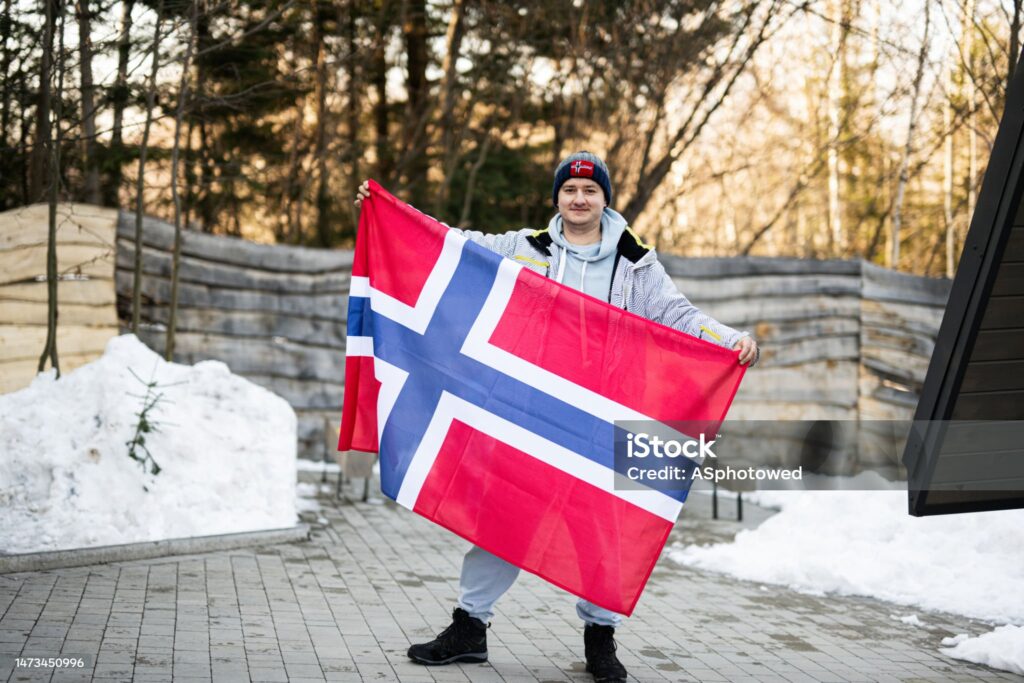
🇳🇴 1. Spending Time in Nature — Friluftsliv 🌲🧘♂️
Norwegians deeply value “friluftsliv” (free-air life), a philosophy of connecting with nature. Hiking, skiing, or just being outdoors is seen as essential to well-being — in any weather.
🇳🇴 2. Leaving Babies to Nap Outside 🍼❄️
Yes — even in freezing temps! Many Norwegian parents let babies nap in prams outdoors. It’s believed to boost immunity and improve sleep.
🇳🇴 3. Wearing Wool Year-Round 🧶🧤
Norwegians love their wool — especially traditional knitted sweaters (kofter) and wool underwear. It’s not only for style but also practical and natural insulation for all seasons.
🇳🇴 4. Celebrating Constitution Day Like a National Holiday on Steroids 🎉🇳🇴
On May 17th (Syttende Mai), Norwegians celebrate with parades, national costumes (bunad), flags, and LOTS of ice cream and hot dogs. It’s a huge family-friendly, patriotic day.
🇳🇴 5. Removing Shoes Indoors 👞🚪
It’s common practice to take off shoes at the door in homes — and sometimes even in offices or schools. Norwegians like to keep indoor spaces clean and cozy.
🇳🇴 6. Trusting in the Honor System 🤝
Whether it’s self-service fruit stands, ski rentals, or unattended cafés, Norway has a strong culture of trust and honesty — people are expected to pay even when no one’s watching.
🇳🇴 7. Eating Tacos on Fridays (Fredagstaco) 🌮
Surprisingly, Friday night tacos are a weekly ritual in many Norwegian homes. It’s fun, customizable, and part of modern family culture.
🇳🇴 8. Skiing — It’s Practically a Religion 🎿
Norwegians say they are “born with skis on.” Cross-country skiing especially is a national obsession, and most Norwegians head to cabins (hytter) on winter weekends to ski and relax.
🇳🇴 9. Avoiding Small Talk (But Being Genuinely Kind) 🤐💬
In public, Norwegians are reserved and value personal space. They may avoid small talk, especially with strangers — but once you know them, they’re warm, loyal, and deeply helpful.
🇳🇴 10. Eating Brown Cheese (Brunost) 🧀☕
This caramel-like sweet cheese made from goat milk is a breakfast staple, often eaten with bread or waffles. It’s very Norwegian — and definitely an acquired taste for outsiders.
🇳🇴 1. Spending Time in Nature — Friluftsliv 🌲🧘♂️
One of the most cherished and unique aspects of Norwegian culture is the concept of friluftsliv, which literally means “open-air life.” It’s not just a hobby — it’s a way of living that emphasizes spending time outdoors, being active in nature, and finding peace in simplicity.
🌿 What Is Friluftsliv?
- A deep-rooted cultural philosophy about reconnecting with the natural world.
- Encourages regular outdoor activities, regardless of weather — hiking, skiing, fishing, camping, or just walking in the woods.
- It’s about unplugging, being mindful, and embracing solitude or togetherness in nature.
🏞️ Everyday Practice:
- Norwegians go hiking after work, take weekend trips to cabins (hytter), or simply go for forest strolls.
- Even in winter, snowy hikes, cross-country skiing, or just breathing cold, fresh air is encouraged.
- Schools often practice “ut på tur” — taking students outdoors, sometimes daily.
❄️ “There’s No Bad Weather, Only Bad Clothing”:
- This popular Norwegian saying reflects the national mindset: nature is never the problem — it’s your gear that might be.
- Rain or snow isn’t a reason to stay indoors — it’s part of the experience!
🧘♀️ Benefits Norwegians Believe In:
- Mental clarity & stress reduction
- Physical health
- Deeper family and social bonds
- A sense of freedom, identity, and peace
🇳🇴 Cultural Insight:
Friluftsliv is so ingrained that Norwegians are often confused when visitors ask, “But what do you do out there all day?” The answer is simple: enjoy nature — no agenda needed.
🇳🇴 2. Leaving Babies to Nap Outside 🍼❄️
In Norway, it’s completely normal — even encouraged — to let babies nap outdoors, even in freezing temperatures. Parents tuck their infants into prams with thick wool blankets and place them on balconies, porches, or outside cafés to enjoy a crisp, fresh-air nap. ❄️
💤 Why Do Norwegians Do This?
- It’s believed that cold, clean air helps babies sleep deeper and longer.
- Fresh air is thought to boost immunity and reduce exposure to indoor germs.
- Napping outside is considered part of the Norwegian wellness mindset, where nature and health go hand in hand.
🧤 Safety First:
- Babies are always bundled up properly: wool layers, mittens, hats, and pram covers.
- Naps are shorter in very cold weather (e.g., below –10°C or 14°F).
- Parents always monitor babies closely, either with baby monitors or regular check-ins.
🏙️ Common Sights:
- In Norwegian cities and towns, it’s typical to see rows of strollers outside daycare centers, even in snow.
- Cafés may have “pram parking areas”, where moms enjoy a coffee while the baby sleeps outside.
👶 Cultural Beliefs:
- This tradition is tied to the broader “friluftsliv” lifestyle — instilling nature and resilience from infancy.
- Norwegians tend to trust in fresh air more than most cultures and see no need to overprotect children from the outdoors.
🧊 Reactions from Tourists:
- Visitors are often shocked to see a sleeping baby left outside alone.
- But in Norway, it’s a sign of good parenting, not neglect — and community trust is very high.
🇳🇴 3. Wearing Wool Year-Round 🧶🧤
In Norway, wool isn’t just for winter — it’s a way of life! 🇳🇴 From babies to grandparents, Norwegians wear wool in every season, appreciating it for its natural warmth, breathability, and durability. Whether hiking, skiing, or just lounging at home, wool is everywhere.
🧥 Why Wool is So Popular:
- Warm when wet — perfect for Norway’s cold and damp climate.
- Naturally breathable, so it regulates body temperature in both cold and mild weather.
- Odor-resistant and doesn’t need frequent washing — ideal for active lifestyles.
- Made from sustainable, natural materials, often from local sheep.
🧶 Everyday Wool Habits:
- Children wear wool layers under their clothes — especially to school and daycares.
- Wool underwear and base layers are standard, even in spring and fall.
- Norwegians bring wool on hikes, skiing trips, or even to outdoor cafés.
- At home, cozy knit sweaters (kofter) are worn casually or for festive occasions.
🧵 Traditional Wool Sweaters (Kofte / Lusekofte):
- Iconic patterned sweaters with silver clasps or buttons.
- Worn for national holidays, skiing, Christmas, or just everyday warmth.
- Often passed down through generations or hand-knitted with pride.
🧼 How Norwegians Care for Wool:
- Airing it out instead of washing frequently.
- Hand-washing or using gentle wool cycles.
- Drying flat — never tumble drying!
🐑 Cultural Insight:
Wool isn’t just about comfort — it’s part of Norway’s cultural identity, linked to outdoor life, tradition, and self-reliance. It’s a quiet badge of pride for Norwegians who live in harmony with nature’s rhythms.
🇳🇴 4. Celebrating Constitution Day Like a National Holiday on Steroids 🎉🇳🇴
Norway’s Constitution Day — celebrated on May 17th (Syttende Mai) — is not just a holiday, it’s a full-blown, joy-filled national spectacle of pride, tradition, and unity. It’s the day when Norwegians pull out their finest clothes, wave flags like pros, and eat ice cream and hot dogs with zero guilt. 🇳🇴🍦🌭
📜 What is Constitution Day?
- Marks the signing of the Norwegian Constitution in 1814, declaring Norway a sovereign nation.
- Unlike many independence days, it’s not military-focused — it’s all about children, peace, and national pride.
🧑🎓 Key Highlights of May 17th:
- Children’s Parades: Schools lead flag-waving parades with marching bands and cheers of “Hurra! Hurra!”
- National Costumes (Bunad): Many wear traditional clothing specific to their region — intricate, colorful, and often handmade.
- Flags Everywhere: Everyone — literally everyone — carries a small flag.
- No Alcohol or Fireworks: It’s a day focused on family and community, not rowdy parties.
🍦 What People Eat:
- Hot dogs (pølse i lompe) — wrapped in potato flatbread
- Ice cream — in ridiculous amounts, especially for kids (and no one judges)
- Waffles, cakes, and soda — festive treats everywhere
📸 What You’ll See:
- Streets filled with music, marching bands, waving children, and colorful costumes
- Locals shouting “Gratulerer med dagen!” (“Congratulations on the day!”)
- Flags on cars, balconies, and babies!
🇳🇴 Cultural Vibe:
- It’s a celebration of freedom, culture, and peaceful identity — no big speeches or political drama.
- Even Norwegians abroad organize their own Syttende Mai events, showing how emotionally significant the day is.
🇳🇴 5. Removing Shoes Indoors 👞🚪
In Norway, taking off your shoes before entering a home is more than just good manners — it’s an unspoken rule and a sign of respect and cleanliness. Whether you’re visiting a friend, attending a dinner party, or even stopping by briefly, the first thing you do is remove your shoes. Always. 👣
🏠 Why Norwegians Do This:
- Cleanliness: Norway has a lot of rain, mud, and snow — shoes bring in dirt and moisture.
- Comfort: Homes are often cozy and warm inside, especially with underfloor heating.
- Cultural norm: It’s taught from childhood and just… expected.
🧦 What Happens Instead:
- You’ll walk around in socks, slippers, or barefoot.
- Many homes have a designated shoe rack or entryway for shoes.
- Some hosts offer guest slippers (especially in winter!).
🚫 What Not to Do:
- Don’t walk in with your shoes — even stylish ones.
- Don’t hesitate awkwardly — just ask politely: “Should I take off my shoes?” (The answer will almost always be “Yes.”)
👟 Exceptions?
- In some formal events or public buildings, shoes stay on.
- But in most private homes, it’s an absolute must.
🇳🇴 Cultural Insight:
This habit reflects the Norwegian emphasis on hygge-style comfort, practicality, and respect for shared spaces. It’s also part of the broader Scandinavian preference for minimal mess, maximum coziness.
🇳🇴 6. Trusting in the Honor System 🤝
Norwegians place a remarkably high level of trust in one another — and it shows in their everyday life. Whether it’s buying strawberries at an unmanned farm stand or renting skis from a self-service hut, the honor system is alive and well in Norway. People do what’s right — even when no one is watching.
💸 Common Examples:
- Self-service produce stands: You take what you want and leave cash (or VIPPS payment) in a box.
- Shared cabins and hiking shelters: Many have an honor-based food pantry — you write down what you took and pay later.
- Unmanned parking lots or rural tolls: You’re expected to scan and pay on your own, no gate or guard needed.
🚲 Also Seen In:
- Bicycle rentals
- Public book exchange boxes
- Camping spots with voluntary donations
- Even kids’ toys and sleds left outside homes — untouched by strangers
💬 Why It Works:
- Norwegians are raised to respect shared spaces and community resources.
- There’s a strong social norm: “If you cheat the system, you’re letting everyone down.”
- Crime and dishonesty are low, and personal accountability is very high.
🧊 Cultural Insight:
This trust extends beyond money — it’s also reflected in things like unattended babies in prams, people leaving laptops at café tables, or even borrowing neighbors’ tools without fear. It’s not naivety — it’s mutual respect.
🇳🇴 7. Eating Tacos on Fridays (Fredagstaco) 🌮🎉
Yes — tacos are a national tradition in Norway. Every Friday, countless Norwegian families and friend groups gather for “Fredagstaco” — a festive, build-your-own taco night. It’s not Mexican-style tacos, but a uniquely Norwegian twist that has become a cultural ritual.
🌮 What Is “Fredagstaco”?
- “Fredag” = Friday
- “Taco” = Taco (of course!)
- Together, it means: Friday = Taco Night, no questions asked.
🧀 What’s in a Norwegian Taco?
- Ground beef with taco seasoning
- Shredded cheese, lettuce, tomatoes, cucumber, corn
- Sour cream, taco sauce, guacamole (Norwegian-style)
- Hard taco shells or soft tortillas
- Sometimes even pineapple or ketchup (yes, really)
🕖 Why It’s a Big Deal:
- Easy to prepare — perfect for relaxing after a work week
- Fun for families and kids (everyone makes their own)
- It’s become a comfort-food tradition — cozy and social
- Some Norwegians even claim it “feels wrong” to eat tacos on any other day!
📊 Fun Fact:
- Surveys have shown that over 1 in 10 Norwegians eat tacos every Friday
- Taco kits are one of the top-selling grocery items
- There’s even a term: “Tacoland” to describe Norway’s taco obsession
🇳🇴 Cultural Insight:
Like a modern ritual, Fredagstaco reflects Norway’s love for routine, togetherness, and cozy home vibes. It might sound quirky, but for Norwegians — it just makes Friday feel like Friday.
🇳🇴 8. Skiing — It’s Practically a Religion 🎿❄️
In Norway, skiing isn’t just a sport — it’s a way of life, a cultural identity, and yes, almost a spiritual practice. The Norwegian saying goes:
“Nordmenn er født med ski på beina.”
“Norwegians are born with skis on their feet.”
🎿 Types of Skiing You’ll See:
- Cross-country skiing (langrenn) — the true national favorite
- Downhill/alpine skiing — popular in mountainous regions
- Ski touring (randonee) — for adventure-seekers in backcountry terrain
🗓️ When and Where?
- Winter weekends often mean trips to the family cabin (hytte) for a skiing escape.
- Cross-country trails are everywhere — even in and around major cities like Oslo.
- Some kids ski to school in snowy areas!
- It’s even part of PE class in many schools.
🧤 Skiing Culture Highlights:
- Norwegians love to say: “Ut på tur, aldri sur” – “Out on a trip, never grumpy.”
- Ski trips are often followed by a cozy break with oranges and Kvikk Lunsj chocolate.
- Children start skiing as soon as they can walk, and many keep it up well into their 70s and 80s.
🥇 National Pride:
- Norway consistently dominates the Winter Olympics, especially in skiing events.
- Skiing legends like Marit Bjørgen and Johannes Høsflot Klæbo are national icons.
- The sport ties into national identity — simple, hardy, close to nature.
🇳🇴 Cultural Insight:
Skiing isn’t competitive for most Norwegians — it’s about peace, connection to nature, and healthy living. A snowy trail, a quiet forest, and a pair of skis = true Norwegian happiness.
🇳🇴 9. Avoiding Small Talk (But Being Genuinely Kind) 🤐💬
Norwegians are known for being reserved and quiet in public, often avoiding unnecessary small talk with strangers. But don’t mistake this for coldness — beneath the calm surface, they are genuinely kind, helpful, and loyal once you get to know them.
🧊 Public Behavior:
- On buses, in elevators, or queues — silence is golden.
- Striking up a casual chat with a stranger is rare (and may feel awkward).
- Norwegians value personal space and privacy — heavily.
💬 Once You Break the Ice:
- Once you form a connection, Norwegians are warm, honest, and supportive friends.
- They don’t fake friendliness — if they ask how you are, they genuinely want to know.
- They tend to avoid drama, prefer listening over interrupting, and are emotionally grounded.
🤝 Helpfulness in Action:
- If you’re lost or in need, most Norwegians will quietly but kindly help you.
- They often don’t expect thanks or attention — they just do the right thing.
🇳🇴 Cultural Insight:
Norwegian social style reflects a value for authenticity, independence, and trust. They don’t waste words — but when they speak, they mean it. In many ways, this makes their kindness feel even more real.
🇳🇴 10. Eating Brown Cheese (Brunost) 🧀☕
Norwegians are famously fond of brunost — a unique, sweet, caramelized brown cheese made from goat’s milk whey. To outsiders it may seem strange, but in Norway, brunost is a breakfast staple, a snack, a comfort food, and a national symbol. 🇳🇴
🧀 What is Brunost Exactly?
- Technically not a true cheese, as it’s made from boiled-down whey (the liquid left after making cheese).
- The lactose caramelizes during cooking, giving it its distinct brown color and sweet, slightly tangy flavor.
- Popular brands include Gudbrandsdalsost — often sliced with a cheese plane (ostehøvel).
🍞 How Norwegians Eat It:
- On bread or crispbread (knekkebrød) with butter
- On waffles with sour cream
- Sometimes even melted into sauces for game meat or stews
- Always sliced paper-thin using a cheese slicer (never thick chunks!)
☕ Paired With:
- Almost always enjoyed with a strong cup of black coffee ☕
🧒 Childhood Favorite:
- Many Norwegians grow up with brunost sandwiches in their school lunchboxes, making it a nostalgic and beloved taste of home.
🧡 Cultural Insight:
Brunost is more than food — it’s identity. Many Norwegians living abroad seek it out, and locals love to offer it to guests as a proudly Norwegian experience. Love it or hate it, brunost is deeply woven into the Norwegian soul.