tina hils
Introduction: The New Luxury Asset
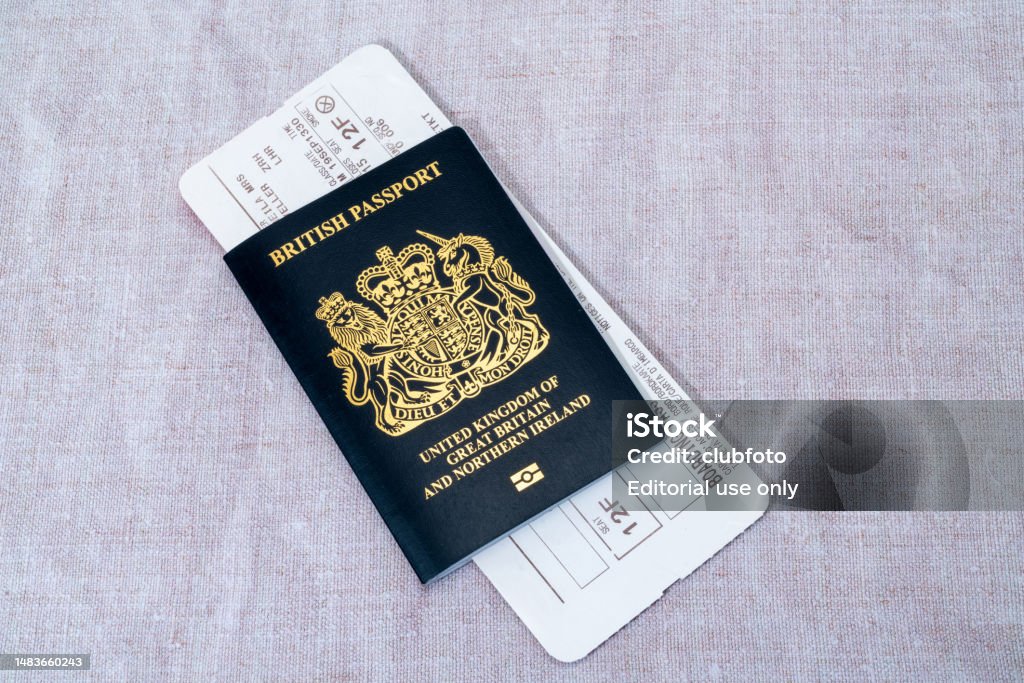
In a world defined by globalization, mobility, and uncertainty, billionaires are increasingly investing in something far more strategic than real estate or stocks—second citizenships.
A second passport is no longer just a travel convenience. For the ultra-wealthy, it represents freedom, security, financial optimization, and global access. It is, in many ways, one of the most powerful “assets” a person can own.
In 2026, second citizenship has become a core component of wealth strategy. From geopolitical instability to tax planning and business expansion, wealthy individuals are using citizenship diversification to protect their families, expand opportunities, and future-proof their wealth.
This article explores why billionaires buy passports, how citizenship-by-investment programs work, the best countries offering them, and the risks and future of this rapidly growing industry.
What Is Second Citizenship?
Definition
Second citizenship means legally obtaining citizenship in another country without giving up your original nationality (in most cases).
This typically grants:
- a second passport
- the right to live, work, and travel freely
- access to new financial systems
- legal protections
Citizenship by Investment (CBI)
Many countries offer Citizenship by Investment (CBI) programs.
These programs allow individuals to obtain citizenship in exchange for:
- financial contributions
- real estate investment
- government bonds
- business investments
This process is legal and regulated by governments.
Why Billionaires Buy Passports
1. Global Mobility and Visa-Free Travel


One of the main reasons for obtaining a second passport is ease of travel.
Some passports offer visa-free or visa-on-arrival access to over 150 countries.
This allows wealthy individuals to:
- travel freely for business
- avoid visa delays
- access global opportunities quickly
2. Tax Optimization
Second citizenship can play a key role in tax planning.
Certain countries offer:
- low or zero income tax
- no capital gains tax
- favorable inheritance laws
By relocating or restructuring residency, billionaires can reduce tax burdens legally.
3. Political and Economic Security


Wealthy individuals often seek protection against:
- political instability
- economic crises
- currency devaluation
A second citizenship acts as a backup plan in uncertain times.
4. Access to Better Education and Healthcare
Second citizenship often provides access to:
- top universities
- advanced healthcare systems
- social infrastructure
This is especially valuable for families planning for future generations.
5. Business Expansion and Global Opportunities


Certain passports provide access to key markets.
For example:
- EU citizenship allows business across Europe
- Caribbean passports offer global flexibility
This enhances global investment and business opportunities.
6. Wealth Protection and Asset Diversification
Citizenship diversification helps protect wealth by:
- spreading assets across jurisdictions
- reducing political risk
- accessing multiple legal systems
This is a core strategy among ultra-high-net-worth families.
Top Countries Offering Citizenship by Investment
1. St. Kitts and Nevis


One of the oldest CBI programs.
Benefits:
- visa-free travel to many countries
- fast processing
- no residency requirement
2. Dominica


Known for affordability.
Benefits:
- low investment threshold
- strong passport access
- stable program
3. Malta


Offers EU citizenship.
Benefits:
- access to European Union
- strong passport
- high-quality lifestyle
4. Turkey


Popular for real estate investment.
Benefits:
- relatively low investment
- strategic location
- growing economy
5. Vanuatu


Fast processing program.
Benefits:
- quick approval
- no residency requirement
- tax-friendly environment
Residency vs Citizenship Programs
Residency by Investment (Golden Visa)
Residency programs offer:
- long-term residence rights
- path to citizenship
Popular countries include:
- Portugal
- Spain
- Greece
Citizenship by Investment
Provides full citizenship immediately or within a short period.
Costs of Buying a Passport
Investment requirements vary:
- $100,000 to $250,000 (Caribbean programs)
- $500,000+ (real estate options)
- $1 million+ (EU programs)
Additional costs include:
- legal fees
- due diligence checks
- government processing fees
Risks and Considerations
Regulatory Changes
Programs may change or close.
Reputation Risk
Some passports face global scrutiny.
Due Diligence
Strict background checks are required.
Political Pressure
Governments may face international pressure to tighten rules.
The Role of Global Transparency
International regulations are increasing oversight.
Measures include:
- anti-money laundering checks
- financial transparency rules
- global reporting systems
The Future of Second Citizenship
Increased Demand
Global uncertainty is driving interest.
Digital Nomad Growth
More people seek location independence.
Program Evolution
Countries are refining requirements and benefits.
Competition Between Nations
Countries compete to attract wealthy investors.
Strategic Use by Billionaires
Ultra-rich individuals often combine:
- multiple residencies
- multiple citizenships
- offshore structures
This creates a flexible global lifestyle and financial system.
Conclusion
Second citizenship has evolved into a powerful strategic tool for billionaires.
It offers:
- global mobility
- tax efficiency
- security
- access to opportunities
In an increasingly unpredictable world, having a second passport is not just a luxury—it is a critical component of modern wealth management and personal freedom.
For the ultra-wealthy, citizenship is no longer just a matter of nationality—it is an investment in global access, security, and long-term legacy.

