amanda nielsen
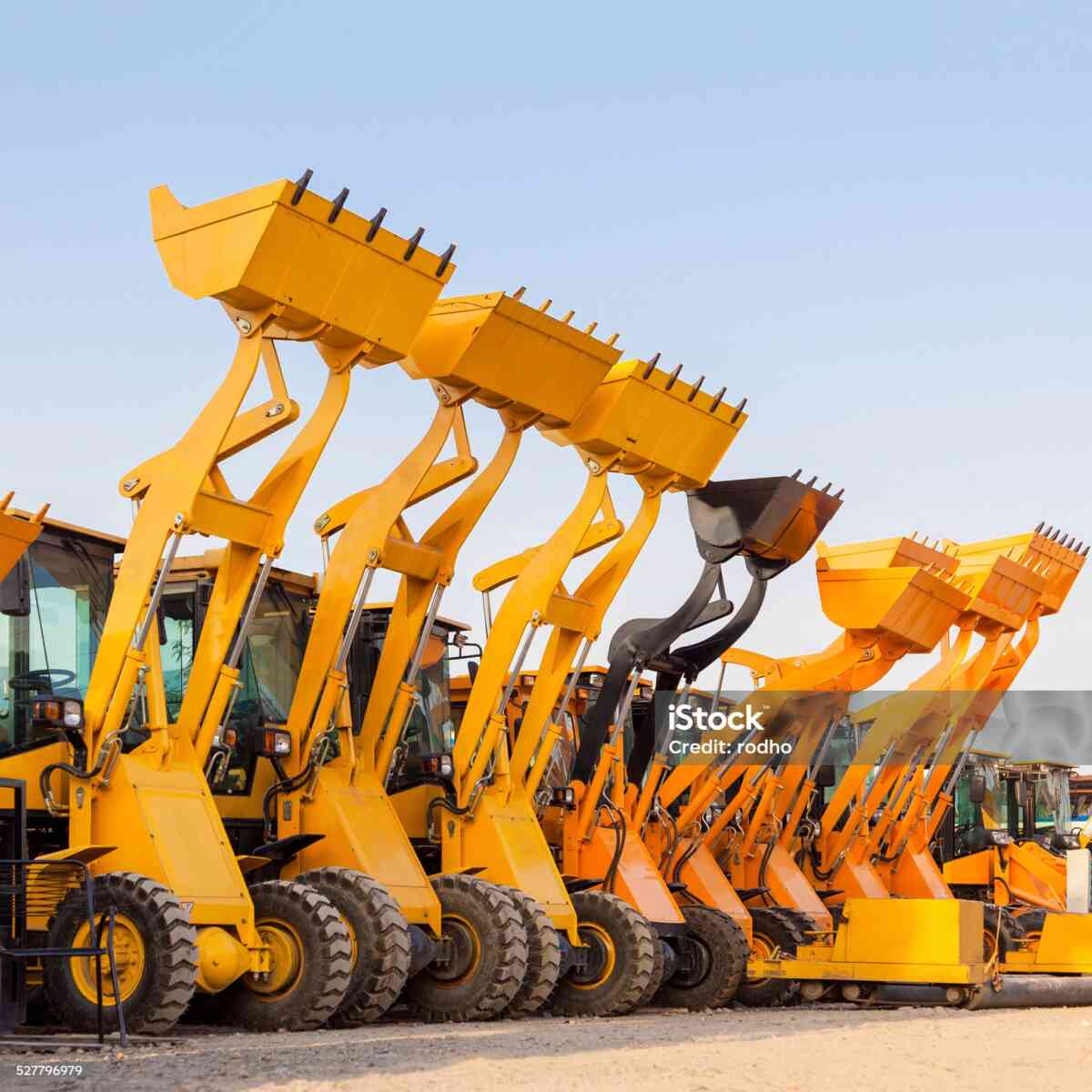
The heavy equipment rental industry plays a critical role in modern construction, mining, agriculture, infrastructure development, and industrial operations. Businesses worldwide rely on rented excavators, bulldozers, cranes, loaders, forklifts, and other machinery to complete projects without the enormous expense of purchasing equipment outright.
However, one of the biggest economic challenges facing the industry today is the rapid increase in diesel fuel prices. Since most heavy equipment still depends heavily on diesel engines, rising fuel costs are reshaping how rental businesses operate, price services, manage fleets, and plan for the future.
This article explores how rising diesel prices are transforming the heavy equipment rental industry and what businesses can expect in the years ahead.
Why Diesel Fuel Is Critical for Heavy Equipment
Diesel fuel remains the primary energy source for most heavy machinery because diesel engines provide:
- High torque
- Strong durability
- Long operating life
- Efficient power for heavy workloads
Construction sites, mining operations, ports, warehouses, and farms all rely on diesel-powered equipment daily.
Because these machines often run continuously for long periods, even small fuel price increases can significantly impact operational budgets.
Rental Companies Face Higher Operating Expenses
Heavy equipment rental companies manage large fleets of machinery that require:
- Fuel testing
- Transportation
- Maintenance
- Engine servicing
- Equipment inspections
As diesel prices rise, rental businesses face increased costs in several areas.
Fleet Transportation Costs
Transporting heavy machinery between customer sites requires large diesel-powered trucks and trailers.
Higher fuel prices increase:
- Delivery fees
- Pickup expenses
- Interstate logistics costs
- International shipping charges
Rental companies often pass these expenses onto customers through higher transportation fees.
Equipment Maintenance Costs
Modern diesel engines require specialized servicing and expensive components.
Fuel inflation indirectly increases:
- Lubricant prices
- Replacement part costs
- Maintenance labor expenses
- Service vehicle operating costs
As a result, maintaining rental fleets becomes more expensive over time.
Customers Shift from Ownership to Rental
Ironically, rising diesel prices are increasing demand for rental equipment in many markets.
Businesses choose rentals because:
- Purchasing equipment becomes financially risky
- Operational costs are unpredictable
- Maintenance expenses are transferred to rental providers
- New equipment prices continue rising
Many contractors now prefer short-term rental agreements instead of long-term equipment ownership.
This trend is especially common among:
- Small construction companies
- Seasonal agricultural businesses
- Temporary infrastructure projects
- Startup industrial firms
Demand for Fuel-Efficient Equipment Increases
Customers are becoming far more selective when choosing rental machinery.
Fuel efficiency is now a major competitive advantage.
Rental companies that invest in modern low-consumption machines often attract more clients because customers want to reduce operating costs.
Popular features now include:
- Automatic idle shutdown
- Hybrid power systems
- Fuel optimization software
- Advanced engine management systems
Older fuel-inefficient equipment is becoming less desirable in the rental market.
Rental Pricing Models Are Changing
Rising fuel prices are forcing rental companies to redesign pricing structures.
Many businesses now include:
- Fuel surcharges
- Variable transportation fees
- Hourly fuel adjustment rates
- Energy usage clauses
Flexible pricing helps rental providers protect profitability during periods of fuel volatility.
Some companies also offer fuel-inclusive contracts where customers pay fixed operational rates.
Fleet Modernization Accelerates
High diesel costs are pushing rental companies to modernize fleets faster.
Newer equipment generally offers:
- Better fuel economy
- Lower emissions
- Reduced maintenance needs
- Improved digital monitoring
Although newer machines require large investments, they often reduce long-term operating expenses.
Fleet modernization also helps businesses comply with stricter environmental regulations.
Electric Heavy Equipment Begins Expanding
One of the most important long-term trends in the rental industry is the gradual shift toward electric heavy equipment.
Electric machinery offers several advantages:
- Lower energy costs
- Reduced maintenance
- Quiet operation
- Zero tailpipe emissions
Electric forklifts are already common in warehouses, while electric excavators and loaders are slowly entering construction markets.
However, challenges remain:
- Limited battery duration
- Charging infrastructure shortages
- Higher purchase prices
- Reduced performance in extreme conditions
Despite these limitations, rising diesel prices continue accelerating interest in electric alternatives.
Digital Fleet Management Becomes Essential
Technology is becoming critical for controlling fuel-related expenses.
Rental companies increasingly use telematics systems that monitor:
- Real-time fuel usage
- Equipment location
- Engine performance
- Idle time
- Operator behavior
These systems help companies identify inefficiencies and reduce waste.
For example:
- Machines left idling unnecessarily consume large amounts of fuel
- Poor driving habits increase diesel consumption
- Delayed maintenance reduces engine efficiency
Data-driven management helps rental providers lower operational costs and improve profitability.
Smaller Rental Companies Face Greater Challenges
Large rental corporations often have advantages such as:
- Bulk fuel purchasing agreements
- Advanced technology systems
- Financial reserves
- Nationwide logistics networks
Smaller independent rental businesses may struggle more with rising diesel costs.
Common challenges include:
- Limited fleet modernization budgets
- Reduced pricing flexibility
- Difficulty competing with larger firms
- Cash flow pressure
Some smaller companies merge with competitors or specialize in niche markets to survive.
Construction Industry Slowdowns Affect Rental Demand
When fuel prices rise dramatically, construction activity sometimes slows down.
Governments and private developers may delay projects because of:
- Higher material costs
- Increased labor expenses
- Inflation pressure
- Economic uncertainty
This can reduce rental demand temporarily in some regions.
However, infrastructure spending often rebounds later as governments invest in economic recovery projects.
Environmental Policies Influence Equipment Choices
Environmental regulations are becoming stricter worldwide.
Many cities and governments now encourage:
- Low-emission construction equipment
- Sustainable infrastructure projects
- Reduced diesel dependence
- Green building standards
Rental companies that offer environmentally friendly machinery gain competitive advantages when bidding on public projects.
Hydrogen and Alternative Fuels Gain Attention
Besides electrification, the industry is exploring alternative energy solutions such as:
- Hydrogen-powered equipment
- Biodiesel
- Renewable diesel
- Hybrid engines
Hydrogen technology is especially attractive for heavy machinery because it may provide longer operating times than batteries.
Although adoption remains limited, fuel price volatility is increasing investment in these technologies.
Used Equipment Markets Become More Competitive
High equipment prices and fuel uncertainty also affect used machinery markets.
Rental companies sometimes purchase quality used equipment to reduce capital expenses.
Customers may also choose older rental machines because of lower rental rates, even if fuel efficiency is slightly worse.
Balancing affordability and fuel economy becomes a major business decision.
Workforce and Operator Training Matter More
Operator behavior has a major impact on fuel consumption.
Rental companies increasingly provide training focused on:
- Efficient machine operation
- Idle reduction
- Proper maintenance habits
- Fuel-saving techniques
Skilled operators can significantly reduce diesel usage and extend equipment lifespan.
The Future of the Rental Industry
The future heavy equipment rental market will likely be shaped by several major trends:
- Greater fuel efficiency requirements
- Expansion of electric fleets
- Increased automation
- AI-powered fleet optimization
- Smart telematics integration
- Sustainable construction practices
Rental companies that adapt quickly to changing energy economics will likely remain competitive.
Businesses that continue relying heavily on outdated fuel-inefficient equipment may struggle in the long term.
Conclusion
Rising diesel prices are fundamentally transforming the heavy equipment rental industry. Operating costs, fleet management strategies, customer behavior, pricing models, and technology investments are all evolving rapidly in response to fuel inflation.
While higher fuel costs create serious financial challenges, they also encourage innovation. Companies are modernizing fleets, investing in digital management systems, exploring electric alternatives, and developing more efficient operational strategies.
The future of the heavy equipment rental business will likely depend on adaptability, technological advancement, and energy efficiency in an increasingly expensive global fuel market.

