Britney lynn
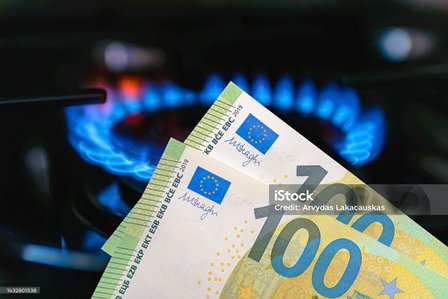
The ongoing military conflict involving Iran, the United States, and Israel has triggered one of the most dramatic energy market reactions in recent years. Oil prices have surged, gasoline costs continue climbing, and consumers around the world are experiencing the economic consequences.
Energy has always been closely tied to geopolitical stability. Whenever conflict erupts in the Middle East, oil traders, governments, and financial institutions prepare for possible disruptions to global supply chains. The Iran-USA-Israel war is no exception. The region’s strategic importance to global energy production makes every escalation a serious concern for markets worldwide.
The Strategic Importance of Iran
Iran possesses some of the largest oil and natural gas reserves in the world. More importantly, it sits beside the Strait of Hormuz, a critical global shipping route used to transport enormous volumes of oil daily.
Military threats in this area immediately create fears of:
- Supply shortages
- Shipping delays
- Rising insurance costs for tankers
- Infrastructure damage
- Export restrictions
These fears alone are enough to push oil prices upward.
Oil Markets React Instantly
Oil markets operate heavily on expectations. Traders buy and sell contracts based on anticipated future supply conditions. When war threatens major oil infrastructure, prices rise rapidly.
Recent military strikes involving gas fields and energy facilities intensified fears of a prolonged disruption. Reports indicate significant damage to regional energy infrastructure, including attacks affecting gas production capacity.
As a result:
- Brent crude surged above $100 per barrel
- Natural gas prices jumped sharply
- Fuel prices increased globally
- Inflation concerns intensified
Why Americans Pay More for Gas
Many people assume the United States is protected because it produces substantial amounts of oil domestically. However, oil prices are determined globally. Even if the U.S. pumps enough oil internally, global shortages still raise domestic gasoline prices.
Experts explain that crude oil prices directly influence:
- Gasoline
- Diesel
- Jet fuel
- Heating oil
- Petrochemicals
Consumers quickly feel these increases at gas stations.
Europe Faces Greater Natural Gas Risks
Europe remains especially vulnerable because many countries rely on imported natural gas. Any disruption involving LNG facilities or regional gas exports creates serious concerns.
Natural gas prices in Europe reportedly surged dramatically after attacks targeted Middle Eastern energy infrastructure.
Industries dependent on gas include:
- Electricity generation
- Manufacturing
- Chemical production
- Residential heating
- Food processing
Rising natural gas costs can therefore impact millions of households and businesses simultaneously.
Inflation Returns as a Major Threat
Fuel costs influence almost every part of the economy. When energy prices rise, transportation becomes more expensive. Companies then increase prices for products and services to protect profits.
The result is widespread inflation.
Food prices, airline tickets, shipping fees, manufacturing costs, and utility bills all increase alongside fuel prices.
Economists warn that prolonged high oil prices could slow economic growth while increasing inflation simultaneously — a dangerous combination known as stagflation.
Global Shipping and Trade Disruptions
The conflict also threatens international trade routes. Shipping companies operating near conflict zones face:
- Higher insurance premiums
- Security risks
- Delays
- Route diversions
These additional costs eventually reach consumers through more expensive imported goods.
The Strait of Hormuz remains the single most important chokepoint in the global oil trade. Any prolonged closure could severely disrupt international commerce.
Financial Markets Under Pressure
Stock markets typically react negatively to war-driven energy shocks. Investors fear:
- Slower economic growth
- Higher inflation
- Reduced consumer spending
- Increased interest rates
Oil and gas companies may temporarily benefit from higher prices, but many industries suffer under rising operational costs.
Central banks face difficult decisions. Raising interest rates may reduce inflation but also risks slowing economic activity further.
Public Reaction and Consumer Behavior
Consumers often change behavior during periods of high fuel prices. Many people:
- Reduce unnecessary travel
- Use fuel-efficient vehicles
- Delay vacations
- Cut household spending
- Shift toward public transportation
Businesses also seek ways to reduce energy expenses through efficiency improvements and alternative energy adoption.
Governments Seek Emergency Solutions
Countries worldwide are implementing measures to manage fuel inflation, including:
- Strategic oil reserve releases
- Energy subsidies
- Fuel tax reductions
- Expanded domestic drilling
- Increased renewable energy investment
Some governments are also negotiating with alternative oil suppliers to stabilize markets.
Renewable Energy Momentum Accelerates
High fossil fuel prices often encourage faster adoption of clean energy technologies. Electric vehicles become more attractive when gasoline prices rise dramatically.
The conflict may accelerate global investment in:
- Solar power
- Wind energy
- Battery storage
- Electric transportation
- Hydrogen fuel systems
Many policymakers now view renewable energy not only as an environmental issue but also as a national security priority.
Potential Future Scenarios
Several possible outcomes could shape future gas prices:
Short Conflict Scenario
If diplomatic negotiations succeed quickly, oil prices could stabilize and gradually decline.
Prolonged Conflict Scenario
Extended fighting would likely keep fuel prices elevated for months or years.
Infrastructure Escalation Scenario
Major attacks on oil fields, refineries, or shipping lanes could trigger extreme price spikes.
Regional Expansion Scenario
If additional countries become involved, the global economic consequences could intensify dramatically.
Conclusion
The Iran-USA-Israel conflict is reshaping global energy markets and placing significant financial pressure on consumers, businesses, and governments worldwide. Rising gas prices represent only one part of a much broader economic challenge involving inflation, trade disruptions, and geopolitical instability.
As energy markets continue reacting to military developments, the world faces an uncertain future where fuel prices may remain volatile for an extended period. The crisis highlights the fragile connection between global security and energy stability.

