Absolutely! Here’s a curated list of Top 10 Unique Habits that Filipino people often do, reflecting their culture, values, and everyday lifestyle. These habits are a blend of tradition, community, creativity, and warmth that define Filipino identity.
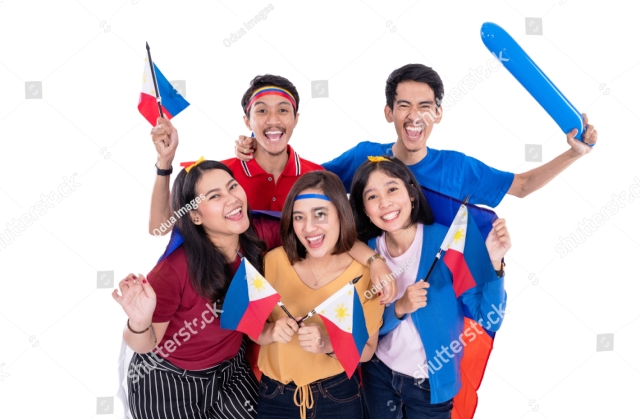
🇵🇭 Top 10 Unique Habits of Filipinos
1. Using “Po” and “Opo” to Show Respect
- These polite expressions are used when speaking to elders or superiors.
- Example: “Opo, Lola” (Yes, Grandma).
- It’s a strong symbol of Filipino hospitality and hierarchy in family culture.
2. Taking “Merienda” (Snack Time) Seriously 🍩
- Merienda is a light meal taken between breakfast and lunch, or lunch and dinner.
- It’s a daily tradition, often shared with friends or coworkers—more than just a snack, it’s a social break.
3. Pointing With Their Lips 😗👉
- Instead of pointing with fingers, many Filipinos subtly “purse” their lips to indicate a direction.
- It’s a non-verbal, culturally specific gesture common in casual conversation.
4. Using a Tabo for Bathing 🚿
- The tabo is a water dipper used for bathing, washing, or cleaning, especially in areas without showers.
- It’s a symbol of Filipino practicality, hygiene habits, and water-saving tradition.
5. Saying “Kain Tayo!” Even When There’s Not Enough Food 🍽️
- “Let’s eat!” is a common phrase said to anyone nearby—even strangers or guests.
- It reflects deep hospitality and generosity, even in humble settings.
6. Texting/Chatting “Good Morning” and “Ingat” (Take Care) 📱
- Filipinos often start the day with a “GM” message or end conversations with “Ingat”.
- It’s a sweet, habitual way to stay emotionally connected.
7. Using “Bayanihan” Spirit (Community Help) 🤝
- Bayanihan refers to the spirit of communal unity and cooperation—like neighbors helping each other move houses or survive typhoons.
- It’s a cultural code of empathy and resilience.
8. Jeepney “Pasabit” and “Bayad Po” Etiquette 🚍
- Jeepney riders pass their fare through a chain of passengers while saying “Bayad po” (Here’s my fare).
- Riders also ask the driver to stop with a quick “Para po!” or even tap coins on the metal rail.
9. Using Titles Like “Ate,” “Kuya,” “Tita,” “Tito” for Everyone
- Filipinos address even non-relatives as “Ate” (older sister) or “Kuya” (older brother) to show respect and affection.
- It creates a strong sense of family beyond blood ties.
10. Singing Karaoke (Even Without Talent!) 🎤
- Karaoke is a national pastime—found in homes, bars, and fiestas.
- Whether on tune or off, everyone participates, making it a joyful and uniting experience.
🙏 Using “Po” and “Opo” to Show Respect – A Pillar of Filipino Courtesy
In the Philippines, saying “po” and “opo” is one of the most distinct and deeply rooted habits that reflect the country’s respect-centered culture. These simple words are more than just polite expressions—they represent humility, honor, and reverence, especially toward elders and authority figures.
🗣️ What Do “Po” and “Opo” Mean?
| Word | Meaning |
|---|---|
| Po | A respectful particle added to sentences, like “sir” or “ma’am” |
| Opo | A respectful way of saying “yes” to someone older or of higher status |
They’re used in formal speech, family settings, and even casual conversation when addressing older people or strangers.
🧑🤝🧓 Common Usage Examples
| Phrase | English Translation |
|---|---|
| “Salamat po.” | “Thank you, sir/ma’am.” |
| “Oo po.” / “Opo.” | “Yes, ma’am/sir.” |
| “Paki-abot po.” | “Please pass (that), sir/ma’am.” |
| “Pasensya po.” | “I’m sorry (respectfully).” |
👵 Who Deserves “Po” and “Opo”?
- Elders (parents, grandparents, uncles, aunties)
- Strangers or new acquaintances
- Teachers, officials, bosses
- Basically, anyone older or in a position of authority
🌱 When Do Children Learn This?
Filipino children are taught from an early age—sometimes as toddlers—to say “po” and “opo.” It’s reinforced by:
- Family (especially grandparents)
- Schools
- Cultural norms
🤲 Paired With Other Gestures
Often used with:
- Mano po gesture (hand-to-forehead blessing)
- Bowing slightly when saying it
- A gentle tone of voice to convey sincerity
🌏 Cultural Comparison
| Country | Equivalent Habit |
|---|---|
| Philippines | Saying “po/opo” + gestures |
| Japan | Using honorifics (-san, -sama) and bowing |
| Korea | Using formal verb endings and bowing |
| Western countries | Saying “sir/ma’am” (but less common in casual use) |
💡 Why It Matters
Using “po” and “opo”:
- Strengthens family and social bonds
- Instills humility and respect in communication
- Keeps Filipino values of pakikisama (harmony) and paggalang (respect) alive
🍩 Taking “Merienda” Seriously – The Filipino Love for Snack Time
In the Philippines, “merienda” is not just a light snack—it’s a beloved cultural ritual. Practiced across all ages and regions, merienda is a moment to pause, socialize, recharge, and enjoy something delicious between meals.
🕐 When Is Merienda?
Filipinos typically enjoy merienda twice a day:
| Time | Name | Purpose |
|---|---|---|
| Morning Merienda | Mid-morning (around 9–10 AM) | Light bite between breakfast and lunch |
| Afternoon Merienda | Mid-afternoon (around 3–5 PM) | Fills the gap between lunch and dinner, often social |
🍽️ Common Merienda Foods
Merienda can be sweet or savory—home-cooked or store-bought. Here are some Filipino favorites:
| Type | Example Foods |
|---|---|
| Sweet | Bibingka, puto, turon (fried banana rolls), banana cue, ensaymada, sapin-sapin |
| Savory | Pancit, lumpia (spring rolls), arroz caldo, empanada, kwek-kwek (fried quail eggs) |
| Baked goods | Pandesal, monay, Spanish bread |
| Street food | Fishballs, isaw, taho (silken tofu with syrup) |
| Drinks | Coffee, iced tea, sago’t gulaman, hot chocolate (tsokolate tablea) |
🧑🤝🧑 A Social Habit
Merienda is also a time to bond—with family, coworkers, neighbors, or friends.
- Offices often have a shared merienda break in the afternoon.
- In households, merienda is offered to guests as a sign of hospitality.
- In schools, it’s a highlight of recess for students.
🇪🇸 A Spanish Colonial Influence
The term merienda comes from Spain, where it also refers to a light afternoon meal. The Philippines retained and redefined it, blending it with local delicacies and social customs.
🎉 Special Merienda Moments
- During fiestas or gatherings, merienda becomes more elaborate.
- Some families treat it almost like a mini meal, especially on weekends.
- It’s also common after church, shopping, or travel—a comforting pause.
🧠 Why It’s More Than a Snack
Merienda reflects:
- Hospitality
- Warmth
- Filipino time (taking moments to slow down)
- Joy in simple things
It’s part of what makes Filipino culture so approachable and community-driven.
🍩 Taking “Merienda” (Snack Time) Seriously – A Filipino Cultural Staple
In the Philippines, “merienda” isn’t just about filling your stomach—it’s a cherished cultural ritual. It’s a time to pause, relax, and connect, whether you’re at home, work, or school. Merienda is woven into daily life, reflecting the Filipino values of hospitality, family, and joy in simple pleasures.
🕒 When Is Merienda?
Filipinos often enjoy merienda twice a day:
| Time | Type | Purpose |
|---|---|---|
| Morning Merienda | ~9:00–10:30 AM | A light snack between breakfast and lunch |
| Afternoon Merienda | ~3:00–5:00 PM | A comforting pause between lunch and dinner |
Even late-night snacks are sometimes casually referred to as merienda!
🍽️ Popular Merienda Foods
Merienda can be sweet or savory, homemade or street-bought. Here are some favorites:
🍬 Sweet Merienda:
- Puto – Steamed rice cakes
- Turon – Fried banana rolls with sugar
- Ensaymada – Soft, buttery pastry topped with cheese
- Sapin-Sapin – Colorful layered rice cake
- Taho – Silken tofu with syrup and sago pearls
🥟 Savory Merienda:
- Pancit – Stir-fried noodles
- Arroz Caldo – Rice porridge with chicken and ginger
- Lumpia – Filipino spring rolls
- Empanada – Stuffed pastry with meat or vegetables
- Kwek-Kwek – Deep-fried quail eggs in orange batter
☕ Merienda Drinks:
- Kapeng Barako (strong Filipino coffee)
- Tsokolate tablea (rich native hot chocolate)
- Sago’t Gulaman – A sweet drink with jelly and tapioca
- Buko juice (young coconut water)
🧑🤝🧑 More Than a Snack – It’s a Social Break
Merienda is often shared, and that’s part of the joy:
- In offices: Afternoon merienda is a bonding break among coworkers.
- At home: It’s when kids gather, grandparents bring out snacks, and families chat.
- With guests: Offering merienda is a gesture of hospitality, even if you don’t know the visitor well.
Saying “Kain tayo!” (Let’s eat!), even if there’s just one piece of bread left, is common and genuine.
🏛️ Cultural Origins
- The word merienda comes from Spanish colonial influence, but Filipinos made it their own.
- It now blends local snacks, Asian flavors, and family tradition into something uniquely Filipino.
💡 Why Merienda Matters
Merienda reflects:
- A slower, community-centered lifestyle
- A value of togetherness over convenience
- An appreciation for simple joys, especially food
It’s not just what you eat—it’s the moment you share.
😗👉 Pointing With Their Lips – A Subtle Filipino Gesture
In the Philippines, instead of pointing with fingers, many people—especially in rural areas or informal settings—use their lips to point at objects, people, or directions. This habit is uniquely Filipino and often surprises foreigners. It’s a non-verbal cue that’s quick, practical, and deeply cultural.
🧐 How It Works
- The lips are pursed and slightly protruded in the direction of what the person wants to indicate.
- Often accompanied by eye movement or a head nod.
- No words needed—it’s understood immediately in context.
Example:
“Where’s the broom?”
👵 [Lips point to the corner] — no need to say a word.
🗣️ Why Use the Lips to Point?
| Reason | Explanation |
|---|---|
| ✅ Discreet | Less obvious than using a finger—especially useful in sensitive or humorous situations. |
| 🙊 Non-verbal efficiency | Allows for silent communication without interrupting conversation. |
| 👵 Passed down from elders | Commonly seen in older generations and imitated by children. |
| 🧑🌾 Common in rural life | Particularly prevalent in provinces or among working-class families. |
🌏 Is It Uniquely Filipino?
- This gesture is very Filipino, but it also appears in some parts of Southeast Asia, Latin America, and the Caribbean.
- Still, in the Philippines, it’s more widespread and integrated into daily communication—even in urban settings.
🙅♂️ Cultural Tip for Foreigners
In most Western countries, pointing with your lips might be misinterpreted or go unnoticed. But in the Philippines, it’s perfectly normal and polite, especially in relaxed environments.
Pro Tip: If someone points with their lips, don’t look at their face—look where their lips are pointing.
💬 Fun Fact
Filipinos also have a unique set of non-verbal gestures, like:
- “Mano po” (hand to forehead for respect)
- Eyebrow raise for a quick hello or “yes”
- Nose wrinkling for mild annoyance or “What is that smell?”
🚿 Using a Tabo for Bathing – The Iconic Filipino Hygiene Tool
In the Philippines, no bathroom is complete without a tabo—a traditional plastic (or sometimes metal) dipper used for bathing, cleaning, and personal hygiene. This simple yet incredibly practical tool is a daily essential in most Filipino households.
🪣 What Is a Tabo?
- A handheld water dipper with a handle, usually made of plastic.
- Kept beside a pail or bucket of water (timba) in the bathroom.
- Used for pouring water over the body, washing, or flushing.
It’s the Filipino alternative to a showerhead or bidet, and it works perfectly—even in places without running water.
🔍 How Is the Tabo Used?
| Use | Purpose |
|---|---|
| Bathing | Scoop and pour water over yourself—common in homes without heaters or showers. |
| Post-toilet hygiene | Used for cleaning with water instead of toilet paper. |
| Washing feet or hands | Especially after outdoor activities or travel. |
| Household cleaning | Used to rinse floors, wash pets, or water plants. |
💡 Why Do Filipinos Still Use It?
| Reason | Explanation |
|---|---|
| 💧 Water-saving | Uses much less water than a shower. |
| 🚿 Versatile | Works in any home, whether rural or urban. |
| 🧼 Cleanliness | Many Filipinos feel cleaner using water than just toilet paper. |
| 💸 Affordable | Costs less than plumbing a full bathroom with modern fixtures. |
| 🌿 Sustainable | Reduces waste and electricity use. |
🏡 Tabo in Modern Homes
Even in modern houses with full plumbing, you’ll still find a tabo by the toilet or in the shower. It’s a cultural constant that blends practicality with tradition.
Some now come in minimalist or eco-friendly designs, but their purpose stays the same.
🧠 Cultural Insight
- Children are taught from a young age how to bathe using a tabo.
- Some Filipinos even prefer it over a full shower.
- In Filipino households abroad, a tabo is often brought or recreated with whatever container is available.
🌏 Is the Tabo Unique to the Philippines?
While similar dippers are used in Indonesia (gayung), Thailand, and parts of India, the Filipino tabo is especially iconic, and its use is deeply ingrained in the daily rhythm of life.
🍽️ Saying “Kain Tayo!” – A Beautiful Act of Filipino Hospitality
One of the most heartwarming and unique habits in the Philippines is the phrase:
“Kain tayo!” (Let’s eat!)
This invitation is extended automatically and sincerely—even if there’s barely enough food for one person. It’s a deeply cultural expression of generosity, humility, and inclusivity.
🗣️ What Does “Kain Tayo” Mean?
- Literal meaning: “Let’s eat.”
- But its real meaning is: “You are welcome here. I want to share what I have.”
Even if the visitor refuses out of politeness, the offer must still be made, because not saying it would be considered rude or selfish in Filipino culture.
🧑🤝🧑 Who Is It Said To?
| Situation | Who it’s said to |
|---|---|
| At home | Friends, neighbors, even delivery workers or unexpected guests |
| At work | Coworkers during lunch breaks |
| In schools | Classmates or teachers |
| On the street | Anyone nearby during meals |
🍲 Why It’s So Important in Filipino Culture
| Value | Description |
|---|---|
| Hospitality | Filipinos are world-famous for welcoming others, and food is the main gateway. |
| Generosity | Even if the meal is modest (kanin at itlog—rice and egg), it’s still offered. |
| Humility | Saying “Kain tayo” is a way to show you’re not above others. |
| Community spirit | Food is always meant to be shared, never hoarded. |
🤝 Real-Life Examples
- A construction worker eating by the road might invite you with “Kain tayo!” without hesitation.
- A child eating a snack may offer it to everyone around, even if it’s just a biscuit.
- Families with simple meals will still urge a guest to join—even if it means dividing food more thinly.
🧠 What Happens If You Don’t Say It?
Not saying “Kain tayo” when others are present (even accidentally) can be seen as:
- Impolite
- Selfish
- Lacking “pakikisama” (the Filipino value of togetherness)
📝 Response Tip: How to Politely Decline
If you’re full but want to respect the offer, say:
“Thank you, po! Sige po, next time.”
(“Thank you! Sure, next time.”)
❤️ Final Thought
Saying “Kain tayo!” is not about abundance—it’s about kindness.
It’s a powerful reflection of the Filipino heart, where sharing matters more than having plenty.
📱 Texting “Good Morning” and “Ingat” – Everyday Filipino Warmth in Messages
In the Philippines, it’s very common—and deeply appreciated—to receive simple messages like:
“Good morning po 😊” or “Ingat ka palagi” (“Take care always”)
These short greetings are part of Filipino texting culture, and they reflect the nation’s values of thoughtfulness, affection, and social connection.
💬 What Do These Messages Mean?
| Message | Meaning |
|---|---|
| “Good morning po!” | A warm, respectful start to someone’s day. Often sent to parents, friends, partners, or even coworkers. |
| “Ingat!” | “Take care!” – a common sign-off that expresses concern and kindness. |
| “Kumain ka na?” | “Have you eaten?” – a classic Filipino check-in showing care, not just curiosity. |
| “God bless!” / “Ingat palagi” | Often added at the end of texts, reflecting both warmth and spirituality. |
📲 When Are These Messages Sent?
- Early in the morning to say hello and start someone’s day right
- Before travel or someone leaving for work or school
- After a conversation or chat as a way to end on a caring note
- As part of a daily habit between partners, family, or even friends
🧑🤝🧑 Why This Habit Matters in Filipino Culture
| Cultural Value | How It Connects |
|---|---|
| Malasakit (concern) | These messages show sincere care for others’ well-being. |
| Pakikipagkapwa (connectedness) | Maintains emotional closeness—even at a distance. |
| Respect for elders | Adding “po” or “opo” shows politeness, even via text. |
| Closeness in relationships | These daily check-ins are like verbal hugs—small but meaningful. |
💡 Common Phrases in Everyday Texts
| Phrase | English Meaning |
|---|---|
| “Good morning po! ☀️” | “Good morning, sir/ma’am!” (respectful) |
| “Ingat palagi!” | “Always take care!” |
| “Kumain ka na ba?” | “Have you eaten yet?” |
| “Nandito lang ako.” | “I’m always here for you.” |
| “Update mo ako pag nakauwi ka na.” | “Let me know when you get home.” |
❤️ Seen in All Relationships
- Parents to kids: “Good morning anak, ingat sa school.”
- Couples: “Good morning, love. Ingat sa biyahe 😘”
- Friends: “Nasa office ka na? Ingat sa ulan!”
- Even coworkers: “Ingat po on your way home, Sir.”
🌍 Unique but Universal
While other cultures may say “Take care,” Filipinos say it a lot more frequently, and with deeper emotional layers. It’s a way of saying:
“You matter to me—even through a simple message.”
🤝 The Spirit of “Bayanihan” – Filipino Community Cooperation in Action
“Bayanihan” is one of the most iconic and heartfelt values in Filipino culture. It refers to the spirit of communal unity, cooperation, and selfless help, especially during times of need. While its origins are traditional, bayanihan continues to shape modern Filipino life in beautiful and practical ways.
🏡 What Does “Bayanihan” Mean?
The word comes from “bayan”, which means town or community in Filipino. “Bayanihan” literally means being a bayan—working together as one nation or people.
🧺 The Classic Image: Carrying a House
Traditionally, bayanihan was best symbolized by:
👥 A group of neighbors physically lifting and carrying a nipa hut (bahay kubo) to a new location—on their shoulders using bamboo poles.
This was done:
- For free, as a community service
- With smiles, food, and camaraderie
- As a gift of time and labor, not expecting anything in return
🧑🤝🧑 How Bayanihan Lives On Today
| Modern Example | Description |
|---|---|
| 🌀 Disaster relief efforts | Communities quickly mobilize to donate food, money, and time after typhoons or earthquakes. |
| 👩🏫 Community tutoring | Volunteer teachers help kids in underserved areas. |
| 🏗️ Building homes | Neighborhoods help build or repair homes, sometimes through local NGOs or cooperatives. |
| 🎓 Fundraising for sick neighbors or students | Everyone pitches in—even small donations are meaningful. |
| 🌱 Brigada Eskwela | Annual volunteer program where parents and teachers clean and repair public schools before classes begin. |
💡 Why Bayanihan Is So Important
| Value | Expression |
|---|---|
| Pakikipagkapwa | Seeing others as equals and treating their needs as your own. |
| Malasakit | Deep, proactive concern for the well-being of others. |
| Ubuntu-style unity | “I am because we are.” – A shared belief that no one stands alone. |
🧠 In Urban and Digital Life
Even in cities or online, bayanihan persists:
- Community pantries (especially during COVID-19) “Give what you can, take what you need.”
- Online fundraising and volunteer groups
- Barangay efforts for cleanup, safety, or neighborhood projects
❤️ Final Thought
Bayanihan isn’t just an action—it’s a mindset.
It’s the Filipino soul in motion, proving that when people come together, even the heaviest burdens can be lifted—literally and metaphorically.
🚍 Jeepney “Pasabit” and “Bayad Po” – A Uniquely Filipino Commuting Culture
Riding a jeepney in the Philippines isn’t just about transportation—it’s a shared social experience with its own set of unspoken rules and rituals. Among the most iconic habits are saying “Bayad po” (here’s my fare) and doing “pasabit” (asking to get off). These actions reflect Filipino courtesy, cooperation, and respect—even among total strangers.
🛺 What Is a Jeepney?
- A colorful, open-air public transport vehicle—a cultural symbol of Filipino ingenuity.
- Originally repurposed from WWII military jeeps, now custom-built for city and rural roads.
- Designed for face-to-face seating, usually 14–20 passengers.
- Famous for vibrant paint, religious quotes, lights, and names of loved ones.
💵 “Bayad Po” – Paying the Fare with Politeness
- When boarding, you say:
→ “Bayad po.” (“My fare, please.”) - The driver or conductor is often too far away, so passengers hand the payment forward—person to person—until it reaches the front.
- You might also add:
→ “Bayad po, sa may Sampaloc, isa lang.”
(“Fare to Sampaloc, one person.”)
No one complains—even if it’s passed through five people. That’s part of the pakikisama (getting along with others).
🧍♂️ “Pasabit Po” or “Para Po” – How to Get Off
- When you want to get off:
→ Say “Para po!” (Please stop!)
→ Or lightly tap a coin or ring on the jeepney’s metal roof or handrail. - Some also say:
→ “Dyan lang po sa tabi.” (“Just at the side, please.”)
This is non-confrontational, respectful, and often barely audible—but always understood.
📏 Unspoken Jeepney Etiquette
| Rule | Description |
|---|---|
| 🤝 Pass the fare | Don’t ignore a fare handed to you—help pass it to the driver. |
| 📱 Keep your phone hidden | Common sense for safety in crowded areas. |
| 👖 Sit close together | “Konting usog po” (Please scoot over a bit) is common to make space. |
| 👟 Prepare exact change | It speeds up the ride and avoids holding up others. |
| 😌 Be courteous | Always say “po”, even in a packed or hot ride. |
💡 Cultural Insight
These small actions reveal deeper Filipino values:
| Cultural Trait | Jeepney Behavior |
|---|---|
| Pakikisama (fitting in) | Helping others, not causing inconvenience. |
| Malasakit (concern) | Ensuring the driver gets paid properly. |
| Hiya (modesty) | Asking gently and politely to get off. |
🌆 A Symbol of Filipino Life
Despite modernization and new transit systems, jeepneys remain:
- Affordable
- Socially interactive
- A moving reflection of Filipino art, humor, and culture
👨👩👧 Using “Ate,” “Kuya,” “Tita,” and “Tito” – Filipino Terms of Respect and Belonging
In the Philippines, it’s very common—and deeply meaningful—to call someone “Ate” (older sister), “Kuya” (older brother), “Tita” (aunt), or “Tito” (uncle)—even if they’re not related to you by blood. These titles reflect the Filipino value of respect, family-centered culture, and social closeness.
📘 What Do These Titles Mean?
| Title | Meaning | Used For |
|---|---|---|
| Ate (ah-teh) | Older sister | Any female who is slightly older |
| Kuya (koo-yah) | Older brother | Any male who is slightly older |
| Tita | Aunt | Older women, especially friends of your parents |
| Tito | Uncle | Older men, especially family friends or neighbors |
🧑🤝🧑 Used Even Without Blood Relation
Filipinos often use these titles:
- For neighbors, coworkers, family friends
- To address helpers, drivers, vendors, or older strangers
- In workplaces and casual settings to reduce formality but show courtesy
Example:
You might call your mom’s close friend “Tita Anna” or a helpful tricycle driver “Kuya.”
🙇 Why Filipinos Use These Titles
| Cultural Value | Role of Titles |
|---|---|
| Respect for age | Titles help show deference to someone older. |
| Close-knit relationships | Turns strangers into extended “family.” |
| Non-hierarchical warmth | Less formal than “Sir/Ma’am” but still polite. |
| Pakikipagkapwa | Seeing others as part of your shared human family. |
🧒 When Do Filipinos Learn This?
- Children are taught early to use proper titles.
- Saying just a name (e.g., “Anna”) without “Ate” or “Tita” is seen as disrespectful unless you’re the same age or younger.
💬 Example Situations
| Situation | What You’d Say |
|---|---|
| Talking to your friend’s older sister | “Hi Ate Jen!” |
| Asking help from a driver | “Kuya, paki-abot po.” |
| Greeting your mom’s best friend | “Hi Tita Liza, good morning po!” |
| Referring to an older coworker (casually) | “Tanong ko lang, Kuya Paul…” |
🧠 International Comparison
| Culture | Equivalent |
|---|---|
| Korea | Oppa / Unnie / Ajusshi / Ajumma |
| Japan | -san / -sama / oji-san (uncle) |
| Latin America | Tío / Tía (but less widely used socially) |
| Western countries | “Mr./Mrs.” or first names (more formal or direct) |
❤️ Final Thought
Using titles like Ate, Kuya, Tita, and Tito is more than politeness—it’s a social bridge that brings warmth, familiarity, and respect into everyday Filipino interaction. It says:
“You’re not a stranger—you’re part of our extended family.”
🎤 Singing Karaoke – A Beloved Filipino Pastime (Talent Optional!)
In the Philippines, karaoke isn’t just entertainment—it’s a way of life. Whether you’re a pro vocalist or completely tone-deaf, everyone sings. At family gatherings, barangay fiestas, birthdays, or just weekend nights, there’s almost always a karaoke machine (or videoke system) ready to go.🎶 Why Karaoke Is So Popular in the Philippines
Reason
Explanation
❤️ Expression of joy & emotion
Singing is a way to celebrate, grieve, or release stress.
🧑🤝🧑 Bonding activity
It brings together family, friends, and even strangers.
💸 Affordable fun
Coin-operated karaoke (5–10 pesos per song) is available in sari-sari stores or on sidewalks.
🏠 At-home culture
Many Filipino homes have their own karaoke machine or Magic Sing mic.
🎉 Staple of celebrations
No birthday, reunion, or fiesta feels complete without karaoke.
📻 Even Without Talent—Everyone Joins In
No judgment: Even those off-key or shy are encouraged to sing.
Cheering is common: People clap or shout “Whooo!” even for funny or failed performances.
Singing isn’t about perfection—it’s about confidence and fun.
“Birit” (belting high notes) is often attempted, even if it’s a disaster—and that’s part of the charm.🎵 Popular Filipino Karaoke Songs
Artist
Hit Song
Aegis
Halik, Luha
Air Supply
Making Love Out of Nothing at All
Whitney Houston
I Will Always Love You
Eraserheads
Huling El Bimbo
Celine Dion
My Heart Will Go On
Freddie Aguilar
Anak
VST & Co.
Rock Baby RockFilipinos love power ballads, ‘80s hits, love songs, and OPM (Original Pilipino Music).
🧑🎤 Where You’ll See Karaoke in Action
Location
Style
🏘️ Neighborhood sari-sari stores
Coin karaoke (jukebox-style), often outdoors
🏠 Homes
Magic Sing microphones with built-in song lists
🎤 KTV bars
Private karaoke rooms with food and drinks
🧺 Laundry shops and carinderias
Yes, some even have karaoke to pass the time!
🎪 Barangay fiestas
Karaoke contests or group sing-alongs with full-blast speakers
💡 Cultural Insight
Karaoke reflects the Filipino love for music, openness, and community. Singing together helps:
Break the ice
Lift the mood
Create memories
Even if someone sings horribly, they still get a “Whooo! Palakpakan!” (Applause!) from the crowd.📢 Fun Fact
Some areas even have karaoke curfews due to late-night noise from non-stop singing.
But that doesn’t stop karaoke-loving Pinoys—they’ll just turn it down or keep singing in the afternoon!