Tutoring Services Business Overview
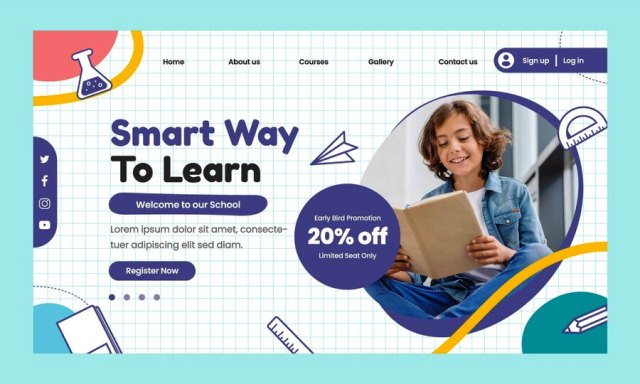
The tutoring industry is growing rapidly due to increasing demand for personalized learning, online education, and test preparation. Whether you’re looking to start an in-person tutoring center or an online tutoring business, here’s what you need to know.
1. Business Models for Tutoring Services
A. One-on-One Tutoring (Private Tutoring)
- Students pay for personalized, one-on-one sessions (hourly or monthly plans).
- Subjects: Math, Science, English, SAT/ACT prep, Coding, etc.
- Can be online via Zoom or in person.
B. Group Tutoring & Classes
- Small group sessions (2-10 students) to lower costs and improve engagement.
- Works well for test prep, language learning, and academic coaching.
C. Online Tutoring Platforms (Subscription-Based)
- Offer a monthly subscription for access to video lessons, worksheets, and live classes.
- Example: Khan Academy, Chegg Tutors, VIPKid, Varsity Tutors.
D. Franchise Model
- Start a branded tutoring center or buy into a franchise like Sylvan Learning or Kumon.
2. Revenue Streams
💰 Hourly Tutoring Fees – Charge per hour/session (e.g., $30-$100/hr).
💰 Monthly Subscriptions – Offer unlimited access to materials for a fixed fee.
💰 Course Packages – Sell test prep programs (SAT, GRE, GMAT) at a one-time price.
💰 Corporate & School Partnerships – Work with schools or companies to offer training.
💰 Affiliate & Ad Revenue – If running a tutoring website, monetize with ads and referrals.
3. Startup Costs & Investment
A. For an In-Person Tutoring Business
🏢 Location Costs – Rent a small office/classroom.
📚 Study Materials – Books, worksheets, whiteboards.
💻 Tech Setup – Laptops, projectors, scheduling software.
🎯 Marketing – Website, ads, and promotional campaigns.
💰 Estimated Investment: $10,000 – $50,000+.
B. For an Online Tutoring Business
🌐 Website & Learning Platform – WordPress, Teachable, or Kajabi.
🎥 Video Production – Pre-recorded lessons & live-streaming tools.
📢 Advertising & SEO – Promote on Google, Facebook, and LinkedIn.
💰 Estimated Investment: $5,000 – $20,000+.
4. Marketing Strategies for Tutoring Businesses
📢 Google & Facebook Ads – Target parents & students searching for tutoring.
📍 SEO Blogging – Rank for searches like “best math tutor near me”.
📲 Social Media Marketing – TikTok & YouTube for educational content.
📧 Email Campaigns – Send learning tips & special offers.
🤝 School Partnerships – Work with local schools to offer tutoring.
🎯 Referral Program – Give discounts for student referrals.
5. Challenges in the Tutoring Industry
⚠️ High Competition – Many free resources online.
⚠️ Student Retention – Keeping students engaged long-term.
⚠️ Scaling the Business – Hard to grow without hiring more tutors.
Starting a Tutoring Services Business: Complete Guide
If you’re considering launching a tutoring business, here’s a detailed breakdown of the business model, revenue potential, costs, and key strategies.
1. Business Models for a Tutoring Service
You can choose a tutoring model based on your skills, investment, and scalability goals:
A. Private One-on-One Tutoring
- Conducted in-person or online.
- Charges hourly fees ($30–$100/hour depending on subject & expertise).
- Common subjects: Math, Science, English, Coding, Languages, Test Prep (SAT, GRE, GMAT, etc.).
B. Group Tutoring & Classes
- Small group sessions (2-10 students) reduce costs per student.
- Works well for test prep (SAT, ACT), language learning, and academic coaching.
- Offers higher revenue per session than one-on-one tutoring.
C. Online Tutoring Platform (Subscription-Based)
- Monthly subscription for live classes, video lessons, and study materials.
- Requires a website or app (like Khan Academy, Coursera, or VIPKid).
- Example: $20–$50/month for unlimited lessons.
D. Franchise Model (Tutoring Center)
- Buy a franchise like Kumon, Sylvan Learning, or Mathnasium.
- Requires physical location, staff, and structured curriculum.
E. Corporate & Institutional Tutoring
- Partner with schools, universities, or companies to provide professional training.
- Example: Corporate English training, college entrance test prep, or coding boot camps.
2. Revenue Streams
💰 Hourly Tutoring Fees – One-on-one or group sessions.
💰 Subscription-Based Learning – Monthly/annual fees for online courses.
💰 Course Packages – One-time fees for specific courses (e.g., SAT prep for $500).
💰 Corporate Partnerships – Tutoring services for employees or students.
💰 Affiliate Marketing & Ads – Monetize a tutoring website with ads & sponsored content.
3. Cost & Investment Breakdown
A. Online Tutoring Business
🌐 Website & Hosting – $500–$5,000 (depending on complexity).
🎥 Video Lessons & Equipment – $1,000+ (camera, microphone, lighting).
📢 Marketing & Advertising – $500–$2,000/month.
💳 Payment Processing (Stripe, PayPal) – Small transaction fees.
💰 Estimated Startup Cost: $5,000 – $20,000+.
B. Physical Tutoring Center
🏢 Office/Classroom Rent – $1,000–$5,000/month.
📚 Study Materials & Software – $2,000+ (books, worksheets, whiteboards).
👥 Hiring Tutors – $20–$50 per hour per tutor.
💡 Utilities & Insurance – $500–$2,000/month.
💰 Estimated Startup Cost: $10,000 – $50,000+.
4. Marketing Strategies to Grow Your Tutoring Business
📢 Google & Facebook Ads – Target parents and students looking for tutoring.
📍 SEO & Local Search – Rank for searches like “Best math tutor near me”.
📲 Social Media Marketing – Use Instagram, YouTube, and TikTok for educational content.
📧 Email & WhatsApp Marketing – Send free study tips, discount offers, and class schedules.
🤝 School & College Partnerships – Collaborate with institutions to gain students.
🎯 Referral Program – Offer discounts or free lessons for student referrals.
5. Key Challenges in the Tutoring Industry
⚠️ High Competition – Free YouTube and online learning platforms make it competitive.
⚠️ Student Retention – Hard to keep students engaged long-term.
⚠️ Scaling the Business – Difficult to grow without hiring more tutors or automating courses.
Effective Marketing Strategies for a Tutoring Business
To grow your tutoring services, you’ll need to implement a combination of online and offline strategies that focus on building trust, demonstrating value, and reaching your target audience. Here are key marketing strategies that will help you attract and retain clients.
1. Create an Engaging Website
✅ A. Professional Design & User Experience
- Build a clean, user-friendly website with easy navigation.
- Include a booking system so clients can schedule sessions.
- Provide clear service descriptions, pricing, and testimonials.
✅ B. SEO Optimization
- Optimize for local SEO: Include keywords like “math tutoring near me” or “online SAT prep.”
- Write educational blog posts to attract organic traffic and rank on Google (e.g., “How to Improve Your Math Skills”).
- Google My Business: Set up and optimize to appear in local search results.
2. Utilize Social Media
✅ A. Platform Selection
- Instagram & TikTok: Share quick tips, short lessons, success stories, and educational content (reels, stories, or TikToks).
- Facebook: Create a community group where parents and students can interact, ask questions, and share feedback.
- YouTube: Post tutorial videos, study tips, or recorded lessons.
✅ B. Hashtags & Challenges
- Use hashtags like #StudyWithMe, #MathHelp, #TutoringTime to increase discoverability.
- Run educational challenges (e.g., 30-day math improvement challenge) to create engagement.
3. Paid Advertising
✅ A. Google Ads
- Use search ads targeting terms like “best online tutor for SAT” or “local math tutoring.”
- Run display ads to re-target visitors who checked your site but didn’t book.
✅ B. Social Media Ads
- Create Facebook & Instagram Ads offering a discount for first-time users or a free consultation.
- Showcase success stories or testimonials to build trust.
✅ C. Retargeting Campaigns
- Retarget individuals who visited your site using Facebook Pixel or Google Remarketing.
4. Content Marketing & Blogging
✅ A. Educational Blog
- Create articles on popular topics like study hacks, test prep tips, or homework solutions.
- SEO optimize the content to attract organic traffic from search engines.
✅ B. Lead Magnets
- Offer free downloadable study guides, cheat sheets, or test prep schedules in exchange for email sign-ups.
- Use email campaigns to nurture leads and promote your services.
5. Referral Program
✅ A. Word-of-Mouth Marketing
- Offer discounts or free sessions for existing students who refer new clients.
- Make it easy for students to share your service on social media, especially through shareable referral links.
6. Partnerships & Collaborations
✅ A. Local School Partnerships
- Offer tutoring services directly to local schools (K-12) or colleges. Consider partnering with teachers for specific subject expertise.
- Provide special discounts for students of partner schools.
✅ B. Corporate Sponsorships
- Partner with companies offering employee education programs or corporate wellness to offer tutoring for employees’ children.
7. Online Reviews & Testimonials
✅ A. Encourage Reviews
- Ask happy clients for testimonials and feature them on your website and social media.
- Encourage satisfied students to leave reviews on platforms like Google, Facebook, and Yelp to build credibility.
8. Local Events & Networking
✅ A. Host Free Workshops
- Organize free educational workshops (e.g., SAT prep sessions, math workshops) at local libraries, schools, or online.
- Collect email sign-ups to follow up with special offers or free trials.
✅ B. Networking with Schools and Educators
- Reach out to local schools, colleges, or educational organizations to offer discounted group tutoring sessions.
- Network with teachers to offer test prep services or provide supplemental learning materials.
9. Email Marketing
✅ A. Drip Campaigns
- Create an email campaign for new subscribers with free resources, testimonials, and an introductory discount.
- Send reminder emails about upcoming sessions or limited-time offers.
✅ B. Newsletters
- Send a monthly newsletter with study tips, success stories, and promotional offers to keep your audience engaged.
10. Offer Free Trials or Discounts
✅ A. First-Time Discount
- Offer new clients a discounted first session or a free consultation.
- Example: “Get your first lesson at 50% off!”
✅ B. Free Trial for Online Tutoring
- Offer free access to a limited selection of courses or one free online tutoring session to attract users.
Final Tips for Success
- Be consistent in your marketing efforts and always focus on providing value to your customers.
- Leverage student testimonials and success stories to build trust.
- Track your performance using analytics tools to optimize your campaigns for better results.
Step-by-Step Guide to Setting Up a Website for Your Tutoring Business
A well-structured website is key to attracting clients, providing easy access to services, and showcasing your expertise. Here’s a detailed guide to setting up a website for your tutoring business, whether it’s online tutoring, in-person sessions, or a mix of both.
Step 1: Choose a Domain Name & Hosting
✅ Domain Name
- Pick a memorable, simple, and professional domain that reflects your business.
Example: TutoringBy[YourName].com, [Subject]Tutors.com, or BestMathTutoring.com. - Use domain registrars like GoDaddy, Namecheap, or Bluehost to purchase and register.
✅ Hosting Provider
- For easy setup and performance, choose reliable hosting like Bluehost, SiteGround, or Hostinger.
- Ensure that your host has SSL encryption for security, essential for building trust with clients.
Step 2: Choose a Website Platform (CMS)
- WordPress is highly recommended for tutoring websites due to its customizability, SEO-friendly tools, and plugin options.
- Other options include Wix or Squarespace for easy drag-and-drop design, but these are less customizable.
- Teachable or Kajabi is a great option if you plan on offering online courses or memberships.
Step 3: Design Your Website Layout
✅ Key Pages to Include
- Homepage – Short description of your services, unique selling points, and a call-to-action (CTA) like Book a Free Consultation or Sign Up for a Free Trial.
- About Us – A brief story about your background, expertise, and teaching philosophy.
- Services – Detail the tutoring services you offer, including subjects, pricing, and session options (online, in-person, or group tutoring).
- Pricing – Clear pricing structure for one-on-one tutoring, group lessons, or subscriptions.
- Testimonials – Showcase success stories, reviews from students or parents, or video testimonials.
- Contact Us – Contact form, phone number, email, and social media links. You can also add a live chat option.
- Blog (optional) – Educational blog posts to engage visitors and improve your SEO rankings.
- Booking/Scheduling – Allow clients to easily book sessions through an online calendar, integrated with Acuity Scheduling or Calendly.
Step 4: Add Functionalities & Features
✅ Booking & Payment System
- Acuity Scheduling or Calendly to allow clients to book and pay for sessions.
- Payment gateways like Stripe, PayPal, or Square for secure payment processing.
- Include a membership system if you’re offering subscription-based services.
✅ SEO Optimization
- Use Yoast SEO (for WordPress) to optimize your content for search engines.
- Add relevant keywords like “online math tutor,” “SAT prep tutoring,” or “best English tutor near me” to attract organic traffic.
- Add local SEO optimization for your area, especially if you offer in-person sessions.
✅ Live Chat
- Use Tidio or LiveChat to provide instant support, helping to convert website visitors into leads.
Step 5: Mobile Optimization
- Ensure your website is mobile-responsive since many clients will access it from smartphones.
- Use a mobile-friendly theme and test the website layout across different devices (iPhone, Android, tablets).
Step 6: Set Up Email Marketing & Lead Capture
✅ Email List Building
- Offer a lead magnet such as a free study guide, test prep tips, or free tutoring session to capture emails.
- Use tools like Mailchimp, ConvertKit, or ActiveCampaign to automate email follow-ups and campaigns.
✅ Call-to-Action (CTA)
- Include prominent CTAs throughout your site such as “Book a Free Trial,” “Get Your First Lesson Free,” or “Sign Up for News & Tips.”
Step 7: Test & Launch
✅ Testing
- Test for usability: Ensure navigation is intuitive, and forms are working (e.g., booking, contact).
- Speed Test: Use tools like Google PageSpeed Insights to ensure fast loading times.
- SEO Check: Make sure all images have alt text and all pages are indexed correctly in search engines.
Step 8: Marketing Your Website
Once the website is set up, you can begin driving traffic:
✅ Social Media Promotion
- Share your website link on social media platforms like Facebook, Instagram, TikTok, and LinkedIn.
- Use social media posts to showcase student success, tips, or free lessons to engage potential clients.
✅ Google Ads
- Run ads targeting parents or students searching for specific subjects like “Math Tutor for High School” or “Online SAT Prep”.
✅ SEO Content Marketing
- Publish educational blog posts to attract organic search traffic. Focus on content such as “Top Tips for Acing the SAT” or “How to Improve Math Skills in 30 Days”.
Step 9: Ongoing Maintenance & Updates
- Regularly update your website with new testimonials, success stories, or blog posts.
- Keep your availability and pricing up-to-date, and respond quickly to inquiries via email or live chat.

