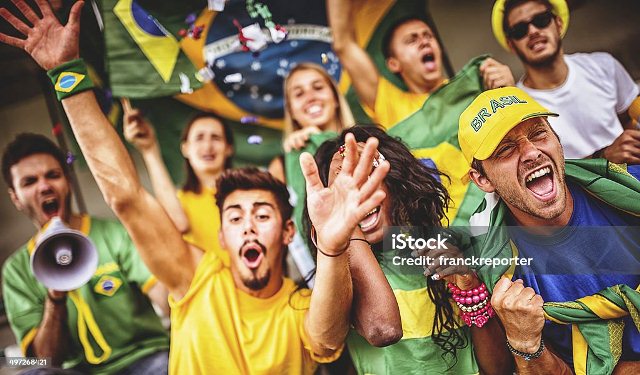
Absolutely! 🇧🇷 Brazil is a vibrant and diverse country known for its warmth, rhythm, and strong sense of community. Here are Top 10 Unique Habits Brazilian People Often Do:
🇧🇷 1. Greeting with Hugs and Kisses
- Brazilians are famously warm — a hug and 1-3 cheek kisses (depending on the region) are common greetings.
- Personal space is minimal; physical affection is a norm.
🇧🇷 2. Clapping When a Plane Lands
- It’s surprisingly common to hear applause after a flight lands — a joyful way to show gratitude or celebrate safe travels.
🇧🇷 3. Wearing Havaianas Everywhere
- Flip-flops (especially Havaianas) are practically a national uniform — worn casually to the beach, markets, or even some social gatherings.
🇧🇷 4. Showing Up Late — Socially Acceptable
- Being “fashionably late” (called “atrasado”) is normal. Arriving 30–60 minutes after the stated time isn’t rude — it’s expected.
🇧🇷 5. Eating Rice and Beans Daily
- A daily staple for most Brazilians. No matter what the main dish is, rice and beans are always on the plate — comforting and essential.
🇧🇷 6. Celebrating Carnival Loudly and Proudly
- Carnival isn’t just a festival — it’s a way of life. Costumes, parades, music, and dancing in the streets happen not just in Rio but across the country.
🇧🇷 7. Having Long Conversations About Football (Soccer)
- Football is a near-religion. People know the stats, the history, and everyone has a favorite team — often worn proudly on a jersey.
🇧🇷 8. Drinking Coffee Several Times a Day
- Tiny, strong cups of black coffee (called cafézinho) are offered at home, at work, and even in stores — it’s a sign of hospitality and habit.
🇧🇷 9. Barbecuing on Weekends (Churrasco)
- A traditional Brazilian BBQ, often involving several kinds of meat, garlic bread, and cold drinks, is a common family or friend ritual — especially on Sundays.
🇧🇷 10. Speaking Loudly and Expressively
- Brazilians are passionate speakers — using hand gestures, facial expressions, and volume to emphasize what they’re saying. It’s all part of the friendly energy.
🇧🇷 1. Greeting with Hugs and Kisses 🤗💋
In Brazil, greetings are warm, affectionate, and physical — often including a hug and cheek kisses, even when meeting someone for the first time!
💋 How It Works:
- Typically, women greet with 1–3 kisses on the cheek (varies by region — 1 in São Paulo, 2 in Rio, sometimes 3 in the South).
- Men usually shake hands, but close friends often hug or give a back-pat.
- It’s not unusual to kiss hello and goodbye in social settings — even among coworkers in informal environments.
🌎 Why It’s Uniquely Brazilian:
- Reflects the Brazilian culture of warmth, friendliness, and informality.
- Physical closeness is a sign of respect and connection, not intrusion.
- Compared to many countries where greetings are more reserved, Brazilian greetings are joyful and personal.
💡 Fun Tip:
If you’re not used to it, just follow your host’s lead. Brazilians don’t mind if you get it a bit wrong — it’s the friendly vibe that counts!
Would you like the next one in this style too?
🇧🇷 2. Clapping When a Plane Lands 👏✈️
In Brazil, it’s not unusual for passengers to break into applause when a plane lands safely — especially on longer or turbulent flights. It’s one of those quirky, heartwarming habits that often surprises first-time visitors.
✈️ Why Do Brazilians Clap?
- Gratitude: It’s a spontaneous way of saying “Thank you, pilot!”
- Celebration: Many Brazilians are expressive — they like to celebrate life’s little wins, and a safe landing is one of them.
- Tradition: It’s become a cultural habit, passed on through generations of travelers.
🎉 What It Says About Brazilian Culture:
- Brazilians are emotionally expressive — joy, relief, and appreciation are shown openly.
- It reflects a collective spirit: strangers coming together for a shared moment.
- Even if fewer young people do it now, the habit still pops up, especially on domestic flights or around holidays.
💡 Fun Fact:
Clapping isn’t limited to flights — Brazilians also often cheer bus drivers for smooth rides or even barbecue masters at weekend churrascos. Applause is a form of love!
🇧🇷 3. Wearing Havaianas Everywhere 🩴☀️
In Brazil, Havaianas flip-flops are more than just footwear — they’re a cultural icon. You’ll see people wearing them at the beach, in supermarkets, restaurants, and even informal events.
🩴 Why Havaianas Are Everywhere:
- Comfort + Simplicity: Perfect for Brazil’s tropical climate — lightweight, breathable, and easy to slip on.
- Affordable and Durable: Originally cheap rubber sandals, now available in both basic and designer styles.
- Pride in Local Brands: Havaianas are Brazilian-made and worn with pride, both locally and internationally.
🇧🇷 Cultural Meaning:
- Wearing flip-flops is a symbol of laid-back Brazilian lifestyle — casual, friendly, and fuss-free.
- In many coastal cities, it’s completely normal to wear them to lunch, while shopping, or even to casual work settings.
💡 Fun Fact:
Even celebrities and fashion icons in Brazil wear Havaianas — and you can now find them in fashion stores worldwide, though locals still buy them for a fraction of the price.
Want to go on to #4 — the art of being fashionably late? ⏰
🇧🇷 4. Showing Up Late — Socially Acceptable ⏰😅
In Brazil, being “fashionably late” is just… normal. Whether it’s a birthday party, a dinner, or even a casual meeting, arriving 30 minutes to an hour late is often expected — and sometimes appreciated!
🕒 Why Is This a Thing?
- Cultural Flexibility with Time: Brazilians generally have a more relaxed attitude toward schedules.
- Courtesy, Not Rudeness: Showing up late to a party may actually be seen as respectful, so the host has time to prepare.
- Social vs. Professional: In social settings, lateness is common. But for business meetings, punctuality is more important — especially in formal or international settings.
🇧🇷 What It Says About Brazilian Culture:
- People > Clock: Human connection matters more than rigid timekeeping.
- Socializing is about enjoying the moment, not sticking to a strict timeline.
- It reflects the Brazilian value of “jeitinho” — a flexible, adaptive way of navigating life.
💡 Pro Tip:
If you’re invited to a Brazilian gathering and it starts at 7 p.m., most people will arrive around 8. And that’s totally fine — just don’t be the first one there!
Next up — #5: Celebrating Death with Joy (Día de Muertos)? 💀🎉
🇧🇷 5. Eating Rice and Beans Daily 🍚🫘
In Brazil, rice and beans aren’t just a side dish — they’re a way of life. For many Brazilians, no lunch feels complete without a generous serving of white rice paired with black or brown beans, often topped with meat, veggies, or a fried egg.
🍛 Why It’s So Popular:
- Nutritious and Balanced: This combo provides carbs, protein, fiber, and essential nutrients — affordable and filling.
- Comfort Food: It’s the taste of home for most Brazilians, evoking memories of family meals and childhood.
- Cultural Staple: Found in homes, restaurants, schools, and even high-end buffets — it’s the ultimate national dish.
🍽️ Common Add-ons:
- Farofa (toasted cassava flour)
- Fried plantains
- Grilled meat or sausage
- Vinagrete (Brazilian salsa)
🇧🇷 What It Reflects:
- Brazilian culture values simple, hearty meals.
- It shows the importance of daily rituals and comfort in everyday life.
- Even amid regional diversity in cuisine, rice and beans unite the country.
💡 Fun Fact:
Some Brazilians eat rice and beans twice a day — at lunch and dinner. And when they travel abroad? It’s often the dish they miss the most!
Ready for #6 — Carnival celebrations? 🎭🎉
🇧🇷 6. Celebrating Carnival Loudly and Proudly 🎭🎉🥁
Carnival in Brazil isn’t just a holiday — it’s a national passion. For a few vibrant days each year (usually in February or March), the country explodes into a kaleidoscope of color, music, dance, and joyful chaos.
🎊 What Happens During Carnival:
- Massive street parades with dazzling costumes, themed floats, and thousands of samba dancers.
- Blocos de rua (street parties) take over cities like Rio, Salvador, and Recife — anyone can join in the fun!
- People wear funny, wild, or sparkly costumes — there are no rules except to celebrate life.
- Samba music and drumming fill the air 24/7 — people dance in the streets from day to night.
🇧🇷 Why It’s So Special in Brazil:
- Carnival reflects Brazil’s Afro-Brazilian cultural roots, blending European and African influences.
- It’s a celebration of freedom, creativity, and collective joy — a chance to let loose and express yourself.
- Though celebrated in other countries, nowhere does it with the same energy and national pride as Brazil.
🕺 What It Says About Brazilians:
- Brazilians know how to celebrate big — joy is meant to be shared.
- The culture embraces music, art, movement, and vibrant self-expression.
- Even those who don’t join the streets often watch parades, decorate, or take time off work — it’s that important.
💡 Fun Fact:
The Sambadrome Parade in Rio de Janeiro is watched by millions on TV and has schools that prepare all year for their few minutes of fame.
Next up — #7: Talking loudly, passionately, and with hand gestures? 🗣️👋
🇧🇷 7. Having Long Conversations About Football (Soccer) ⚽🟢🟡
In Brazil, football (soccer) is more than just a sport — it’s a religion, a national identity, and a constant topic of conversation. From street corners to barbershops to family dinners, Brazilians can talk about football for hours.
⚽ Why Football Is Life in Brazil:
- Historic Excellence: Brazil has won the FIFA World Cup five times — more than any other nation.
- National Icons: Legends like Pelé, Ronaldo, Ronaldinho, and Neymar are household names and national heroes.
- Passionate Club Culture: Brazilians are fiercely loyal to their clubs — Flamengo, Corinthians, São Paulo, Palmeiras, and others spark intense debate.
- It’s Everywhere: From favelas to fancy stadiums, kids grow up playing barefoot on the street with makeshift goals.
🗣️ What They Talk About:
- Match outcomes and controversial referee decisions.
- Player transfers, injuries, and tactics.
- Club rivalries and unforgettable games.
- World Cup predictions and dreams of bringing the trophy home again.
🇧🇷 What It Says About Brazilian Culture:
- Brazilians are deeply passionate and expressive — football brings people together across social and economic divides.
- It reflects the joy, rhythm, and emotion of daily life.
- Football is a form of cultural pride, resilience, and community.
💡 Fun Fact:
During World Cup games, schools close early, businesses shut down, and the streets fall silent — until someone scores, then you’ll hear fireworks and horns everywhere!
Want to go on to #8 — the art of dancing anywhere, anytime? 💃🎶
Drinking Coffee Several Times a Day ☕🇧🇷
In Brazil, coffee isn’t just a morning ritual — it’s an all-day habit and cultural cornerstone. Whether it’s at home, work, or visiting someone, you can expect to be offered a small, strong cup of cafézinho (little coffee) — and likely more than once.
☕ What Makes Brazilian Coffee Culture Unique:
- Cafézinho is served in tiny cups, often black and sweetened — and always offered with hospitality.
- It’s common to drink coffee before meals, after meals, during meetings, or just because.
- You’ll find free or cheap coffee in banks, shops, salons, and gas stations — it’s everywhere!
🏠 Social Ritual:
- Offering someone coffee is a sign of warmth, welcome, and respect.
- Visiting someone’s home? You’ll almost always be greeted with “Quer um cafezinho?” (“Would you like a little coffee?”).
🇧🇷 What It Says About Brazilian Culture:
- Brazilians value connection and conversation — coffee is a reason to pause and talk.
- Even in a fast-paced day, there’s room for a simple moment of comfort and community.
- It’s a reflection of Brazil being one of the world’s largest coffee producers — and proud of it.
💡 Fun Fact:
Some Brazilians drink coffee right before bed and still sleep like a baby — it’s that embedded in daily life!
Ready for #9 — spontaneous dancing and love for music? 💃🥁
🇧🇷 9. Barbecuing on Weekends (Churrasco) 🔥🥩🍻
In Brazil, churrasco (barbecue) isn’t just a meal — it’s a social ritual, a weekend tradition, and a beloved excuse to gather friends and family. Almost every neighborhood has someone firing up the grill on Saturdays or Sundays.
🥩 What Makes Brazilian BBQ Unique:
- It’s all about slow-roasting meat over charcoal or wood, especially beef, pork, sausage, and chicken hearts.
- Cuts like picanha (top sirloin cap) are iconic and seasoned simply with coarse salt to let the flavor shine.
- Meat is often sliced straight off the skewer and served bit by bit — fresh, juicy, and sizzling.
🧂 Side Dishes and Staples:
- Farofa (toasted cassava flour)
- Vinagrete (a zesty tomato-onion salad)
- Garlic bread, rice, and cold beer
- Occasionally, grilled cheese (queijo coalho) or pineapple with cinnamon
👨👩👧👦 The Social Vibe:
- It’s not about eating fast — it’s about hanging out all afternoon, chatting, laughing, and sharing.
- Someone’s always the designated churrasqueiro (grill master) — a role taken very seriously.
- Music, drinks, and casual banter make it feel more like a party than a meal.
🇧🇷 What It Says About Brazilian Culture:
- Brazilians value community, hospitality, and relaxed joy.
- Food is meant to be shared, not rushed — it brings people together.
- Churrasco is a perfect mix of tradition and celebration.
💡 Fun Fact:
Even apartments often have built-in grills on balconies, and many parks have churrasqueiras (BBQ pits) ready for public use.
Want to wrap up with #10 — the love for expressive body language and close interaction? 🤗🗣️
🇧🇷 10. Speaking Loudly and Expressively 🗣️👋🎭
In Brazil, talking isn’t just communication — it’s performance, connection, and energy. Brazilians are known for speaking with volume, emotion, and plenty of hand gestures, often turning an ordinary conversation into something that feels like a theatrical moment.
🗣️ What It Looks and Sounds Like:
- Conversations are animated, with facial expressions, laughter, raised eyebrows, and big reactions.
- Hand gestures are frequent and vivid — sometimes even replacing words entirely.
- It’s common for groups to speak all at once, overlapping, agreeing, disagreeing — all with enthusiasm.
- Even serious topics may be delivered in a lively, passionate tone.
🎉 Where You’ll Notice It:
- In homes, streets, markets, cafes, or football matches — basically everywhere.
- It’s not considered rude — it’s a sign of warmth, sincerity, and engagement.
- Even strangers will often jump into conversations in public settings like buses or queues.
🇧🇷 What It Says About Brazilian Culture:
- Brazilians value emotional connection, openness, and spontaneity.
- The culture encourages people to be vivid, not reserved — showing emotion is seen as authentic.
- It reflects a society where relationships and human interaction are front and center.
💡 Fun Fact:
There’s even a common phrase:
“Brasileiro fala com as mãos” — “Brazilians talk with their hands.”

