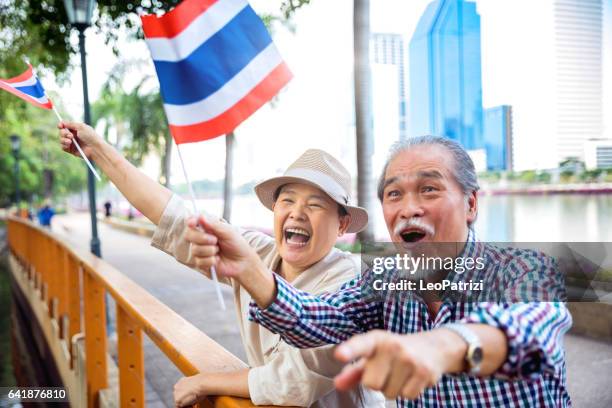
Absolutely! 🇹🇭 Thailand is known for its rich cultural traditions, strong Buddhist influence, and incredibly warm hospitality. Here are the Top 10 Unique Habits Thai People Often Do:
🇹🇭 1. Wai Greeting with a Bow and Hands Pressed Together 🙏
The “wai” is Thailand’s signature greeting. Pressing hands together at chest or nose level and giving a slight bow shows respect and politeness — especially to elders, monks, or superiors.
🇹🇭 2. Taking Off Shoes Before Entering Homes and Temples 👣
Just like in many Asian cultures, Thais always remove their shoes before entering someone’s home, temples, and even some shops. It shows respect and cleanliness.
🇹🇭 3. Showing Great Respect to the Monarchy 👑
Thai people are deeply respectful toward their King and royal family. Speaking ill of the monarchy is not only frowned upon but also illegal under Thailand’s lèse-majesté laws.
🇹🇭 4. Avoiding Public Displays of Anger 😌
Thais value “saving face” and maintaining harmony, so open confrontation or emotional outbursts are strongly discouraged. Smiling, staying calm, and being gentle is the norm — even in tense situations.
🇹🇭 5. Eating with a Spoon and Fork 🍽️
Thais typically use a spoon in the right hand and a fork in the left — the fork helps push food onto the spoon. Chopsticks are used mainly for noodle dishes, not rice.
🇹🇭 6. Respecting the Head and Feet Rules 🧠🦶
In Thai culture:
- The head is sacred — never touch someone’s head, even a child’s.
- The feet are low and unclean, so don’t point your feet at people or sacred objects.
🇹🇭 7. Visiting Temples Often (and Respectfully) 🛕
Most Thais are Theravada Buddhists. It’s common to see people offering incense, candles, or lotus flowers at temples — often in the morning or on Buddhist holidays.
🇹🇭 8. Giving and Receiving with the Right Hand 🤲
Whether it’s handing over money, gifts, or documents, Thais usually use the right hand or both hands — and accompany the act with a small nod or “wai” for politeness.
🇹🇭 9. Celebrating Festivals with Water, Light, and Joy 🎉
From Songkran (Thai New Year) with epic water fights, to Loy Krathong, where floating lanterns are released on rivers — Thais are passionate about their festivals and love community-wide celebrations.
🇹🇭 10. Using Nicknames in Everyday Life 🐣
Most Thai people go by short, unique nicknames instead of their given names, even in professional settings. These can be cute, funny, or even food-related — like “Moo” (pork) or “Beer”!
🇹🇭 1. Wai Greeting with a Bow and Hands Pressed Together 🙏
The “wai” is Thailand’s most iconic and respectful greeting — combining a gesture of prayer-like hands and a slight bow of the head. It’s more than just a hello — it expresses respect, gratitude, apology, or farewell, depending on the context.
🙏 How to Wai:
- Press your palms together in front of your chest (like in prayer).
- Bow your head slightly.
- The higher the hands and deeper the bow, the more respect is shown.
🧓 Used For:
- Greeting elders, teachers, monks, or people of higher status.
- Thanking someone or apologizing.
- Saying hello or goodbye in polite or formal settings.
❌ When Not to Wai:
- You don’t need to wai children, employees, or shopkeepers — a smile or nod is enough.
- Monks never return a wai — they simply nod in acknowledgment.
🇹🇭 Cultural Insight:
The wai reflects Buddhist and hierarchical values of Thai society. It’s considered rude not to return a wai from someone older or of equal status — unless you’re clearly in a superior role (like a teacher or boss).
💡 Fun Fact:
Even corporate logos, airline safety videos, and Thai mascots often include the wai gesture — it’s that central to Thai identity.
🇹🇭 2. Taking Off Shoes Before Entering Homes and Temples 👣
In Thailand, removing your shoes before entering someone’s home, a temple, or even some shops and businesses is a deeply ingrained habit rooted in respect, cleanliness, and cultural tradition.
👟 Why It’s Done:
- Shoes are considered dirty — they carry dust and spiritual impurity from the outside.
- Thai homes and temples are sacred, clean spaces; it’s important not to bring dirt inside.
- This practice is tied to Buddhist principles of mindfulness and cleanliness.
🏠 Common Places to Remove Shoes:
- Private homes
- Temples (wats)
- Massage parlors, some classrooms, guesthouses, and offices
- Sometimes even indoor cafes or traditional shops
🥿 What to Expect:
- You’ll often see a row of shoes or sandals outside the entrance.
- It’s polite to place your shoes neatly, not just kick them off.
- Some places may provide indoor slippers for use inside.
🇹🇭 Cultural Insight:
Keeping the floor clean is important because Thai people often sit, sleep, and eat on mats or low furniture. Bringing in dirty shoes would be considered highly disrespectful or careless.
💡 Social Tip:
If you’re ever unsure whether to remove your shoes, look around the entrance — if others have taken theirs off, you should too.
🇹🇭 3. Showing Great Respect to the Monarchy 👑
In Thailand, deep reverence for the royal family — especially the King — is not just cultural, but a core part of national identity. The Thai monarchy is viewed as a unifying symbol of tradition, history, and national pride.
👑 How Respect Is Shown:
- Standing for the royal anthem before movies, events, and sports matches.
- Displaying portraits of the King and royal family in homes, schools, temples, and public places.
- Speaking of the monarchy in a highly respectful, almost sacred tone.
- Celebrating royal birthdays as national holidays with public ceremonies and decorations.
📜 Legal Protection:
Thailand enforces strict lèse-majesté laws, meaning:
- Criticizing, mocking, or insulting the royal family is a criminal offense.
- Violations can result in severe penalties, including imprisonment.
- Even accidental or online offenses are taken seriously.
🇹🇭 Cultural Insight:
- Thai people are taught from a young age to love and honor the monarchy.
- The King is often regarded as the “Father of the Nation”, and the Queen as a maternal figure.
- Past kings, like King Bhumibol Adulyadej (Rama IX), are especially beloved and still honored.
💡 Social Tip:
When in Thailand, always treat any mention or image of the royal family with great care and respect — even casually stepping on Thai currency (which bears the King’s image) is frowned upon.
🇹🇭 4. Avoiding Public Displays of Anger 😌
In Thailand, staying calm, composed, and pleasant — especially in public — is a sign of emotional intelligence and good upbringing. Losing your temper, yelling, or creating a scene is considered embarrassing and deeply disrespectful.
😌 Why Thais Avoid Anger:
- Thai culture places high value on “saving face” (preserving dignity and harmony).
- Open displays of anger or frustration can damage relationships and cause people to lose respect for you.
- It’s believed that emotional control shows strength, maturity, and wisdom.
🧘 Common Behaviors:
- When upset, Thais often smile, laugh lightly, or say nothing instead of reacting harshly.
- People might walk away calmly rather than confront a problem on the spot.
- Phrases like “mai pen rai” (it’s okay / never mind) are used to diffuse tension.
👨👩👧👦 Social Settings:
- In family, business, and social circles, being too direct, blunt, or loud is discouraged.
- Thais prefer indirect communication, choosing their words carefully to avoid offending others.
🇹🇭 Cultural Insight:
- Anger is associated with loss of control and “hot-headedness,” which clashes with Buddhist ideals of mindfulness and compassion.
- Instead, showing kindness, grace under pressure, and patience earns you quiet respect.
💡 Social Tip:
If you’re frustrated or upset in Thailand — take a breath, smile politely, and address the issue calmly or later in private. You’ll earn more respect that way.
🇹🇭 5. Eating with a Spoon and Fork 🍽️
In Thailand, chopsticks aren’t the norm — instead, people commonly eat with a spoon in the right hand and a fork in the left. This unique style of eating is both efficient and culturally ingrained.
🍴 How It Works:
- The spoon is the main utensil, used to scoop up rice and other dishes.
- The fork is used to push food onto the spoon, not to stab or eat directly.
- Knives are rarely used — Thai food is typically served bite-sized.
🍛 When to Use Chopsticks:
- Only for certain Chinese-influenced noodle dishes, like:
- Kuay Teow (noodle soup)
- Pad See Ew or Pad Thai (if served with chopsticks — optional)
- Even then, many locals still prefer a spoon and fork.
🥢 Why This Matters:
- Thai cuisine is designed for shared dining and layered flavors — so scooping sauces and rice together with a spoon makes more sense.
- It reflects Thai values of neatness and practicality during meals.
🇹🇭 Cultural Insight:
- Eating directly from a fork or licking it clean is seen as impolite.
- Food is often shared family-style, so proper utensil use shows respect and good manners.
💡 Fun Tip:
If you’re at a Thai restaurant and given a spoon and fork — don’t ask for a knife. You’re already holding Thailand’s perfect combo!
🇹🇭 6. Respecting the Head and Feet Rules 🧠🦶
In Thai culture, the head is sacred and the feet are considered the lowest, most unclean part of the body — not just physically, but spiritually. This belief is deeply rooted in Buddhism and traditional Thai values, and knowing it is essential to being respectful in Thailand.
🧠 The Head:
- The head is the most respected part of the body — it’s seen as the seat of one’s soul and spirit.
- Never touch anyone’s head, not even a child’s, unless you are very close and it’s understood as affectionate.
- Don’t pat heads or ruffle hair — it’s seen as intrusive and disrespectful.
🦶 The Feet:
- The feet are the lowest and dirtiest part of the body — physically and symbolically.
- Pointing your feet at someone (especially elders, monks, or religious images) is highly disrespectful.
- Never put your feet on chairs, tables, or desks, even if you’re relaxing.
- Tucking your feet under you when sitting on the floor is a polite way to avoid offense.
⛩️ In Temples:
- When sitting near a Buddha statue or monk, keep your feet behind you — never pointed toward sacred objects.
- Removing shoes before entering temples or homes is also tied to this principle.
🇹🇭 Cultural Insight:
- Thai people are generally gentle and forgiving — but disregarding the head and feet rules can cause real offense, especially in religious or rural settings.
- Showing bodily awareness is a subtle sign of good upbringing and cultural sensitivity.
💡 Social Tip:
If you accidentally point your feet or touch someone’s head, a polite apology and wai gesture can go a long way in making amends.
🇹🇭 8. Giving and Receiving with the Right Hand 🤲
In Thai culture, how you give and receive something is just as important as what you’re giving. Using the right hand — especially when passing money, gifts, documents, or food — shows respect, cleanliness, and good manners.
🤲 The Right Way:
- Use your right hand when handing something to someone, especially elders, monks, or people in formal situations.
- For added politeness, you may also:
- Support your right hand with your left, by touching your right forearm or elbow.
- Bow your head slightly when giving or receiving.
✋ Why the Right Hand?
- The left hand is traditionally considered less clean, especially in older or rural traditions.
- Using the right hand shows that you’re offering something with sincerity and respect.
💸 Common Situations:
- Paying vendors or receiving change
- Offering gifts or documents
- Handing someone food or objects
- Giving alms to monks
🇹🇭 Cultural Insight:
- In casual settings, you might see people using both hands, especially when receiving something valuable or sacred.
- In Buddhist rituals, using both hands is a sign of deep reverence.
💡 Social Tip:
If you’re not sure what to do, just use your right hand and add a slight nod or smile. Thais will appreciate the effort, even if you don’t get it perfect.
🇹🇭 9. Celebrating Festivals with Water, Light, and Joy 🎉
Thailand is famous for its vibrant, joyful festivals — often filled with color, light, music, and community spirit. From splashing water to floating lanterns, Thai celebrations are a blend of Buddhist tradition, local folklore, and pure fun.
💦 Songkran (Thai New Year) — April 13–15
- Known as the “Water Festival”, it marks the Thai New Year.
- Streets turn into massive water fights, symbolizing cleansing, renewal, and blessings.
- Families also visit temples to bathe Buddha statues and pour water over elders’ hands for respect.
🪷 Loy Krathong — Usually in November
- Celebrated on a full moon night, people float krathongs (decorative baskets with candles and flowers) on rivers to pay respect to the water goddess and release negativity.
- In Chiang Mai, it coincides with Yi Peng, where thousands of sky lanterns are released — creating breathtaking night skies.
🏮 Other Notable Celebrations:
- Makha Bucha & Visakha Bucha Days – Honoring key events in Buddha’s life with temple candle processions.
- Royal Birthday Celebrations – The streets are adorned with lights and yellow flags.
- Vegetarian Festival (in Phuket) – A spiritual and intense ritual involving purification and self-mortification.
🎉 Key Themes:
- Water = cleansing & blessing
- Light = enlightenment & gratitude
- Community = unity, joy, and renewal
🇹🇭 Cultural Insight:
Thai people see festivals not only as a time for celebration, but also for reflection, merit-making, and reconnecting with family. They’re a beautiful balance of spirituality and joy.
💡 Fun Tip:
If you’re in Thailand during Songkran, be prepared to get soaked head-to-toe — water guns, buckets, and laughter are everywhere!
🇹🇭 10. Using Nicknames in Everyday Life 🐣
In Thailand, almost everyone — from toddlers to CEOs — goes by a nickname (ชื่อเล่น – chue-len), not their full given name. These nicknames are used in daily conversation, social settings, and even the workplace!
🐣 What Are Thai Nicknames Like?
- Short, one-syllable names: e.g., Moo (pig), Daeng (red), Nok (bird), Oat, Ice, Film
- Some are based on physical traits, animals, English words, or just fun sounds.
- Many are cute, funny, or entirely unrelated to the person’s real name.
🧒 Why Nicknames?
- Thai full names are often long and complex.
- Nicknames are easier for family, friends, and teachers to use.
- Traditionally, nicknames were believed to confuse evil spirits and protect the child.
🗣️ Social Use:
- Even in business, people often introduce themselves with their nickname.
- On social media, resumes, and business cards, you’ll usually see both names listed.
- Close friends may even get new nicknames over time, based on inside jokes.
🇹🇭 Cultural Insight:
Nicknames reflect the lighthearted, informal tone of Thai society, where warmth, fun, and approachability matter more than formality.
💡 Fun Fact:
Some Thais name their kids after things they like — you might meet someone named Beer, Golf, Bank, Boss, or Pancake!

