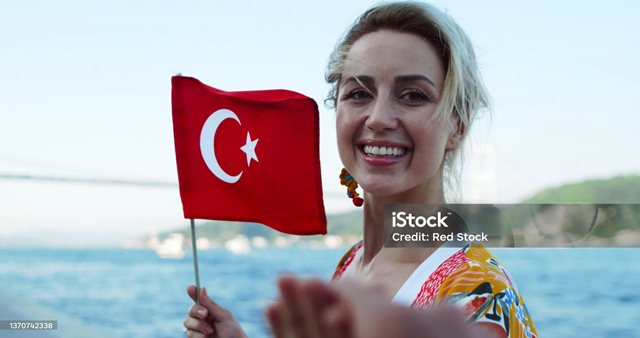
🇹🇷 1. Drinking Turkish Tea (Çay) Constantly ☕
Tea is the lifeblood of Turkish social life. Served in tulip-shaped glasses, it’s offered morning to night, whether at home, in shops, or after meals — and often without even asking.
🇹🇷 2. Removing Shoes Before Entering Homes 👟🚪
It’s custom to take off your shoes at the door. Guests are often offered indoor slippers (terlik) as a sign of hospitality and cleanliness.
🇹🇷 3. Greeting with Double Kisses (or Hand to Forehead for Elders) 💋🙏
People commonly greet with two cheek kisses, especially among close friends and family. For elders, it’s respectful to kiss their hand and press it to your forehead.
🇹🇷 4. Using the Evil Eye (Nazar Boncuğu) Everywhere 🧿
The blue nazar bead is believed to protect against bad luck and envy. You’ll find it in homes, cars, jewelry, businesses, and even pinned to babies’ clothes.
🇹🇷 5. Engaging in Long, Passionate Conversations (Often Loud) 🗣️
Turks are expressive speakers and love deep conversations — whether it’s politics, football, or family gossip. Talking loudly doesn’t mean anger — it often just means enthusiasm!
🇹🇷 6. Treating Guests Like Royalty 👑🍽️
Hospitality is sacred. Guests are fed generously, offered tea (or coffee), and sometimes even encouraged to stay overnight — even without prior notice.
🇹🇷 7. Eating Fresh Bread with Every Meal 🍞
Bread (ekmek) is essential. It accompanies breakfast, lunch, and dinner, and many people stop by the bakery daily for fresh loaves.
🇹🇷 8. Loving Street Food Like Simit and Midye 🥯🦪
Turks love quick bites like simit (sesame bagel), roasted chestnuts, or stuffed mussels (midye dolma) — commonly found from street vendors across cities.
🇹🇷 9. Reading Coffee Grounds for Fortune Telling ☕🔮
After drinking Turkish coffee, many flip their cup upside down and read the patterns left by the grounds — a fun (and sometimes serious) way to glimpse the future!
🇹🇷 10. Celebrating National Holidays with Pride and Passion 🇹🇷🎉
From Republic Day (Oct 29) to Youth and Sports Day, Turks show strong patriotic pride, waving flags, singing anthems, and teaching children national values from a young age.
🇹🇷 1. Drinking Turkish Tea (Çay) Constantly ☕
In Turkey, tea isn’t just a drink — it’s a lifestyle. Turkish people drink çay (pronounced chai) all day, every day — at home, in offices, cafés, bazaars, and even at gas stations. ☕❤️
🍵 How It’s Served:
- In iconic tulip-shaped glasses (ince belli bardak), never mugs
- Always hot and strong, often with sugar but no milk
- Presented on a small saucer with a tiny spoon for stirring
🫖 How It’s Made:
- Brewed in a two-tiered teapot (çaydanlık) — strong tea concentrate on top, boiling water on the bottom
- Served by mixing the two to adjust strength: “açık çay” (light) or “demli çay” (strong)
🤝 More Than a Beverage:
- Offering tea is a sign of hospitality and friendship
- Guests are always offered tea, even at shops or during business meetings
- Refusing tea without a good reason is sometimes seen as impolite
🏞️ Common Moments:
- After meals, especially breakfast
- During long chats with friends or neighbors
- While working or bargaining in markets
- On ferry rides, with the breeze and Bosphorus view 🌊
🇹🇷 Cultural Insight:
Tea is deeply woven into Turkish daily life. It brings people together, opens conversations, and reflects the warmth of Turkish hospitality. It’s not just a habit — it’s a cultural ritual.
🇹🇷 2. Removing Shoes Before Entering Homes 👟🚪
In Turkey, removing your shoes before entering a home is an important and widely respected cultural norm. It reflects both cleanliness and respect for the household.
👣 Why It’s Done:
- Keeps dirt, dust, and outdoor bacteria out of the home
- Seen as a sign of respect to the homeowner
- Aligns with Turkish values of hospitality and hygiene
🥿 What to Expect:
- Most homes have a designated area at the entrance with a shoe rack or mat
- Guests are often offered indoor slippers (terlik) — sometimes even different sizes for comfort
- You’re expected to immediately take off your shoes upon entering — no need to ask
🧼 It’s Not Just a Rural Tradition:
- This habit is observed in cities and villages alike
- Even in modern apartments or luxury homes — the rule remains the same
- It’s also practiced in mosques, some offices, and traditional guesthouses
🚫 What Not to Do:
- Walking around in outdoor shoes indoors is considered very rude
- Even just stepping inside for a moment? Still take them off
🇹🇷 Cultural Insight:
This practice emphasizes respect, boundaries, and care for the home — values that are deeply embedded in Turkish culture. It’s also a subtle sign that you’re welcome, trusted, and part of the inner circle when someone hands you a pair of slippers.
🇹🇷 3. Greeting with Double Kisses (or Hand to Forehead for Elders) 💋🙏
Greetings in Turkey are warm, expressive, and respectful, reflecting the culture’s strong emphasis on relationships and tradition. How you greet someone often depends on their age, familiarity, or social setting.
💋 Double Cheek Kisses:
- Among friends, family, and acquaintances, it’s common to greet with two light kisses on the cheeks (right side first).
- This applies to both men and women, though gender norms may vary by region or formality.
- It’s a sign of closeness, warmth, and friendliness.
👉 Important: This is not a romantic gesture — it’s cultural!
🙏 Showing Respect to Elders:
For elders — especially grandparents or older relatives — greetings are more formal and respectful:
- You kiss their hand 👋
- Then lightly touch their hand to your forehead 🙇♂️
- This act shows deep respect, gratitude, and affection
🤝 Other Greeting Habits:
- A firm handshake is common in formal or business settings
- Followed by direct eye contact and a polite “Merhaba” (Hello) or “Selamün Aleyküm” (Peace be upon you) in more traditional settings
🇹🇷 Cultural Insight:
Greeting customs in Turkey reflect a mix of modern warmth and traditional values. Whether you’re hugging, kissing, or showing reverence to elders, the goal is always to honor the relationship — whether old or new.
🇹🇷 3. Greeting with Double Kisses (or Hand to Forehead for Elders) 💋🙏
Greetings in Turkey are warm, expressive, and respectful, reflecting the culture’s strong emphasis on relationships and tradition. How you greet someone often depends on their age, familiarity, or social setting.
💋 Double Cheek Kisses:
- Among friends, family, and acquaintances, it’s common to greet with two light kisses on the cheeks (right side first).
- This applies to both men and women, though gender norms may vary by region or formality.
- It’s a sign of closeness, warmth, and friendliness.
👉 Important: This is not a romantic gesture — it’s cultural!
🙏 Showing Respect to Elders:
For elders — especially grandparents or older relatives — greetings are more formal and respectful:
- You kiss their hand 👋
- Then lightly touch their hand to your forehead 🙇♂️
- This act shows deep respect, gratitude, and affection
🤝 Other Greeting Habits:
- A firm handshake is common in formal or business settings
- Followed by direct eye contact and a polite “Merhaba” (Hello) or “Selamün Aleyküm” (Peace be upon you) in more traditional settings
🇹🇷 Cultural Insight:
Greeting customs in Turkey reflect a mix of modern warmth and traditional values. Whether you’re hugging, kissing, or showing reverence to elders, the goal is always to honor the relationship — whether old or new.
🇹🇷 4. Using the Evil Eye (Nazar Boncuğu) Everywhere 🧿
In Turkey, the nazar boncuğu — or evil eye bead — is everywhere. From homes and cars to jewelry and baby clothes, this blue-glass amulet is a powerful symbol of protection against bad luck, envy, and negativity.
🧿 What Is the Nazar Boncuğu?
- A dark blue bead, usually with concentric white, light blue, and black circles, resembling an eye
- Rooted in ancient belief that jealous stares or compliments can bring misfortune
- The bead “reflects” or “absorbs” that negative energy, keeping the person safe
🏠 Where You’ll See It:
- Homes: Often hung at the front door or inside near the entrance
- Cars: Dangling from mirrors or dashboards
- Newborns: Pinned to their clothes or baby strollers for protection
- Shops and Offices: Especially in places where success or money is involved
- Jewelry and Accessories: Necklaces, bracelets, keychains — even tattoos!
🧿 Beliefs Around It:
- If a nazar bead breaks, people say: “It absorbed bad energy and protected you.”
- It’s common to gift it during:
- Weddings
- Births
- New home celebrations
- New business openings
🇹🇷 Cultural Insight:
The evil eye is not just superstition — it’s part of the cultural fabric of Turkey. Whether someone is deeply spiritual or not, most Turks embrace the symbol as a charm of luck, comfort, and tradition.
🇹🇷 5. Engaging in Long, Passionate Conversations (Often Loud) 🗣️🔥
In Turkey, conversations are more than just talk — they’re lively, emotional, and deeply engaging. Whether it’s about family, football, politics, or food, Turkish people tend to speak with intensity, warmth, and expressive body language.
🎙️ What It Looks Like:
- Lots of hand gestures, facial expressions, and dramatic tone shifts
- Voices often rise — not out of anger, but passion and involvement
- Conversations can last for hours, especially over tea or meals
☕ Where It Happens:
- In tea gardens or coffeehouses, debating everything from world affairs to neighborhood gossip
- Around the dinner table, especially during big family gatherings
- In shops and markets, where bargaining can turn into friendly (but animated) chats
- Even between strangers, if the topic strikes a nerve — especially politics or football ⚽
🚫 Misconceptions:
- Loud doesn’t mean angry — it’s just part of emotional expression
- Silence in conversation may be seen as disinterest or discomfort
🫱 Cultural Insight:
Turkish culture values connection and emotion. Speaking from the heart — even loudly — is seen as genuine and sincere. Don’t be surprised if a discussion starts calmly and ends with laughing, hugging, or even arguing passionately… all in good spirit.
🇹🇷 6. Treating Guests Like Royalty 👑🍽️
In Turkish culture, hospitality is sacred. A guest is seen as a blessing — even a gift from God — and is treated with the utmost warmth, care, and generosity, no matter how unexpected the visit may be.
🏡 What to Expect as a Guest:
- You’ll be immediately offered tea or coffee, usually with sweets or snacks
- A home-cooked meal will often follow, even if you weren’t planning to eat
- The host may insist you stay longer, eat more, and never let your glass go empty
- You’re often offered the best seat in the house, and possibly slippers to relax
🍽️ Meals Are a Big Deal:
- Hosts will cook as if feeding a small army, even for one guest
- It’s common to hear: “Bir lokma daha ye.” (Just one more bite!)
- Refusing food too quickly may seem rude — so always accept a little if you can
🛌 Unexpected Overnights? No Problem:
- In many homes, especially in rural areas, it’s normal for guests to be invited to stay the night
- You’ll often be given fresh linens, extra blankets, and a hot drink before bed
🧼 Even the Home is Prepared:
- Many Turks clean thoroughly before a guest arrives, wanting the house to look perfect
- Some even bring out special plates or cutlery used only for guests
🇹🇷 Cultural Insight:
The Turkish phrase “Misafir berekettir” means “The guest brings abundance.”
Hospitality is not about wealth — it’s about sharing what you have, even modestly, with a huge heart.
🇹🇷 7. Eating Fresh Bread with Every Meal 🍞
In Turkey, bread (ekmek) is life. It’s not just a side dish — it’s a central part of every meal, from breakfast to dinner, and even in between. Many Turkish people say, “A meal without bread isn’t a real meal.”
🥖 Types of Turkish Bread:
- Somun – Soft, round white bread loaves
- Bazlama – Thick, fluffy flatbread, often grilled
- Pide – Oval-shaped, boat-like flatbread (especially during Ramadan)
- Simit – Sesame-covered ring bread sold on the streets
- Lavaş – Thin flatbread served with grilled meats
🍽️ How It’s Used:
- Eaten with soups, stews, grilled meats, dips, and cheeses
- Used to scoop up food (especially with meze or soft dishes)
- Often placed in a basket at the center of the table
- Sometimes people wipe the plate clean with bread — a satisfying final bite!
🏠 Fresh Every Day:
- Most families buy fresh bread daily from local bakeries (fırın)
- It’s common to see people walking home with warm loaves under their arm
- Leftover bread is never wasted — it’s either used for croutons, fed to animals, or donated
🙏 Respect for Bread:
- Bread is treated with deep respect, almost sacred
- If a piece falls on the ground, people often pick it up, kiss it, and place it somewhere clean — never thrown in the trash carelessly
🇹🇷 Cultural Insight:
Bread symbolizes nourishment, family, and tradition in Turkey. Its daily presence speaks to a culture that finds comfort and community around the table.
🇹🇷 8. Loving Street Food Like Simit and Midye 🥯🦪
Turkish people have a deep love for street food, and it’s not just for convenience — it’s a part of daily life, tradition, and local flavor. From early morning to late night, the streets of Turkey are filled with vendors serving fresh, tasty, and affordable bites.
🥯 Simit – The Iconic Turkish Street Snack
- A sesame-crusted circular bread, crispy outside, soft inside
- Often called “Turkish bagel,” it’s eaten for breakfast or as a snack, usually with tea or cheese
- Sold by street vendors pushing red carts or carrying it on trays
🦪 Midye Dolma – Stuffed Mussels
- Mussels filled with spiced rice, herbs, and a splash of lemon juice
- Typically eaten standing by the stall, one after another
- A beloved late-night snack, especially after clubbing or long walks by the sea
🌯 Other Popular Turkish Street Foods:
- Kokoreç – Grilled spiced lamb intestines in a sandwich
- Balık Ekmek – Grilled fish sandwich, especially in coastal cities like Istanbul
- Lahmacun – Thin, crispy flatbread topped with spiced minced meat
- Kestane – Roasted chestnuts, sold in winter
- Dürüm – Meat or veggie wraps in lavash bread, perfect on-the-go
- Boza – A fermented drink, thick and tangy, often sold in winter
🛍️ Where You’ll Find It:
- Open-air markets, ferry docks, metro exits, beaches, and side streets
- Most are inexpensive, freshly made, and tied to local identity and pride
🇹🇷 Cultural Insight:
In Turkey, grabbing something from a street vendor isn’t “low-class” — it’s cultural, nostalgic, and communal. Locals bond over their favorite stalls and debate where to find the best simit or midye in town.
🇹🇷 9. Reading Coffee Grounds for Fortune Telling ☕🔮
In Turkey, drinking Turkish coffee isn’t just about the caffeine — it’s also about reading the future. After finishing a cup, many people flip it over and have the leftover coffee grounds “read” in a practice called fal bakmak (fortune telling).
☕ How It Works:
- Drink Turkish coffee (served strong, in a small cup, with grounds settling at the bottom).
- Once finished, turn the cup upside down onto the saucer and let it cool.
- After a few minutes, lift the cup and interpret the patterns formed inside by the leftover grounds.
- Some also read the saucer or even the cup handle’s direction.
🔮 What Gets Interpreted?
- Shapes that look like animals, people, or symbols (like a heart, road, eye)
- The position and density of the grounds — are they spread out or clustered?
- Lines or gaps can represent roads, journeys, or blockages
🙋 Who Does the Reading?
- Often read by a friend, elder, or self-proclaimed fortune-teller
- Some cafés even have professional “falcı” (fortune tellers) who offer readings for fun or small fees
- Friends might say, “Let me read your cup!” after coffee — it’s a social bonding ritual
🧿 Not Taken Too Seriously (Usually):
- Most people see it as fun and light-hearted, not actual prediction
- It’s about entertainment, connection, and storytelling — not superstition
- Still, some might get surprisingly accurate insights (or at least very thoughtful ones!)
🇹🇷 Cultural Insight:
Fortune reading with coffee is a blend of tradition, mysticism, and social playfulness. It keeps the conversation going after the drink is done, and is a beloved part of Turkish gatherings — especially among women, friends, and family.
🇹🇷 10. Celebrating National Holidays with Pride and Passion 🇹🇷🎉
In Turkey, national holidays are more than just days off — they are powerful expressions of patriotism, unity, and cultural pride. Whether it’s commemorating a historic victory or celebrating the republic, Turkish people show deep respect and love for their country on these days.
🧨 Major National Holidays:
🇹🇷 April 23 – National Sovereignty and Children’s Day
- Celebrates the founding of the Grand National Assembly in 1920
- Children take over symbolic leadership roles — even “becoming president” for a day!
- Schools organize colorful performances and parades
🇹🇷 May 19 – Atatürk Memorial, Youth and Sports Day
- Honors Mustafa Kemal Atatürk and his role in starting the War of Independence
- Youth and athletes hold marches, torchlight parades, and sports events
🇹🇷 August 30 – Victory Day (Zafer Bayramı)
- Commemorates the victory at the Battle of Dumlupınar (1922)
- Military parades and national ceremonies honor Turkish Armed Forces
🇹🇷 October 29 – Republic Day (Cumhuriyet Bayramı)
- Celebrates the founding of the Republic of Turkey in 1923
- Massive celebrations with flags, fireworks, concerts, and public readings of Atatürk’s speeches
- People proudly display the red and white flag everywhere
🎈How People Celebrate:
- Homes, cars, schools, and shops are decorated with Turkish flags
- Children learn and recite patriotic poems or songs
- Many attend official ceremonies, and others watch them live on TV
- Locals may hand out free Turkish delight or tea in public squares
🧑🏫 Cultural Insight:
Turkish national holidays are seen as a way to honor the sacrifices of the past, especially Atatürk, the founder of modern Turkey. People take pride in showing love for their country — openly, loudly, and joyfully.

