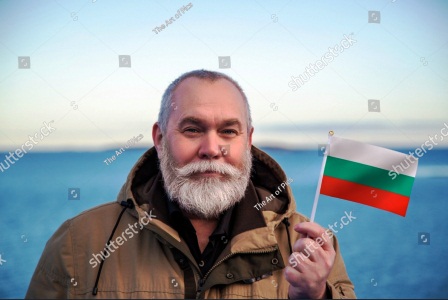
Here are 10 unique habits Bulgarians often do, blending traditions, social norms, and everyday quirks:
1. Greeting with a Firm Handshake 🤝
Bulgarians typically greet with a strong handshake and direct eye contact. Among close friends or family, a kiss on each cheek (right-left-right) may be exchanged.
2. Celebrating Martenitsa on March 1st 🌸
To welcome spring, Bulgarians wear red-and-white yarn bracelets or pins called Martenitsi, wishing health and luck until the wearer sees a stork or blossoming tree.
3. Drinking Rakia as a Social Ritual 🍶
Rakia, a strong fruit brandy, is often consumed during meals, celebrations, or casual gatherings. It’s considered a gesture of hospitality when offered to guests.
4. Knocking on Wood for Luck 🌳
To avoid jinxing good news, Bulgarians often touch or knock on wood when talking about future plans or successes.
5. Yoghurt & Traditional Foods Daily 🥣
Bulgarians are proud of their yoghurt (kiselo mlyako) and often eat it daily. Meals also frequently include bread, cheese, and fresh salads like shopska.
6. Name Day Celebrations More Important Than Birthdays 🎉
Many Bulgarians celebrate their name day (linked to the saint they’re named after) with parties and well-wishes, often more enthusiastically than birthdays.
7. Sitting Outside in Cafés or Parks ☕🪑
Socializing outdoors is common, especially in the summer. People gather in cafés, parks, or town squares to chat, drink coffee, or play chess/backgammon.
8. Using “Cheers” with Eye Contact 🥂
When drinking alcohol, Bulgarians make sure to clink glasses while maintaining eye contact, as avoiding it is considered rude and bad luck.
9. Respecting Elders & Family Traditions 👵👴
Family ties are strong, and younger generations show respect by listening, helping, and following guidance from older relatives.
10. Greeting with “Zdravey” and Polite Phrases 🗣️
Simple greetings like “Zdravey” (hello) and polite phrases are used frequently, reflecting Bulgaria’s emphasis on courtesy and social etiquette.
1. Greeting with a Firm Handshake 🤝
In Bulgaria, greetings are an important first impression and are taken seriously, reflecting respect and confidence.
- The handshake: Bulgarians usually offer a firm, confident handshake while maintaining eye contact, which signals sincerity and trust.
- Close friends and family: Among people who are familiar, a kiss on each cheek (usually right-left-right) may replace the handshake. Men may also lightly hug close male friends.
- Cultural meaning: A handshake isn’t just a formality—it demonstrates politeness, professionalism, and social awareness. A weak or overly casual handshake might be seen as indifferent or disrespectful.
2. Celebrating Martenitsa on March 1st 🌸
In Bulgaria, Martenitsa is a beloved tradition that marks the arrival of spring. People exchange and wear red-and-white yarn decorations called Martenitsi.
- How it’s worn: The Martenitsa can be a bracelet, pin, or small figure, worn on the wrist or pinned to clothing.
- When it ends: The tradition continues until the wearer sees the first stork, swallow, or blossoming tree, symbolizing the true start of spring. At that point, the Martenitsa is tied to a tree branch or left outside.
- Meaning: The red and white colors symbolize health, happiness, and longevity. Giving a Martenitsa is a gesture of goodwill and friendship.
- Social aspect: Martenitsi are exchanged among family, friends, coworkers, and even strangers, fostering community spirit.
This tradition is unique to Bulgaria and a strong expression of national identity and seasonal celebration.
3. Drinking Rakia as a Social Ritual 🍶
In Bulgaria, Rakia—a strong fruit brandy usually made from grapes, plums, or apricots—is more than just an alcoholic drink; it’s a symbol of hospitality and social bonding.
- When it’s served: Rakia is offered to guests during meals, family gatherings, celebrations, and even casual visits. Refusing it may be considered impolite.
- The ritual: Typically served in small glasses, and often accompanied by a toast. People may say “Наздраве!” (Nazdrave!, meaning “Cheers!”) before sipping.
- Cultural significance: Sharing Rakia demonstrates warmth, respect, and friendship. It’s not just about drinking—it’s about connecting with others and honoring the guest-host relationship.
Even in professional settings, a small glass of Rakia may be offered as a welcoming gesture, emphasizing Bulgaria’s tradition of inclusive hospitality.
4. Knocking on Wood for Luck 🌳
In Bulgaria, people often knock on wood when talking about good news or future plans to avoid jinxing their luck.
- When it’s done: After mentioning something positive, like a promotion, engagement, or upcoming trip, Bulgarians lightly tap or knock on a wooden surface nearby.
- How it’s perceived: Not doing so might be seen as tempting fate or attracting bad luck.
- Cultural meaning: This habit reflects a mix of superstition, tradition, and cautious optimism. It’s a way to acknowledge that while we can plan and hope, some things are ultimately beyond our control.
It’s common to see this in homes, offices, and even casual conversations—almost instinctively.
5. Yoghurt & Traditional Foods Daily 🥣
Bulgarians are famous for their kiselo mlyako (yoghurt), which is a staple in daily life and deeply tied to national pride.
- Daily consumption: Many Bulgarians eat yoghurt every day, often at breakfast, with snacks, or as part of meals. It may be plain, with honey, or mixed into soups and salads.
- Other traditional foods: Meals frequently include fresh bread, cheese, eggs, and salads like Shopska salad (tomatoes, cucumbers, peppers, and sirene cheese). Hearty stews and grilled meats are also common.
- Cultural significance: Eating these foods is not just about nutrition—it’s a connection to heritage and health traditions. Bulgarian yoghurt, in particular, is valued for its unique bacterial culture (Lactobacillus bulgaricus) and is even considered a national symbol.
6. Name Day Celebrations More Important Than Birthdays 🎉
In Bulgaria, a person’s name day—the day associated with the saint they are named after—is often celebrated more enthusiastically than their birthday.
- When it’s celebrated: Each saint’s day is marked on the Bulgarian calendar. For example, someone named George celebrates on St. George’s Day.
- How it’s celebrated: Friends, family, and coworkers bring gifts, flowers, or sweets, and hosts often organize small parties or gatherings.
- Cultural significance: Name days reflect religious tradition, community bonds, and respect for one’s heritage. Attending a name day is considered polite and shows you value the person’s place in both family and social circles.
For many Bulgarians, birthdays are private, but name days are public celebrations, often with more guests and festive spirit.
7. Sitting Outside in Cafés or Parks ☕🪑
In Bulgaria, spending time outdoors in cafés, parks, or town squares is a popular way to socialize, especially during the warmer months.
- The activity: People gather to drink coffee, tea, or soft drinks, chat with friends, read newspapers, or play games like chess and backgammon.
- Cultural vibe: Outdoor seating is casual and inviting, creating a sense of community where people of all ages can relax and connect.
- Social significance: Bulgarians value leisurely conversation and the opportunity to observe daily life. Sitting outside is both a break from routine and a way to maintain social bonds.
Even in busy cities, these outdoor spots are hubs for interaction, reflecting Bulgarians’ love for friendly, relaxed social environments.
8. Using “Cheers” with Eye Contact 🥂
In Bulgaria, when toasting with alcohol, eye contact is essential. Clinking glasses without looking each other in the eye is considered rude or even bad luck.
- The ritual: People say “Наздраве!” (Nazdrave!), which means “Cheers!” or “To your health,” while clinking glasses and maintaining direct eye contact.
- Social etiquette: Breaking eye contact during a toast can be seen as insincere or disrespectful, so Bulgarians take it seriously even in casual settings.
- Cultural meaning: This habit emphasizes honesty, respect, and connection between people. A toast is not just about drinking; it’s about acknowledging and honoring the company you are with.
9. Respecting Elders & Family Traditions 👵👴
In Bulgaria, family and elders hold a central place in daily life and decision-making, reflecting deep-rooted cultural values.
- Showing respect: Younger generations listen attentively, offer help, and seek advice from older family members. Elders’ opinions are often considered final in family matters.
- Traditions: Many households maintain long-standing customs, like preparing traditional meals, celebrating name days, and observing religious holidays, passing them from one generation to the next.
- Cultural significance: This respect emphasizes intergenerational bonds, gratitude, and continuity. It reinforces a sense of identity and belonging, keeping family and cultural heritage alive.
10. Greeting with “Zdravey” and Polite Phrases 🗣️
In Bulgaria, everyday interactions are shaped by politeness and courtesy, starting with greetings.
- Common greetings: “Zdravey” (Hello) is widely used among friends and acquaintances, while “Zdraveyte” is the more formal version for strangers or elders.
- Polite expressions: Phrases like “molya” (please), “blagodarya” (thank you), and “izvinete” (excuse me) are commonly sprinkled throughout conversations.
- Cultural meaning: Using these greetings and polite phrases shows respect, friendliness, and social awareness. It’s a way of acknowledging others and maintaining harmony in both casual and professional settings.
For Bulgarians, even small gestures of politeness contribute to a warm, respectful, and community-oriented culture.

