
Here are 10 unique habits Omanis often do, shaped by their rich culture, Islamic traditions, and Bedouin heritage:
1. Wearing the Traditional Dishdasha 👕
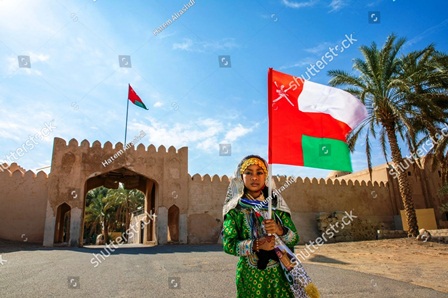
Omani men commonly wear a long, white robe called a dishdasha, often paired with a tassel (furakha) scented with perfume. Women wear elegant, colorful dresses with intricate embroidery.
2. Greeting with “As-salamu alaykum” & Handshakes 🤝
Omanis greet warmly, often with the Arabic greeting “As-salamu alaykum” (Peace be upon you) and a gentle handshake—sometimes touching noses as a sign of respect among men.
3. Serving Dates & Qahwa to Guests ☕🌴
Hospitality is central. Guests are offered fresh dates and Omani coffee (qahwa) flavored with cardamom and saffron, served in small cups.
4. Removing Shoes Before Entering Homes 👟🚪
It’s customary to take off shoes before entering a home to keep it clean and show respect.
5. Wearing Frankincense as Perfume 🌿💨
Oman is famous for frankincense, which is burned in homes, shops, and even wafted over clothes and hair as a perfume.
6. Enjoying Shuwa on Special Occasions 🍖🔥
Shuwa—marinated lamb slow-cooked in an underground sand oven—is a beloved traditional dish, usually prepared for Eid and big celebrations.
7. Driving into the Mountains or Desert for Picnics 🏜️🥙
Weekends often mean heading to wadis (valleys), beaches, or deserts for family picnics and outdoor cooking.
8. Wearing the Kumma & Massar 🧢🧣
Omani men often wear a kumma (embroidered cap) for casual days or a massar (turban-style headscarf) for formal occasions.
9. Speaking in a Gentle & Polite Tone 🗣️🤍
Omanis are known for their calm, respectful way of speaking—rarely raising their voices in public.
10. Celebrating with Traditional Dance & Music 🥁💃
During weddings and festivals, groups perform dances like Al-Razha (sword dance) to the beat of drums and poetry chants.
Wearing the Traditional Dishdasha
1. Wearing the Traditional Dishdasha 👕
In Oman, the dishdasha is more than just clothing—it’s a symbol of national pride and identity. This ankle-length robe is usually white, but can also be seen in light shades like cream, beige, or even pastel colors, especially during cooler months.
- Design details: The neckline often has a short tassel called furakha, which many men perfume with oud or frankincense oil so it gives off a pleasant scent throughout the day.
- Occasions: Worn daily to work, markets, and social events. For special celebrations like Eid or weddings, the fabric might be richer and paired with a massar (traditional turban).
- Cultural meaning: The dishdasha reflects simplicity, modesty, and elegance—values deeply rooted in Omani culture.
It’s common to see entire streets filled with men in spotless dishdashas, giving Oman a graceful and uniform look in public gatherings.
Wearing the Traditional Dishdasha
1. Wearing the Traditional Dishdasha 👕
In Oman, the dishdasha is more than just clothing—it’s a symbol of national pride and identity. This ankle-length robe is usually white, but can also be seen in light shades like cream, beige, or even pastel colors, especially during cooler months.
- Design details: The neckline often has a short tassel called furakha, which many men perfume with oud or frankincense oil so it gives off a pleasant scent throughout the day.
- Occasions: Worn daily to work, markets, and social events. For special celebrations like Eid or weddings, the fabric might be richer and paired with a massar (traditional turban).
- Cultural meaning: The dishdasha reflects simplicity, modesty, and elegance—values deeply rooted in Omani culture.
It’s common to see entire streets filled with men in spotless dishdashas, giving Oman a graceful and uniform look in public gatherings.
Greeting with “As-salamu alaykum” & Handshakes 🤝
2. Greeting with “As-salamu alaykum” & Handshakes 🤝
In Oman, greetings are a warm ritual rather than a quick formality. The most common phrase is “As-salamu alaykum” (Peace be upon you), to which the reply is “Wa alaykum as-salam” (And upon you be peace).
- The handshake: Often gentle and prolonged, sometimes accompanied by placing the left hand over the heart as a sign of sincerity.
- The nose-to-nose greeting: Among Omani men, especially in tribal or rural areas, a touching of noses (known as khushm-makh) is a traditional gesture of deep respect.
- Multiple exchanges: Friends and relatives may repeat the greeting several times, asking about family, health, and well-being before getting to the main topic.
This style of greeting reflects Oman’s values of respect, patience, and personal connection—you don’t just say hello; you acknowledge the person’s dignity and presence.
3. Serving Dates & Qahwa to Guests ☕🌴
In Oman, offering dates and qahwa (Omani coffee) to guests is a centuries-old tradition that blends hospitality, culture, and flavor.
- The coffee: Omani qahwa is light in color and brewed with cardamom, saffron, and sometimes rosewater. It’s served in small, handleless cups (finjan), and is meant to be sipped slowly.
- The dates: Always fresh and sweet, often from the host’s own palm trees. They balance the bitterness of the coffee perfectly.
- The ritual: Coffee is poured from a long-spouted pot (dallah), and the guest is offered three small refills as a sign of generosity. To politely signal you’re done, you gently shake the cup side-to-side.
- Cultural meaning: This gesture says “You are welcome here, and we honor your visit”. Even business meetings often start with dates and qahwa before any discussion begins.
In Oman, you can’t just pop in and leave—you’ll almost always find yourself seated with a warm cup in hand before anything else happens.
4. Removing Shoes Before Entering Homes 👟🚪
In Oman, it is a deeply ingrained habit to remove shoes before entering someone’s home—a simple act that carries respect, cleanliness, and hospitality.
- Why it matters: Homes are considered sacred private spaces. Removing shoes prevents dirt and sand from the outside from entering, keeping floors clean for family members and guests.
- How it’s done: Visitors usually leave their shoes at the entrance. Some homes provide slippers for guests, while others simply invite barefoot or socked feet inside.
- Cultural meaning: This habit reflects politeness, humility, and respect for the household. Refusing to remove shoes may be seen as rude or careless.
It’s such a common practice that even casual visitors or delivery workers automatically remove their shoes without needing a reminder.
5. Wearing Frankincense as Perfume 🌿💨
In Oman, frankincense isn’t just for religious rituals—it’s also a beloved personal fragrance. Oman is historically one of the world’s main frankincense producers, and the scent is woven into daily life.
- How it’s used: Small pieces of frankincense resin are burned on charcoal in homes, shops, or tents. The aromatic smoke lightly perfumes clothing, hair, and even the air around people.
- Personal perfume: Some Omanis brush the smoke over their dishdasha or massar, giving themselves a subtle, natural fragrance. Others mix frankincense oil with traditional perfumes.
- Cultural meaning: The smell of frankincense is associated with purity, respect, and celebration. It signals hospitality when guests arrive and is often used during weddings and special occasions.
This centuries-old tradition is a point of pride, connecting Omanis to their rich heritage and the famous incense trade routes of the past.
6. Enjoying Shuwa on Special Occasions 🍖🔥
In Oman, Shuwa is a traditional dish that’s more than just food—it’s a celebration of community and patience.
- What it is: Shuwa is marinated lamb or goat, heavily seasoned with spices, garlic, and sometimes local herbs. The meat is wrapped in banana or palm leaves and slow-cooked in an underground sand oven for up to 48 hours.
- When it’s eaten: Usually during Eid, weddings, or major family celebrations. Preparing Shuwa is a communal effort, with families often taking turns tending the underground oven.
- The taste: Tender, smoky, and rich with spices, the meat practically melts in your mouth. It’s often served with rice, bread, or local side dishes.
- Cultural meaning: Making and sharing Shuwa is a sign of generosity, patience, and togetherness. Guests know they’re receiving something special that required effort and care.
7. Driving into the Mountains or Desert for Picnics 🏜️🥙
In Oman, weekends and holidays often mean heading outdoors to enjoy nature, whether it’s the mountains, wadis (valleys), beaches, or the desert.
- The activity: Families and friends pack picnics, tents, and sometimes small grills to cook traditional foods like rice, fish, or Shuwa.
- The locations: Popular spots include Wadi Shab, Jebel Akhdar (Green Mountain), and the desert dunes near Wahiba Sands. These areas offer scenic views, swimming spots, and hiking opportunities.
- The experience: Outdoor trips are social and leisurely—people eat, swim, hike, play games, and simply enjoy the company of loved ones.
- Cultural meaning: Spending time in nature reflects Omanis’ connection to the land, their appreciation for family gatherings, and their love for calm, shared moments away from city life.
8. Wearing the Kumma & Massar 🧢🧣
In Oman, traditional headwear is an important part of daily attire and cultural identity for men.
- Kumma: A round, embroidered cap often worn casually at home, in the market, or during everyday activities. Each region has distinct patterns and colors, making it a subtle marker of local identity.
- Massar: A turban-style headscarf, usually made of fine fabric like wool or silk, worn during formal occasions, religious events, or weddings. It’s wrapped skillfully around the head and often matched with the dishdasha.
- Cultural meaning: Wearing a kumma or massar symbolizes respect, tradition, and Omani pride. The choice between the two depends on formality, comfort, and personal style.
9. Speaking in a Gentle & Polite Tone 🗣️🤍
Omanis are known for their calm, respectful, and measured way of speaking, which is considered a reflection of good manners and personal character.
- Tone and volume: Raising one’s voice in public is uncommon; conversations are usually soft, deliberate, and courteous.
- Politeness in words: Phrases like “please,” “thank you,” and “if you don’t mind” are regularly used, even in casual interactions.
- Cultural significance: Speaking gently shows respect for others, patience, and social harmony. It’s a sign of maturity and is especially valued in negotiations, family discussions, and public interactions.
This habit contributes to the overall reputation of Oman as a peaceful and welcoming country, where communication emphasizes understanding and respect.
10. Celebrating with Traditional Dance & Music 🥁💃
In Oman, music and dance play a central role in weddings, festivals, and other joyful gatherings, reflecting the country’s rich cultural heritage.
- Al-Razha: A popular traditional dance where groups of men perform synchronized movements with swords or sticks, often accompanied by poetry chanting and the beat of drums.
- Other music forms: Drums, oud (a stringed instrument), and other percussion instruments provide rhythms for folk dances, creating an energetic and communal atmosphere.
- When it’s performed: Weddings, national celebrations, and cultural festivals often feature these dances, sometimes lasting several hours.
- Cultural meaning: Traditional dance and music celebrate community, identity, and shared joy. Participating or watching these performances strengthens social bonds and honors Omani heritage.

