amber rose
Introduction: The Architecture Behind Modern Ecommerce Growth
By 2026, the most successful ecommerce brands share a common trait that customers rarely see but always feel: headless commerce architecture. While consumers experience faster load times, smoother navigation, and consistent experiences across devices, the real transformation happens behind the scenes.
Headless commerce has emerged as the foundation of omnichannel growth, enabling ecommerce businesses—especially in competitive markets like Australia—to scale faster, personalize deeper, and adapt to new channels without rebuilding their entire platforms.
In a digital economy defined by constant change, headless commerce is no longer an advanced option. It is the default architecture for brands aiming to dominate high-value ecommerce segments with strong CPC, CPM, CTR, and RPM performance.
What Is Headless Commerce in 2026?
Headless commerce refers to an ecommerce architecture where the frontend presentation layer (what customers see) is decoupled from the backend commerce engine (products, pricing, inventory, checkout).
Instead of one tightly coupled system, headless platforms communicate through APIs. This allows brands to build, modify, and optimize experiences independently across channels.
In 2026, headless commerce is often part of a broader approach known as composable commerce, where businesses assemble best-in-class tools rather than relying on monolithic platforms.
Why Headless Commerce Became Essential
Several forces pushed headless commerce into the mainstream:
- Explosion of customer touchpoints
- Demand for personalization at scale
- Faster innovation cycles
- Rising performance expectations
- Increasing complexity of ecommerce stacks
Traditional platforms struggled to keep up. Headless architecture solved these problems by offering flexibility without sacrificing stability.
Omnichannel Is No Longer Optional
In 2026, consumers interact with brands across:
- Websites
- Mobile apps
- Social commerce platforms
- Marketplaces
- Smart devices
- Voice assistants
- Physical stores
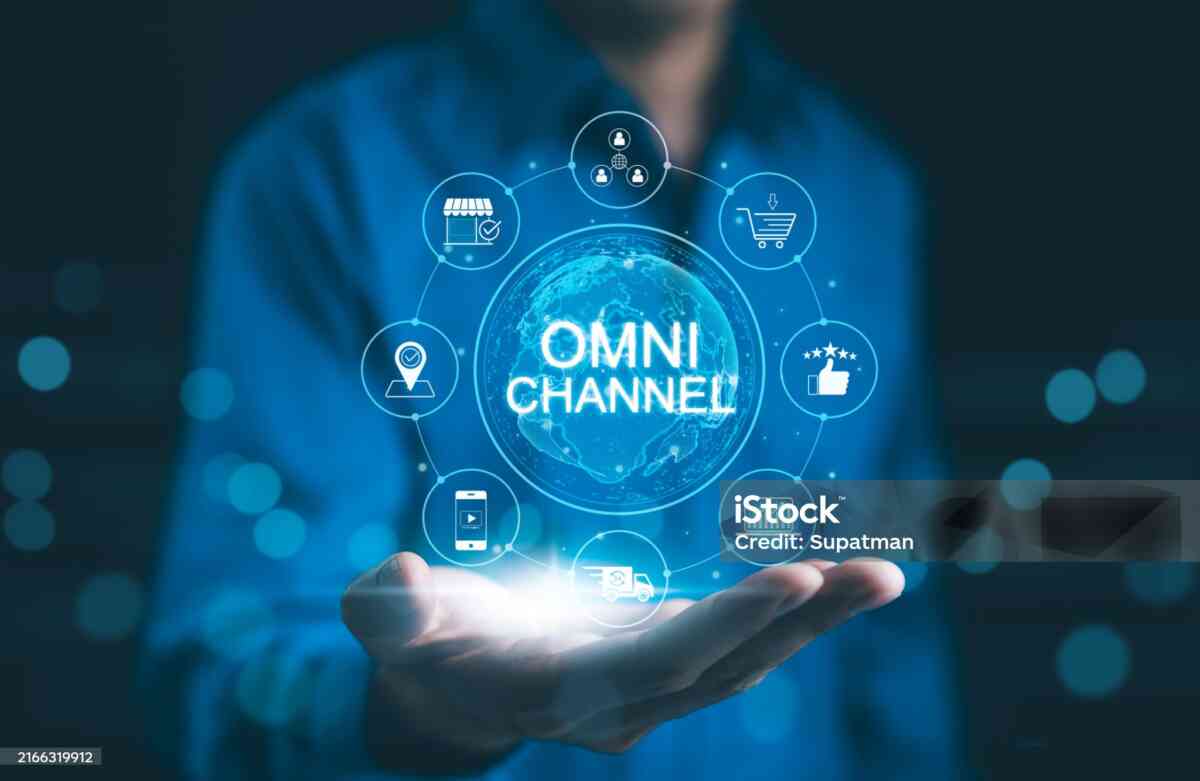
Headless commerce enables true omnichannel consistency. Product data, pricing rules, promotions, and customer profiles remain centralized while experiences adapt to each channel.
For Australian ecommerce brands, this consistency builds trust and improves conversion across the entire customer journey.
Performance: Speed as a Revenue Multiplier
Page speed is one of the strongest drivers of ecommerce performance.
Headless commerce allows:
- Faster frontend frameworks
- Optimized content delivery
- Reduced technical debt
- Improved Core Web Vitals
In 2026, even small performance gains translate into meaningful improvements in:
- Conversion rate
- Bounce rate
- SEO rankings
- Ad efficiency
For high-CPC traffic, speed directly impacts ROI.
Personalization at Scale
Headless architecture is ideal for AI-driven personalization.
Because the frontend is flexible, personalization engines can dynamically alter:
- Layouts
- Content blocks
- Product rankings
- Offers and pricing
Australian brands leverage headless setups to deliver unique experiences per user without slowing down development cycles.
Developer Velocity and Innovation
One of the biggest advantages of headless commerce is developer freedom.
Teams can:
- Use modern frameworks
- Deploy updates independently
- Experiment without risk
- Integrate new tools quickly
This agility enables faster experimentation with new channels, features, and monetization models.
Headless Commerce and SaaS Monetization
Headless commerce intersects strongly with high-CPC SaaS categories:
- Ecommerce platforms
- Payment solutions
- Personalization engines
- Analytics and data tools
- Marketing automation
Publishers covering headless commerce attract premium advertisers targeting enterprise buyers and decision-makers.
The Australian Ecommerce Perspective
Australian ecommerce brands face unique challenges:
- Large geography
- High logistics costs
- Global competition
- Mobile-first audiences
Headless commerce helps overcome these challenges by enabling localized experiences, optimized performance, and flexible fulfillment integrations.
Integration with Social and Marketplace Commerce
Headless platforms integrate seamlessly with:
- Social commerce APIs
- Marketplace listings
- Live shopping tools
- Influencer storefronts
This integration ensures consistent data while allowing channel-specific creativity.
Security, Stability, and Risk Reduction
Decoupling frontend and backend reduces risk:
- Isolated failures
- Safer updates
- Improved security controls
In 2026, this resilience is critical for maintaining uptime and customer trust.
Cost Efficiency and Long-Term ROI
While headless commerce requires upfront investment, long-term benefits include:
- Lower maintenance costs
- Faster time-to-market
- Reduced platform lock-in
- Better scalability
Australian brands increasingly view headless architecture as a long-term growth investment rather than a technical expense.
Common Challenges and How Brands Overcome Them
Challenges include:
- Initial complexity
- Talent requirements
- Integration planning
Successful brands address these through phased adoption and strong architecture planning.
The Future of Headless Commerce Beyond 2026
Looking ahead, headless commerce will enable:
- AI-native storefronts
- Voice and AR-driven interfaces
- Autonomous shopping agents
- Fully composable business stacks
Headless is not a trend—it is the foundation of future commerce.
Conclusion: Architecture as a Competitive Advantage
In 2026, ecommerce growth is limited not by ideas, but by architecture.
Headless commerce empowers Australian brands to scale omnichannel experiences, personalize at speed, and compete globally.
For ecommerce businesses targeting high-value audiences and advertisers, headless architecture is the engine that fuels sustainable growth.

