
lindsay rose
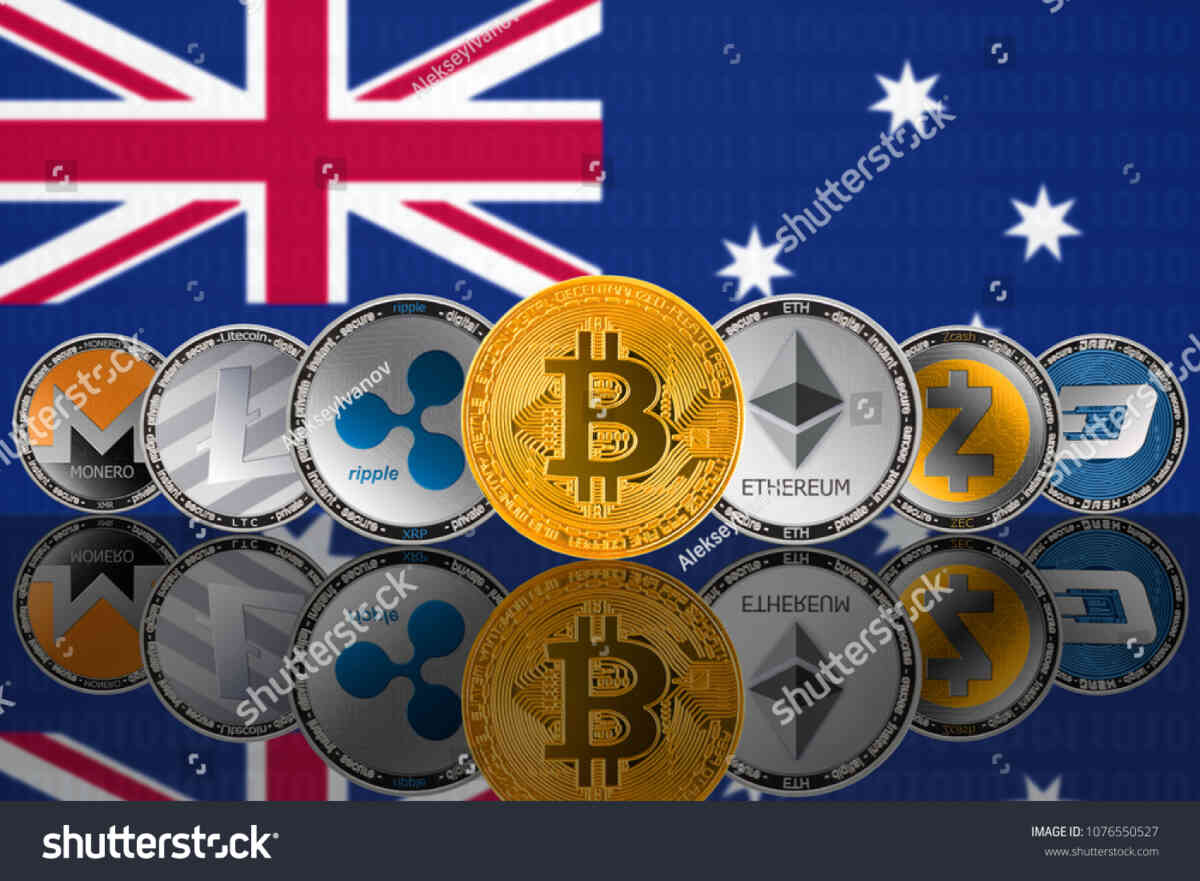
Introduction: The Future of Digital Assets in Australia
Cryptocurrency has evolved far beyond the hype of Bitcoin, and Australia is at the forefront of embracing digital assets in 2026. From retail investors to institutional adoption, the landscape is rapidly shifting. Regulatory frameworks, decentralized finance (DeFi), and emerging blockchain technologies are redefining how Australians invest, transact, and store wealth.
This article explores the opportunities and risks in the Australian crypto market, identifies promising digital assets beyond Bitcoin, and provides strategies for investors seeking high returns in a complex, yet lucrative environment.
1. Cryptocurrency Adoption Trends in Australia
1.1 Retail Investor Engagement
Australian retail investors have steadily increased crypto participation over the past decade. Platforms like CoinSpot, Independent Reserve, and Swyftx are making crypto more accessible. Predictions for 2026 suggest widespread adoption of digital assets, with retail portfolios increasingly including Ethereum, Cardano, Solana, and other altcoins alongside Bitcoin.
1.2 Institutional Adoption
Major Australian banks and investment firms are entering the crypto space:
Custodial services for digital assets
Crypto ETFs and managed funds
AI-driven crypto trading strategies
1.3 Payment Integration
Cryptocurrency is increasingly used in real-world transactions:
Retailers accepting stablecoins for goods and services
Integration with mobile wallets and contactless payments
Cross-border remittances using blockchain reducing fees
2. Beyond Bitcoin: Promising Altcoins for 2026
2.1 Ethereum (ETH)
Ethereum remains a dominant platform due to smart contracts and decentralized apps (dApps). Its upgrade to Ethereum 2.0 enhances scalability, reducing transaction fees and environmental impact, appealing to AU investors focused on sustainable crypto.
2.2 Cardano (ADA)
Known for its energy-efficient proof-of-stake consensus, Cardano is gaining traction in smart contract deployment and DeFi applications. Australian investors are increasingly adding ADA to long-term portfolios.
2.3 Solana (SOL) & Polygon (MATIC)
High-speed, low-cost blockchain networks like Solana and Polygon are facilitating mass adoption in gaming, NFTs, and microtransactions. These are expected to be among the fastest-growing digital assets in 2026.
2.4 Stablecoins & CBDCs
Stablecoins like USDC and DAI are bridging crypto and fiat usage.
Australia is exploring a digital Australian Dollar (CBDC), which will impact liquidity and market structure.
3. DeFi: Decentralized Finance in Australia
3.1 Lending & Borrowing Platforms
DeFi platforms such as Aave and Compound allow Australians to earn interest, borrow, or lend crypto without intermediaries. This market is expected to grow exponentially in 2026.
3.2 Yield Farming & Staking
Crypto holders can generate passive income through staking and yield farming, offering returns often higher than traditional investments. Risk management remains critical, as volatility is significant.
3.3 Risks and Regulation
DeFi operates in a relatively unregulated space, but AU regulators are actively exploring licensing frameworks, anti-money laundering (AML) rules, and consumer protection measures.
4. NFTs & Digital Collectibles in Australia
4.1 Market Overview
Non-fungible tokens (NFTs) are expanding beyond art and gaming into real estate, music, and intellectual property. Australian NFT platforms are emerging as hubs for artists and investors alike.
4.2 Investment Strategies
Focus on NFTs with utility (e.g., gaming, metaverse access)
Evaluate platform credibility and blockchain security
Diversify across digital art, collectibles, and tokenized assets
5. Blockchain Technology Adoption in Australian Finance
5.1 Enterprise Blockchain Solutions
Australian banks, logistics companies, and government agencies are implementing blockchain for transparency, efficiency, and fraud prevention.
5.2 Smart Contracts in Legal & Real Estate Sectors
Smart contracts are reducing paperwork and automating complex transactions, especially in real estate, insurance, and corporate agreements.
5.3 Tokenization of Assets
Stocks, bonds, real estate, and commodities can now be tokenized
Increases liquidity and fractional ownership opportunities for AU investors
6. Cryptocurrency Regulation & Taxation in Australia
6.1 Regulatory Framework
Australian Securities & Investments Commission (ASIC) provides guidance for crypto exchanges and financial products
Anti-money laundering (AML) and know-your-customer (KYC) rules are enforced
DeFi regulation expected to formalize in 2026
6.2 Tax Implications
Capital gains tax applies to crypto trades and NFT sales
Staking rewards and DeFi income are taxable
Investors need to maintain precise transaction records for compliance
7. Security & Risk Management
7.1 Wallet Security
Hardware wallets for long-term storage
Multi-signature wallets for corporate or group investments
7.2 Exchange Risk
Use regulated exchanges like CoinSpot, Independent Reserve, or Binance Australia
Diversify holdings across multiple platforms to reduce counterparty risk
7.3 Market Volatility
Crypto markets are highly volatile; proper risk management and portfolio diversification are essential
Combine crypto with traditional investments for balanced risk
8. Predictions for Cryptocurrency in Australia 2026
Market Growth: Australian crypto adoption expected to reach over 15% of households
Institutional Funds: Major banks and asset managers launching crypto ETFs and structured products
Stablecoins & CBDC: Digital AUD implementation to accelerate adoption in payments and lending
Altcoins: ETH, ADA, SOL, and MATIC expected to outperform Bitcoin in growth potential
DeFi Expansion: Widespread DeFi lending, staking, and yield farming adoption
9. Strategies for Australian Crypto Investors
Diversify between Bitcoin, altcoins, stablecoins, and NFTs
Allocate a portion of the portfolio to DeFi staking for passive income
Use AI and analytics tools to monitor market trends
Keep up with regulatory updates to avoid penalties
Combine crypto with traditional investments for portfolio stability
10. Conclusion
Australia’s cryptocurrency and digital asset market in 2026 promises immense opportunities beyond Bitcoin. With careful planning, diversified investment strategies, and adherence to evolving regulations, investors can participate in this rapidly growing financial ecosystem. From DeFi to NFTs, blockchain applications to institutional adoption, the Australian market is poised for exponential growth—rewarding both retail and professional investors who are prepared to navigate its complexities.

