lindsay rose
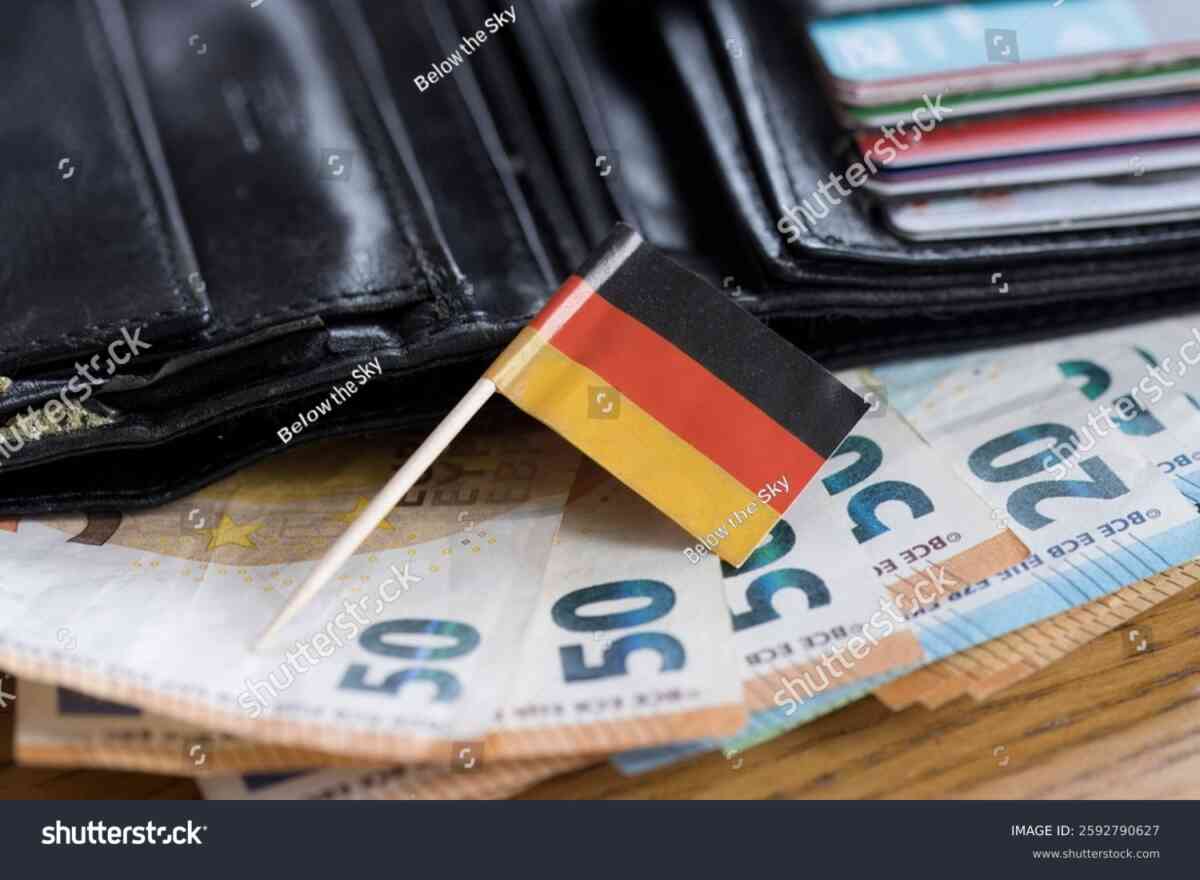
Introduction: Why Personal Finance in Germany Is Being Rewritten in 2026
For much of the post-war period, personal finance in Germany followed a simple and disciplined formula. Germans saved diligently, avoided debt, trusted the banking system, and relied heavily on the state pension to provide security in retirement. Risk-taking was culturally discouraged, and financial conservatism was widely seen as a virtue.
That model is no longer sufficient.
By 2026, German households are navigating a fundamentally different financial environment shaped by:
-
Permanently higher living costs
-
Interest rates that meaningfully affect decisions
-
Demographic pressure on pensions and healthcare
-
Rapid digitalization of financial services
-
Global investment exposure becoming unavoidable
Personal finance is no longer passive. It is no longer something that “just works” if you are careful and patient. In 2026, money must be actively managed, strategically allocated, and continuously reassessed.
This article explores how Germans will save, spend, invest, borrow, insure, and plan differently in 2026—and what separates households that thrive from those that slowly fall behind.
1. The New Financial Reality for German Households
From Stability to Uncertainty
Germany remains one of Europe’s strongest economies, but household-level stability has weakened. Inflation may be lower than its peak, yet prices have permanently reset higher, particularly in housing, energy, food, and healthcare.
At the same time:
-
Wage growth is uneven
-
Job security is less absolute
-
Career paths are less linear
-
Pension promises are increasingly questioned
As a result, German households are moving from rule-based finance to decision-based finance.
The End of Financial Autopilot
In the past, many Germans relied on:
-
Savings accounts
-
Life insurance products
-
Employer stability
-
Public pensions
In 2026, these alone are insufficient. Households must now:
-
Understand opportunity costs
-
Evaluate risk and return
-
Actively allocate capital
Financial literacy is no longer optional—it is essential.
2. Saving Money in Germany 2026: From Hoarding to Strategy
Why Traditional Saving No Longer Works
Germany has long been known for its high savings rate. However, holding large amounts of cash in low-yield accounts is increasingly damaging in real terms.
Problems with traditional saving:
-
Inflation erodes purchasing power
-
Opportunity cost is significant
-
Cash-heavy households underperform financially
In 2026, saving is no longer about “not losing money.”
It is about positioning money intelligently.
The Rise of Purpose-Based Saving
German households increasingly organize savings into distinct buckets:
1. Emergency Liquidity
-
3–6 months of essential expenses
-
High-access accounts
-
Absolute safety prioritized
2. Medium-Term Goals
-
Home purchases
-
Education funding
-
Major life transitions
-
Mix of bonds, ETFs, and low-volatility products
3. Long-Term Wealth
-
Equity-heavy portfolios
-
Pension wrappers
-
Real assets
This structured approach replaces the old “one savings account for everything” mindset.
3. Spending Behavior in Germany 2026: Conscious, Selective, Intentional
The Shift from Consumption to Value
German consumers in 2026 are not necessarily spending less—but they are spending more intentionally.
Key changes include:
-
Less impulse buying
-
Reduced brand loyalty
-
Higher sensitivity to quality and durability
Households cut spending on:
-
Fast fashion
-
Low-quality electronics
-
Status-driven purchases
And increase spending on:
-
Health and wellness
-
Education and skills
-
Digital tools
-
Travel and experiences
Subscription Fatigue and Expense Audits
After years of accumulating subscriptions, Germans now:
-
Cancel unused services
-
Consolidate platforms
-
Use budgeting apps to track recurring costs
This creates strong demand for:
-
Expense-tracking tools
-
Subscription management apps
-
Personal finance dashboards
4. Debt and Credit in Germany 2026: A More Nuanced View
The Reframing of Debt
Germany remains cautious about debt, but attitudes are becoming more pragmatic.
Productive Debt
-
Education and training
-
Energy-efficient housing upgrades
-
Business creation
Unproductive Debt
-
Consumer loans
-
High-interest credit
-
BNPL misuse
With higher interest rates, the cost of mistakes rises quickly.
Data-Driven Credit Decisions
By 2026:
-
Credit assessments rely on real-time data
-
Open banking improves transparency
-
Affordability checks are stricter
Responsible borrowers benefit from better pricing.
Risky behavior is punished faster than ever.
5. Investing in Germany 2026: From Fear to Participation
The Cultural Shift Toward Investing
Historically, many Germans avoided investing in capital markets. That mindset is changing rapidly.
Drivers include:
-
Pension insecurity
-
ETF accessibility
-
Financial education via digital platforms
-
Visible long-term underperformance of cash
By 2026, participation in markets is mainstream, not niche.
ETFs as the Default Investment Tool
Exchange-traded funds dominate retail investing because they offer:
-
Low fees
-
Transparency
-
Diversification
-
Simplicity
ETFs are used for:
-
Long-term wealth building
-
Retirement investing
-
Children’s savings plans
Active investing becomes optional—not necessary.
6. Stocks vs ETFs: How Germans Decide in 2026
The Rise of the Hybrid Investor
Many German investors combine:
-
ETF core portfolios
-
Select individual stocks
-
Dividend strategies
Stock picking is more informed and less speculative.
Decline of Hype-Driven Trading
The experience of volatile markets has reduced:
-
Meme-stock behavior
-
Overtrading
-
Leverage abuse
Long-term discipline replaces excitement.
7. Real Estate in Personal Financial Planning
Homeownership Reconsidered
In 2026, buying a home is no longer seen as automatically superior to renting.
Households now evaluate:
-
Total cost of ownership
-
Interest rate risk
-
Opportunity cost of tied-up equity
-
Lifestyle flexibility
Renting is widely accepted as a valid long-term strategy.
Property as Part of a Portfolio, Not the Portfolio
German households increasingly treat real estate as:
-
One asset class among many
-
A cash-flow and lifestyle decision
-
Not a guaranteed wealth engine
Diversification beyond property increases.
8. Retirement Planning in Germany 2026: From Trust to Preparation
Declining Confidence in the State Pension
Most Germans now expect:
-
Lower replacement rates
-
Later retirement ages
-
Increased personal responsibility
As a result, retirement planning begins earlier and becomes more aggressive.
The Rise of DIY Retirement Investing
Insurance-based retirement products lose popularity due to:
-
High fees
-
Complexity
-
Lack of transparency
Self-directed ETF-based retirement strategies dominate among younger generations.
9. Insurance Optimization in 2026
From Overinsurance to Smart Coverage
Germany remains heavily insured, but households now:
-
Cancel redundant policies
-
Use digital comparison tools
-
Focus on high-impact risks
Priority insurance types include:
-
Liability insurance
-
Health insurance
-
Income protection
Insurance becomes a risk tool, not a comfort blanket.
10. Digital Tools Transform Personal Finance
Financial Super-Apps Become Normal
By 2026, many Germans manage finances through:
-
Aggregation dashboards
-
Budgeting and analytics apps
-
Automated investing platforms
Manual tracking becomes rare.
AI as a Financial Assistant
AI-powered tools help households:
-
Optimize budgets
-
Adjust portfolios
-
Identify risks early
-
Improve tax efficiency
Personal finance becomes proactive rather than reactive.
11. Taxes and Personal Finance Behavior
Tax Awareness Increases Sharply
Households become more aware of:
-
Capital gains allowances
-
Investment taxation
-
Tax-loss harvesting
-
Pension tax treatment
Tax efficiency becomes part of everyday decision-making.
12. Generational Differences in Financial Behavior
Gen Z and Millennials
-
ETF-first mindset
-
Digital-native tools
-
Flexible careers
-
Low trust in pensions
Gen X
-
Peak earning years
-
Sandwich generation pressures
-
Focus on stability and protection
Boomers
-
Capital preservation
-
Income generation
-
Estate planning
Personal finance strategies diverge sharply by age.
13. Financial Education: A Competitive Advantage
Formal education remains limited, but:
-
Online courses grow
-
Finance creators gain influence
-
Self-education becomes mainstream
Knowledge compounds financially.
14. Common Personal Finance Mistakes Germans Avoid in 2026
-
Holding excessive cash
-
Ignoring fees
-
Over-insuring
-
Emotional investing
-
Delaying retirement planning
Experience replaces fear-based decisions.
15. Winning Personal Finance Playbooks for 2026
Conservative Household
-
Strong emergency fund
-
ETF-based core portfolio
-
Minimal leverage
Growth-Oriented Household
-
High equity exposure
-
Global diversification
-
Long time horizon
Late Starter
-
High savings rate
-
Simplified investment strategy
-
Clear retirement target
There is no universal solution—only aligned strategies.
16. Psychological Shifts: Money Without Shame
Talking about money becomes:
-
Less taboo
-
More transparent
-
More analytical
Germany’s financial culture matures significantly.
17. Risks Facing Households in 2026
Key risks include:
-
Job displacement through automation
-
Health-related costs
-
Market volatility
-
Policy and tax changes
Prepared households absorb shocks. Unprepared ones struggle quietly.
18. Final Verdict: A More Engaged, Financially Literate Germany
Personal finance in Germany in 2026 is:
-
More demanding
-
More complex
-
More empowering
Those who adapt:
-
Build real wealth
-
Gain flexibility
-
Reduce long-term anxiety
Those who do not:
-
Fall behind slowly but steadily
Money in 2026 is no longer something Germans simply save.
It is something they manage deliberately.

