Jessy obrien
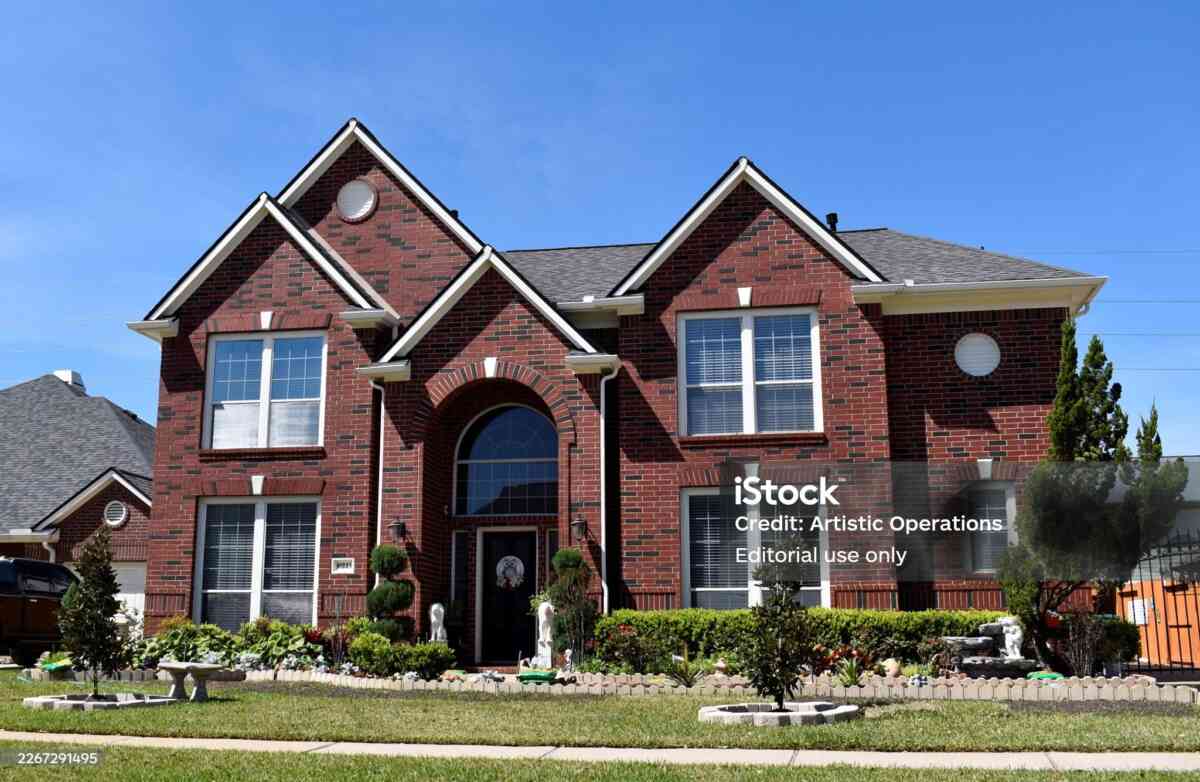
Luxury real estate has long been one of the most reliable and prestigious asset classes for building long-term wealth. For high-net-worth individuals, luxury properties are not only lifestyle assets but also powerful financial instruments capable of generating consistent passive income while appreciating in value.

In 2026, luxury real estate investing has evolved significantly due to global mobility, digital nomads, the rise of short-term rental platforms, and increasing demand for premium living spaces. Wealthy investors are strategically purchasing luxury properties in prime locations and converting them into high-yield income-generating assets.
Unlike traditional real estate investments, luxury real estate offers unique advantages such as higher rental rates, elite clientele, global demand, and long-term capital appreciation. When managed correctly, luxury properties can produce significant passive income streams while preserving wealth.
This comprehensive guide explores the best luxury real estate investments that generate passive income and how sophisticated investors structure their portfolios for maximum profitability.
Understanding Luxury Real Estate as an Investment
Luxury real estate typically refers to high-end residential or commercial properties located in premium locations with superior amenities, architecture, and exclusivity.
Characteristics of luxury properties include:
- Prime locations
- Unique architectural design
- High-end finishes and materials
- Exclusive amenities
- Strong demand among affluent buyers or renters
These properties are often located in global wealth hubs, coastal resorts, financial centers, or prestigious neighborhoods.
Luxury real estate is attractive because it combines three major financial benefits:
- Passive rental income
- Long-term property appreciation
- Portfolio diversification
For wealthy investors, luxury property acts as both a lifestyle asset and an income-producing investment.
Why Luxury Real Estate Produces Strong Passive Income
Luxury real estate can generate strong passive income due to several factors.
Higher Rental Yields
Luxury properties command significantly higher rental prices compared to average homes. Affluent tenants are willing to pay premium prices for privacy, comfort, and prestige.
Examples of high-paying tenants include:
- Corporate executives
- Foreign diplomats
- Professional athletes
- Celebrities
- International entrepreneurs
These tenants often sign long-term leases and are willing to pay premium rents for luxury accommodations.
Global Demand
Luxury real estate markets attract international buyers and renters. Wealthy individuals often own multiple homes in different countries and rent luxury properties during travel or relocation.
Inflation Protection
Real estate typically appreciates over time and rental prices tend to rise with inflation, protecting investor purchasing power.
Tax Advantages
Luxury real estate offers numerous tax benefits including:
- Depreciation deductions
- Mortgage interest deductions
- Property tax deductions
- Capital gains tax advantages
These benefits increase the overall profitability of luxury property investments.
1. Luxury Vacation Rentals
Luxury vacation rentals are among the most profitable forms of passive real estate income.
With the rise of global tourism and premium travel experiences, affluent travelers increasingly prefer private villas or luxury apartments instead of hotels.
Why Luxury Vacation Rentals Are Profitable
Affluent travelers prioritize privacy, exclusivity, and space. A luxury villa with a private pool and ocean view can generate thousands of dollars per night.
Popular luxury vacation rental destinations include:
- Coastal resort towns
- Island destinations
- Ski resorts
- Historic cities
- Tropical retreats
Luxury vacation homes in these locations can achieve very high occupancy rates.
Income Potential
High-end vacation properties can generate income through:
- Nightly bookings
- Weekly luxury rentals
- Seasonal bookings
- Event rentals
A single luxury villa in a prime location can generate six-figure annual rental income.
2. Luxury Short-Term Rental Properties
Short-term rental platforms have transformed the luxury property market.
Instead of renting properties long-term, investors can earn significantly more by offering short-term stays.
Luxury travelers often pay premium prices for unique experiences.
Examples include:
- Designer penthouses
- Beachfront villas
- Modern architectural homes
- Luxury loft apartments
Advantages of Short-Term Luxury Rentals
- Higher nightly rates
- Flexible property use
- Global clientele
- Event bookings
However, these properties require professional management to maintain quality standards and guest satisfaction.
3. Luxury Apartment Buildings
Another powerful passive income strategy is investing in luxury apartment complexes.
Rather than owning a single property, wealthy investors often own entire luxury residential buildings.
Advantages include:
- Multiple rental income streams
- Risk diversification across tenants
- Higher total cash flow
- Professional management opportunities
Luxury apartment buildings in major metropolitan areas attract high-income tenants who seek convenience, security, and modern amenities.
Typical luxury building amenities include:
- Concierge services
- Fitness centers
- Rooftop lounges
- Private parking
- Smart home systems
These amenities justify premium rental prices.
4. Luxury Branded Residences
Branded residences are one of the fastest-growing luxury real estate sectors.
These properties are developed in partnership with global luxury brands.
Examples include residences affiliated with:
- Luxury hotels
- Designer brands
- Global hospitality groups
Owners benefit from:
- Premium brand prestige
- Professional property management
- Global marketing exposure
- High rental demand
Branded residences often attract wealthy buyers who want both lifestyle benefits and investment potential.
5. Luxury Beachfront Properties
Beachfront real estate has historically delivered exceptional investment returns.
Oceanfront properties are limited in supply but always in demand.
Luxury beachfront homes generate passive income through:
- Vacation rentals
- Seasonal rentals
- Corporate retreats
- Luxury event hosting
Properties with features such as private beaches, infinity pools, and panoramic ocean views can command extremely high rental prices.
Due to limited land availability near coastlines, beachfront properties often experience strong long-term appreciation.
6. Luxury Ski Chalets
Winter tourism continues to generate massive demand for luxury ski properties.
Affluent travelers frequently rent private chalets for family vacations and corporate retreats.
Luxury ski chalets often include:
- Private spas
- Heated pools
- Ski-in/ski-out access
- Personal chefs
- Concierge services
Rental prices during peak ski season can reach extremely high levels.
These properties generate strong income during winter months and can also be rented during summer tourism seasons.
7. Luxury Urban Penthouses
Urban penthouses located in financial capitals are highly desirable assets.
Cities with strong luxury rental markets include major global financial hubs where executives, diplomats, and entrepreneurs need premium housing.
Luxury penthouses attract renters seeking:
- Exclusive city views
- Private rooftop terraces
- High security
- Prime location access
Because penthouses are rare and prestigious, they often command some of the highest rental prices in a city.
8. Luxury Student Housing
Elite universities often attract wealthy international students who prefer high-end accommodations.
Luxury student housing includes premium apartments designed for affluent students.
Amenities may include:
- Fully furnished interiors
- Concierge services
- Study lounges
- Private gyms
- Security systems
Parents of wealthy students are often willing to pay premium rents for safety, comfort, and convenience.
9. Luxury Senior Living Communities
Senior living is a rapidly expanding sector in luxury real estate.
Wealthy retirees are increasingly choosing high-end retirement communities offering resort-style living.
Luxury senior residences often include:
- Medical services
- Wellness centers
- Luxury dining
- Social clubs
- Personal care services
These communities generate stable long-term rental income while addressing the needs of an aging population.
10. Luxury Mixed-Use Developments
Mixed-use luxury developments combine residential, retail, hospitality, and entertainment spaces.
Investors in mixed-use developments benefit from multiple income streams:
- Residential rent
- Retail leases
- Office leases
- Hospitality revenue
These developments are often located in major metropolitan areas and attract strong demand.
Risk Management in Luxury Real Estate Investing
Despite its advantages, luxury real estate investing also carries risks.
Investors must consider:
- Market cycles
- Interest rate changes
- Property maintenance costs
- Regulatory changes
- Tourism demand fluctuations
Proper research and professional management are essential for maintaining profitability.
How Wealthy Investors Structure Luxury Real Estate Portfolios
Sophisticated investors rarely rely on a single property.
Instead, they build diversified real estate portfolios that may include:
- Vacation properties
- Urban luxury apartments
- Commercial real estate
- Hospitality properties
- International real estate
Diversification reduces risk and ensures stable income streams.
The Future of Luxury Real Estate Investing
Several global trends are shaping the future of luxury real estate.
These include:
Remote Work and Global Mobility
High-income professionals can now work remotely, increasing demand for luxury homes in desirable locations.
Sustainable Luxury
Eco-friendly luxury properties are becoming more popular among wealthy buyers.
Smart Homes
Technology-enabled luxury homes are becoming standard in the high-end property market.
International Property Investment
Global investors continue to purchase luxury properties in stable economic regions.
Conclusion
Luxury real estate remains one of the most powerful ways to generate passive income while preserving wealth.
From vacation villas to urban penthouses and branded residences, luxury properties provide multiple income streams combined with long-term appreciation.
Wealthy investors understand that real estate is not just about owning property—it is about owning strategically located, high-demand assets that generate consistent cash flow.
When combined with professional management, strong market research, and diversification, luxury real estate can become a cornerstone of financial independence and generational wealth.
For investors seeking both lifestyle and financial benefits, luxury real estate remains one of the smartest passive income investments available in the modern economy.

