Introduction
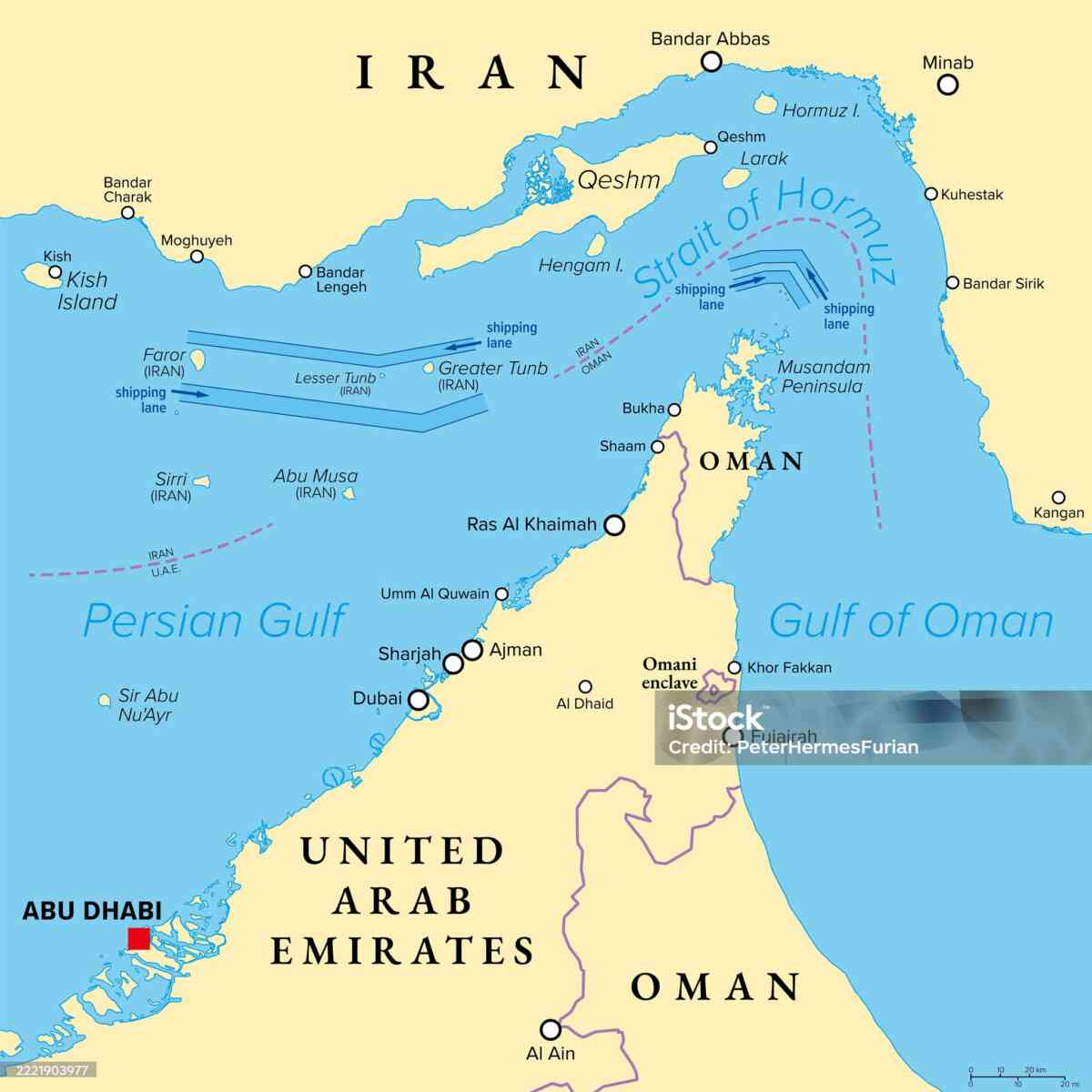
The global economy depends heavily on the steady flow of energy resources. Oil and natural gas power industries, transportation systems, and electricity generation across the world. One of the most critical routes that ensures this energy supply is the Strait of Hormuz, a narrow waterway connecting the Persian Gulf with the Gulf of Oman.
Despite its modest size, this strategic corridor handles an enormous portion of global energy shipments. Roughly 20 million barrels of oil per day—about 20% of global oil supply—normally transit this route, making it the most important oil chokepoint in the world.
Because so much of the world’s energy supply flows through this narrow passage, any disruption—whether caused by war, political conflict, terrorism, or naval blockade—can trigger a global crisis. When the Strait of Hormuz is threatened or closed, the consequences ripple across international markets, geopolitics, and supply chains.
This article explores what would happen if the Strait of Hormuz were closed, examining the economic, political, and strategic consequences for the global energy system.
The Strategic Role of the Strait of Hormuz
The Strait of Hormuz lies between Iran to the north and Oman to the south. It serves as the primary exit route for oil exports from the Persian Gulf.
Major oil-producing countries that rely on this route include:
- Saudi Arabia
- Iraq
- Kuwait
- United Arab Emirates
- Qatar
These nations collectively account for a large share of global oil production.
In addition to crude oil, the strait also carries large volumes of liquefied natural gas (LNG), particularly exports from Qatar. Approximately 22% of global LNG trade passes through this narrow passage, making it essential not only for oil but also for global natural gas markets.
The closure of the Strait of Hormuz would therefore disrupt both oil and gas supply chains simultaneously.
Immediate Consequences of Closure
If the Strait of Hormuz were suddenly closed, the effects would be immediate and severe.
1. Global Oil Supply Shock
The most immediate impact would be a sudden reduction in global oil supply.
Since around 20% of the world’s petroleum supply normally flows through the strait, closing it would remove a massive portion of global oil from international markets almost overnight.
Oil tankers would be unable to leave the Persian Gulf, causing shipments to halt and storage facilities to fill quickly.
Producers might even be forced to reduce production simply because they could not transport oil to buyers.
2. Surge in Oil Prices
Energy markets react rapidly to supply disruptions.
If the strait were closed, oil prices would likely spike dramatically. Historical market models suggest prices could easily surge above $100 per barrel, depending on the duration of the disruption.
Recent geopolitical tensions in the region have already shown how sensitive markets are to this chokepoint. In some scenarios, oil prices jumped sharply when shipping through the strait was interrupted.
Higher oil prices would affect nearly every sector of the global economy.
3. Global Inflation
Energy costs influence almost every aspect of modern life.
If oil prices surged, the cost of transportation, manufacturing, and electricity would also increase. This would lead to higher prices for goods and services worldwide.
Products likely to become more expensive include:
- Gasoline and diesel fuel
- Airline tickets
- Food and agricultural products
- Consumer goods
- Industrial materials
A prolonged closure could trigger a global inflation shock.
Impact on Global Energy Markets
LNG Supply Crisis
The closure of the Strait of Hormuz would not only affect oil but also natural gas markets.
Qatar, one of the world’s largest LNG exporters, ships most of its natural gas through this route. If shipments stopped, global LNG supply could fall dramatically.
Countries dependent on LNG imports—especially in Asia and Europe—would face severe energy shortages.
Electricity and Power Generation
Many countries rely on natural gas to generate electricity.
If LNG shipments declined, power generation could be affected in several regions. Electricity prices might increase significantly, especially during periods of high demand.
Impact on Major Energy Importers
Several major economies depend heavily on oil transported through the Strait of Hormuz.
These include:
- China
- India
- Japan
- South Korea
Together, these Asian economies receive a large portion of their oil from the Persian Gulf.
If the strait closed, these countries would face immediate supply shortages and higher energy costs.
In contrast, the United States imports relatively little oil directly through this route, but its economy would still be affected through higher global prices.
Disruption to Global Shipping and Supply Chains
The Strait of Hormuz is not only an oil route—it is also a major global trade corridor.
The waterway supports approximately 11% of global maritime trade, including container shipping and industrial goods.
When the strait closes, ships may be forced to:
- Delay shipments
- Divert to longer routes
- Wait outside the Persian Gulf
These disruptions can cause severe delays in global supply chains.
In recent crises, hundreds of ships have been stranded or diverted due to instability in the region.
Financial Market Turmoil
Financial markets respond quickly to geopolitical risks.
If the Strait of Hormuz closed, investors would likely react with caution and uncertainty.
Potential consequences include:
- Stock market volatility
- Increased demand for safe-haven assets such as gold
- Currency fluctuations
- Declining airline and transportation stocks
Energy companies, on the other hand, might benefit from higher oil prices.
Military and Geopolitical Escalation
Because of its importance, the Strait of Hormuz is heavily monitored by global military forces.
The United States Navy maintains a strong presence in the region through the United States Fifth Fleet, headquartered in Bahrain.
If the strait were closed, military tensions could escalate rapidly.
Possible scenarios include:
- Naval confrontations
- Mines placed in shipping lanes
- Missile strikes on tankers
- International naval escorts
Such events could potentially trigger a broader regional conflict.
Alternative Routes and Strategic Pipelines
Some Gulf countries have developed pipelines to bypass the Strait of Hormuz.
For example:
- Saudi Arabia operates the East–West Pipeline to transport oil to the Red Sea.
- The United Arab Emirates uses the Abu Dhabi Crude Oil Pipeline to export oil from the port of Fujairah outside the Persian Gulf.
However, these pipelines cannot fully replace the enormous volume of oil normally transported through the strait.
Even with these alternatives, global supply would still drop significantly.
Long-Term Economic Consequences
If the Strait of Hormuz remained closed for months rather than weeks, the long-term economic consequences could be severe.
Possible outcomes include:
Global Recession
High energy prices could slow economic growth worldwide.
Supply Chain Reconfiguration
Countries might redesign trade routes and logistics networks to reduce reliance on the Persian Gulf.
Energy Transition Acceleration
Governments might accelerate investment in renewable energy sources such as solar, wind, and nuclear power.
Strategic Energy Stockpiles
Countries may increase strategic petroleum reserves to protect themselves against future disruptions.
Lessons from Past Energy Crises
History shows that energy disruptions can have far-reaching consequences.
Events such as the 1973 Oil Crisis and the Iran–Iraq War caused dramatic spikes in oil prices and reshaped global energy policy.
A closure of the Strait of Hormuz could trigger a crisis of similar or even greater magnitude due to today’s interconnected global economy.
Could the Strait Actually Be Closed?
While the closure of the Strait of Hormuz would be extremely disruptive, completely shutting it down for long periods is difficult.
The strait is vital not only to importing countries but also to the oil-exporting states that rely on it for revenue.
Moreover, international naval forces maintain a strong presence in the region to ensure freedom of navigation.
However, even partial disruptions—such as attacks on tankers, naval confrontations, or insurance restrictions—can significantly reduce shipping traffic.
Even temporary closures can trigger global market panic.
Conclusion
The Strait of Hormuz is one of the most strategically important waterways on Earth. Through this narrow corridor flows a significant portion of the world’s oil and natural gas supply.
If the strait were closed, the consequences would extend far beyond the Middle East. Oil prices would surge, global supply chains would be disrupted, inflation would rise, and geopolitical tensions could escalate.
Although complete closure is unlikely for long periods, even the threat of disruption is enough to shake global markets.
For this reason, the Strait of Hormuz remains one of the most closely watched—and most vulnerable—energy chokepoints in the world.

