amber rose

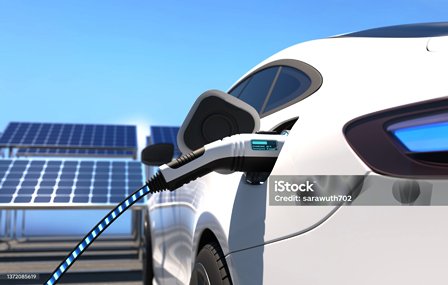
Introduction: A Transportation Revolution Is Already Here
Electric vehicles (EVs) have moved from niche innovation to mainstream adoption faster than almost any technology in modern history. What was once considered expensive, impractical, or experimental is now becoming the default choice for millions of drivers worldwide.
In 2026, the global automotive landscape is undergoing a massive transformation. Governments are pushing for cleaner energy, consumers are demanding lower operating costs, and automakers are investing billions into electric mobility.
Industry leaders like Tesla and BYD are no longer just disruptors—they are shaping the future of transportation.
But why exactly are electric cars taking over so quickly?
This in-depth guide explores:
- The real reasons behind EV growth
- The economic advantages of electric vehicles
- The technology driving innovation
- The future of global mobility
What Is an Electric Vehicle (EV)?
An electric vehicle runs on electricity instead of gasoline or diesel.
Core components include:
- Battery pack (stores energy)
- Electric motor (powers the wheels)
- Controller system (manages energy flow)
Unlike traditional cars:
✔ No internal combustion engine
✔ No exhaust emissions
✔ Fewer moving parts
Types of Electric Vehicles
1. Battery Electric Vehicles (BEVs)
- Fully electric
- No fuel required
2. Plug-in Hybrid Electric Vehicles (PHEVs)
- Combine battery + fuel
3. Hybrid Electric Vehicles (HEVs)
- Limited electric support
👉 BEVs are the fastest-growing segment.
Why Electric Cars Are Exploding in Popularity
1. Rising Fuel Prices Worldwide
Gasoline prices have become unpredictable and expensive.
Drivers are realizing:
- EV charging costs significantly less
- Long-term savings are substantial
👉 Electricity is cheaper and more stable.
2. Environmental Concerns
Climate change is a global priority.
Electric vehicles:
✔ Reduce carbon emissions
✔ Improve air quality
✔ Support sustainable energy
3. Government Policies and Incentives
Many countries offer:
- Tax credits
- Purchase subsidies
- EV-only lanes
- Free parking
👉 Governments are actively pushing EV adoption.
4. Rapid Technology Improvements
Battery technology has improved dramatically:
- Longer range
- Faster charging
- Lower costs
👉 EVs are now practical for everyday use.
Key Advantages of Electric Vehicles
✔ Lower Operating Costs
Charging an EV is cheaper than refueling a gas car.
Over time:
- Thousands saved annually
- Predictable energy costs
✔ Minimal Maintenance
EVs don’t need:
- Oil changes
- Engine repairs
- Complex transmission work
👉 Fewer parts = fewer problems
✔ Instant Acceleration
Electric motors deliver:
- Immediate torque
- Smooth driving
👉 Faster response than gas cars
✔ Quiet Driving Experience
No engine noise means:
- More comfort
- Less noise pollution
✔ Home Charging Convenience
Charge your car:
- Overnight
- At home
👉 No need for gas stations
The Economics of Electric Cars
Initial Cost vs Long-Term Savings
EVs may cost more upfront, but:
✔ Lower fuel costs
✔ Lower maintenance
✔ Government incentives
👉 Total cost of ownership is often lower.
Cost Breakdown Example
| Expense | Gas Car | EV |
|---|---|---|
| Fuel | High | Low |
| Maintenance | High | Low |
| Repairs | Frequent | Rare |
Charging Infrastructure: The Backbone of EV Growth
Types of Charging
- Level 1 (Home) – Slow
- Level 2 (Fast Home/Public)
- DC Fast Charging – Very fast
Global Expansion
Charging stations are increasing rapidly:
- Cities
- Highways
- Shopping centers
👉 Infrastructure is no longer a major barrier.
Battery Technology: The Game Changer
Modern EV Batteries
- Lithium-ion technology
- Higher energy density
- Longer lifespan
Future Innovations
- Solid-state batteries
- Faster charging
- Increased range
👉 Battery improvements will drive the next wave.
Challenges Facing Electric Vehicles
❌ Charging Time
Still slower than refueling.
❌ Initial Cost
Higher upfront price.
❌ Infrastructure Gaps
Some regions lack chargers.
❌ Battery Recycling
Environmental concerns still exist.
Global EV Market Trends
Rapid Growth
- EV sales increasing every year
- Major automakers shifting to electric
Top Markets
- China
- Europe
- United States
Major Companies Leading the EV Revolution
Tesla
- Innovation leader
- Strong brand
BYD
- Massive production
- Affordable EVs
Other key players:
- Volkswagen
- Hyundai
- Ford
Future of Electric Cars (2026–2035)
Expected developments:
✔ Cheaper batteries
✔ Faster charging
✔ Longer range
✔ Full autonomy integration
👉 EVs will dominate the market.
Are Electric Cars Worth It in 2026?
Yes—especially if you:
- Drive daily
- Want lower costs
- Care about environment
Final Thoughts
Electric vehicles are no longer optional—they are inevitable.
With advantages in:
✔ Cost
✔ Technology
✔ Sustainability
👉 EVs represent the future of transportation.

