amber rose
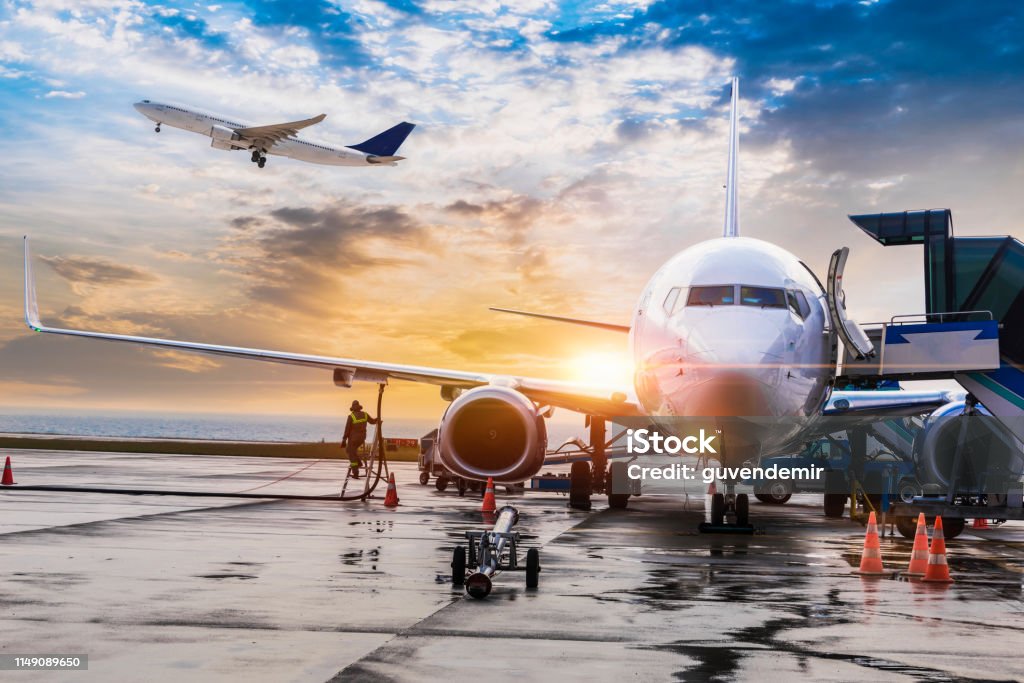
Rising oil prices have become one of the most critical challenges facing the global aviation industry. As airlines, manufacturers, and travelers navigate an increasingly volatile energy market, the cost of fuel continues to shape decisions across operations, pricing, innovation, and long-term strategy. Aviation, more than most industries, is deeply dependent on oil, making it highly sensitive to price fluctuations.
This article explores in depth how increasing oil prices affect aviation, why fuel costs matter so much, and how the industry is adapting to survive and evolve.
The Relationship Between Oil Prices and Aviation
Oil is the primary raw material used to produce aviation fuel, commonly known as Jet A-1. When crude oil prices increase, jet fuel prices follow closely behind. This direct relationship creates immediate financial pressure on airlines.
Unlike other industries, aviation has limited alternatives to fossil fuel-based energy. Aircraft require high energy density fuel, which currently only petroleum-based fuels can efficiently provide at scale. This dependency makes oil price volatility a constant concern.
Fuel costs typically represent between 20% and 40% of an airline’s total operating expenses. In times of rising oil prices, this percentage can increase even further, reducing profitability.
Key Causes of Rising Oil Prices
Several global factors contribute to increasing oil prices:
Geopolitical conflicts in oil-producing regions
Supply restrictions from major oil exporters
Increasing global demand for energy
Economic recovery after global downturns
Currency fluctuations, especially the strength of the US dollar
These factors often combine, creating sharp and sometimes unpredictable increases in fuel costs.
Immediate Impact on Airlines
Rising Operational Costs
The most direct effect of rising oil prices is increased operational costs. Airlines must pay significantly more to operate the same number of flights. Since fuel consumption is unavoidable, this cost increase cannot be easily reduced.
Airlines with older aircraft are hit harder because older engines tend to be less fuel-efficient. As a result, operating costs rise faster for these carriers.
Increased Ticket Prices
To compensate for higher fuel expenses, airlines often raise ticket prices. This includes:
Base fare increases
Fuel surcharges
Reduction in promotional offers
Higher ticket prices can discourage travelers, especially in price-sensitive markets such as tourism and low-cost travel segments.
Reduced Profit Margins
As fuel costs rise, profit margins shrink. Airlines must balance between increasing ticket prices and maintaining customer demand. If prices rise too much, passenger numbers may decline.
In extreme situations, sustained high oil prices have historically led to airline bankruptcies or forced mergers.
Route Optimization and Flight Reductions
Airlines respond to high fuel costs by optimizing operations:
Eliminating less profitable routes
Reducing flight frequency
Using more fuel-efficient flight paths
While this helps reduce costs, it can also limit connectivity, especially in remote regions.
Impact on Passengers and Travel Demand
Passengers are directly affected by rising oil prices through higher travel costs. This leads to:
Reduced leisure travel
More selective business travel
Shorter trips or alternative transportation choices
The tourism industry, which heavily depends on affordable air travel, often experiences declines during periods of high fuel costs.
Impact on Aircraft Manufacturers
Aircraft manufacturers play a key role in helping airlines manage fuel costs.
Demand for Fuel-Efficient Aircraft
Airlines increasingly demand aircraft that consume less fuel. This has driven manufacturers to develop:
Lightweight composite materials
Advanced aerodynamic designs
More efficient engines
Examples include aircraft with winglets and improved engine technology that significantly reduce fuel burn.
Acceleration of Innovation
High oil prices push innovation forward. Manufacturers invest heavily in:
Hybrid propulsion systems
Electric aircraft concepts
Hydrogen-powered aviation
Although these technologies are still developing, rising fuel costs make them more economically attractive.
Impact on Air Cargo and Global Trade
Air cargo is another critical sector affected by oil price increases.
Higher fuel costs result in:
Increased shipping rates
Higher prices for goods
Slower global trade activity
Industries that rely on fast delivery, such as e-commerce and perishable goods, are particularly affected.
Environmental and Sustainability Implications
Interestingly, rising oil prices can have positive environmental effects by accelerating the adoption of sustainable practices.
Growth of Sustainable Aviation Fuel (SAF)
SAF is becoming more attractive as traditional fuel becomes more expensive. It offers:
Lower carbon emissions
Renewable energy sources
Long-term sustainability
Investment in Green Technologies
Airlines and manufacturers are investing in:
Electric aircraft
Hybrid propulsion systems
Carbon offset programs
These initiatives are essential for reducing aviation’s environmental impact.
Strategies Airlines Use to Cope with Rising Oil Prices
Airlines employ several strategies to manage fuel price increases:
Fuel hedging to lock in prices
Fleet modernization with efficient aircraft
Reducing aircraft weight to save fuel
Optimizing routes and flight operations
Implementing dynamic pricing models
These strategies help mitigate the financial impact but cannot eliminate it entirely.
Long-Term Outlook for the Aviation Industry
The aviation industry is expected to remain dependent on oil in the near future. However, several trends are shaping its evolution:
Gradual shift toward alternative fuels
Increased efficiency in aircraft design
Stronger focus on sustainability
Digital optimization of flight operations
While rising oil prices present significant challenges, they also act as a catalyst for innovation and transformation.
Conclusion
Rising oil prices have a profound impact on the aviation industry, influencing everything from ticket prices and airline profitability to global trade and environmental strategies. While the challenges are substantial, they are also driving the industry toward a more efficient and sustainable future.
Airlines, manufacturers, and governments must continue to adapt, innovate, and collaborate to ensure that aviation remains viable in an era of energy uncertainty.

