alicia rose
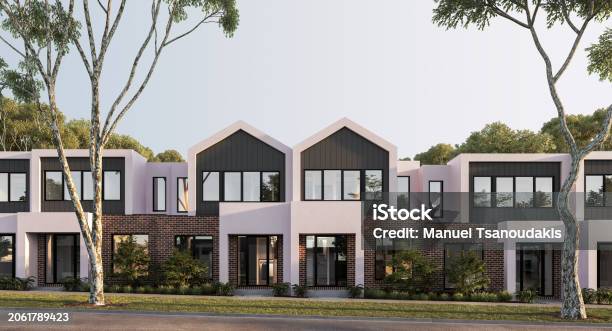
Rising fuel prices are becoming one of the biggest economic forces shaping the future of the global real estate industry. As oil markets remain volatile in 2026, property developers, investors, businesses, and consumers are adapting to a rapidly changing environment.
Fuel prices affect the property industry in multiple ways. Construction activities depend heavily on transportation, machinery operation, material manufacturing, and logistics systems powered by petroleum products. When oil becomes more expensive, the entire real estate supply chain experiences cost increases.
One major consequence is higher construction expenses. Essential materials such as cement, steel, bricks, roofing products, and plastics become more costly because manufacturing and transportation processes require significant energy consumption. Developers face shrinking profit margins and increased project risks.
Residential property buyers are experiencing the effects through higher housing prices. New homes, apartments, and residential complexes become more expensive as developers attempt to recover increased operational costs. In some regions, housing affordability is becoming a serious concern.
Fuel prices also influence where people choose to live. As transportation costs rise, many consumers prefer homes located near workplaces, schools, shopping centers, and public transportation systems. This trend is driving demand for urban mixed-use developments and transit-oriented communities.
Suburban areas located far from city centers may experience slower demand growth because long commuting distances become more expensive. At the same time, compact cities with efficient transportation infrastructure may attract stronger property investment.
Commercial real estate is undergoing transformation as businesses seek operational efficiency. Companies increasingly prefer office buildings with energy-saving technologies, modern ventilation systems, and smart building management solutions that reduce electricity and maintenance expenses.
The industrial property sector is also evolving. Warehouses and logistics centers located near ports, highways, and distribution hubs become strategically valuable because they help reduce transportation costs and fuel consumption.
Hotels and retail properties face additional operational challenges due to rising utility expenses. Air conditioning systems, generators, delivery services, and maintenance operations require substantial energy usage. Property owners may increase rental rates or service fees to offset higher costs.
Sustainability is becoming a key competitive advantage in the real estate industry. Green buildings equipped with solar panels, efficient insulation, water recycling systems, and renewable energy technologies are attracting more buyers and investors.
Many governments worldwide are promoting sustainable property development through environmental regulations and green building incentives. Developers who adapt early may benefit from stronger market demand and long-term operational savings.
Technology is also helping reshape the industry. Smart home systems, energy monitoring applications, and automated building management platforms are helping reduce electricity consumption and improve efficiency. These innovations become increasingly important during periods of high energy prices.
Real estate investors are changing their strategies by focusing on resilient assets capable of maintaining value during economic uncertainty. Energy-efficient commercial buildings and strategically located residential developments are expected to outperform traditional properties in volatile markets.
Although rising fuel prices create short-term difficulties for the property sector, they are also encouraging modernization and sustainability. The real estate industry is entering a new era where efficiency, technology, and environmental responsibility play central roles in long-term success.
The future of property development may no longer depend solely on location and design. Energy resilience, sustainability, and operational efficiency are becoming critical factors that define the next generation of successful real estate projects

