amanda nielsen
Introduction
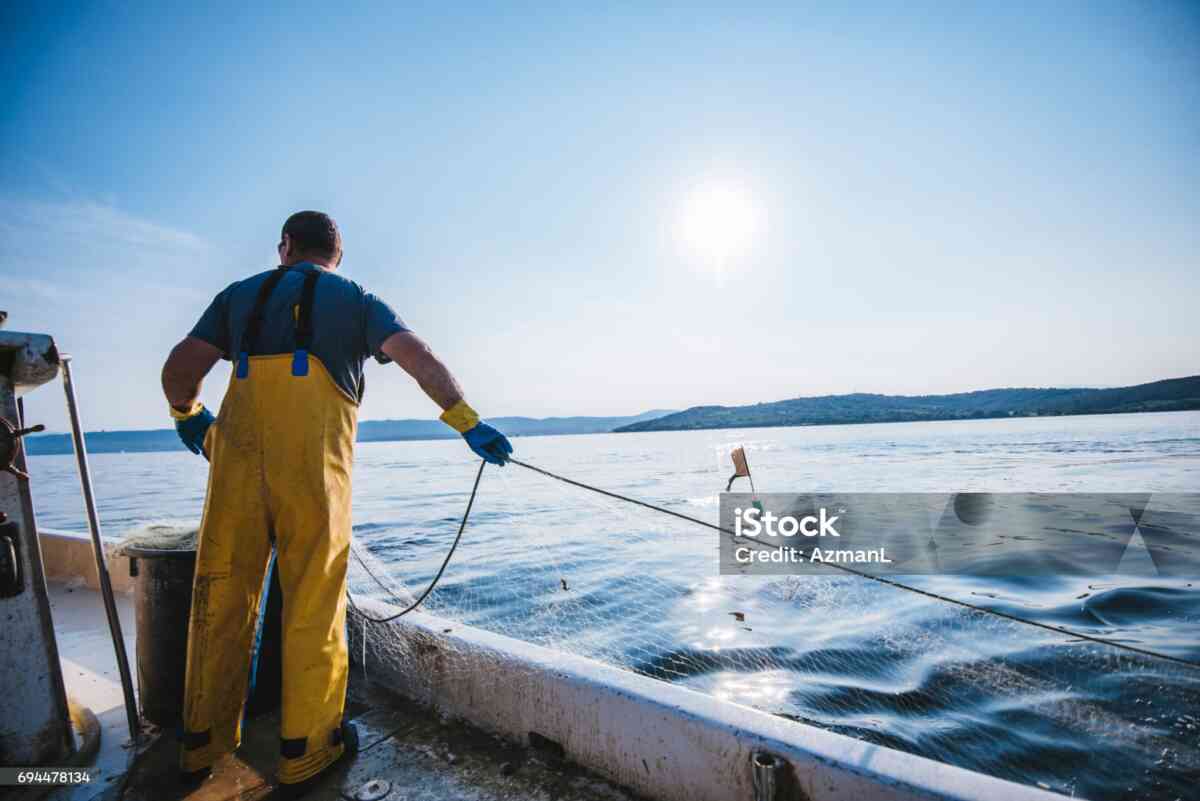
Food security is one of the greatest challenges facing humanity today. While many people focus on agriculture and climate change, another major threat is emerging quietly across the world’s oceans: rising fuel prices.
Millions of fishermen depend on diesel fuel to catch and transport seafood. As fuel prices increase, fishing becomes more expensive and less profitable. Many fishermen can no longer afford to operate their boats regularly.
The consequences are global:
- Reduced seafood production
- Higher fish prices
- Coastal unemployment
- Growing poverty
- Threats to food security
The fishing industry is now experiencing a severe economic crisis linked directly to fuel inflation.
Fishing and Global Food Security
Seafood provides critical nutrition for billions of people worldwide.
Fish contains:
- Protein
- Omega-3 fatty acids
- Vitamins
- Minerals
In many developing countries, fish is the primary affordable source of animal protein.
When fishing activity declines, food systems become vulnerable.
Reduced seafood supply can lead to:
- Nutritional shortages
- Higher food prices
- Increased hunger
- Greater dependence on imports
Fuel inflation therefore affects much more than fishermen—it impacts global public health.
Why Fuel Matters So Much
Fishing boats require constant fuel consumption.
Diesel powers:
- Marine engines
- Refrigeration units
- Ice machines
- Navigation systems
- Lighting
- Fish transport vehicles
Long-distance fishing fleets consume massive amounts of fuel during offshore trips.
When diesel prices rise sharply:
- Operating costs explode
- Profit margins collapse
- Fishing activity declines
Many fishermen simply cannot cover fuel expenses.
Small Fishing Communities at Risk
Small-scale fishermen face the greatest danger from fuel inflation.
Many operate:
- Small wooden boats
- Aging engines
- Limited equipment
- Minimal savings
They often depend on daily catches for immediate income.
Rising fuel prices force difficult decisions:
- Reduce fishing trips
- Borrow money
- Sell equipment
- Leave the industry
Entire coastal villages can fall into poverty when fishing slows.
Rising Seafood Prices and Inflation
As fishing fleets reduce activity, seafood supply decreases.
This creates:
- Seafood shortages
- Higher consumer prices
- Inflation in food markets
Restaurants, retailers, exporters, and seafood processors all face increased costs.
Consumers worldwide are already paying more for:
- Tuna
- Shrimp
- Crab
- Sardines
- Salmon
Food inflation linked to fuel prices is becoming a global economic concern.
Climate Change and the Fishing Crisis
Climate change is worsening the fuel problem.
Warmer oceans affect fish migration patterns, forcing fishermen to travel farther offshore.
This means:
- Longer trips
- Higher fuel usage
- Greater operating expenses
Extreme weather events also increase risks and uncertainty for fishermen.
Climate change and fuel inflation together create a major threat to global fisheries.
The Human Side of the Crisis
Behind every fishing boat is a family struggling to survive.
Many fishermen now face:
- Financial stress
- Debt
- Mental health challenges
- Uncertain futures
Children in fishing families may lose educational opportunities as household income declines.
Women working in fish markets and seafood processing also lose income when fishing activity falls.
The crisis affects entire communities, not just fishermen themselves.
Global Economic Effects
The fishing industry supports millions of jobs worldwide.
Related industries include:
- Seafood processing
- Transportation
- Tourism
- Hospitality
- Boat manufacturing
- Harbor services
When fisheries decline, these sectors suffer as well.
Coastal economies can experience severe recession during prolonged fuel crises.
Government Intervention
Many governments attempt to protect fishermen through:
- Fuel subsidies
- Emergency aid
- Price controls
- Tax relief
However, these policies are expensive and controversial.
Critics argue subsidies may encourage unsustainable fishing practices and delay energy transition.
Governments must balance:
- Economic protection
- Environmental sustainability
- Fiscal responsibility
New Technologies and Solutions
Innovation may help reduce fuel dependence.
Possible future solutions include:
- Electric fishing vessels
- Hybrid engines
- Solar-powered systems
- AI navigation technology
- Improved fish tracking systems
Fuel-efficient boats can significantly reduce operating expenses.
However, poor fishermen often lack access to financing for new technology.
International cooperation and investment may be necessary.
The Future of Fisheries
The future fishing industry may look very different.
Possible trends include:
- Smaller fishing fleets
- More aquaculture
- Greater automation
- Sustainable fishing regulations
- Higher seafood prices
Traditional fishing communities may continue shrinking if fuel prices remain unstable.
The challenge for the world is protecting both marine ecosystems and human livelihoods.
Conclusion
Fuel inflation is becoming one of the biggest threats to global fisheries and food security. Rising diesel prices are reducing fishing activity, increasing seafood prices, and pushing coastal communities deeper into poverty.
The crisis affects not only fishermen but also global food systems, economies, and cultural traditions.
Long-term solutions require sustainable energy policies, technological innovation, climate adaptation, and stronger support for vulnerable fishing communities.
Without meaningful action, millions of fishermen worldwide may struggle to survive in the decades ahead.

