amanda nielsen
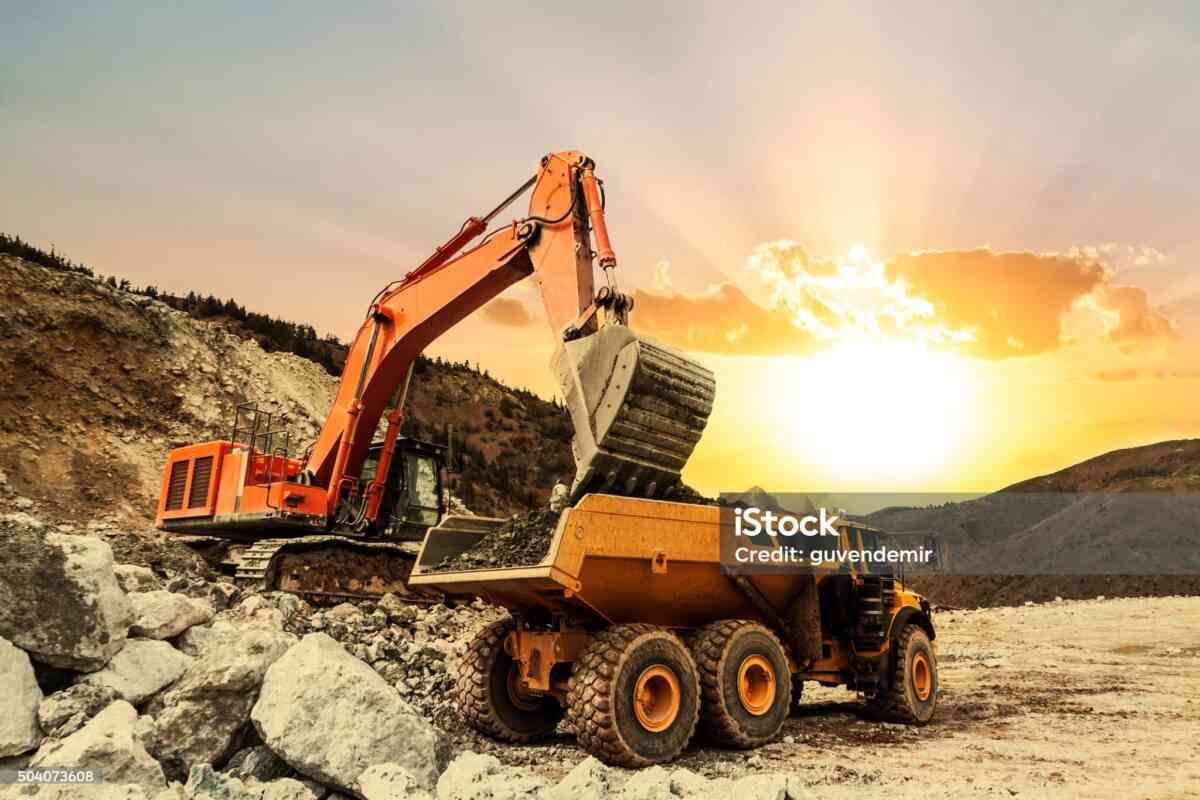
The heavy equipment industry is one of the most fuel-dependent sectors in the global economy. From construction excavators and mining trucks to agricultural machinery and industrial loaders, heavy equipment operations rely heavily on diesel fuel to function efficiently. As global fuel prices continue to rise due to geopolitical tensions, supply chain disruptions, inflation, and energy market volatility, businesses operating in this sector are facing major financial and operational challenges.
The impact of rising fuel prices extends beyond simple operating costs. It affects project profitability, equipment purchasing decisions, maintenance strategies, rental markets, logistics operations, and even long-term industry innovation. Companies involved in construction, mining, agriculture, transportation, and infrastructure development are all experiencing the ripple effects of expensive fuel.
This article explores how rising fuel prices are transforming the heavy equipment business worldwide and what companies are doing to survive in a more expensive energy environment.
Why Fuel Costs Matter in the Heavy Equipment Industry
Heavy equipment machines consume enormous amounts of fuel daily. Bulldozers, cranes, dump trucks, excavators, and wheel loaders often operate continuously for long working hours under demanding conditions. A single large excavator can consume dozens of liters of diesel every hour.
Fuel represents one of the largest operational expenses for heavy equipment companies. In many cases, fuel costs can account for:
- 20% to 40% of total operating expenses
- A major portion of construction project budgets
- Significant transportation and logistics costs
- Increased equipment rental rates
- Higher maintenance and servicing expenses
When fuel prices rise sharply, profit margins shrink rapidly, especially for companies operating under fixed-price contracts.
Construction Companies Face Higher Operating Costs
One of the biggest sectors affected by rising fuel prices is construction. Construction projects depend on heavy machinery for excavation, road building, material transportation, lifting, and demolition.
As diesel prices rise, construction companies experience:
- Increased daily operating expenses
- Higher transportation costs for materials
- Delays caused by budget adjustments
- Reduced project profitability
- Increased bids for new projects
Large infrastructure projects become more expensive to complete, forcing governments and private developers to reconsider budgets and timelines.
Smaller construction firms are often hit the hardest because they have limited financial reserves and less negotiating power with fuel suppliers.
Equipment Rental Businesses Experience Rising Demand
Interestingly, rising fuel prices are also changing how companies acquire heavy machinery. Instead of purchasing expensive new equipment, many businesses are turning to rental services.
Equipment rental companies benefit because clients prefer:
- Lower upfront costs
- Flexible usage periods
- Access to fuel-efficient machinery
- Reduced maintenance responsibilities
However, rental businesses themselves face challenges because they must absorb higher transportation and servicing expenses.
Rental companies increasingly invest in modern fuel-efficient equipment to attract customers seeking lower operating costs.
Fuel Efficiency Becomes a Major Selling Point
In the past, buyers often focused mainly on power, durability, and productivity when purchasing heavy equipment. Today, fuel efficiency has become one of the most important purchasing factors.
Manufacturers are now competing to develop:
- Low-emission diesel engines
- Hybrid heavy machinery
- Electric construction equipment
- Smart fuel management systems
- Automated idle reduction technologies
Companies that can reduce fuel consumption gain a major competitive advantage in the market.
Modern heavy equipment now often includes digital monitoring systems that track:
- Fuel consumption
- Idle time
- Operator performance
- Route optimization
- Engine efficiency
These technologies help businesses lower operational costs and improve productivity.
Mining Industry Under Pressure
The mining sector is another major consumer of fuel-intensive equipment. Mining trucks, drilling machines, and excavation systems require massive amounts of diesel fuel to operate continuously in remote environments.
Rising fuel costs affect mining companies through:
- Higher extraction costs
- Increased transportation expenses
- Reduced mineral profit margins
- Delayed expansion projects
- Lower investment confidence
Some mining companies are responding by investing in renewable energy solutions such as solar-powered mining operations and electric haul trucks.
Automation is also becoming more attractive because autonomous systems can optimize fuel usage more effectively than human operators.
Agriculture Equipment Businesses Feel the Impact
Farmers worldwide depend on tractors, harvesters, irrigation systems, and transport vehicles powered by diesel fuel. As fuel prices increase, agricultural production costs also rise.
Heavy agricultural equipment dealers are seeing changes in customer behavior:
- Farmers delay machinery upgrades
- Demand increases for smaller fuel-efficient tractors
- Used equipment sales rise
- Leasing becomes more popular
Agricultural businesses operating on thin profit margins are especially vulnerable to fuel inflation.
In many developing countries, rising fuel prices contribute directly to food inflation because transportation and farming costs increase simultaneously.
Transportation and Logistics Costs Rise
Heavy equipment businesses do not only face fuel costs during machine operation. Transportation expenses also increase significantly.
Moving large machinery between project sites requires:
- Heavy transport trucks
- Specialized trailers
- Escort vehicles
- Long-distance logistics services
As fuel becomes more expensive, transportation companies raise shipping prices, increasing total project costs.
International equipment imports and exports are also affected due to higher shipping container and freight rates.
Used Equipment Market Expands
As new machinery becomes more expensive to operate and purchase, many businesses turn to used equipment markets.
Demand for second-hand heavy machinery increases because companies want:
- Lower acquisition costs
- Faster return on investment
- Affordable backup equipment
- Reduced financing burdens
However, older machines often consume more fuel and require more maintenance, creating a difficult balancing act between affordability and efficiency.
This trend has created strong global demand for well-maintained used machinery with good fuel economy.
Electric Heavy Equipment Gains Momentum
One of the biggest long-term effects of rising fuel prices is the acceleration of equipment electrification.
Manufacturers are heavily investing in:
- Electric excavators
- Battery-powered forklifts
- Electric loaders
- Hybrid mining trucks
- Hydrogen-powered industrial machinery
Electric equipment offers several advantages:
- Lower operating costs
- Reduced fuel dependency
- Lower emissions
- Less maintenance
- Improved environmental compliance
However, challenges remain:
- High battery costs
- Limited charging infrastructure
- Reduced operating time
- Heavy battery weight
Despite these obstacles, rising fuel prices continue pushing the industry toward alternative energy technologies.
Inflation Creates Additional Challenges
Fuel price increases rarely occur alone. They are often accompanied by broader inflation affecting:
- Steel prices
- Hydraulic components
- Tires
- Lubricants
- Spare parts
- Labor costs
As a result, heavy equipment manufacturers face rising production expenses while customers struggle with tighter budgets.
This creates pressure across the entire supply chain.
Some companies reduce expansion plans or postpone fleet upgrades until economic conditions stabilize.
Government Regulations and Environmental Policies
Environmental regulations are also influencing fuel costs and equipment strategies.
Many governments are introducing:
- Carbon taxes
- Emission standards
- Green construction requirements
- Clean energy incentives
These regulations encourage businesses to adopt fuel-efficient and low-emission machinery.
While environmentally friendly equipment may have higher initial costs, long-term fuel savings often justify the investment.
Governments in several countries also provide subsidies for electric and hybrid heavy equipment adoption.
Technology Helps Reduce Fuel Consumption
Technology is playing a critical role in helping businesses manage rising fuel expenses.
Fleet management software now allows companies to monitor:
- Real-time fuel usage
- Machine utilization rates
- Predictive maintenance schedules
- Route efficiency
- Driver behavior
Artificial intelligence and telematics systems help operators reduce waste and maximize productivity.
For example:
- Automatic engine shutdown systems reduce idle fuel consumption
- GPS optimization reduces unnecessary travel
- Predictive maintenance improves engine performance
These innovations can save companies thousands of dollars annually.
Smaller Businesses Face Greater Risks
Large multinational companies often have stronger financial resources to absorb rising fuel costs. Smaller businesses, however, face much greater risks.
Small contractors may struggle with:
- Cash flow problems
- Equipment financing payments
- Reduced customer demand
- Higher insurance costs
- Limited fuel purchasing power
Some small firms are forced to:
- Raise service prices
- Reduce workforce size
- Delay expansion
- Sell equipment assets
In severe cases, prolonged fuel inflation can lead to business closures.
Global Supply Chain Disruptions Increase Pressure
Fuel prices are closely connected to global supply chains. International conflicts, shipping disruptions, refinery shortages, and oil production cuts can all impact diesel prices.
Heavy equipment manufacturers relying on imported components face additional difficulties:
- Higher shipping costs
- Delayed parts deliveries
- Production slowdowns
- Increased inventory expenses
Supply chain instability creates uncertainty for both manufacturers and equipment buyers.
Future Outlook for the Heavy Equipment Industry
The heavy equipment business is entering a period of major transformation driven largely by fuel price volatility.
Future industry trends likely include:
- Greater electrification
- Increased automation
- Stronger focus on fuel efficiency
- Expansion of rental markets
- More sustainable operations
- Advanced fleet management technologies
Companies that adapt quickly to changing energy costs will likely remain competitive in the long term.
Businesses that ignore fuel efficiency and technological innovation may struggle to survive in an increasingly expensive operating environment.
Conclusion
Rising fuel prices are fundamentally changing the heavy equipment industry across construction, mining, agriculture, transportation, and industrial sectors. The financial impact is significant, affecting operating costs, project profitability, equipment demand, and long-term business strategies.
While fuel inflation creates serious challenges, it also drives innovation. Companies are investing in fuel-efficient technologies, electric machinery, automation, and smarter operational systems to reduce dependence on expensive fossil fuels.
The heavy equipment businesses that embrace efficiency, sustainability, and technological advancement will be best positioned to succeed in the future global economy

