broke lauren
Introduction
The global financial industry depends heavily on information speed. Investors today require instant access to live market data to manage investments, identify opportunities, and reduce risks effectively.
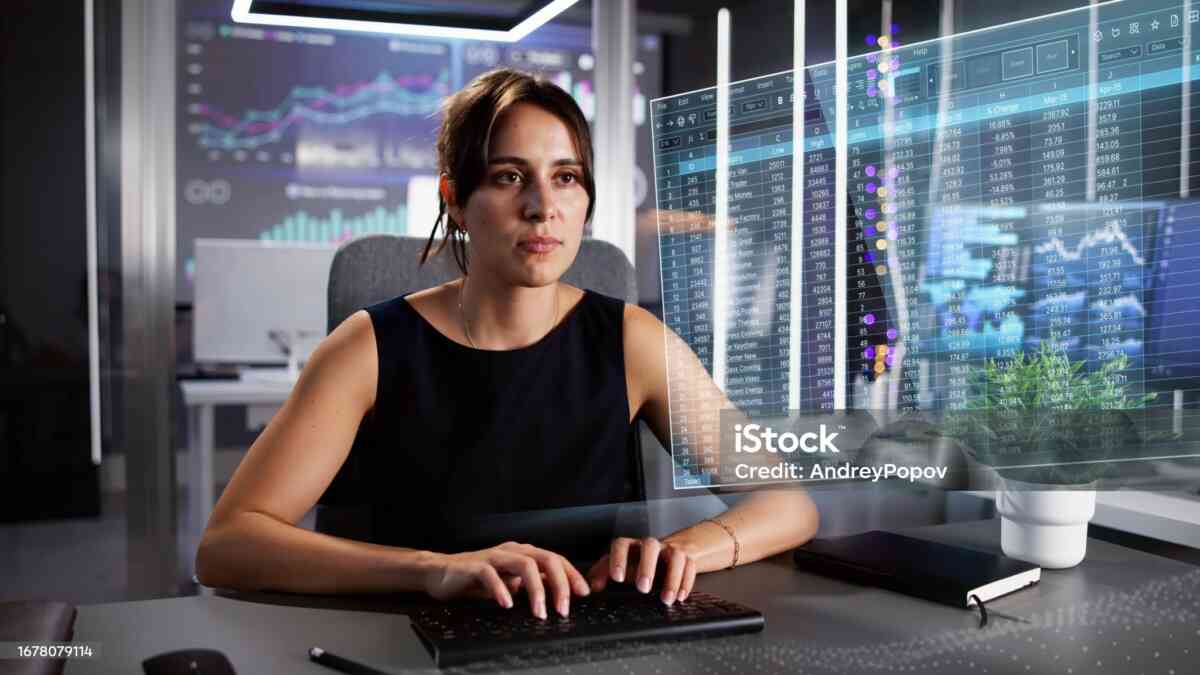
Real-time market data monitor tools have become essential for traders, institutions, and retail investors alike. These systems provide live analytics, technical indicators, financial news, and market alerts across multiple asset classes.
Understanding Market Data Monitoring
Market data monitoring involves collecting and analyzing live information from financial exchanges worldwide.
This includes:
- Stock prices
- Commodity prices
- Currency exchange rates
- Bond yields
- Cryptocurrency movements
- Economic indicators
Financial markets operate continuously across different global time zones.
Types of Market Data Tools
Stock Screeners
Stock screeners filter companies based on:
- Market capitalization
- Price trends
- Trading volume
- Dividend performance
Technical Analysis Platforms
These platforms offer:
- Charting systems
- Trend indicators
- Momentum analysis
- Volume analytics
Economic Calendar Systems
Economic calendars track:
- Interest rate decisions
- Inflation reports
- Employment statistics
- GDP announcements
News Aggregation Platforms
Financial news strongly influences market behavior.
Popular Market Data Platforms
TradingView
Provides advanced charting and social trading tools.
MetaTrader 5
Widely used for forex and CFD trading.
Yahoo Finance
Offers free market data and financial news.
Thinkorswim
Professional trading platform with advanced analytics.
Importance of Speed in Financial Markets
Milliseconds can influence trading outcomes.
High-frequency trading firms use ultra-fast systems to:
- Execute trades instantly
- Detect price inefficiencies
- Capture arbitrage opportunities
Low latency has become a competitive advantage.
Artificial Intelligence in Financial Monitoring
AI systems help traders analyze massive datasets rapidly.
Capabilities include:
- Predictive analytics
- Trend recognition
- Automated trading
- Sentiment analysis
Machine learning continuously improves forecasting accuracy.
Real-Time Data and Global Investing
Global investors monitor multiple international exchanges simultaneously.
Major markets include:
- Tokyo Stock Exchange
- Shanghai Stock Exchange
- Hong Kong Stock Exchange
Events in one region often impact global asset prices.
Role of Social Media
Social platforms increasingly influence market trends.
Popular channels include:
Viral discussions sometimes create rapid price volatility.
Risks of Continuous Monitoring
Information Overload
Too much market data can reduce decision quality.
Stress and Anxiety
Constant volatility monitoring may affect emotional discipline.
False Trading Signals
Not every market movement represents a profitable opportunity.
Best Practices for Investors
Build a Focused Watchlist
Monitor only important assets.
Use Multiple Indicators
Combine technical and fundamental analysis.
Follow Economic Events
Macroeconomic reports strongly affect markets.
Maintain Risk Management
Diversification helps reduce losses.
Future of Real-Time Financial Monitoring
Future innovations may include:
- Quantum computing
- AI-driven investing
- Blockchain market systems
- Decentralized finance analytics
Technology will continue reshaping investment strategies.
Conclusion
Real-time market data monitoring tools are now essential in modern finance. Investors who understand live analytics, market intelligence, and financial technology can make smarter and faster decisions.
As global markets continue evolving, real-time monitoring systems will remain at the center of financial innovation.

